

A mark of innovation and voter confidence.Part 2: Proactively Overcoming Challenges, Flexibly Collaborating
Nghe An is the fourth largest province in the country in terms of area, with 83% being mountainous; its population is unevenly distributed, diverse in ethnicity and religion, and has a voter base of over 2.3 million people, the largest ever. Notably, this is the first time elections have been held in the context of a two-tiered local government system, with 130 commune-level administrative units...
News Reporting Team /Present:Hong ToaiMarch 25, 2026
*****
Nghe An is the fourth largest province in the country in terms of area, with 83% being mountainous; its population is unevenly distributed, diverse in ethnicity and religion, and has a voter base of over 2.3 million people, the largest ever. Notably, this is the first time elections have been conducted within the context of a two-tiered local government system, encompassing 130 commune-level administrative units. Under these conditions, the entire election process requires meticulous and scientific preparation; coordination between all levels and sectors must be smooth and synchronized; and, most importantly, a high degree of initiative and creativity is needed to ensure smooth operation and relevance to the local context.
.png)
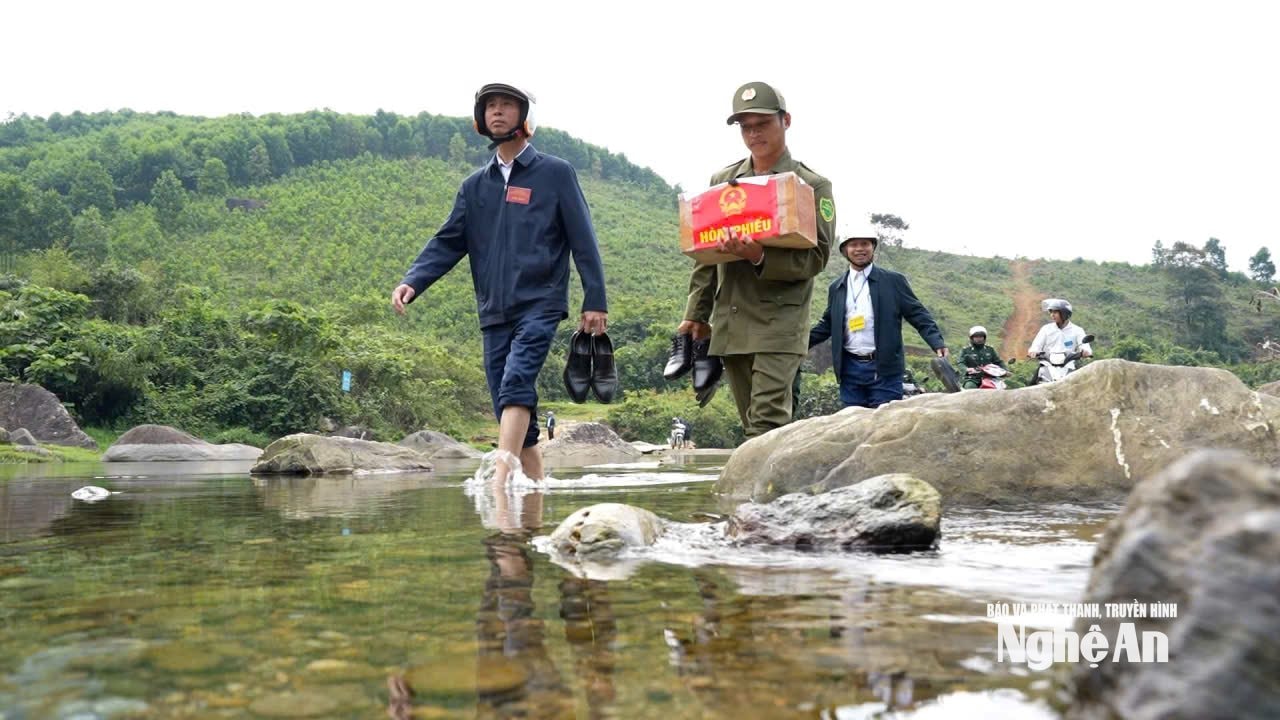
The road to Cha Nga village in mid-March still bears the marks of the historic July 2025 flood. Landslides and rockfalls have torn apart many sections of the road, making it impossible to fully restore the only pedestrian route connecting the village to the center of My Ly commune. To bring ballot boxes into the village, authorities had to travel 25km, 13km by motorbike and the rest upstream along the Nam Non River by boat.
In a village without electricity or telephone service, organizing an election seemed like a daunting task. The community center in Cha Nga village was being used as a temporary classroom after a natural disaster. But even in these circumstances, the My Ly Commune Election Committee and the polling station in Cha Nga village didn't wait for perfect conditions but proactively adapted to ensure the people's right to vote. A villager's house was borrowed as a polling station; contingency plans were considered for situations like heavy rain and rising river levels.
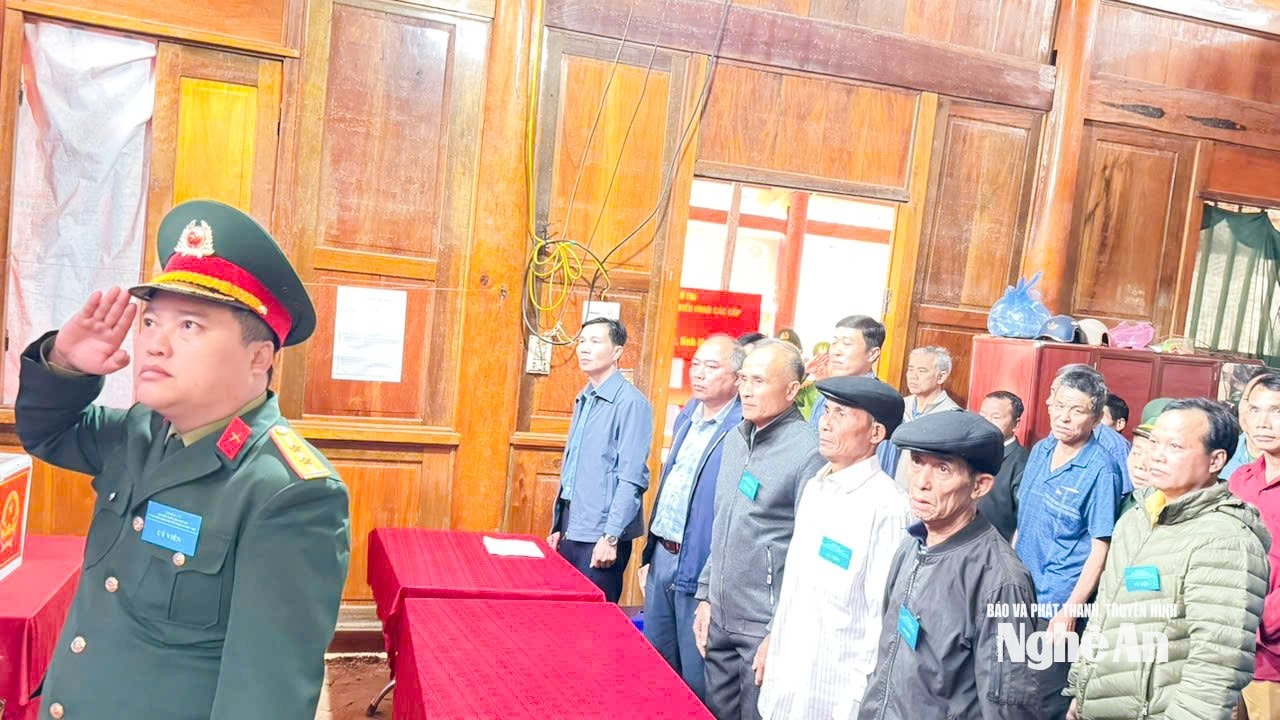
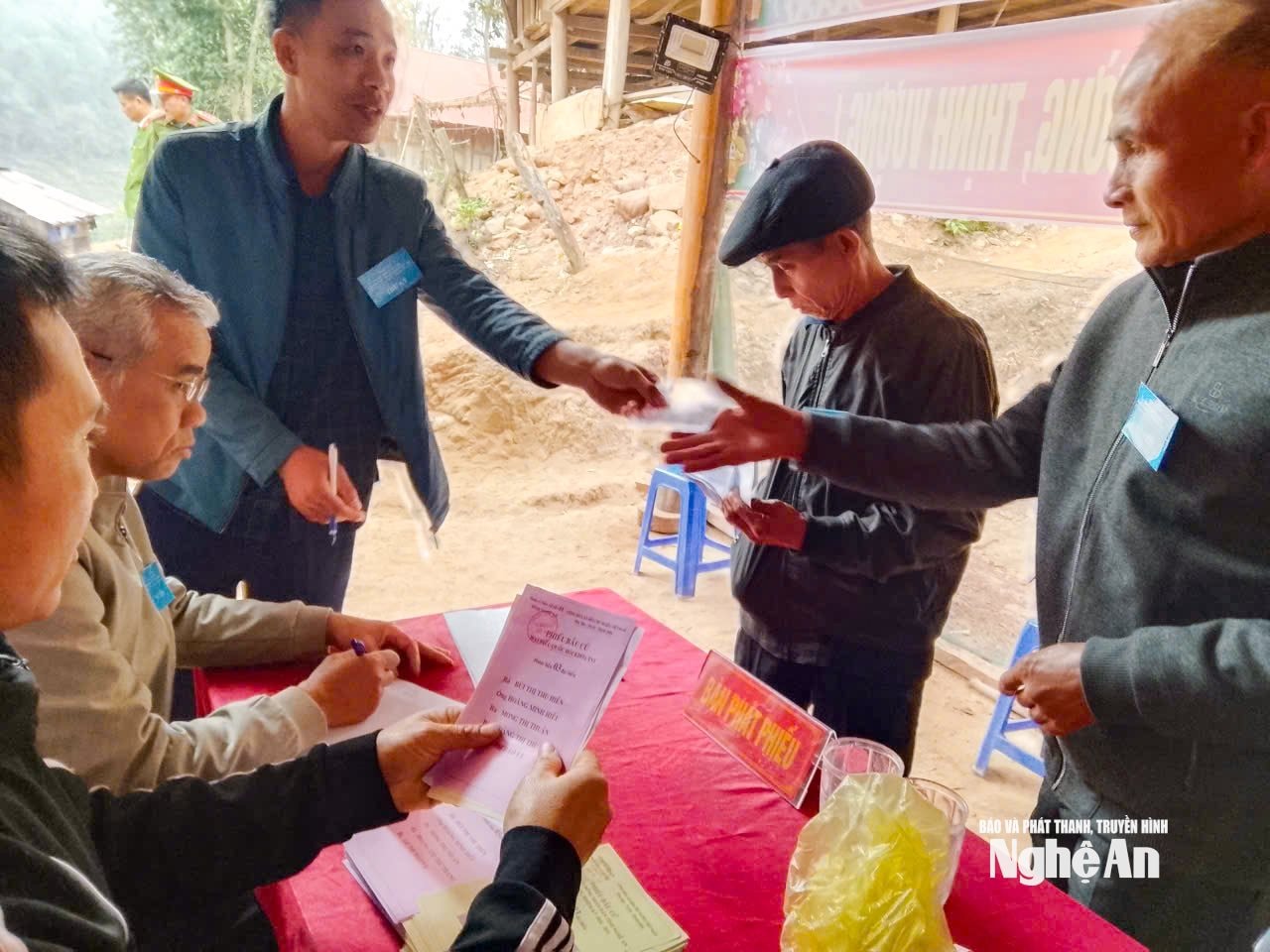
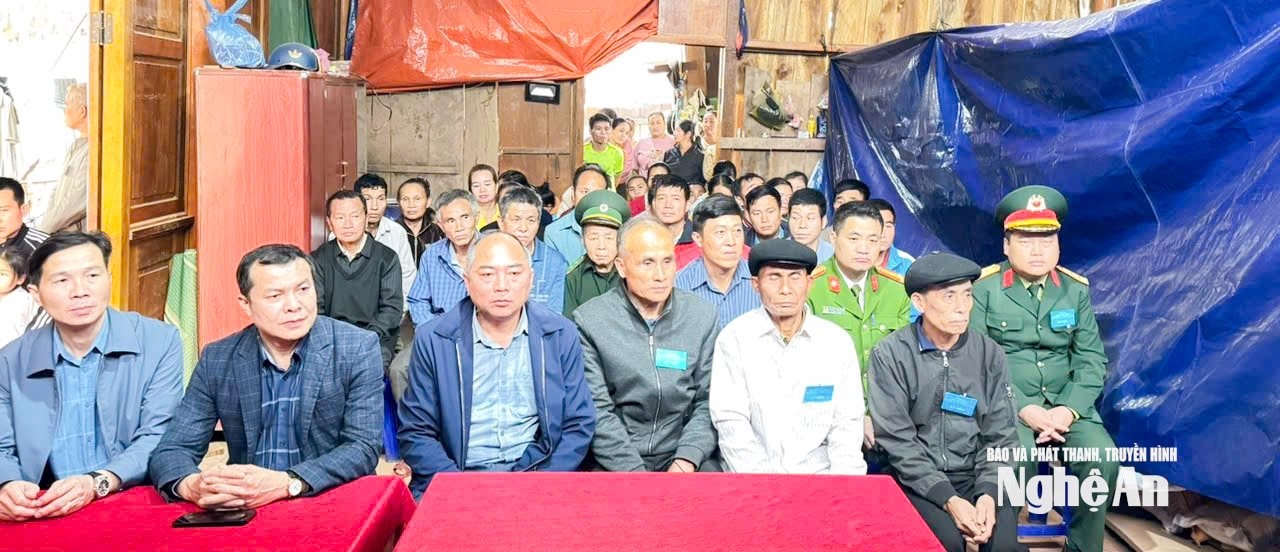
Without cell phone signal, information was "connected" by people. The Party branch secretary and militia members became "living communication lines," carrying news from the villages to the commune center. The voter list was reviewed until the very last day, in the context of many people leaving the village after the floods to work elsewhere. The Party branch secretary of Cha Nga village, Lo Van Ngoc, simply said: "We must do everything possible to ensure that 'no one is left behind' on election day."

According to Nguyen Anh Doai, Secretary of the Party Committee and Chairman of the People's Council of My Ly commune - Chairman of the commune's Election Committee, there are 4 villages in the area without access to the national power grid, and 5 villages without telephone or internet coverage, making it difficult to update information in both directions to compile the results; 4 villages have very difficult transportation access, with 2 of them requiring travel by boat.
Given this situation, polling areas were divided according to population density and accessibility, ensuring convenience for people to participate. At the same time, a coordination plan between the police, border guards, military forces, and local security personnel was prepared to respond to any unforeseen situations. “Despite numerous difficulties, My Ly commune still achieved 100% voter turnout; including 3 out of 13 early voting areas in Xop Duong, Cha Nga, and Nhot Lot villages,” Comrade Nguyen Anh Doai stated.
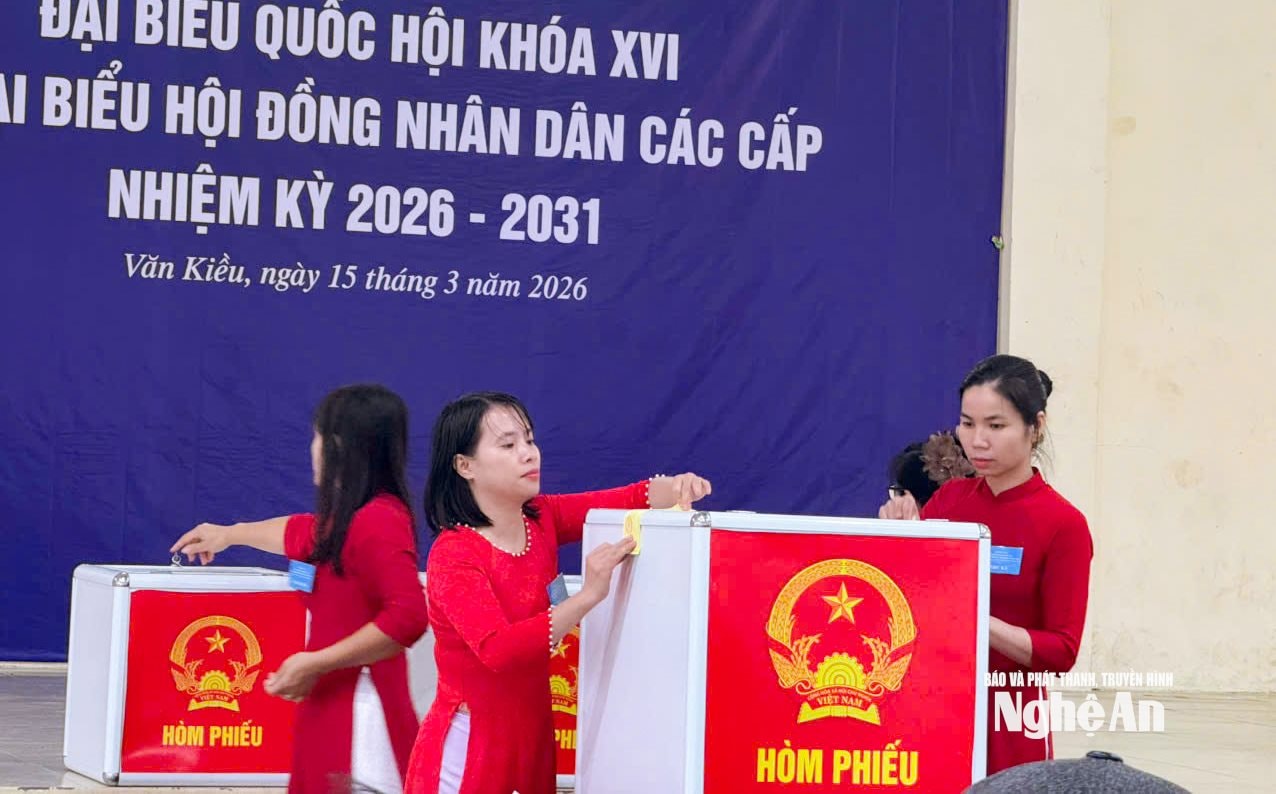
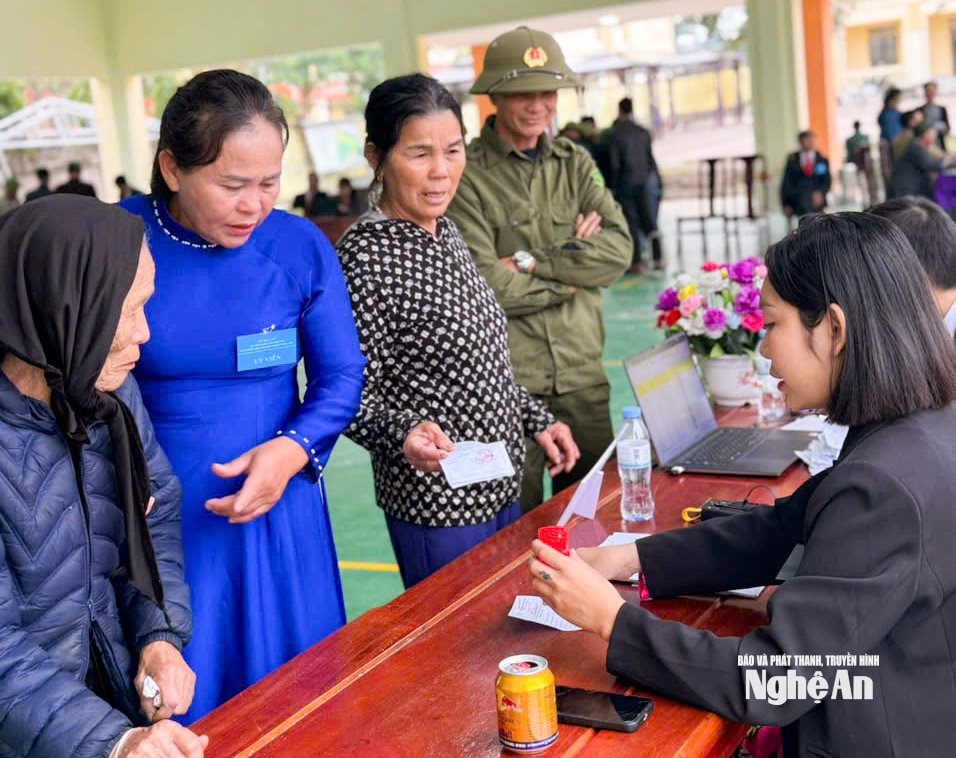
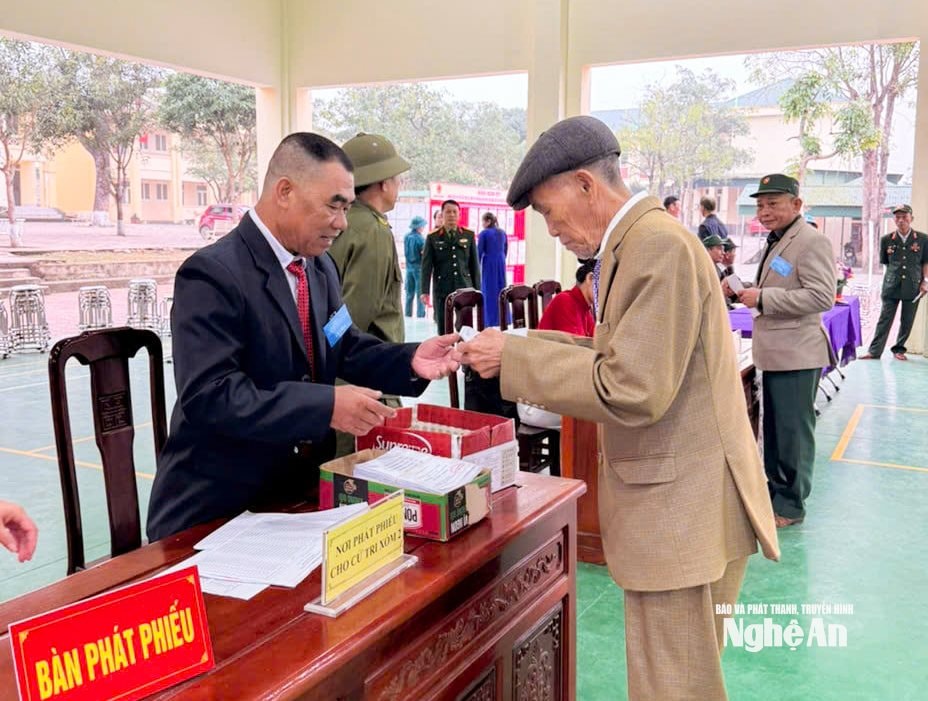
Van Kieu commune has a Catholic population, accounting for 43% of the total population. Given this characteristic, a new approach in Van Kieu is the assignment of 14 members of the commune's Party Committee as heads of polling stations, directly responsible for grassroots leadership, instead of using village or hamlet officials as in most other localities; simultaneously, they closely coordinate with priests to carry out propaganda and mobilize voters to exercise their rights and civic duties.
Along with that, the role of polling stations and village/hamlet officials was maximized. Mr. Nguyen Dang Dung - Secretary of the Party Branch of Hamlet 5, Nghi Kieu, and a member of Polling Station No. 10, said: The area has 1,972 voters in Hamlets 1, 2, and 5 of Nghi Kieu, of which nearly 500 are Catholic voters belonging to the Nam Thinh and Yen Lac parishes. The election took place on a Sunday, right when people were attending church, so immediately after receiving the plan, the Polling Station coordinated with the Parish Councils to directly disseminate information to each neighborhood group.
Through flexible, creative, and responsible methods, the atmosphere on election day in Van Kieu was enthusiastic, democratic, and united, truly becoming a festival for the entire community, evidenced by the 100% voter turnout. Mr. Le Nhu Hong, head of the Yen Lac parish, who cast the first ballot at Polling Station No. 10 in Van Kieu commune, shared: "With the spirit of 'respecting God and loving the country,' and 'living a good life and upholding moral values,' the people always diligently participate in emulation movements and fulfill their civic duties. On election day, after the ceremony at the church, a large number of voters gathered at the polling station to cast their ballots, entrusting their faith in worthy representatives."
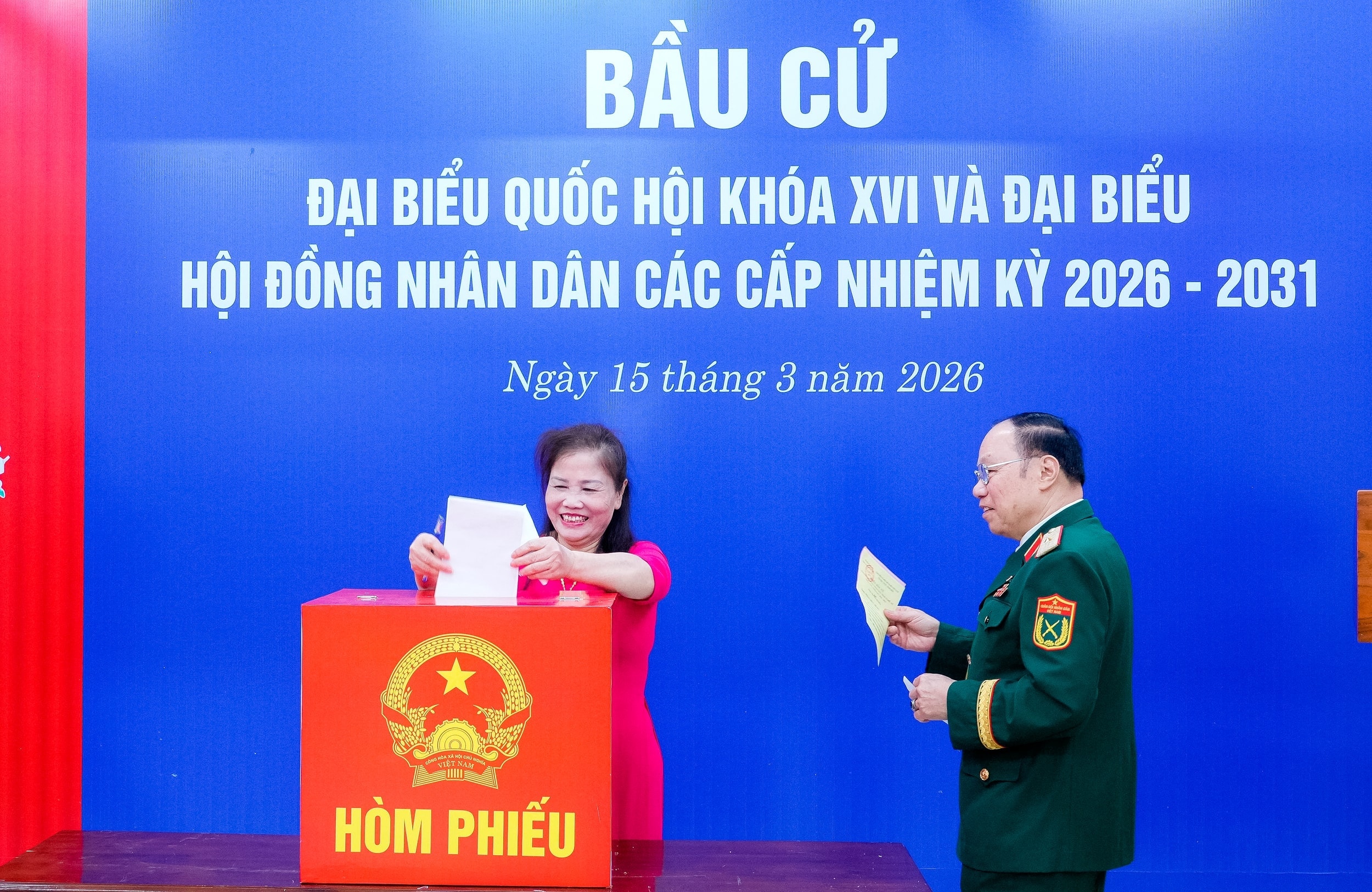
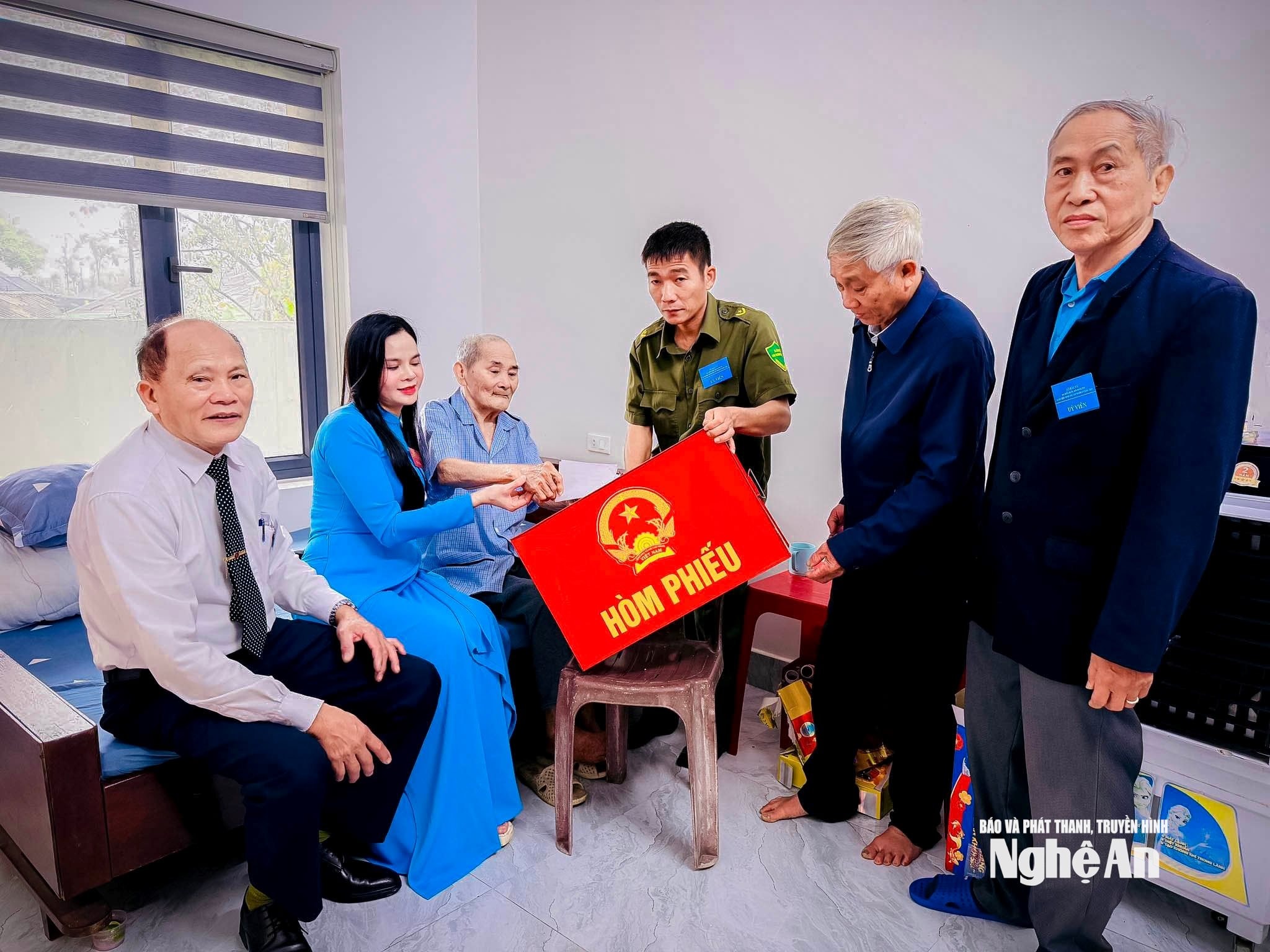
In urban areas, the organization of elections was implemented in equally flexible ways. In Truong Vinh ward, mobile ballot boxes were brought to the Obstetrics and Pediatrics Hospital and other medical facilities on the morning of March 15, 2026. For voters who could not leave their hospital beds or were working in specialized environments, the ballot boxes reached them. The process was carried out fully, ensuring transparency and legality, but the organization was more flexible and accessible.
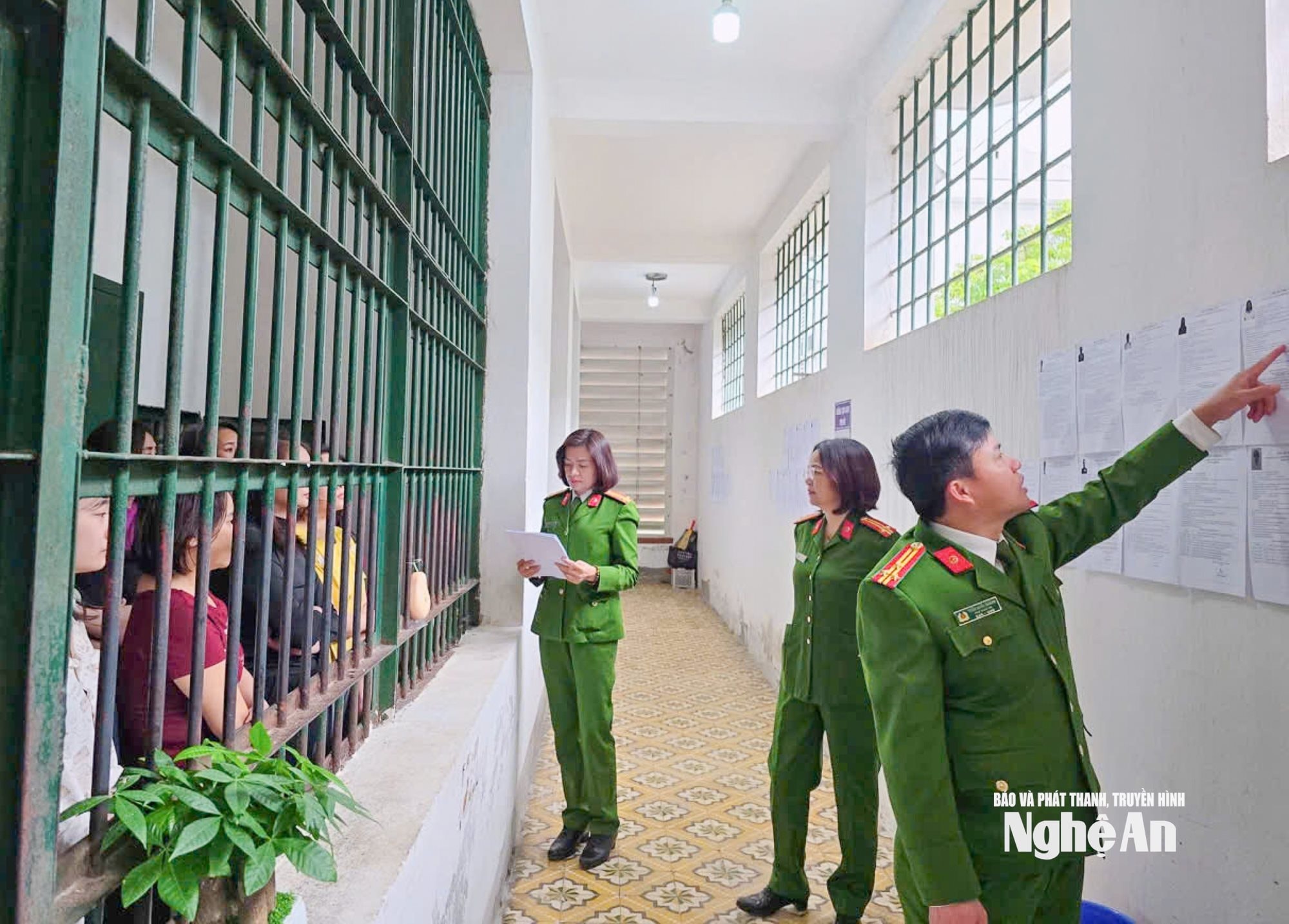
On the same day, at the Nghe An Provincial Police Detention Center, 924 people being held in temporary custody also exercised their right to vote. From the centralized polling area to the detention cells, mobile ballot boxes were brought in to ensure that all eligible voters could participate directly.
In Nghe An, from mountainous and border areas to urban centers, from villages still bearing the scars of natural disasters to unique polling stations, the common thread is that proactiveness, flexibility, and creativity have become the "key" to overcoming all obstacles. With these specific and practical approaches, the people's right to vote is fully guaranteed, contributing to a truly meaningful nationwide election day where each ballot is not hindered by geographical distance or individual circumstances.
The establishment of election-related organizations was carried out urgently and seriously by the election committees at all levels in Nghe An province, ensuring compliance with the law, schedule, composition, number of members, and timeframe as stipulated by law. These organizations include: 6 constituencies for National Assembly elections; 20 constituencies for provincial People's Council elections; and 1,039 constituencies for district People's Council elections.NDCommune level; identified 3,116 polling areas.corresponding to3,116 Polling Stations.

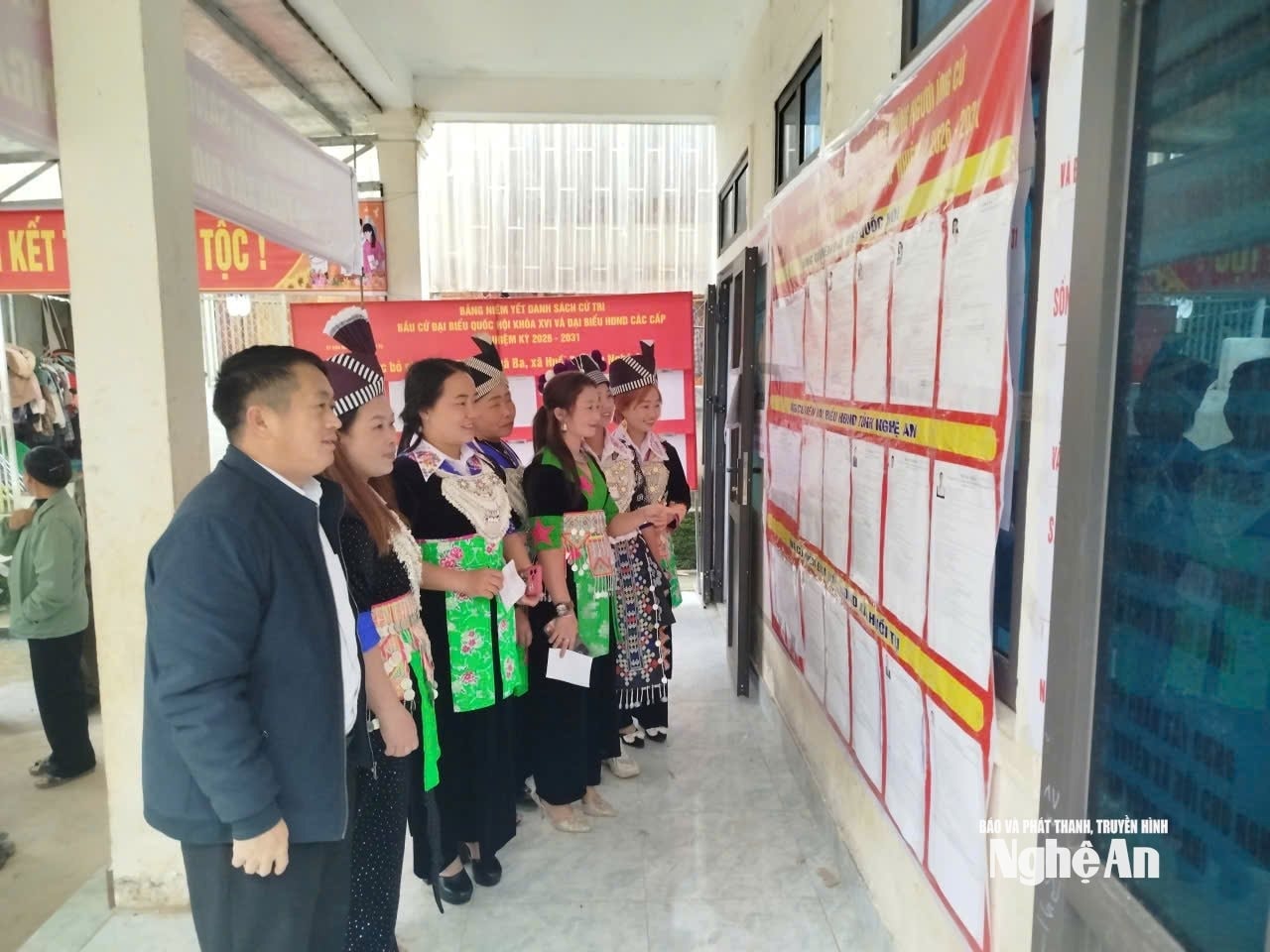
On March 13th, as the sun rose from behind the mountains, in Pha Lom village, about 15 km from the center of Tam Thai commune, more than 430 Mong ethnic minority voters gathered to participate in the early election. Member of the Central Committee of the Communist Party of Vietnam, Secretary of the Provincial Party Committee Nguyen Khac Than - Head of the Provincial Election Steering Committee - was present to share in the joy with the people. Children accompanied their parents, and male and female voters wore traditional clothing and colorful scarves. The whole village was bustling from early morning. Ballots were passed from hand to hand in the early morning sun, carrying the faith and hopes of the villagers.
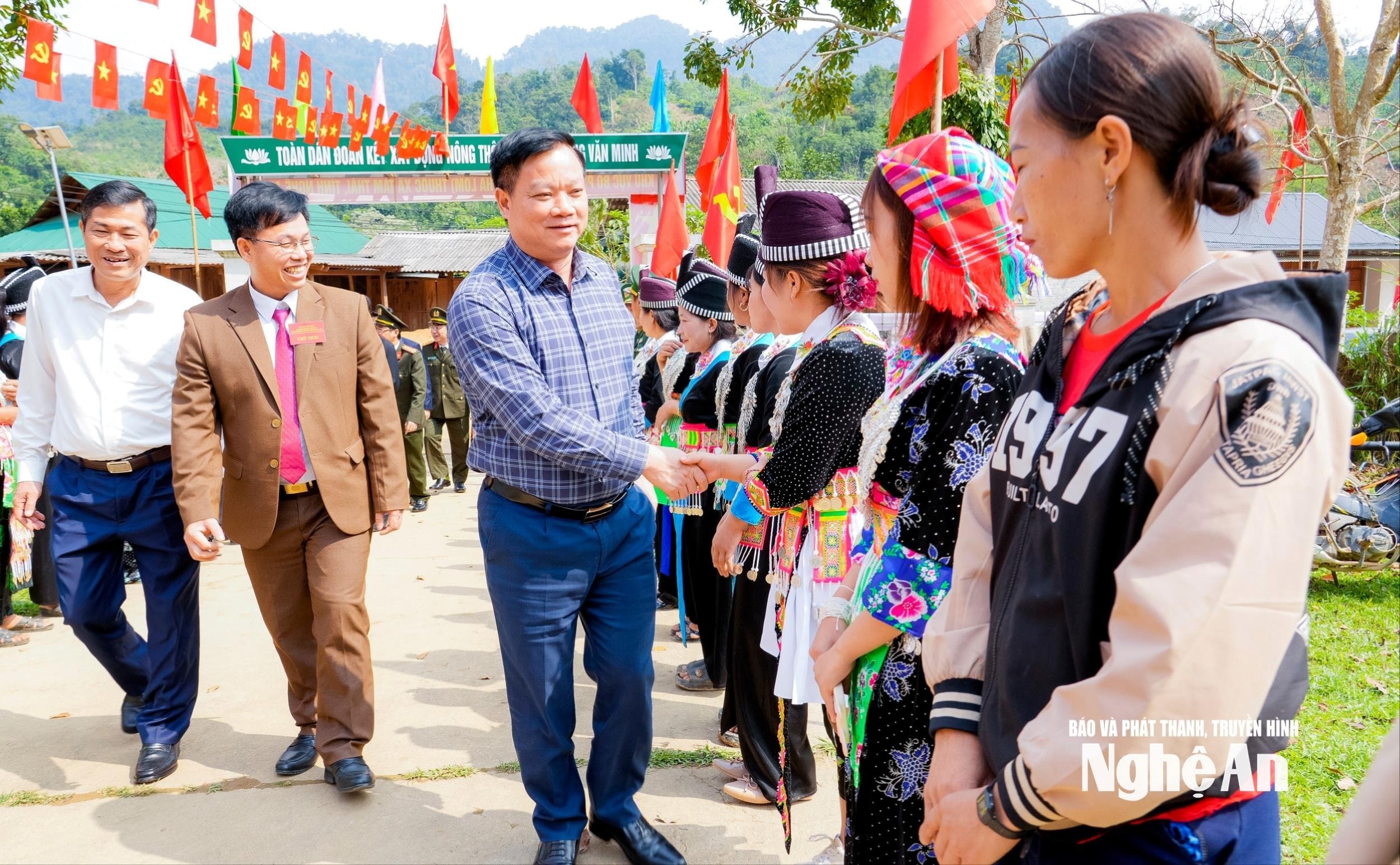
Also on March 12th and 13th, members of the Standing Committee of the Nghe An Provincial Party Committee directly visited Huoi Moi village (Tri Le commune), Moi village (Mon Son commune), and Huoi Xui village (Keng Du commune) to inspect, encourage, and celebrate with the ethnic minority people in the high-altitude border region on the day of early voting. The presence of the province's highest-ranking leaders is vivid evidence of their close attention and support for the grassroots.
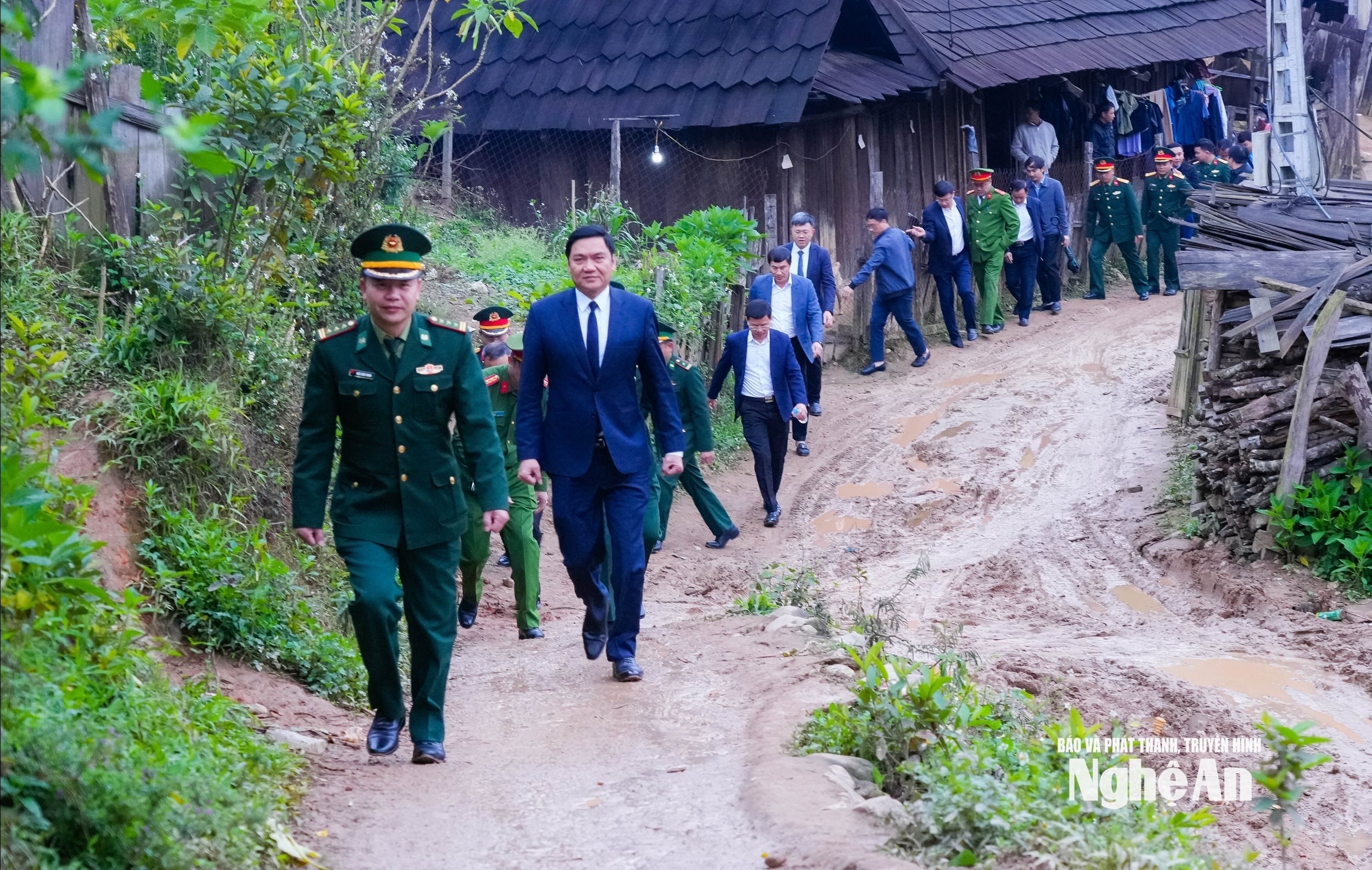
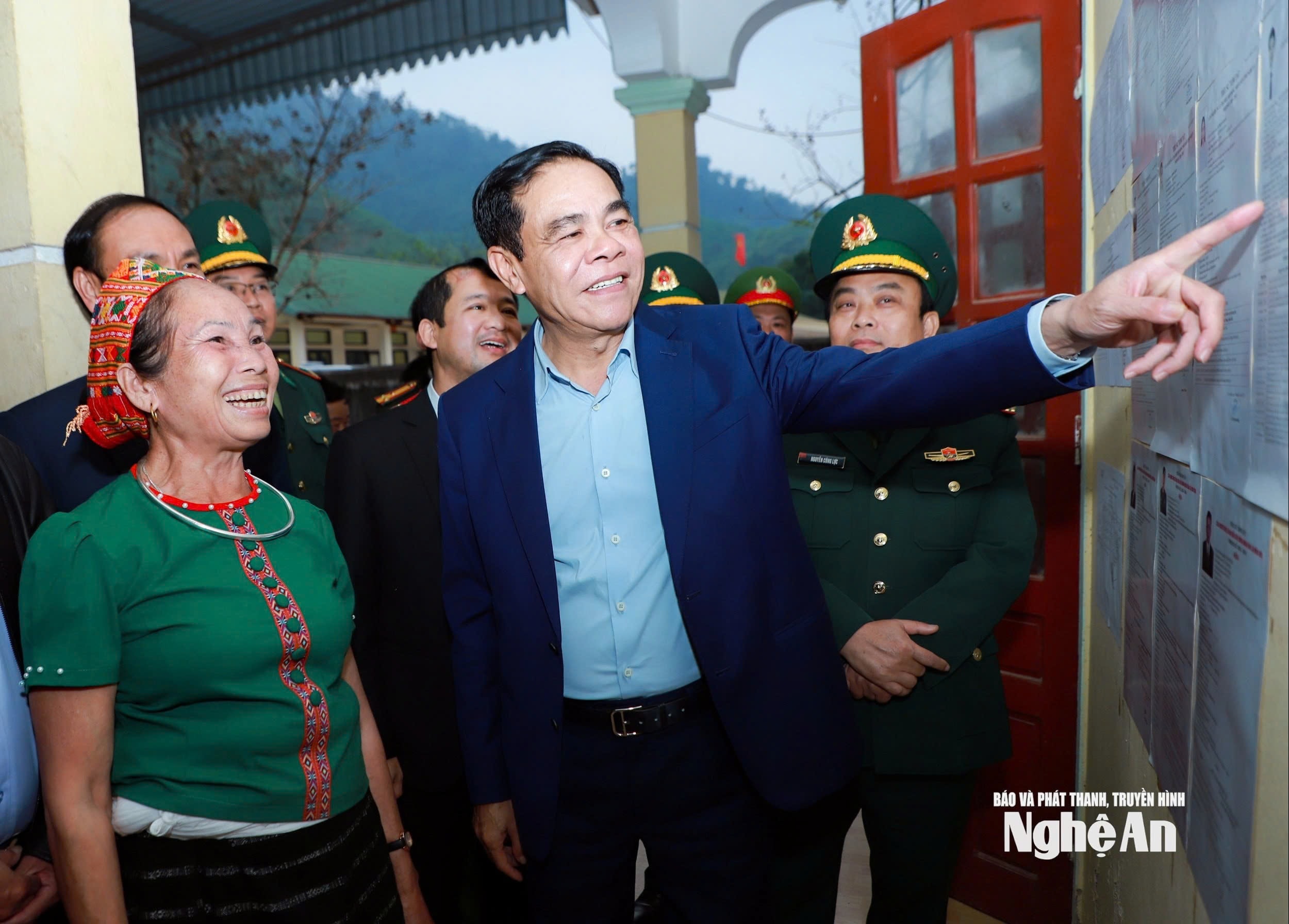
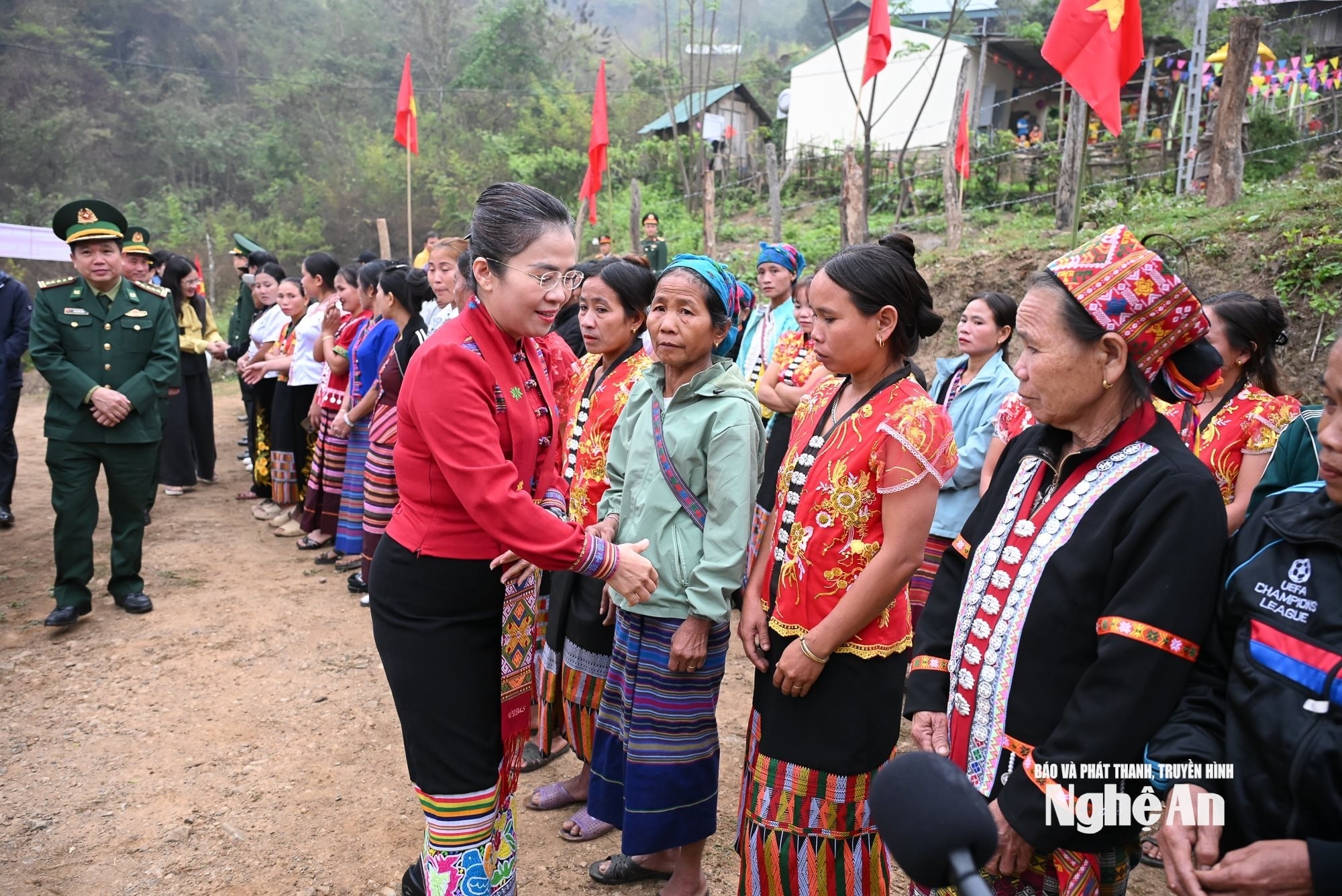
Overall, looking back at the recent election, from the time the election preparation plan was implemented, Nghe An received very close attention from the leaders of the National Election Committee. On February 28th, Comrade Tran Thanh Man - Member of the Political Bureau, Chairman of the National Assembly, Chairman of the National Election Council - and his delegation visited several polling stations and worked with the Nghe An Provincial Election Committee to supervise and inspect the election preparation work.
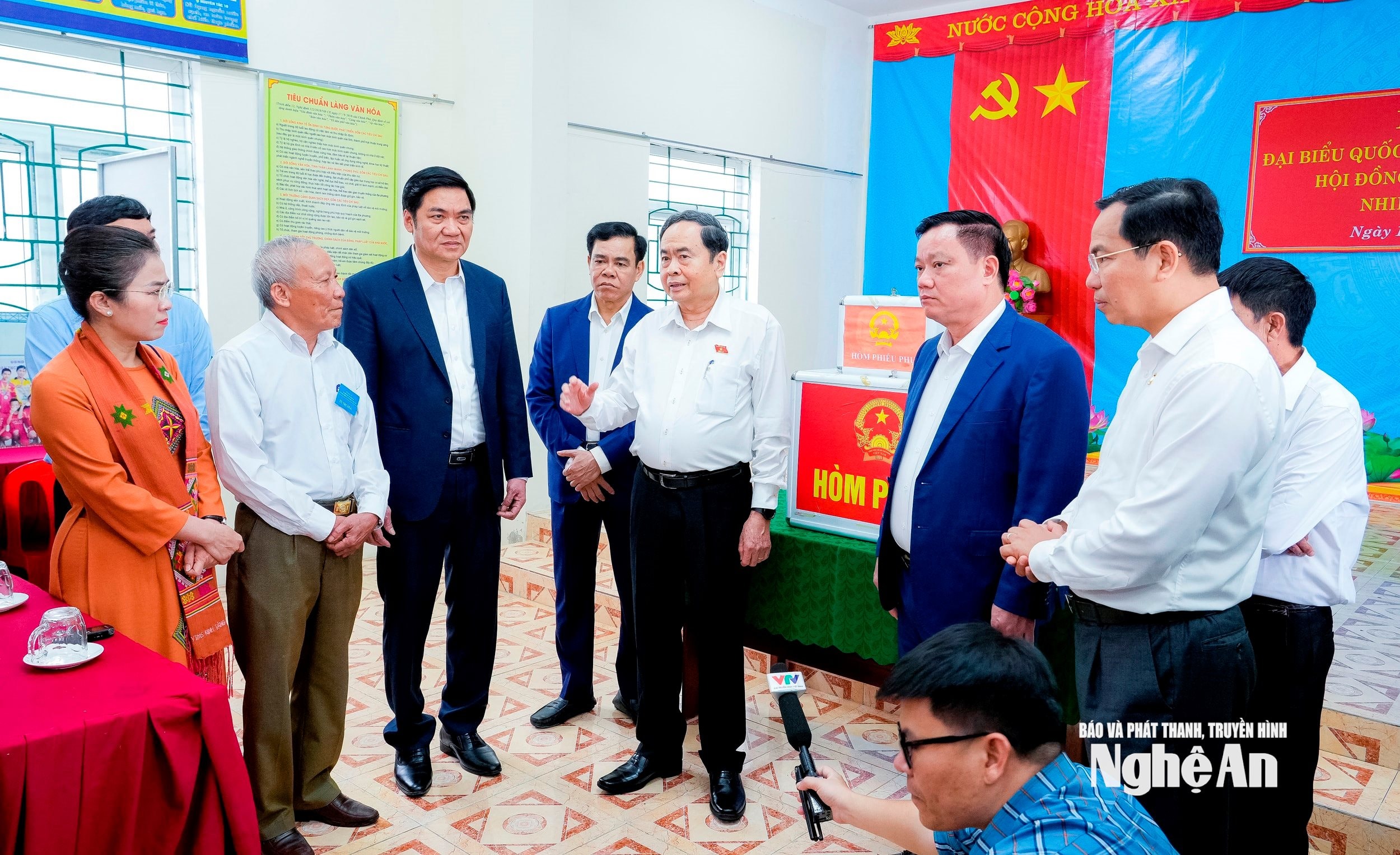
For months, the Standing Committee of the Provincial Party Committee has also been continuously present in various localities, urging and inspecting the implementation step by step. As the election day approaches, the inspection frequency increases, and the presence of leaders at the grassroots level becomes more frequent, creating a continuous connection; at the same time, strengthening the trust and responsibility of the entire political system and promoting the people's right to self-governance.
In addition, 13 inspection teams from the Provincial Election Committee, led by members of the Provincial Party Standing Committee, along with 4 inspection teams from the Provincial Committee of the Vietnam Fatherland Front, led by Vice-Chairmen, conducted 38 inspections at localities, agencies, and units, directly assessing the situation and guiding the preparation work according to regulations.
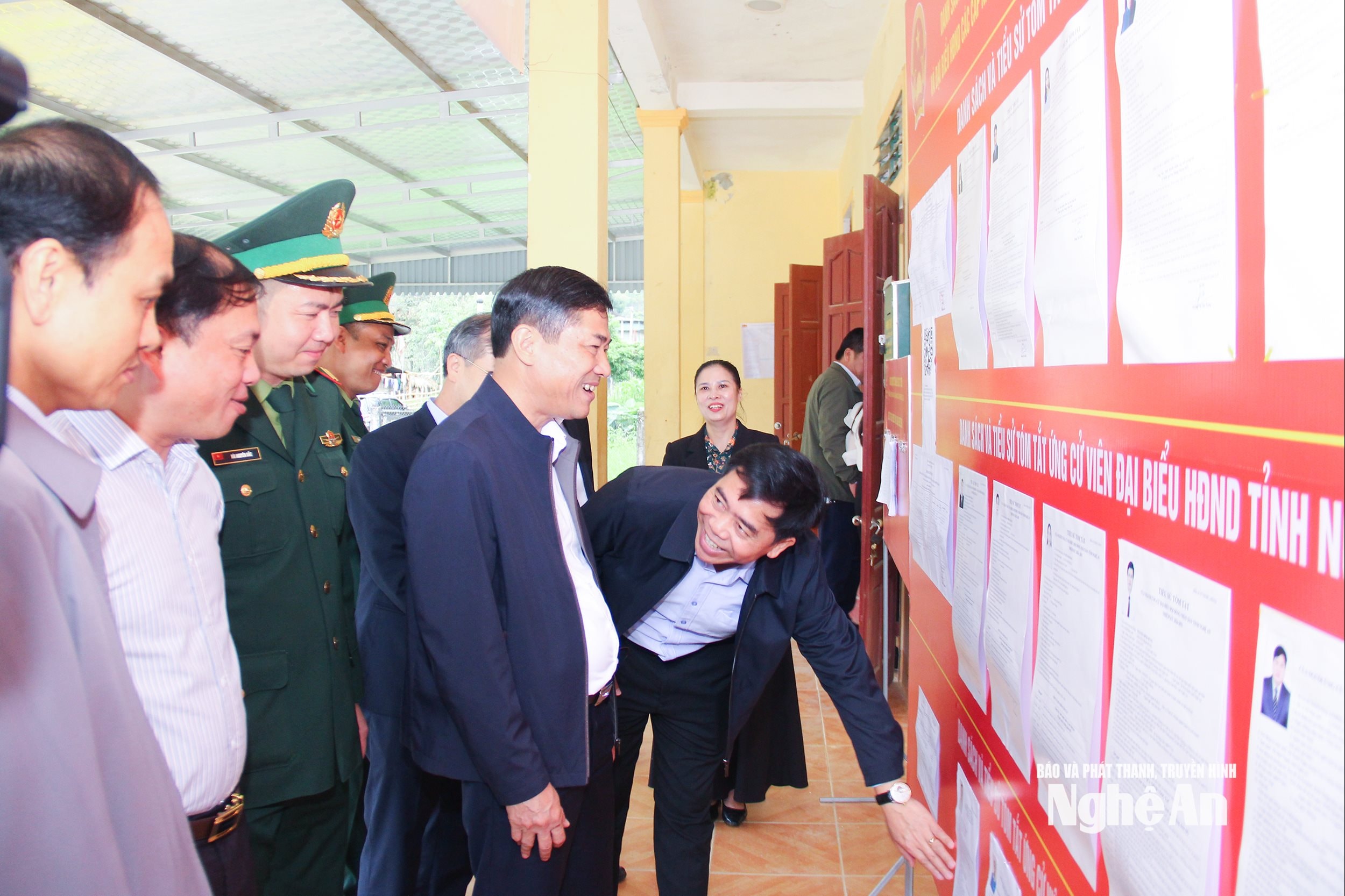
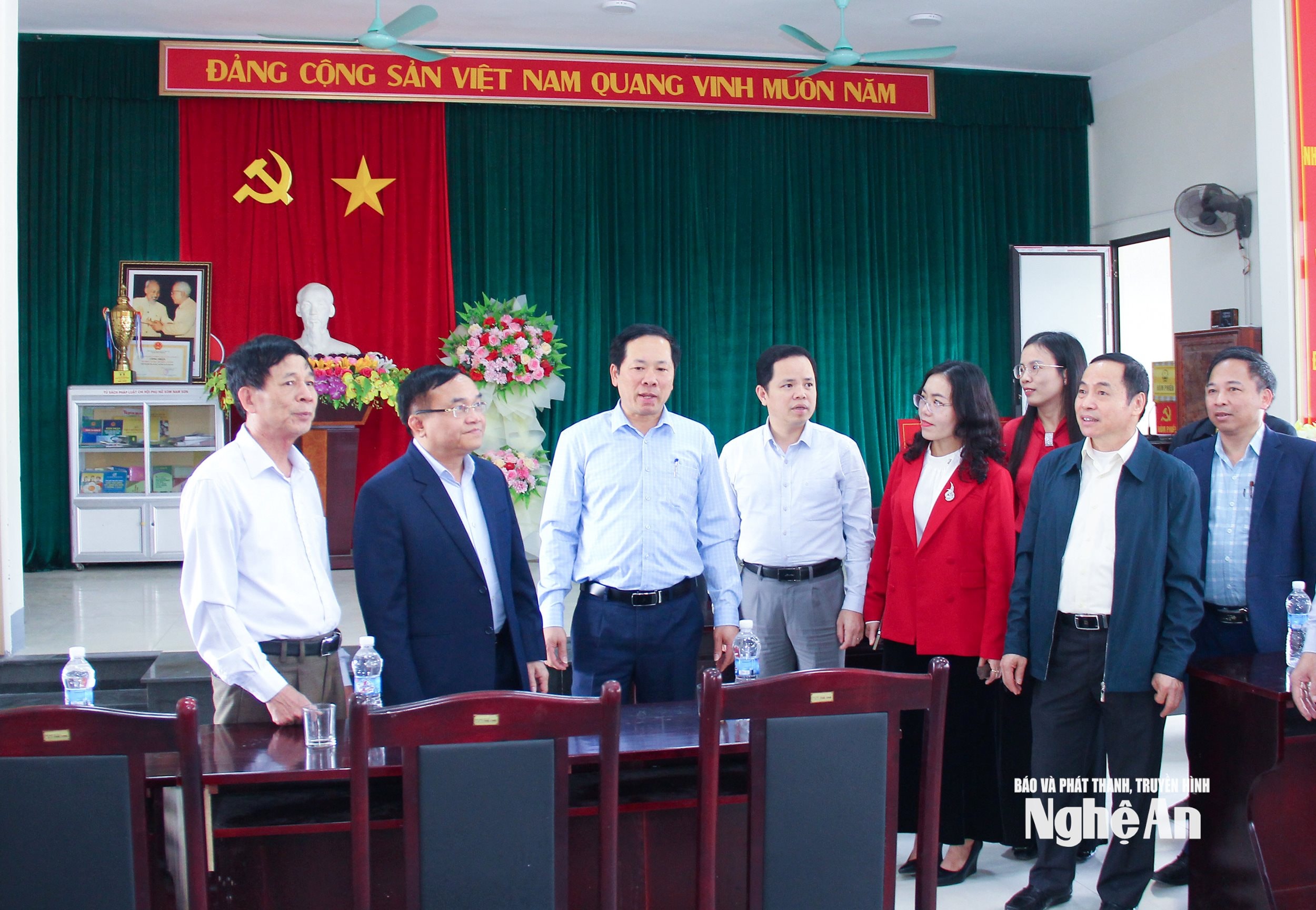
In particular, on the day of the early election, the Department of Internal Affairs, the Standing Committee of the Provincial Election Committee, assigned experienced officials to be present at all 55 polling stations to provide hands-on guidance to the polling stations on decorating and sealing ballot boxes, voting procedures, regulations, and handling situations. Mr. Duong Danh Vy, Head of the Administrative Reform, Document and Archives Department of the Department of Internal Affairs, who was directly in charge of the communes of Huoi Tu and My Ly, said: “We went directly to the localities and the most remote villages such as Cha Nga, Xop Duong, and Nhot Lot to provide guidance; at the same time, we quantified potential situations to promptly report to the Provincial Election Steering Committee.”
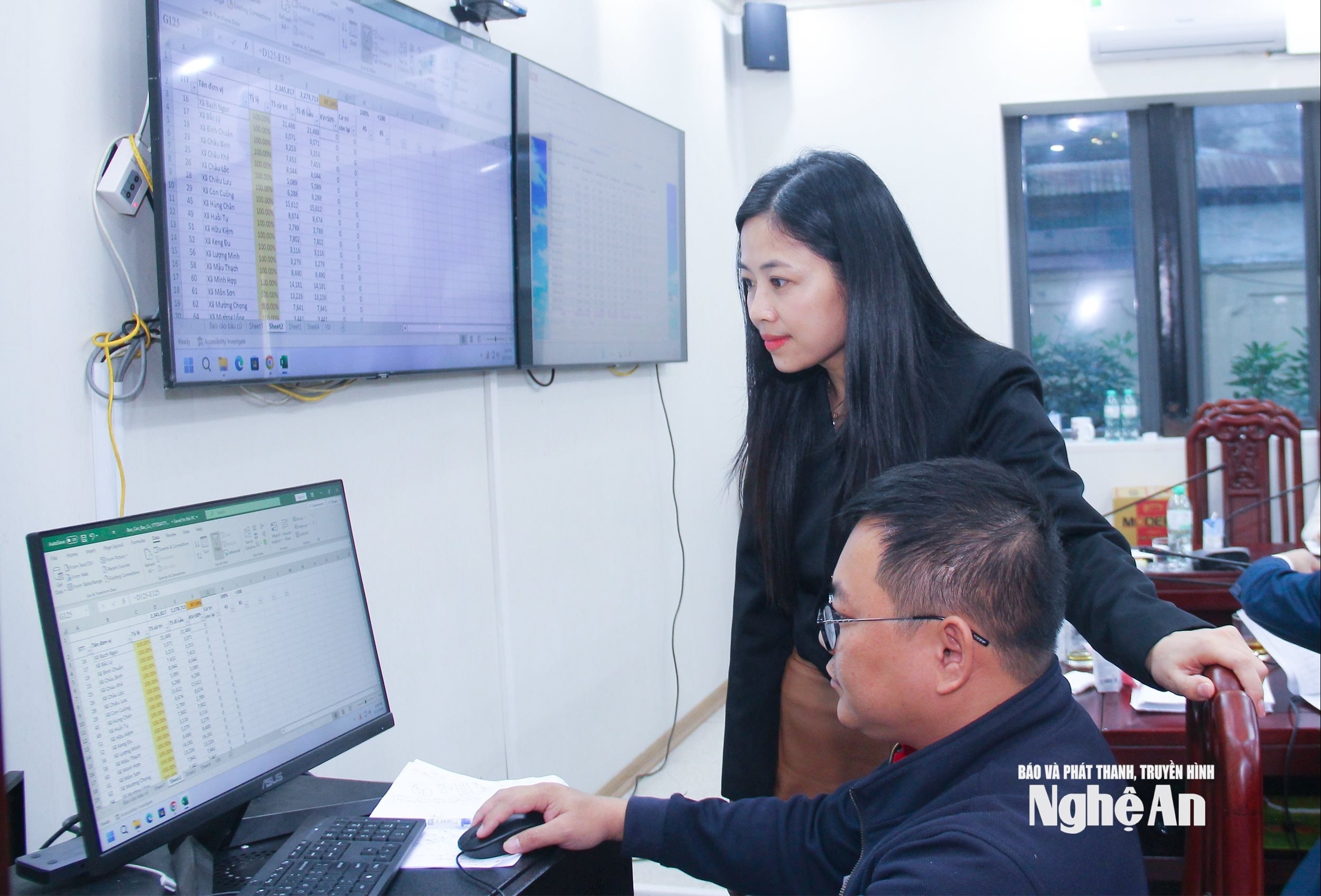
Another new feature of this election is that the Provincial Party Committee has issued a Decision assigning 130 officials and specialists from the Provincial Party Committee, the Provincial People's Council, the Office of the National Assembly Delegation and the Provincial People's Council, and the Provincial Fatherland Front Committee to 130 communes and wards in the province from March 13-15 to monitor, supervise, guide, and support localities in election work and be responsible for the election results in each assigned locality.
Comrade Nguyen Thi Anh Hoa - Deputy Chief of the Office of the National Assembly and Provincial People's Council Delegation assigned to Yen Xuan commune, said: Provincial-level officials assigned to the grassroots level are not intended to "do the work for others" but mainly to accompany, remind, connect information, support, supplement perspectives, and point out details that are easily overlooked. Throughout the period before, during, and after the election, the team directly monitoring continuously updated the situation and promptly reported any arising issues to the Provincial Party Committee's Organization Department; Comrade Pham Trong Hoang - Member of the Standing Committee and Head of the Provincial Party Committee's Organization Department - directly provided detailed guidance via the Zalo group on handling situations such as how to cast a valid vote and ensuring the security of the results…
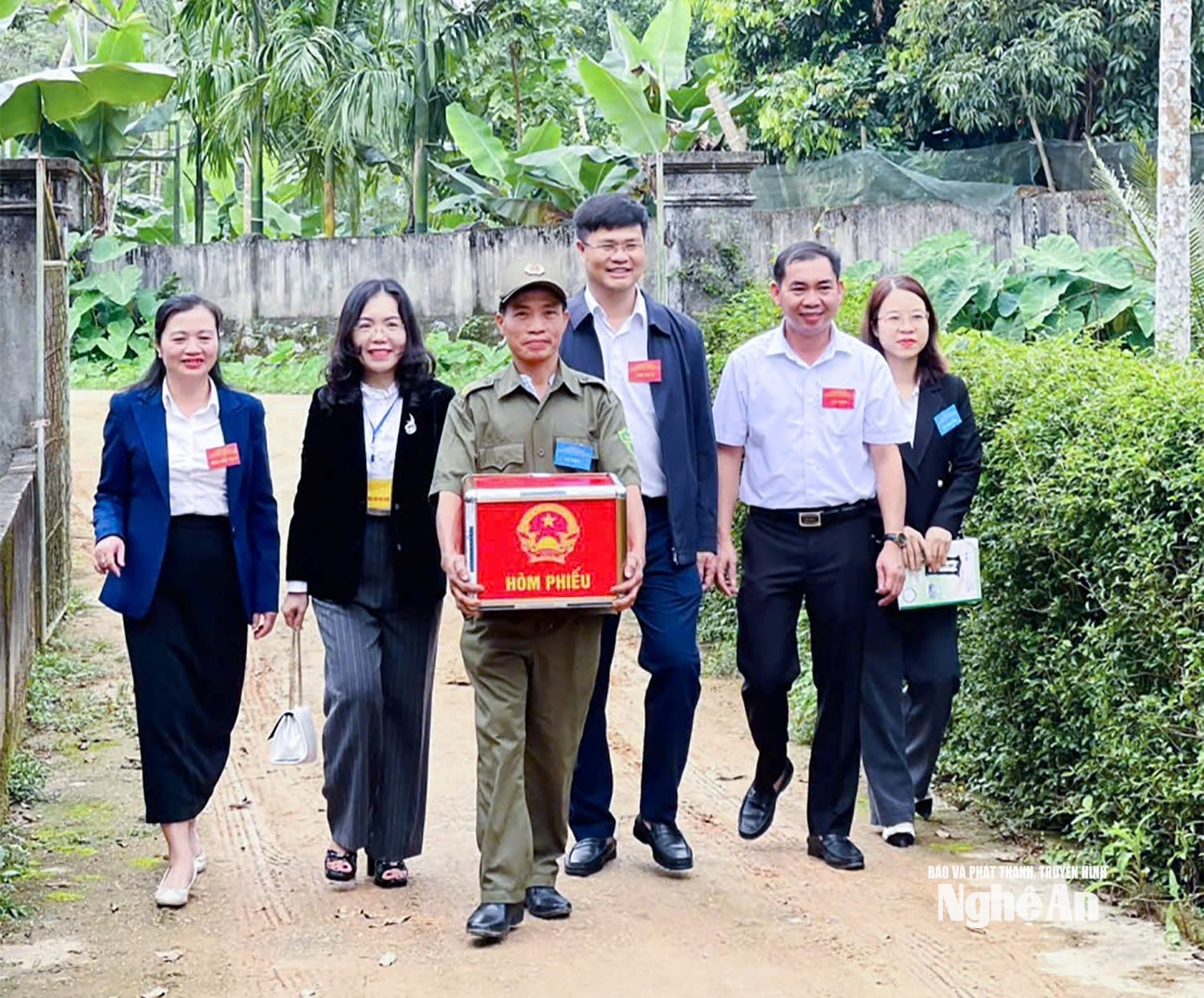
"The success of this election stems from thorough preparation, as well as an organizational approach that works closely with the grassroots, in which sending officials to the grassroots level demonstrates a close and flexible approach. This is a valuable lesson to continue studying and applying in similar political tasks in the future," Comrade Nguyen Thi Anh Hoa stated.
In addition, the handling of citizen complaints and denunciations has been given special attention by all levels and sectors in the province, identified as a key task to maintain political stability and ensure that the election is conducted democratically, fairly, and in accordance with the law. The province has directed the decisive handling of cases at the grassroots level, preventing the emergence of "hot spots"; at the same time, it has proactively reviewed, classified, and focused on resolving complex, protracted cases that pose potential risks to security and order. For example, on February 14, 2026, the Provincial People's Committee issued Document No. 1720, agreeing to halt the implementation of the investment and construction procedures for a cemetery and crematorium in Dien Loi commune, Dien Chau district (now Tan Chau commune);…
On the media "front," the Provincial Election Information and Propaganda Subcommittee established 6 inspection teams; through these efforts, they promptly reminded and rectified issues such as increasing the frequency of broadcasts, supplementing and replacing banners and slogans that did not meet aesthetic standards in some polling areas.
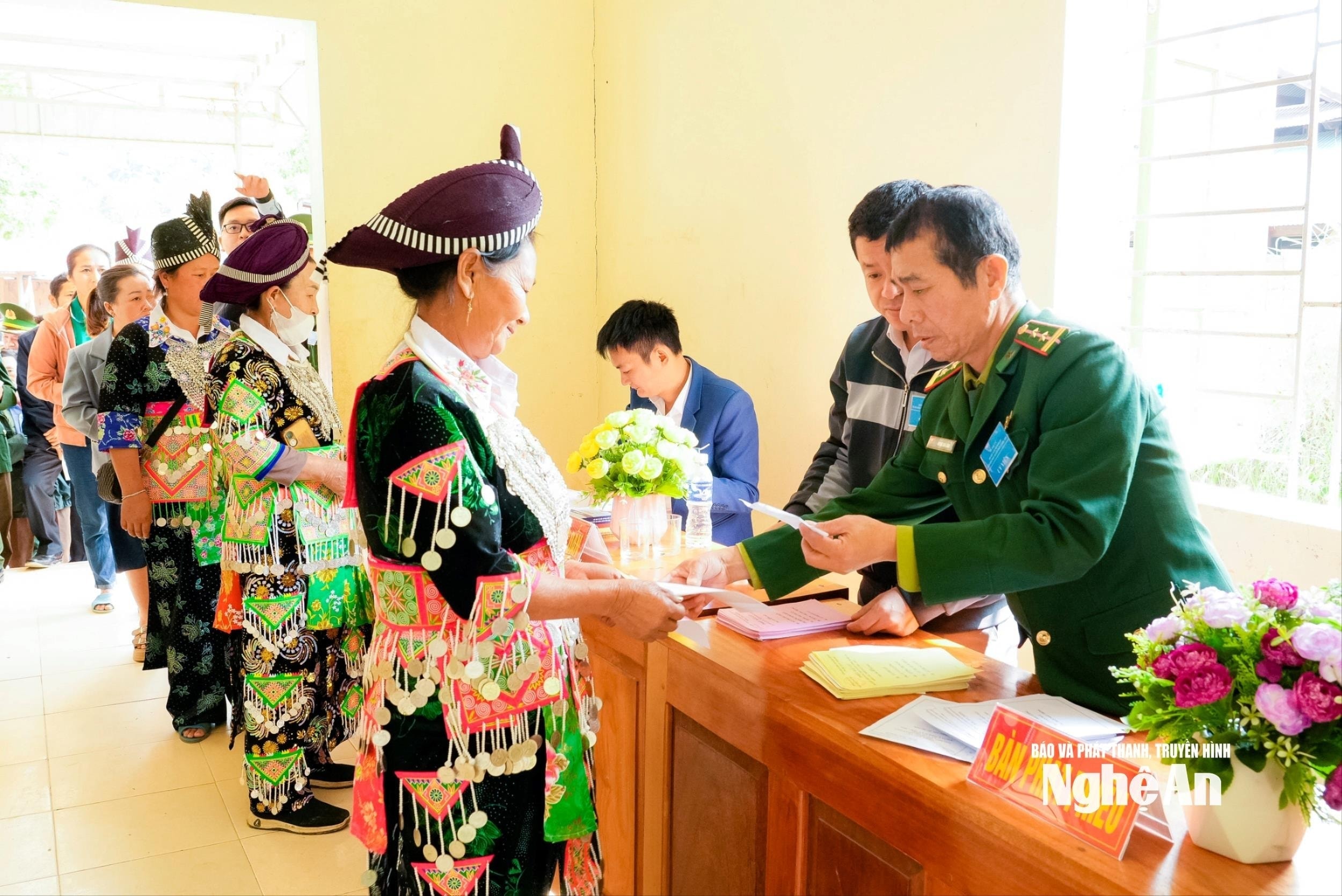
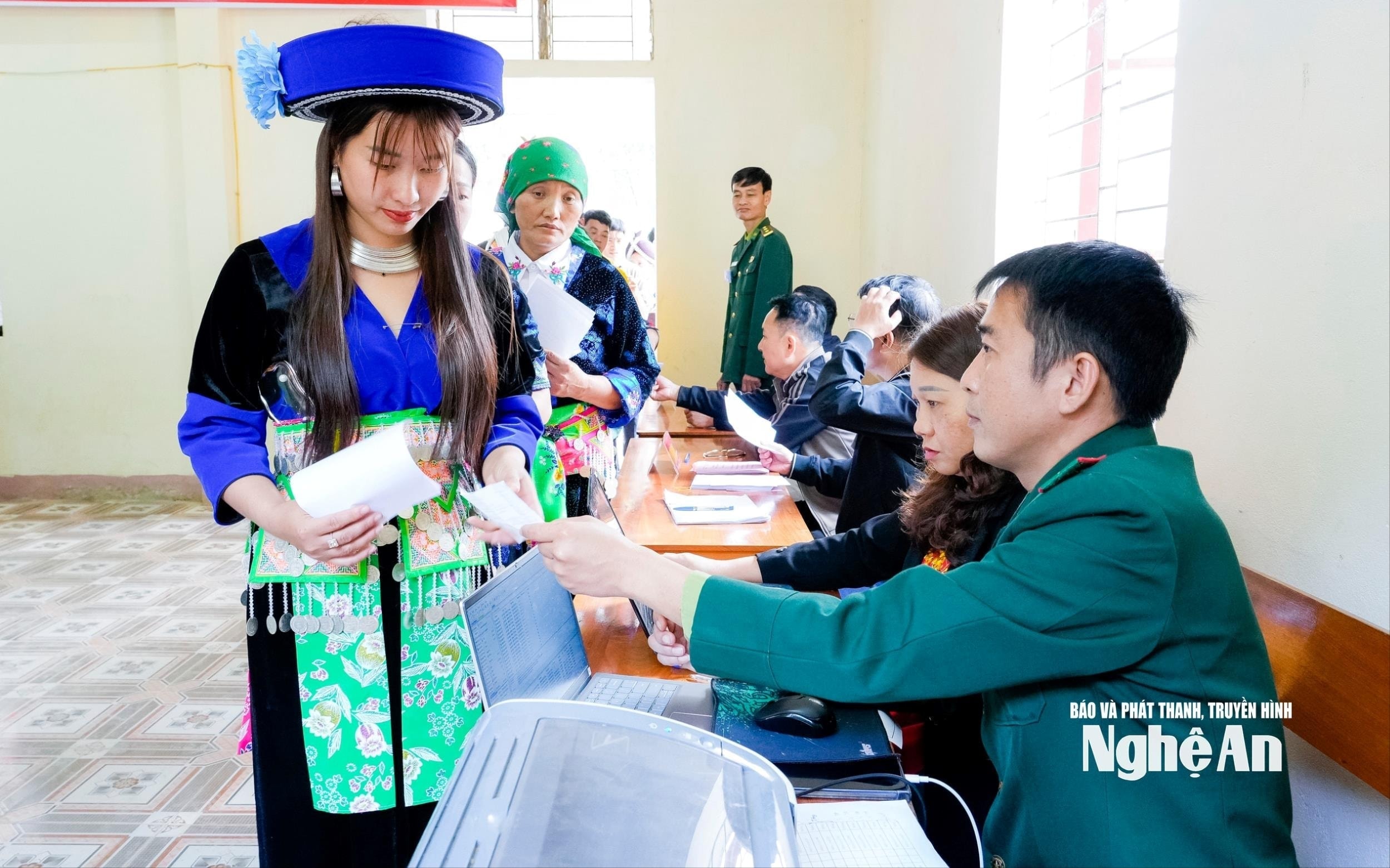
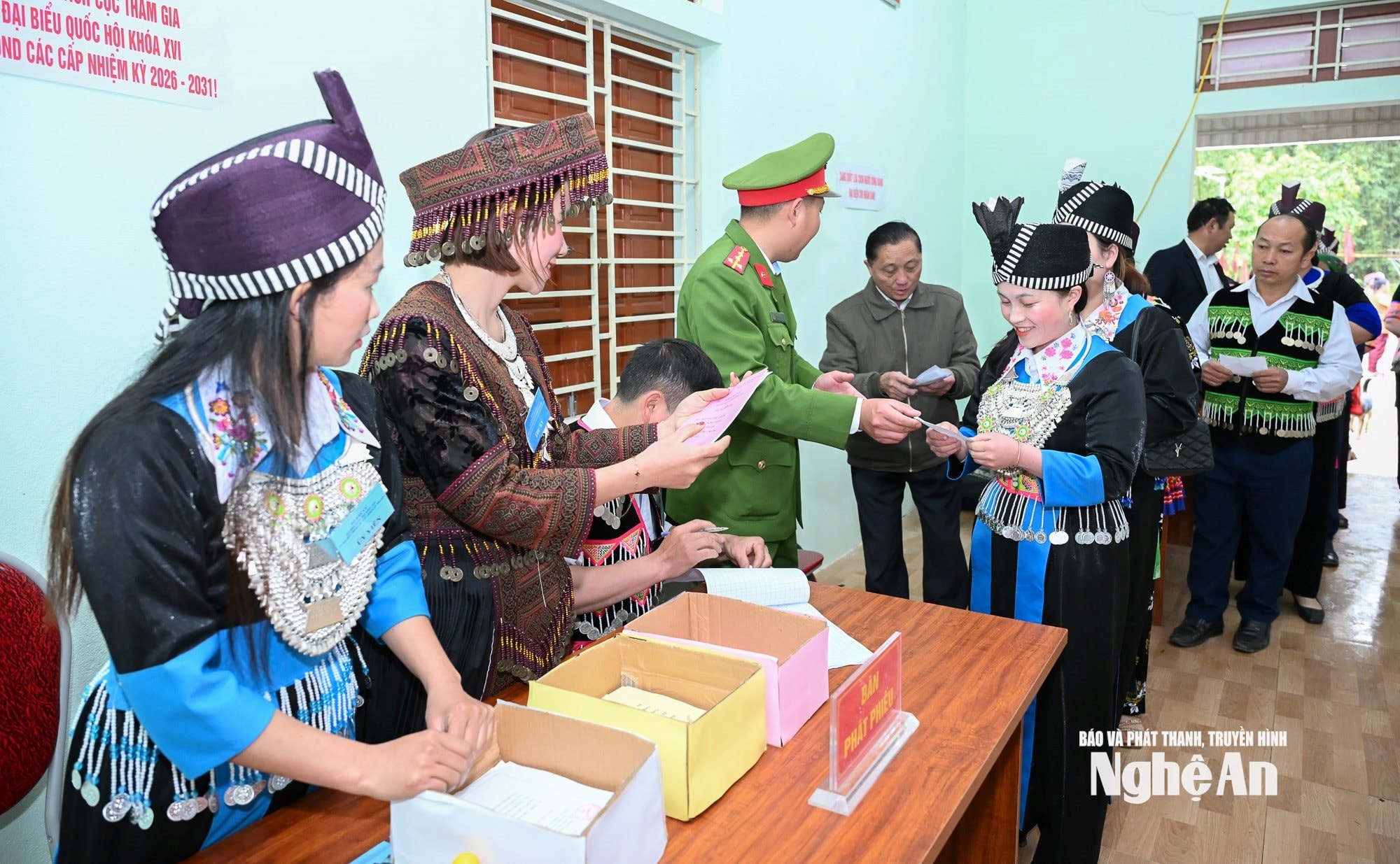
The success of the national election in Nghe An is a vivid testament to the democratic spirit, willpower, and initiative of the entire political system; demonstrating the unity, responsibility, and creative overcoming of difficulties by the people and officials at all levels. The recent election also left many valuable lessons about leadership methods, close guidance, collaboration with the grassroots, scientific preparation, and flexibility and creativity in all situations when combining responsibility, creativity, and the will of the people.
------o0o------
(To be continued)