

Pepper price update today, March 26, 2026: Malaysian black pepper increased by 2.2%.
Today's domestic pepper prices (March 26, 2026) remain unchanged compared to the previous session, averaging 137,900 VND/kg. Malaysian black pepper increased by 2.2% to 9,300 USD/ton.
Today, March 26, 2026, pepper prices in key growing regions nationwide remained unchanged compared to the previous session, averaging 137,900 VND/kg. On the international market, Malaysian black pepper increased by 2.2% to 9,300 USD/ton, while other supplies remained stable. Vietnam's pepper exports from the beginning of the year to mid-March increased by 34.6% in volume.
Domestic pepper prices today, March 26, 2026
The average domestic pepper price on March 26, 2026, was 137,900 VND/kg, unchanged from the previous day. Details of prices in each region are as follows:
| Area | Average price (VND/kg) | Change |
| Dak Lak | 139,000 | 0 |
| Boeing Nong | 139,000 | 0 |
| Ba Ria - Vung Tau | 137,500 | 0 |
| Gia Lai | 137,000 | 0 |
| Binh Phuoc | 137,000 | 0 |
Dak Lak and Dak Nong recorded the highest prices at 139,000 VND/kg. Ba Ria - Vung Tau was at 137,500 VND/kg. Gia Lai and Binh Phuoc had the lowest prices at 137,000 VND/kg. All provinces maintained the same prices as yesterday.
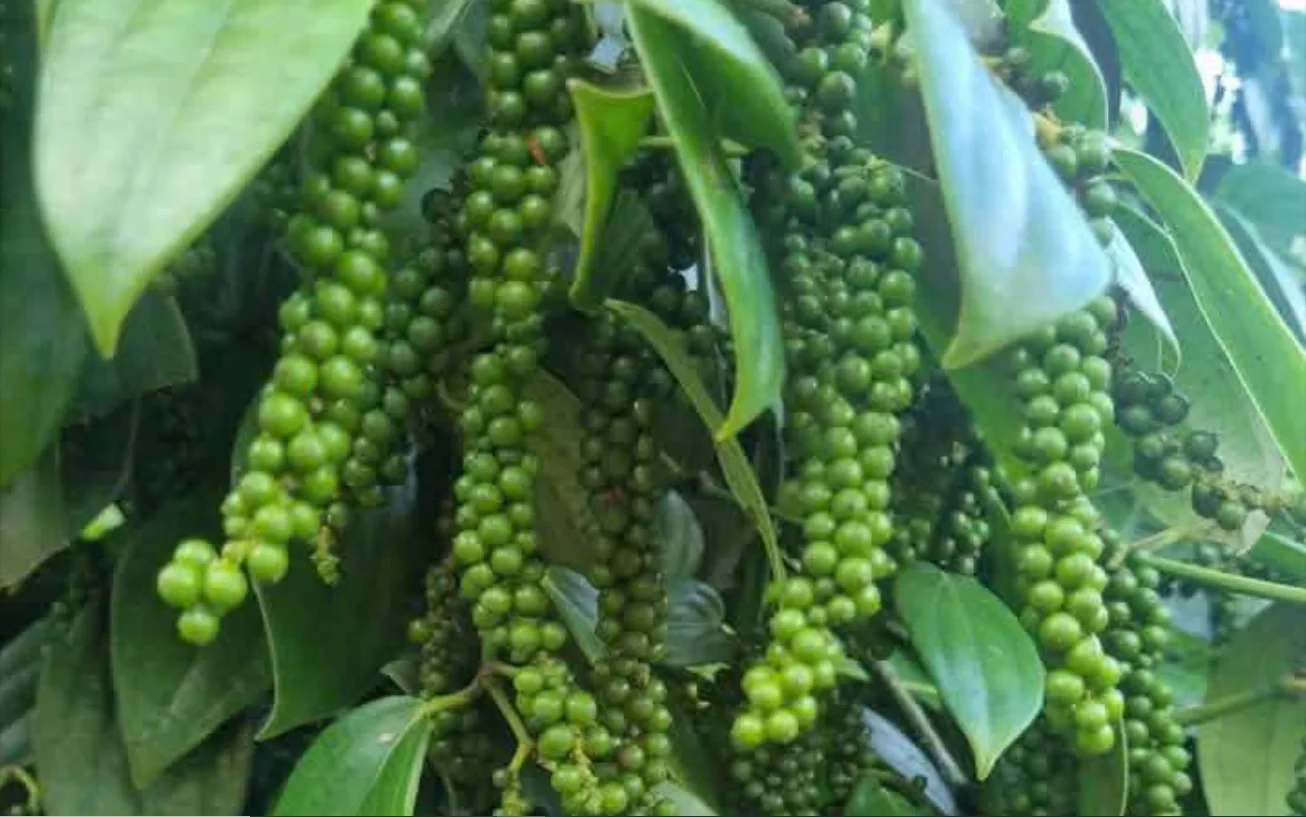
World black pepper prices today, March 26, 2026
According to data from the International Pepper Association (IPC), Malaysian black pepper prices increased by 2.2% (US$200/ton) to US$9,300/ton. In other leading producing countries, pepper prices generally remained stable. Vietnamese black pepper export prices remained in the range of US$6,300 - US$6,400/ton.
| Black pepper | Price as of March 26 (USD/ton) | Change |
| Kuching Black Pepper (Malaysia) ASTA | 9,300 | +2.20% |
| Lampung black pepper (Indonesia) | 6,994 | But |
| Vietnamese black pepper (550 g/l) | 6,400 | But |
| Vietnamese black pepper (500 g/l) | 6,300 | But |
| Brazilian Black Pepper ASTA 570 | 6,050 | But |
World white pepper prices today, March 26, 2026
Malaysian white pepper prices increased by $100/ton to $12,200/ton. Indonesian and Vietnamese white pepper prices remained stable.
| White pepper | Price as of March 26 (USD/ton) | Change |
| Malaysian ASTA White Pepper | 12,200 | +0.83% |
| Indonesian Muntok white pepper | 9,260 | But |
| Vietnamese white pepper | 9,050 | But |
Vietnam's pepper exports are experiencing strong growth.
According to Vneconomy, citing data from the Customs Department, from the beginning of the year to March 15th, Vietnam's total pepper exports reached 48,192 tons, earning 312.23 million USD, an increase of 34.6% in volume and 28% in value.
In the export product structure, black pepper continues to dominate, with export volume five times higher than white pepper. Black pepper remains a key product due to its advantages in production volume and competitive pricing. However, the increasing proportion of white pepper and deeply processed products also reflects a gradual shift towards the high-value segment.
In the first two months of 2026, the US and China continued to be Vietnam's two largest export markets, accounting for 29.9% and 12.8% of total exports, respectively. The US market maintained stable demand, while China showed signs of increasing imports again after a period of stagnation.
A notable point is the strong rise of the Thai market. In the first two months of 2026, pepper exports to Thailand increased by 125% in volume and 104% in value compared to the same period last year. Vietnam currently accounts for 99.63% of Thailand's total pepper imports, almost the sole source of supply in this market. This is due to the rapidly increasing demand for spices in the food and tourism industries, limited domestic production and high costs, and the trend of increasing reserves as global supply shrinks.
From a business perspective, the leading export companies continue to drive the market. Olam Vietnam leads with a production volume of 1,302 tons, followed by Phuc Sinh (1,226 tons) and Simexco Dak Lak (758 tons). These large enterprises stand out not only in their export scale but also in their deep processing capabilities, stable international customer base, and ability to capitalize on market opportunities.
The growth of Vietnam's pepper industry is taking place against a backdrop of supportive factors in the global market. Forecasts indicate that in 2026, global pepper supply may decrease by 15-20% due to declining inventories in major producing countries and a clear recovery in consumer demand, particularly from the processed food industry.