

England draw 1-1 with Uruguay: The tragedy of Ben White and the experimental dilemma of Thomas Tuchel.
Ben White became the villain in injury time, causing England to draw 1-1 with Uruguay at Wembley, exposing the flaws in manager Thomas Tuchel's experimental squad.
The 1-1 draw against Uruguay at Wembley Stadium was not just a typical friendly result, but also a valuable lesson for coach Thomas Tuchel in shaping a new England team. Despite superior ball control, England had to settle for a draw due to individual errors, a lack of cohesion in their experimental style of play, and the tenacious spirit of their South American opponents.
The tragedy of Ben White: From hero to villain
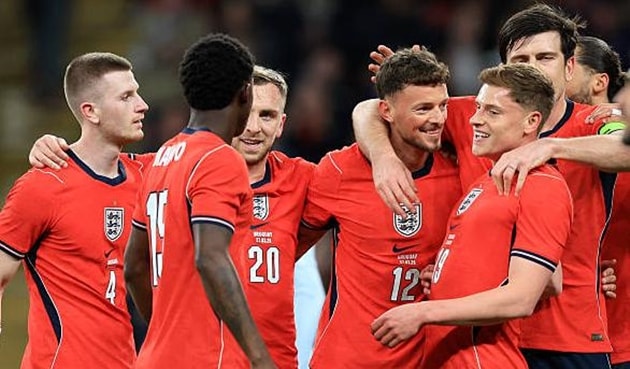
The focus of attention in this match was on Ben White's dramatic return. The Arsenal defender spent the final 20 minutes perfectly illustrating England's vulnerability in crucial moments. Introduced to the pitch amidst boos from some of the home crowd, Ben White seemed to have silenced his critics with a dramatic opening goal in the 81st minute.
However, football always has its cruel twists of fate. It was either excessive excitement or immense psychological pressure that led him to make a basic mistake in injury time. His high tackle on Federico Viñas inside the penalty area, after VAR intervention, directly resulted in a penalty for the visitors. Ben White's error demonstrates that England still cannot maintain composure under high pressure, even when they have victory within reach.
The deadlock of the experimental lineup.
The underlying reason for England's inability to finish the game lay in the lack of cohesion in a completely new lineup. Thomas Tuchel had overhauled the team with many new starts, such as James Trafford, James Garner, and the return of Dominic Solanke after an eight-year absence. Statistics show that, despite having more possession, the Three Lions' expected goals (xG) in the first half only reached 0.45.
The connection between the lines appeared disjointed, especially after key players like Noni Madueke and Phil Foden had to leave the field early due to injury. England's attacking situations relied mainly on the individual efforts of Marcus Rashford or Cole Palmer rather than well-structured plays. When the tempo of the game was constantly disrupted by a series of substitutions in the 69th minute, the already meager stability disappeared further, creating openings for Uruguay's sharp counter-attacks.
The Bielsa-ball signature pressing trap.
Under Marcelo Bielsa, Uruguay proved why they are one of the most formidable teams in South America today. With their intense high-pressing style of play, La Celeste effectively neutralized England's midfielders from their own half, making it difficult for the white-shirted team to build up play.

Furthermore, Uruguay's ruthless pragmatism, coupled with 10 systemic errors and the extremely rough tackles from Ronald Araujo and Manuel Ugarte, intimidated the home team's stars. Uruguay successfully turned the match into a physical and mental ordeal, forcing England to adopt a physical style of play instead of showcasing their technical skills. The 1-1 draw was a well-deserved reward for the South American team's tenacity and a stern warning to Thomas Tuchel about the need for a more pragmatic Plan B against opponents who play aggressively.