

Warning about a dangerous scam targeting social media users.
A new scam using artificial intelligence (AI) to create fake images and voices is spreading, making any social media user a potential victim.
According to a warning from the US Federal Bureau of Investigation (FBI), cybercriminals are increasingly using AI technology to carry out a new form of fraud called "virtual kidnapping."
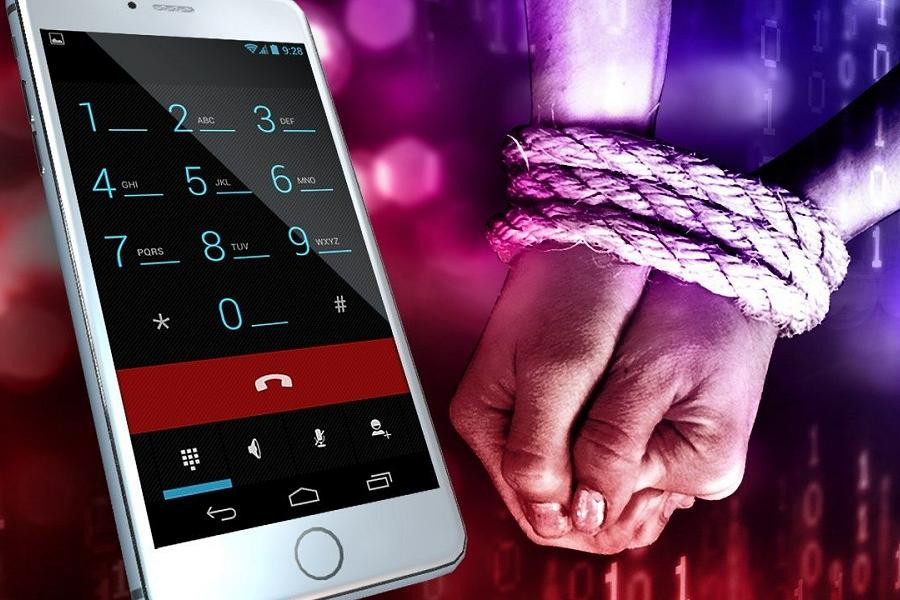
The scenario is usually very similar: the victim suddenly receives an email, text message, or phone call informing them that their loved one has been kidnapped. This is accompanied by images of the person tied up or being held captive, and sometimes even a recorded plea for help in a voice identical to that of their loved one.
In a state of panic, many people easily believe this is real and quickly comply with the request to transfer money to "ransom" the person.
AI and deepfakes are making things dangerously believable.
The frightening aspect of this scam lies in its deepfake technology, which uses AI to create fake images, videos, and voices that look incredibly realistic.
With just a few photos or videos publicly shared on social media, malicious actors can:
- Recreate the face of your loved one in a situation where they are being held captive.
- Simulates a distress call with high accuracy.
- Completely fabricate "evidence" to make the victim believe it's real.
In some cases, this fake content is even sophisticated enough to mislead experienced users.
More dangerously, criminals don't necessarily need to carry out a real kidnapping. They just need to create a sense of urgency to force victims to transfer money immediately.
Signs to recognize "virtual kidnapping" scams
People need to be especially vigilant if they encounter the following situations:
- Receive notifications about a loved one in trouble, accompanied by images, videos, or audio, but are unable to verify the information immediately.
- The content is threatening, demands confidentiality, and requires urgent money transfer.
- Requests for payment through unusual methods (cryptocurrency, unfamiliar accounts, international intermediaries).
- The information provided is vague and fails to answer specific personal questions.
What can I do to avoid becoming a victim of this scam?
In situations of doubt, the most important thing is to remain calm and verify the information.
1. Stay calm and cross-check the information.
Call your relatives directly using a familiar phone number. If you can't reach them, call another family member.
2. Ask verification questions.
If someone claims to be a "kidnapper," ask for private information that only your family members know; this can help detect anything unusual.

3. Report to the authorities immediately.
Contact your local police for assistance in verification. Authorities have the expertise and technology to identify signs of fraud.
4. Never transfer money hastily.
All requests for urgent money transfers should be thoroughly verified. This is a common sign of scams.
5. Preserve evidence.
If you receive images, videos, or audio recordings, save them for analysis. Deepfakes often still have minor flaws if you look closely.
Protecting personal data – the most important "shield".
One of the reasons criminals can easily create deepfakes is because users share so much personal information on social media.
To reduce risk, users should:
- Limit the public sharing of personal photos and videos.
- Set privacy settings for your social media accounts.
- Do not share sensitive information such as addresses, schedules, or phone numbers.
- Exercise caution when using AI applications and platforms from unknown sources.
The development of AI brings many benefits, but it also opens the door to more sophisticated forms of fraud. "Virtual kidnapping" using deepfakes is a clear warning that anyone can be a target. Equipping yourself with knowledge, staying calm, and always verifying information are the best ways to protect yourself and your family in the digital age.