

48-Hour Rescue of American Pilot: A Costly Operation Deep Inside Iranian Territory
The downing of an F-15E fighter jet triggered one of the most complex and costly military search and rescue operations ever undertaken by the United States in the Middle East. Hundreds of special forces soldiers were deployed, intelligence operations were launched to create diversions, and the price paid was the destruction of massive transport aircraft by American forces.
The downing of an F-15E fighter jet triggered one of the most complex and costly military search and rescue operations ever undertaken by the United States in the Middle East. Hundreds of special forces soldiers were deployed, intelligence operations involving deception were activated, and the price paid was the destruction of massive transport aircraft by American hands...
INCIDENT ON THE ZAGROS RANGE
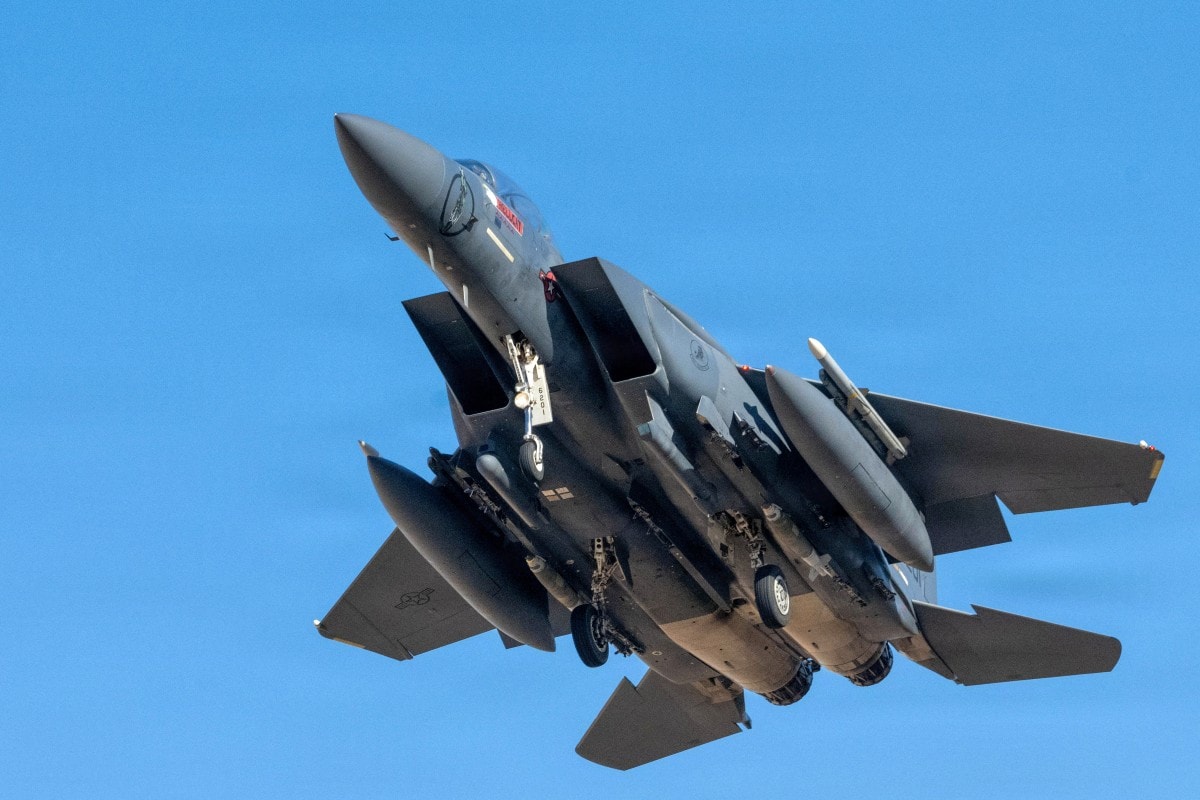
The events began last Friday, April 3, 2026. During an airstrike targeting Iranian territory, a US Air Force F-15E Strike Eagle heavy fighter jet was hit. The two crew members were forced to eject, crashing into the rugged mountainous region of Kohgiluyeh and Boyer-Ahmad provinces in southwestern Iran.
According to AFP, while the main pilot was recovered by US forces later that day, the weapons systems officer (WSO) crashed in a remote area, beginning a tense 48-hour period of hiding.
The officer landed with multiple injuries, carrying standard survival gear: a GPS-encoded radio continuously transmitting location information, water, basic first-aid supplies, and a pistol.
Recognizing the value of capturing an American officer amidst escalating conflict, Iranian officials immediately mobilized security forces and local militia groups to deploy a large-scale search network.
DECEITFUL OPERATION AT AN ALTITUDE OF 2,100 METERS
The officer was hiding in a ravine, and could only be tracked through CIA intelligence capabilities.
Sources from US officials revealed this to Axios.
The search race continued throughout the weekend. Sources say that, amidst the steep, rocky terrain, the American officer was forced to move along a mountainside at an altitude of over 2,100 meters in order to evade Iranian patrols.
Above the airspace, a network of American satellites and reconnaissance aircraft continuously tracked the target. To protect the pilot from ground-based surveillance, the Central Intelligence Agency (CIA) launched an information warfare operation.
Specifically, through false signals and jamming information, this diversionary operation aimed to mislead Iranian authorities, creating the impression that the pilot had been found and extracted from the area. This delay allowed the Pentagon to plan a large-scale raid.
ATTACK AND RETREAT
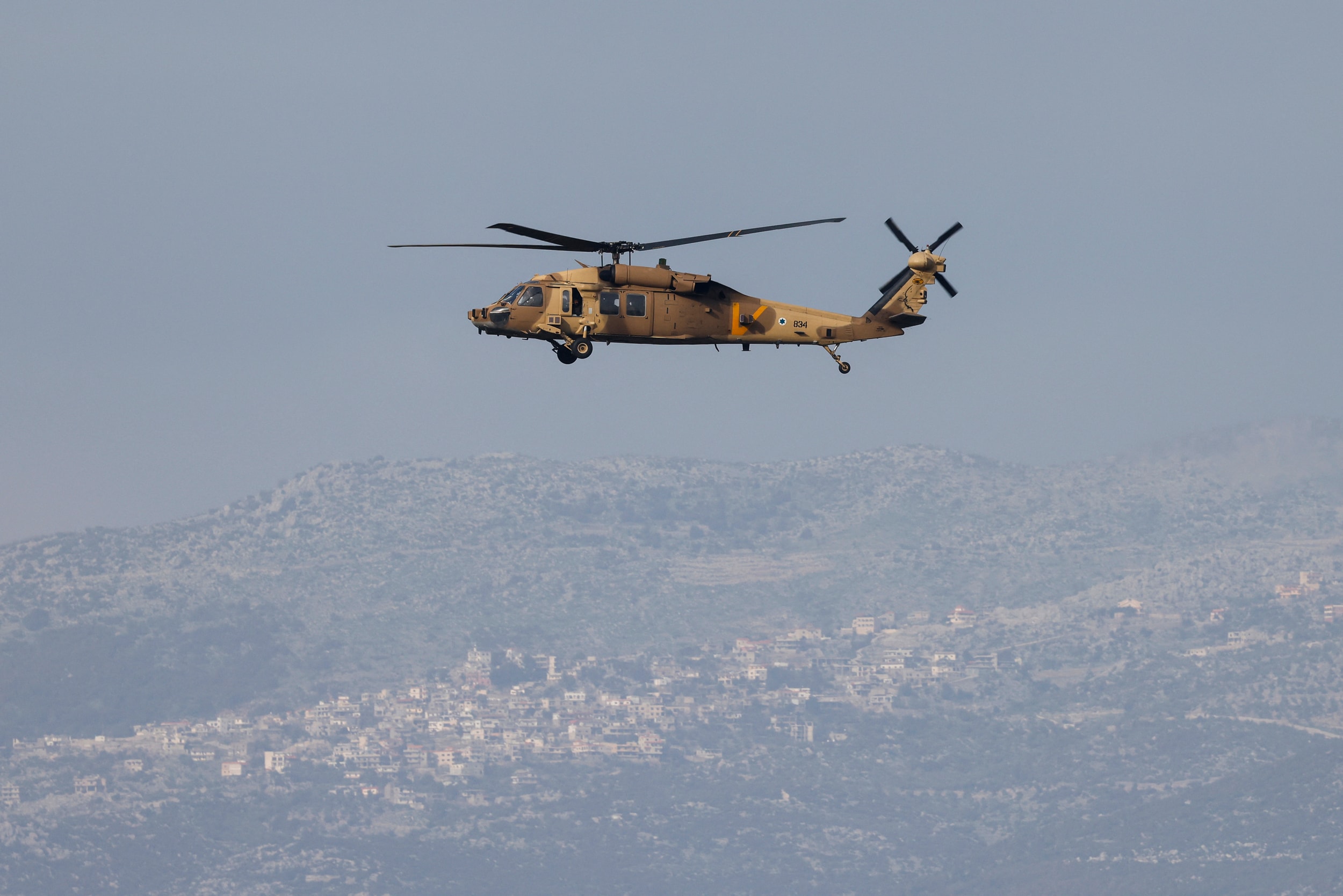
Yesterday (April 5), the extraction operation was launched. According to a statement by US President Donald Trump, Washington mobilized "dozens of aircraft" along with hundreds of special forces soldiers, including the participation of the Navy's 6th Task Force, under the cover of attack aircraft formations.
The special forces approached the target while Iranian security forces were also advancing into the area. Intense fighting broke out between the two sides. The US forces were forced to use suppressive fire to halt the enemy's advance and establish a safe corridor to get the officer to the helicopter.
The operation concluded with the pilot being safely ejected. However, President Trump later corrected the initial information, confirming that the officer was critically injured.
DAMAGE TO EQUIPMENT AND THE RISK OF ESCALATING INCIDENTS
Bringing the pilot back did not mean the operation was entirely smooth. The cost in military equipment reflected the ferocity of this operation.
On the Iranian side, General Ebrahim Zolfaghari, the military spokesman, declared that the country's armed forces had "completely thwarted" the US effort.
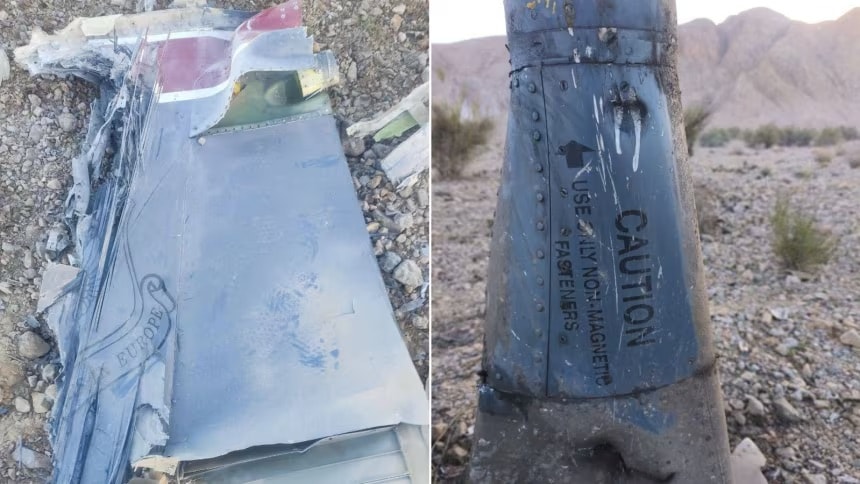
Accordingly, US special forces used an abandoned airfield in Isfahan province as a transit landing site. Iran claims to have destroyed four US aircraft, including two C-130 transport planes and two Black Hawk helicopters, there, and reported five fatalities in the conflict zone.
Iranian state media has been continuously broadcasting images of the charred remains of engines and propellers scattered across the desert.
On the US side, anonymous sources revealed to the Wall Street Journal that two C-130 transport planes were stranded at the base due to an incident. To prevent military technology from falling into enemy hands, US forces had to bomb and destroy their own aircraft before withdrawing.
Earlier on April 3rd, a US A-10 attack aircraft pilot was also shot down but fortunately escaped to Kuwaiti territory.
More than a month after the conflict erupted, the events in Isfahan are reminiscent of the military risks of Operation Eagle Claw in 1980. The charred wreckage in the desert is clear evidence of the ferocity of the war. Coupled with the US President's 48-hour ultimatum, this deep penetration into Iranian territory is pushing the Middle East into a volatile and unpredictable full-scale conflict.
Hoang Bach