
Analysis of the sixth-generation F-47 super fighter: A breakthrough in future air warfare.
The F-47 super fighter, part of the NGAD program, possesses AI-powered UAV swarm control capabilities, double the range of the F-35, and groundbreaking broadband stealth technology.
The F-47 is the flagship sixth-generation fighter jet in the U.S. Next Generation Air Domination (NGAD) program, designed to usher in a new era in air warfare. The biggest highlight of this platform is its ability to integrate artificial intelligence (AI) to coordinate a record number of unmanned aerial vehicles (UAVs) directly from the cockpit, giving pilots absolute superiority in any future conflict scenario.
The ability to command swarms of UAVs using artificial intelligence.
In combat scenarios, the F-47 serves as the central tactical command center. This manned platform maintains a position at a safe distance, while unmanned Joint Combat Aircraft (CCA) squadrons advance to suppress air defenses or conduct wide-area reconnaissance. The aircraft's integrated computer system is capable of rapidly and securely collecting and analyzing data from protocol conflict sensors.
By penetrating and disrupting the enemy's OODA (Observation - Orientation - Decision - Action) decision-making cycle, the F-47 can detect and destroy targets before the opponent can react. AI algorithms process data in real time at the tactical edge, allowing a single pilot to coordinate the flight paths and weapon payloads of a multitude of UAVs from within the cockpit.
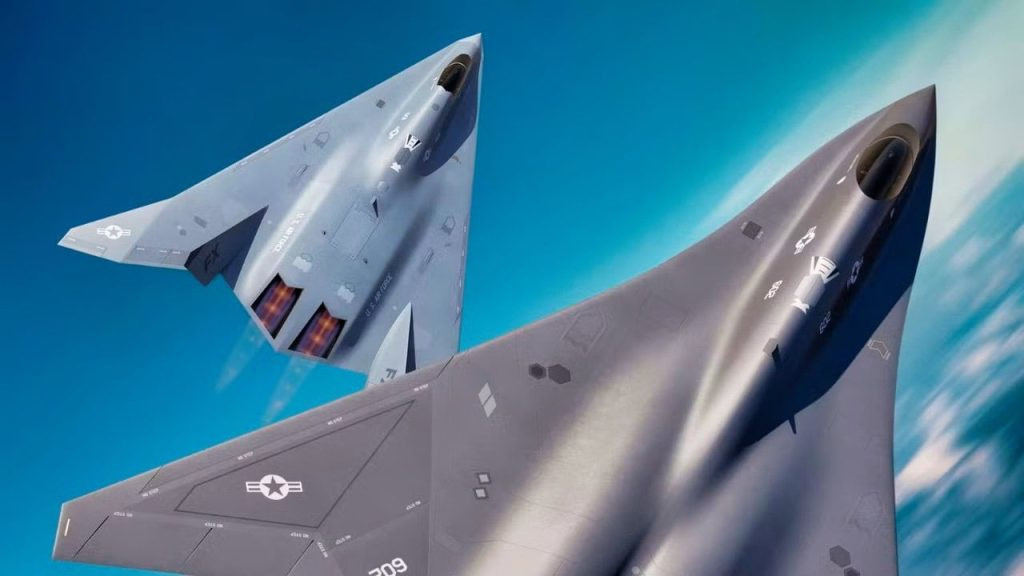
Broadband stealth design and aerodynamic structure
The designers achieved a balance between wide-range stealth capabilities and extremely high speed. The F-47 features a monolithic wing structure with smooth surfaces, eliminating the vertical structures commonly found on traditional fighters. The absence of sharp edges minimizes the radar cross-section (RCS), making it very difficult for ground-based air defense systems to determine its flight path.
Its stealth capabilities are further enhanced by special coatings and radar-absorbing composite materials. The US Air Force's goal is to make this war machine a small and harmless target on enemy radar screens, similar to the design philosophy of the B-2 strategic bomber.
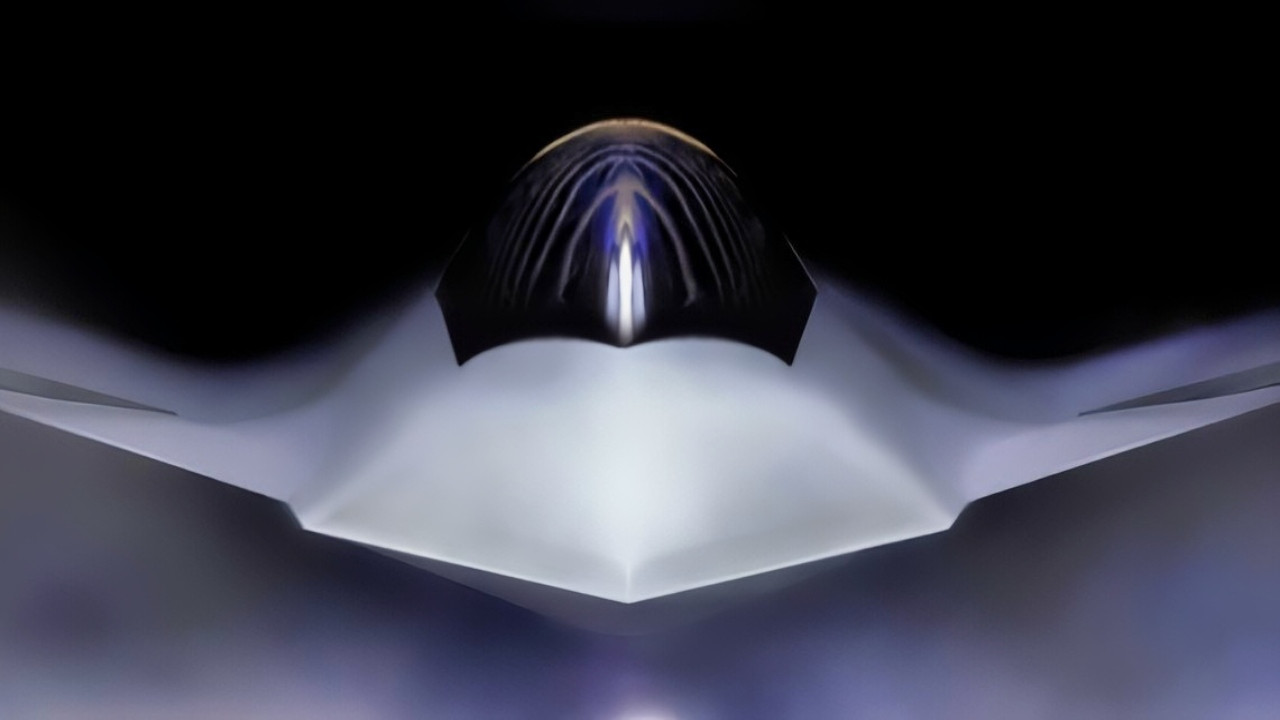
Outstanding operational performance in the Pacific theater.
In terms of technical specifications, the F-47 is said to be capable of reaching Mach 2 speeds and having twice the range of current fighter jets such as the F-35 or F-22. This is a crucial factor in geographically vast areas like the Pacific. While the F-35C often relies on refueling aircraft, the F-47 can operate independently and maintain significantly longer combat readiness over contested airspace.
Advanced temperature sensing and management technology
The F-47 leads the way in thermal management technology with its engines positioned deep within the fuselage, combined with exhaust gas control systems and infrared (IR) suppression devices. The goal is to maintain the aircraft's surface temperature close to ambient temperature, rendering enemy thermal sensors ineffective.
Furthermore, the introduction of new-generation AESA radar and a high-resolution, long-range target designation system allows the F-47 to destroy adversaries from extremely long distances. With its precision weaponry and absolute anti-jamming capabilities, this super fighter promises to maintain its dominance of the skies for decades to come.
Thanh Vinh