

Trump accused Iran of violating the ceasefire.
US President Donald Trump has accused Iran of "doing a terrible job" in clearing the flow of oil through the Strait of Hormuz, while also warning Tehran about rumors of charging fees to ships. These harsh statements directly threaten the two-week ceasefire recently established in the volatile Middle East.
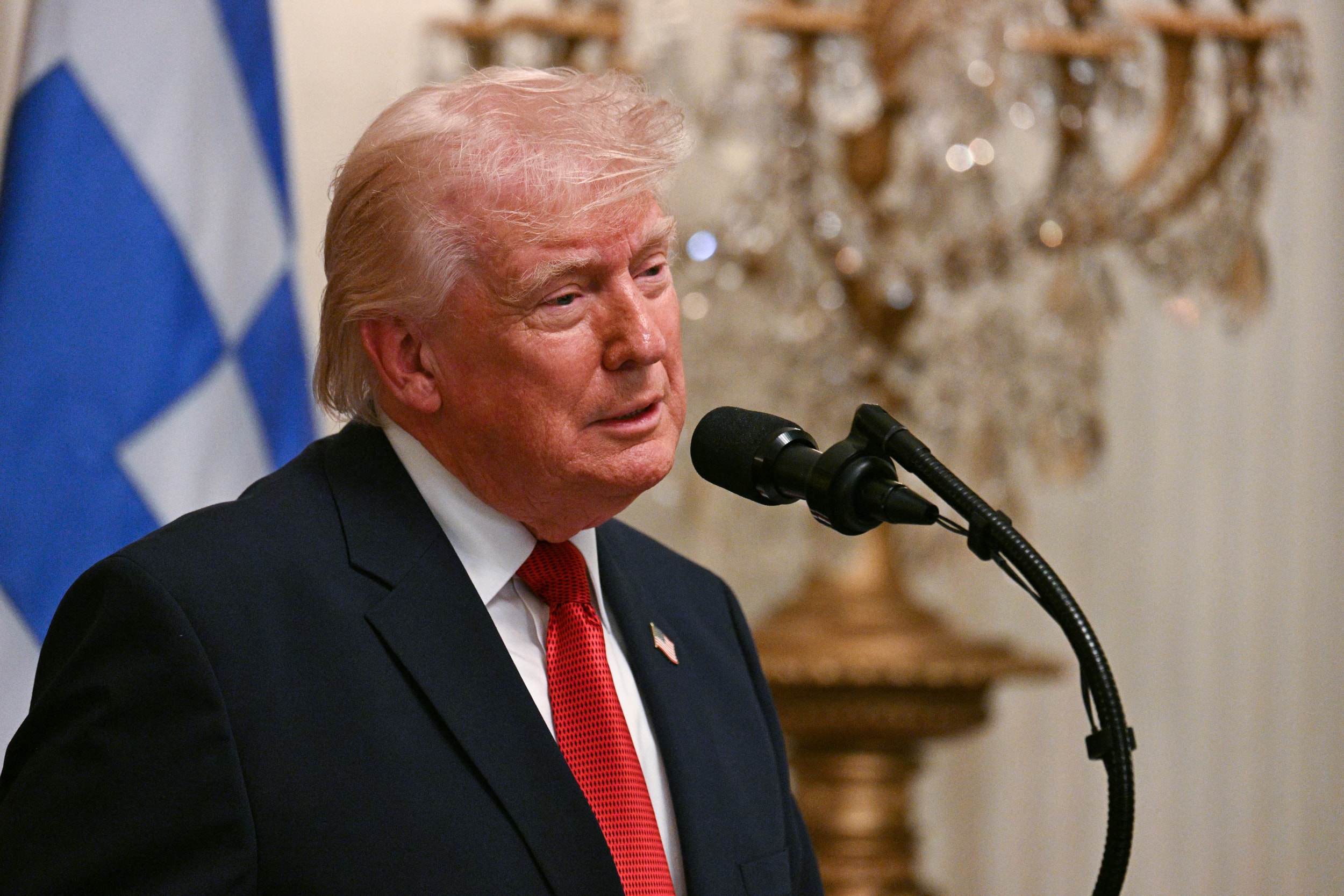
According to an AFP news report on the morning of April 10, the White House occupant posted a series of tweets on the Truth Social platform, expressing deep displeasure at Tehran's actions in the vital waterway connecting the Persian Gulf and the Indian Ocean.
"Iran is doing a terrible, even shameful, job allowing oil to pass through the Strait of Hormuz," Trump wrote on social media. "That's not the deal we agreed on!"
Previously, both Washington and Tehran had announced that the 167-kilometer-long strait would be reopened after the ceasefire took effect on April 7. However, maritime tracking data shows that in reality, only a mere 10 vessels have managed to pass through the area since the fighting temporarily ceased.
Tensions continued to escalate amid reports that Iran was planning to impose a fee on ships passing through the strait. Although President Trump had previously floated similar ideas, even suggesting a joint fee with Tehran, his current stance was extremely firm.
"There are reports that Iran is charging fees to oil tankers passing through the Strait of Hormuz - they'd better not do that, and if they are, they must stop immediately!" the US President wrote.
In another post responding to media criticism about the fragility of the ceasefire, Trump asserted: "You'll soon see oil flowing again, with or without Iran's help."
Despite launching a series of online threats, the American leader's tone was somewhat softer and more optimistic when responding to mainstream media.
In an earlier phone interview with NBC News, Trump expressed "great optimism" about a comprehensive peace deal with Iran following the ceasefire. He revealed that Iranian leaders were "much more reasonable" in closed-door discussions, but also cautioned: "If they don't reach an agreement, the price will be very high."
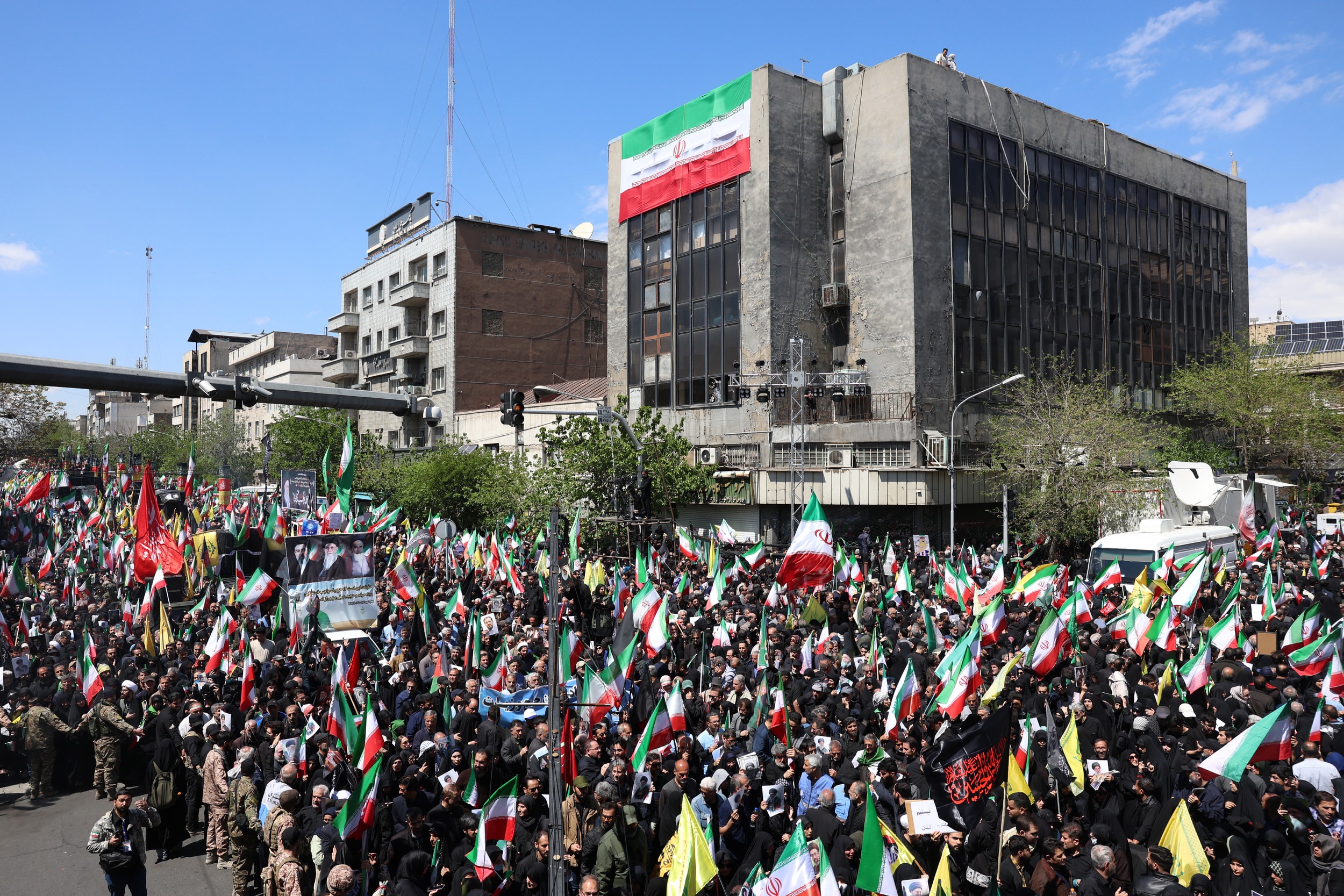
To realize this agreement, a high-level US delegation is rapidly setting off. Vice President JD Vance is expected to hold direct talks with Iranian representatives in Pakistan on April 11th. He will be accompanied by Special Envoy Steve Witkoff and the President's son-in-law, Jared Kushner. White House Deputy Press Secretary Anna Kelly also issued a statement affirming President Trump's belief in lasting peace in the Middle East.
On another front, Trump said Israeli Prime Minister Benjamin Netanyahu had agreed to "de-escalate" military operations in Lebanon following devastating airstrikes. On April 8th, less than 48 hours after the ceasefire went into effect, Israel's most intense airstrikes since Hezbollah joined the conflict in early March killed hundreds and shook the foundations of a fragile peace agreement. Nevertheless, a US State Department official confirmed that representatives from Israel and Lebanon would travel to Washington for talks next week, offering a glimmer of hope for restoring stability to the region.