

The US has run out of new-generation PrSM missiles after its first combat deployment in the Middle East.
The depletion of the entire stockpile of Precision Strike Missiles (PrSM) in the early stages of the conflict in Iran is posing a major logistical and production challenge for the U.S. military.
The U.S. Army is currently facing a complete depletion of its next-generation Precision Strike Missile (PrSM) stockpile after its first-ever combat deployment in the Iranian region. This strategic guided weapon system plays a crucial role in Washington's long-range strike capabilities.
The strengths and weaknesses of ATACMS' successor.
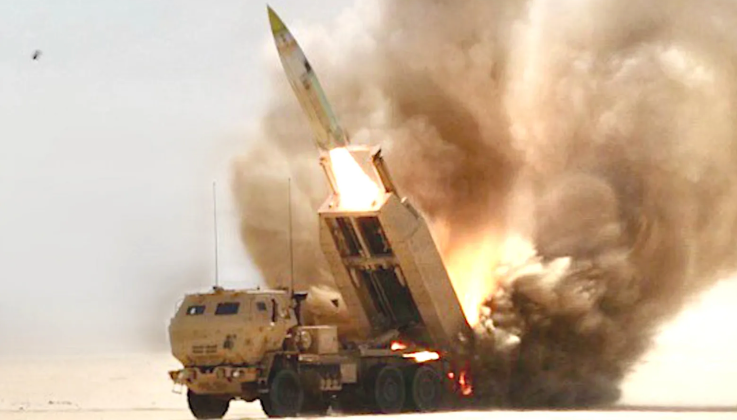
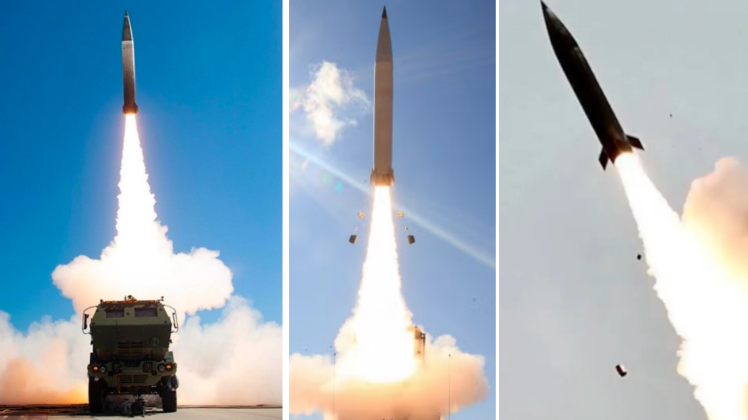
The PrSM missile is designed to replace the legendary ATACMS, directly integrated onto the highly mobile HIMARS multiple rocket launcher platform. Compared to its predecessor, the PrSM boasts superior technical specifications: an extended range of over 500 km (compared to 300 km for ATACMS) and a more compact size. This feature allows each HIMARS launcher to carry two missiles instead of one, doubling the firepower of the same combat unit.
In the Persian Gulf theater, U.S. Army units used PrSMs to strike strategic targets deep within Iranian territory. However, the high intensity of use led to a rapid depletion of reserves. Jimmy Arter, head of the Transformation Division at the Center for Excellence in Fire Support (U.S. Army), confirmed that the entire PrSM arsenal was used up in the early stages of the conflict.
Production pressure and economic burden
The shortage is not limited to PrSM missiles but extends to many other types of high-tech ammunition. Data shows that in the first four weeks of the conflict, the US Navy fired nearly 1,000 Tomahawk cruise missiles. Meanwhile, production capacity for this weapon is projected to reach only about 150 missiles per year by the end of this decade. This means it could take the US many years to replenish the ammunition it has consumed.
In addition, specialized weapons such as the GBU-57 Massive Ordnance Penetrator are reportedly almost completely depleted in storage. With a price tag of over $370 million per bomb and a production line long since shut down, replenishing the stockpile is becoming a difficult economic and technical challenge for the Pentagon.
Consequences for global defense strategy
Analysis from experts indicates the scale of the campaign was enormous. In the first 10 days, the US attacked more than 6,000 targets in Iran, primarily using beyond-visual-range guided weapons (BVR). Simultaneously, Washington also consumed more than 2,000 interceptor missiles for the THAAD, Patriot, and AEGIS systems to counter retaliatory strikes.
The concentration of resources on the Middle East conflict has forced the U.S. to withdraw interceptor units from numerous bases globally, raising concerns about its ability to maintain deterrence in other key regions such as the Pacific. The depletion of high-tech ammunition is a top priority for the U.S. Department of Defense in its efforts to ensure long-term multi-battle capability.