

Warning about Apple Pay payment scams: New tactics exploit user trust.
Despite its high security rating, Apple Pay is being exploited by cybercriminals to carry out sophisticated scams, causing many people to lose money in just a few minutes of inattention.
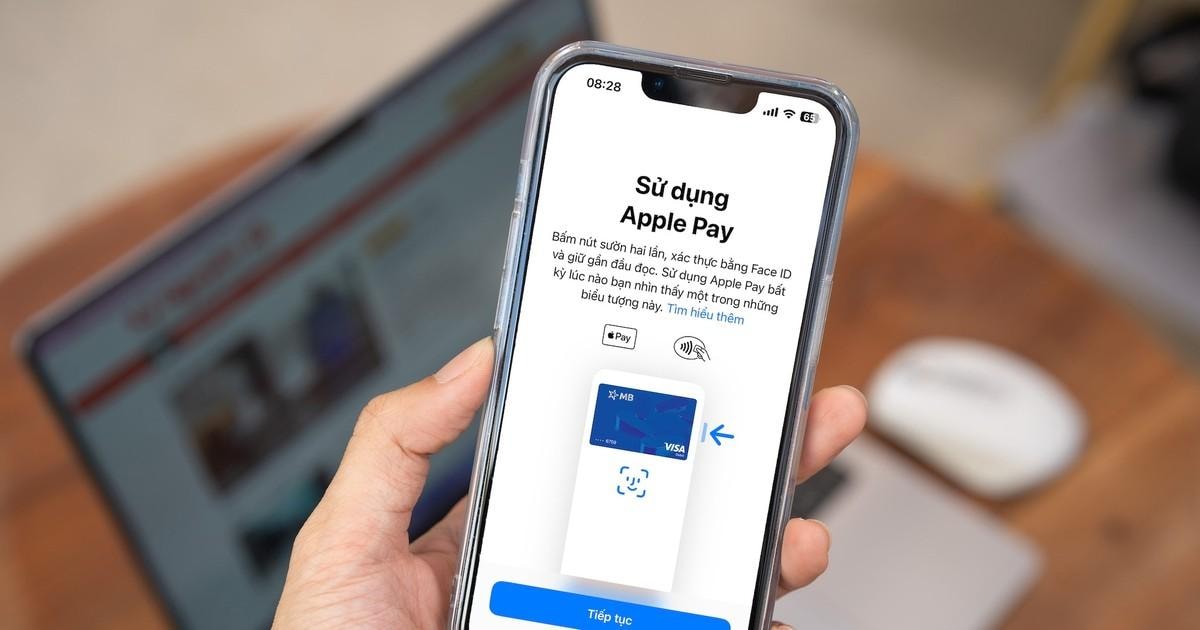
Apple Pay is a digital wallet service developed by Apple, allowing users to make cashless payments quickly and securely using their iPhone, Apple Watch, iPad, or Mac.
Instead of using cash or physical cards, Apple Pay allows users to tap-to-pay in stores using near-field communication (NFC) technology or pay online on the website or app.

Apple Pay is said to minimize the risk of leaking bank card information and customer personal data, and offers convenience to users who only need to carry their phone and perform extremely simple steps when making purchases.
Exploiting Apple's reputation to set traps and deceive users.
According to a warning from the consumer protection organization Consumer Affairs (USA), scammers are increasingly targeting Apple Pay users. The danger lies in the fact that they exploit users' existing trust in the Apple ecosystem to create a facade of "legitimate" ownership.
The scenario typically begins with a very convincing SMS or email message. Scammers may impersonate banks, government agencies, or even Apple to inform you that your account is experiencing problems such as being locked, having unusual transactions, or being under investigation.
The goal is to create a sense of panic and urgency, forcing users to act immediately without verification.
The scam tactics are familiar but becoming increasingly sophisticated.
After gaining trust, the scammer will guide the victim through steps to "protect their account." However, this is actually a trap designed to steal money.
Some common tactics include:
- They request that funds be transferred via Apple Pay to a "secure" account designated by them.
- They trick victims into buying gift cards and then provide the codes.
- Providing fake phone numbers or malicious links to steal information.
In many cases, the amount of money scammed can reach tens of thousands of USD. Notably, one victim nearly lost $15,000 if the scam hadn't been discovered in time by bank staff.
Why do so many people still fall into this trap?
Not everyone can easily recognize this as a scam. When they receive a notification that their account is at risk, anxiety causes many people to lose their composure.
Additionally, perpetrators often create time pressure with phrases like "resolve the issue within 5 minutes" or "your account will be permanently banned," causing victims to act hastily.
It is the combination of psychological factors and technology that allows these tactics to continue to be effective.
How to protect yourself from scams
To avoid becoming a victim, users need to remember the following important principles:
Never give your password or OTP code to anyone.
- Do not transfer money at the request of unknown individuals via text messages or phone calls.
- Do not click on links or call phone numbers in suspicious messages.
- Do not purchase gift cards to “resolve account issues”.
If you need to verify information, please proactively contact the bank or Apple through their official channels.
If you suspect you have been scammed, you should immediately notify the bank to freeze the transaction and report it to the authorities.
The convenience of digital payments like Apple Pay is coming with new risks from cybercrime. In the context of increasingly sophisticated scams, staying vigilant and adhering to basic security principles is the most important "shield" to protect one's assets.