

Iran's nuclear program: A diplomatic challenge amidst the ruins of trust.
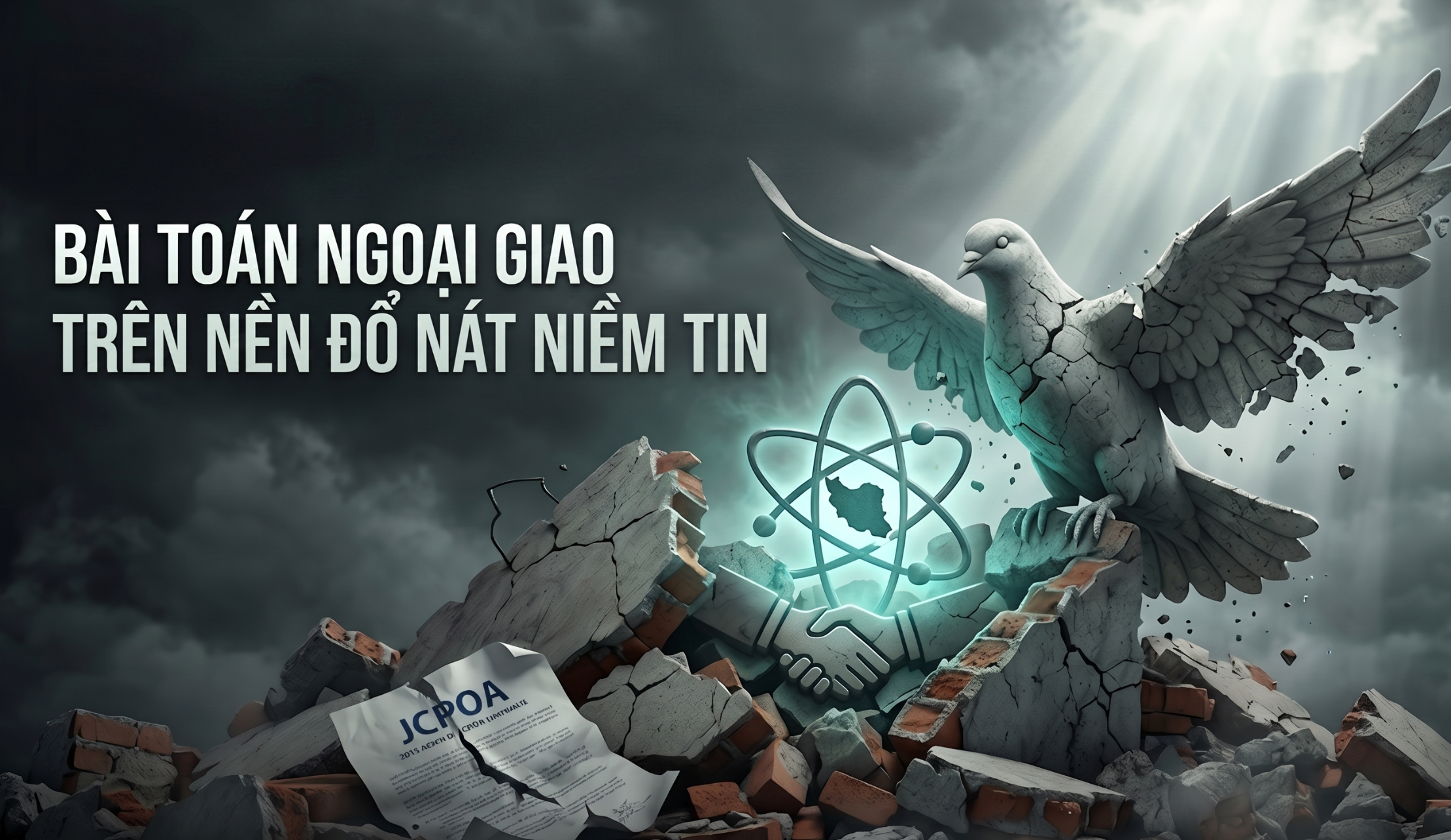
The gunfire between the US, Israel, and Iran has temporarily subsided with a ceasefire, paving the way for arduous diplomatic efforts. As negotiations begin to restart in Islamabad, the biggest question on observers' minds is: Can the administration of US President Donald Trump achieve a nuclear deal that is "better" than the legacy of his predecessor Barack Obama's 2015 Joint Comprehensive Plan of Action (JCPOA)?
From a historic agreement to a diplomatic setback.
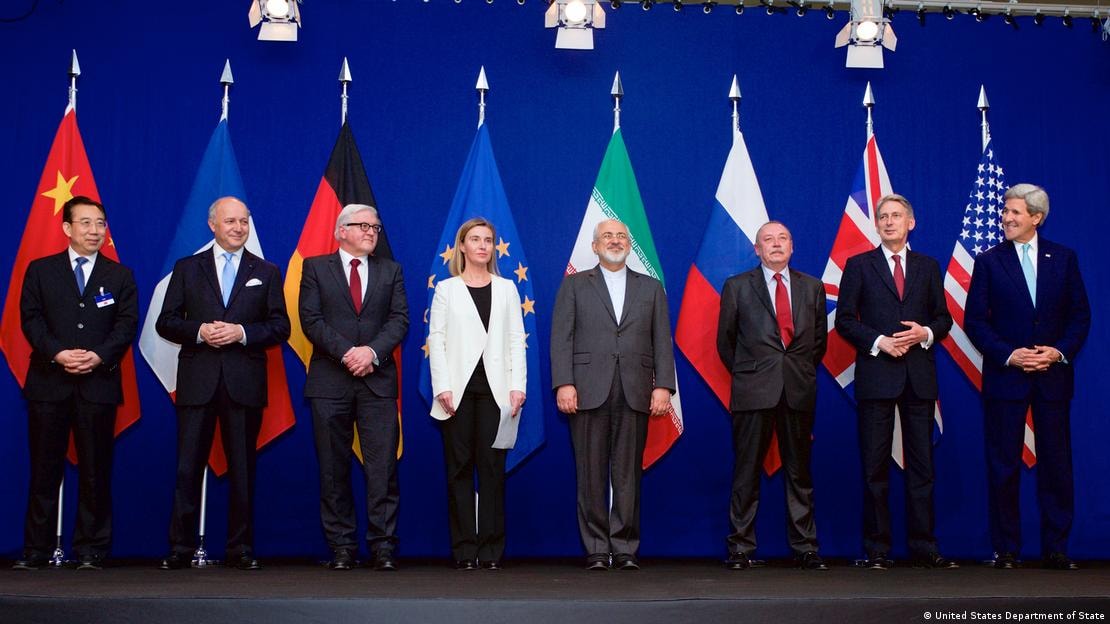
More than a decade ago, the JCPOA was considered a milestone in multilateral diplomacy. By agreeing to limits on its nuclear program, extending the "breakthrough time"—the time needed to produce enough fissile material for a nuclear weapon—from several months to about a year, Iran exchanged it for the lifting of stringent economic sanctions. A highlight of this agreement was the unprecedented transparency of oversight by the International Atomic Energy Agency (IAEA).
However, the JCPOA was not perfect. Its failure to cover Tehran's ballistic missile program and military activities in the region became the pretext for President Donald Trump, during his first term, to unilaterally withdraw the US from the agreement in 2018. The "maximum pressure" policy was expected to force Iran to yield and sign a stricter treaty.
However, reality has proven otherwise. The US breaking its commitment not only failed to deter Iran but also provided Tehran with a pretext to narrow cooperation with the IAEA, accelerate uranium enrichment, and reduce the "breakthrough time" to just weeks, or even days. The collapse of trust and the prolonged diplomatic impasse were the seeds that led to the armed conflict of the past 40 days.
The new negotiating landscape
Entering the negotiations in Islamabad, the US delegation carried ambitions to establish a new order. Washington demanded that Iran suspend its nuclear activities for up to 20 years, while Tehran only accepted five years.
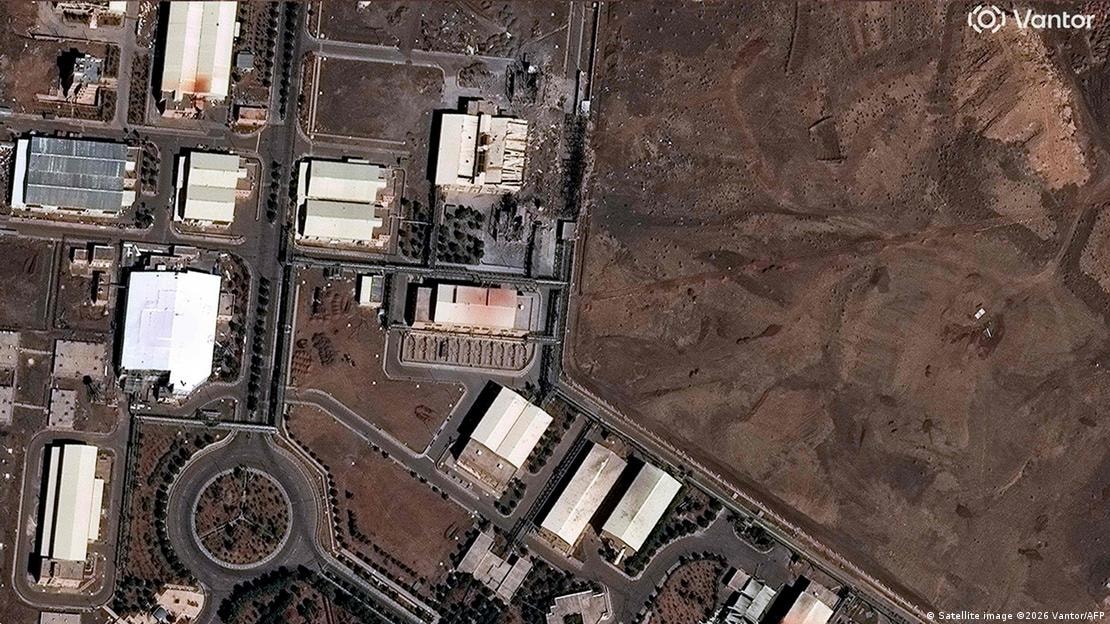
Many believe that Trump is in a position to pressure Iran, as the US and Israeli airstrikes in late February destroyed several key Iranian nuclear facilities, such as Natanz. Technically, negotiating limits on nuclear facilities seems "easier" when they are no longer intact.
Despite suffering heavy losses, Iran did not enter the negotiations as the loser.
However, diplomacy is not just about calculations on paper. Despite suffering heavy losses, Iran did not enter negotiations as a defeated party. It still held strategic leverage that provided asymmetrical deterrence: the ability to blockade the vital shipping lanes through the Strait of Hormuz and a network of allied forces in the region such as Hezbollah in Lebanon or the Houthi in Yemen. These were powers that Tehran had not fully utilized in 2015, but which have now become powerful bargaining chips.
Furthermore, international experts are also questioning the diplomatic finesse and experience of the current US negotiating team, led by Vice President JD Vance, compared to the veteran technocrats who crafted the JCPOA years ago. Diplomacy requires patience and the art of compromise, rather than imposing subjective biases.
The absence of trust
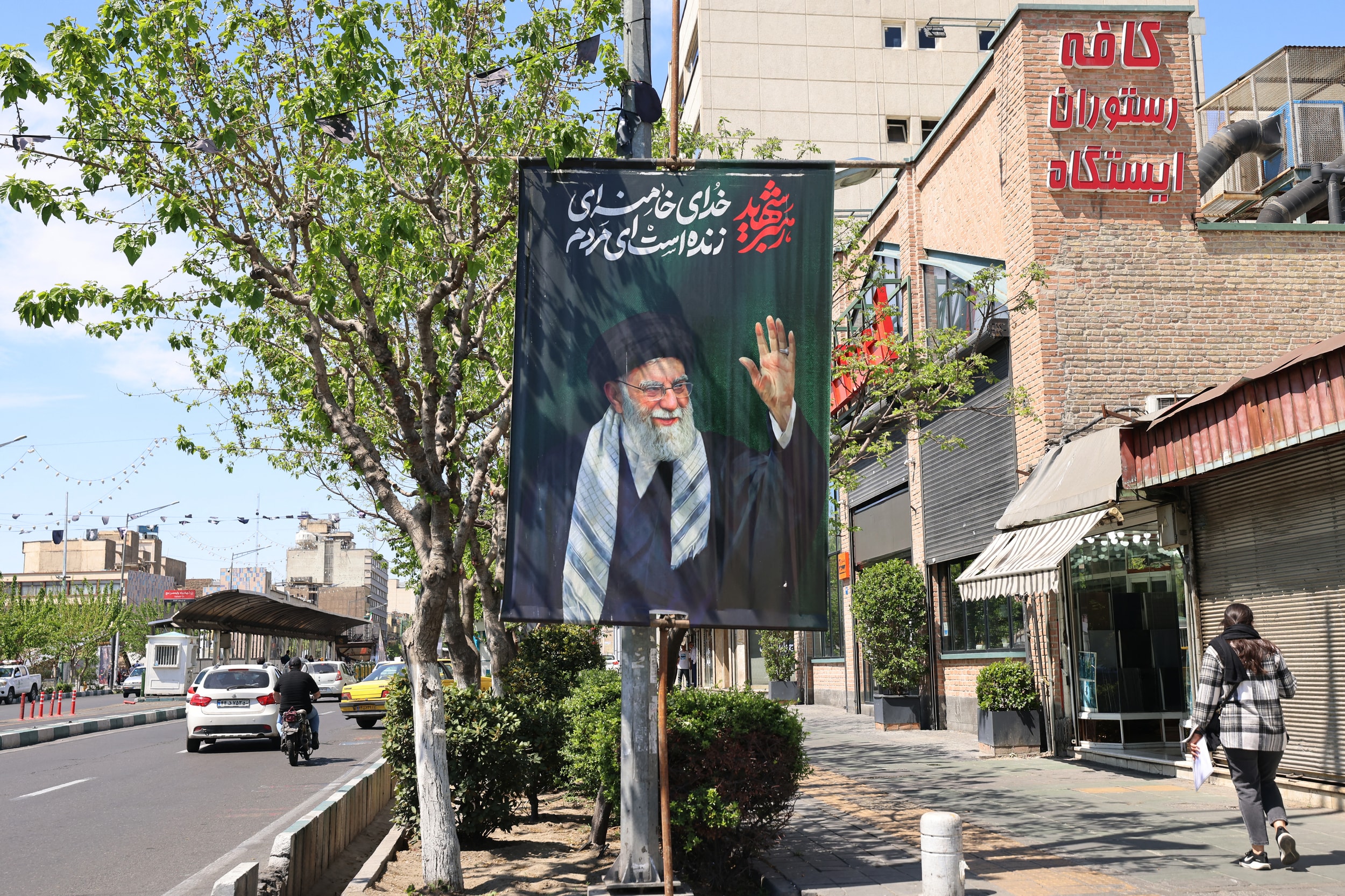
It's perhaps not difficult to see that the biggest challenge in re-establishing an agreement doesn't lie in the number of centrifuges or the uranium enrichment rate, but in something intangible: trust.
In 2015, a minimum level of trust allowed the parties to sit down together. Today, that foundation has completely collapsed. For Iran, the US's tearing up of a multilateral agreement certified by the UN Security Council is a deep-seated wound.
More dangerously, the conflict over the past 40 days has created a paradox of deterrence. The US and Israeli attacks aimed to neutralize Iran's nuclear capabilities, but the political repercussions have been devastating. This attack further reinforces the hardline faction in Tehran's argument that only possessing a real nuclear weapon is the ultimate and most effective deterrent shield protecting national security from external attacks.
Whether President Donald Trump achieves a "better" deal depends on the definition of "better." If he relies solely on military superiority to force the other side to accept unilateral conditions, such an agreement, if it materializes, would only be a temporary ceasefire before a new storm brews.
Whether President Donald Trump can reach a "better" deal depends on how you define "better."
To fundamentally resolve the "Iran nuclear issue," history has proven that force is never the optimal solution. Only when all parties are willing to engage in equal dialogue, respect each other's legitimate interests, and act in accordance with international law, will the Middle East truly find lasting peace. Otherwise, the price of seeking a "perfect" agreement based on imposed will will be perpetual global instability.
Hoang Bach