
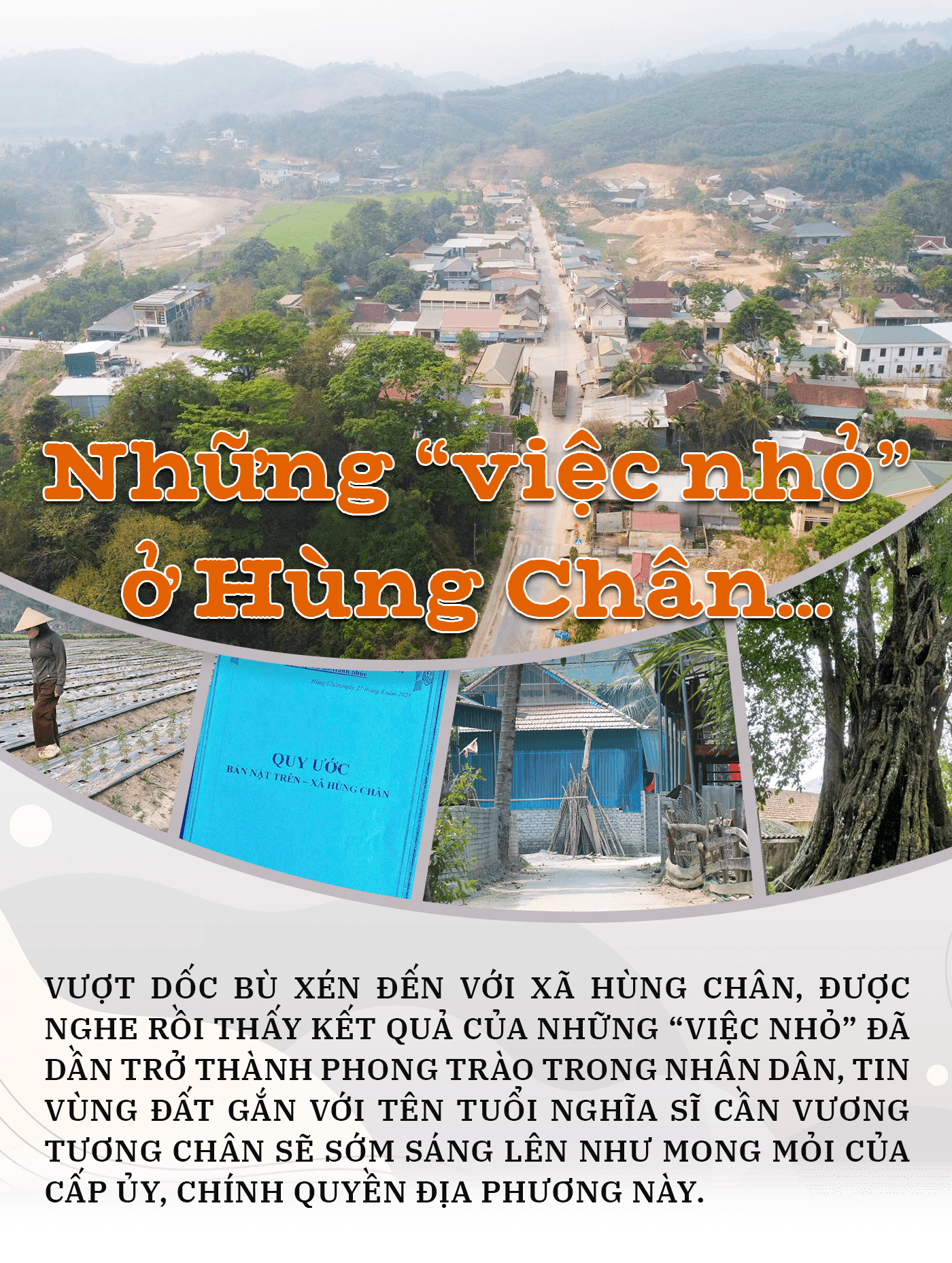
The "small things" in Hung Chan...
After climbing the Bu Xen pass to Hung Chan commune, hearing and seeing the results of these "small things" that have gradually become a movement among the people, I believe that this land, associated with the name of the Can Vuong patriot Tuong Chan, will soon shine brightly as hoped by the local Party committee and government.
Content:Nhat Lan - Vinh Hoang |Present:Huu Quan
•19/04/2026
After climbing the Bu Xen pass to Hung Chan commune, hearing and seeing the results of these "small things" that have gradually become a movement among the people, I believe that this land, associated with the name of the Can Vuong patriot Tuong Chan, will soon shine brightly as hoped by the local Party committee and government.
.png)
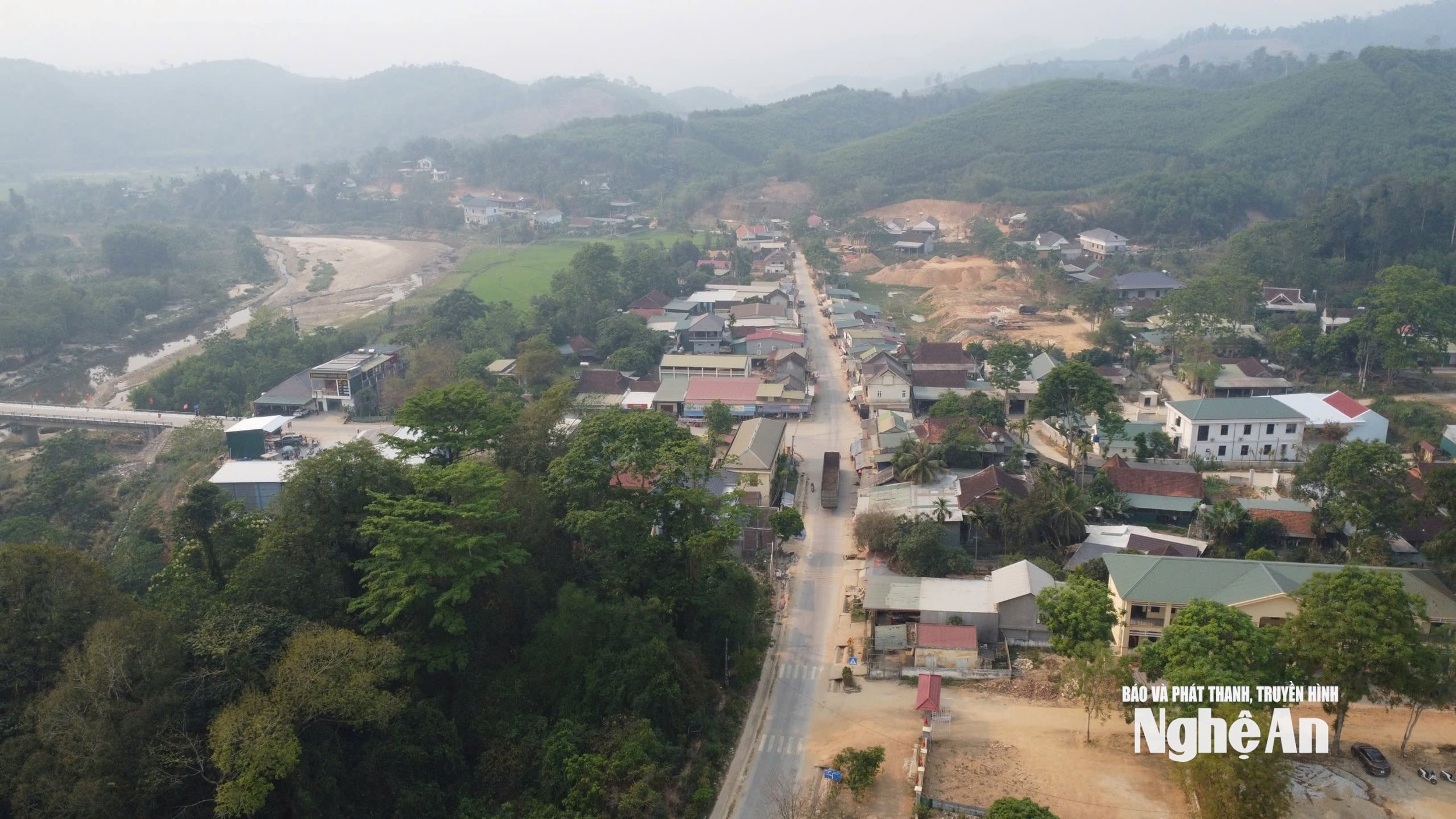
Hung Chan is the new name for the three communes of Chau Phong, Dien Lam, and Chau Hoan (formerly Quy Chau district) after the merger. From Tan Lac town, the center of the former Quy Chau district, follow Provincial Road 544 up to the top of Bu Xen, then down National Highway 48D for a few more kilometers to reach the center of Hung Chan commune. Along these routes, Hung Chan commune appears very beautiful and impressive. Its beauty comes from the harmonious colors of the mountains, forests, streams, villages… and also from its very clean and fresh environment. Responding to our observations, Mr. Vi Van Trang – Head of the Economic Department of Hung Chan commune – openly stated: The people of Hung Chan commune no longer let their buffaloes and cows roam freely; they now collect organic fertilizer so that each household has a vegetable garden, thus making the villages "clean and the fields good."
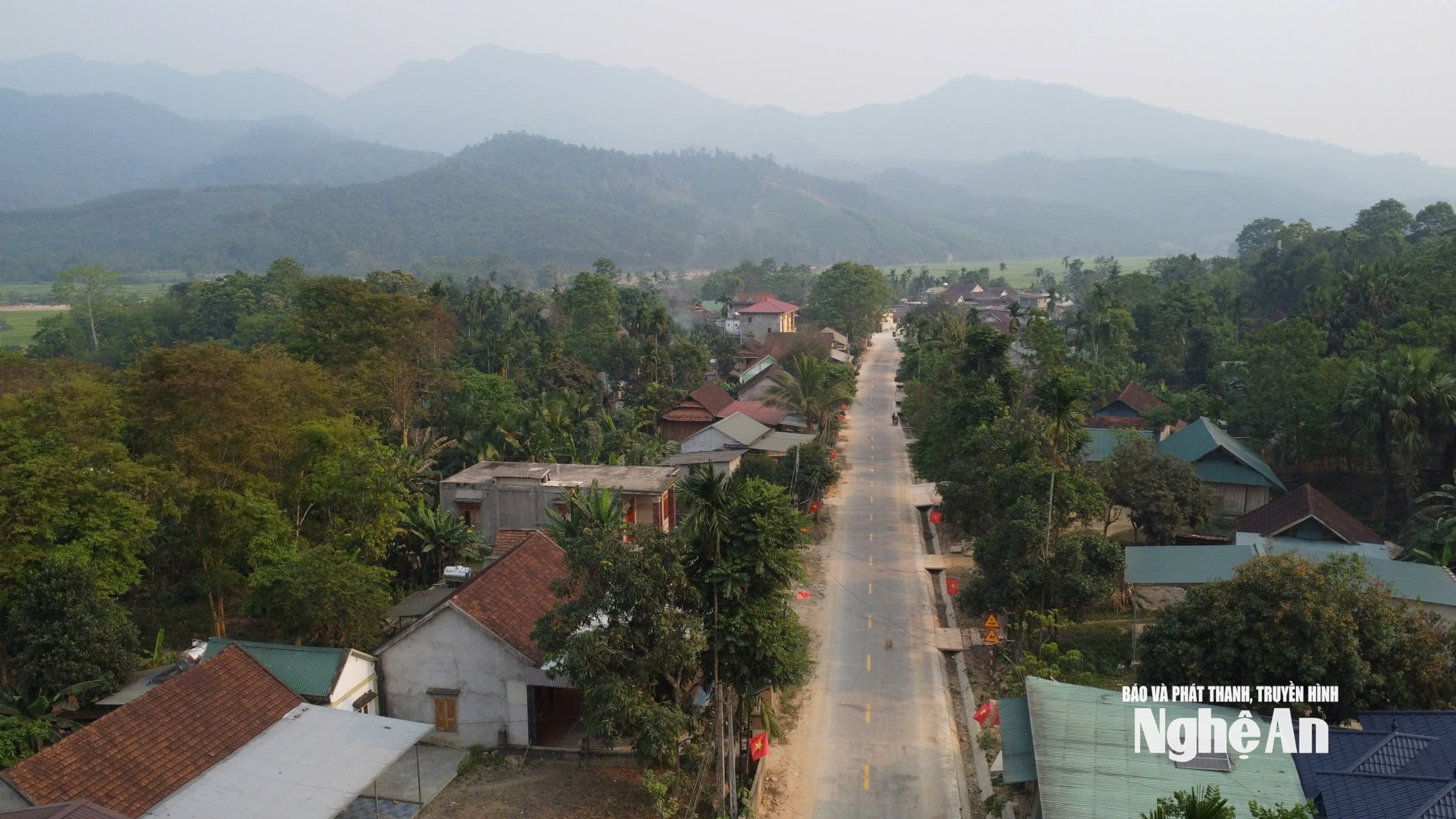
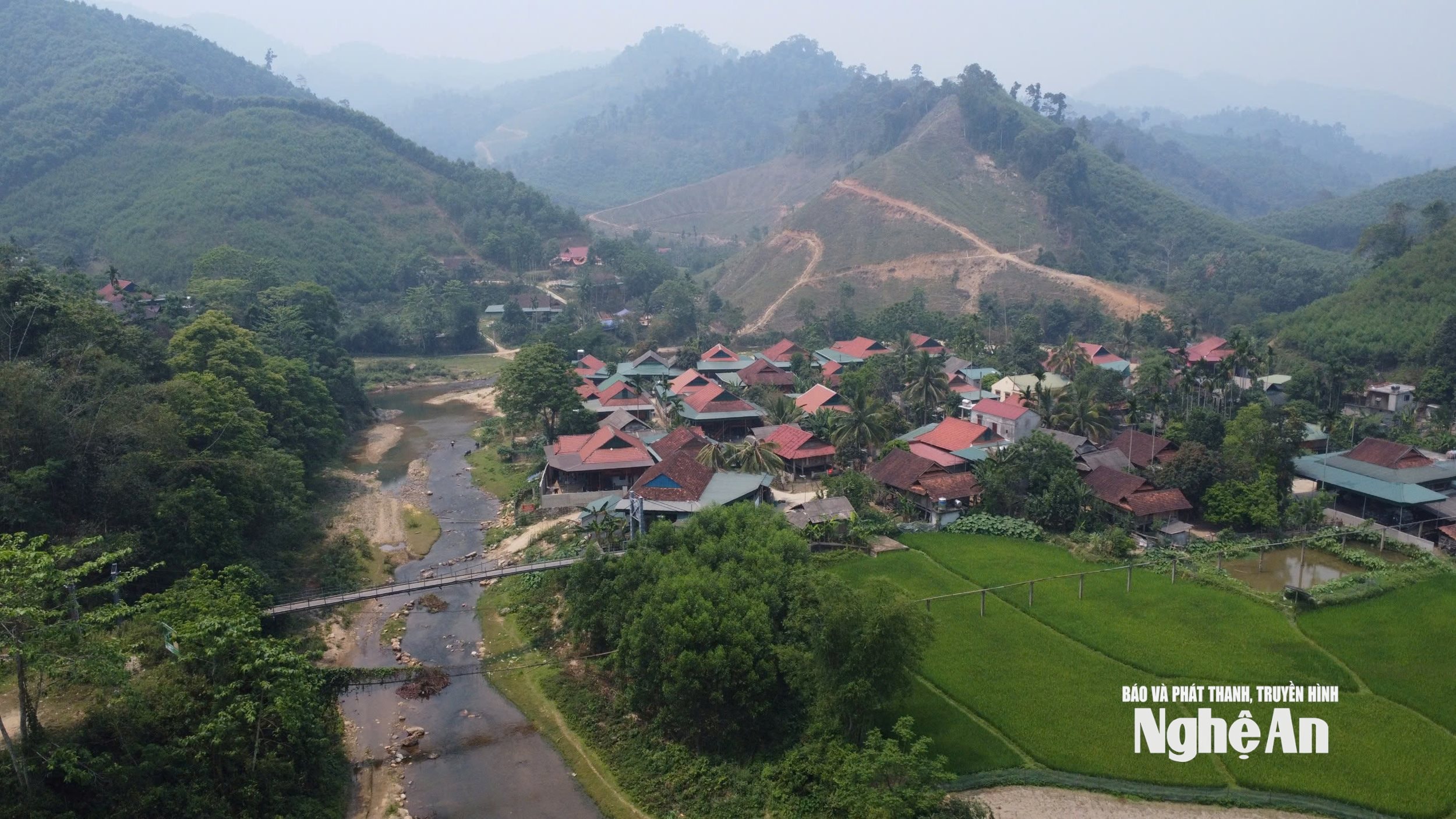
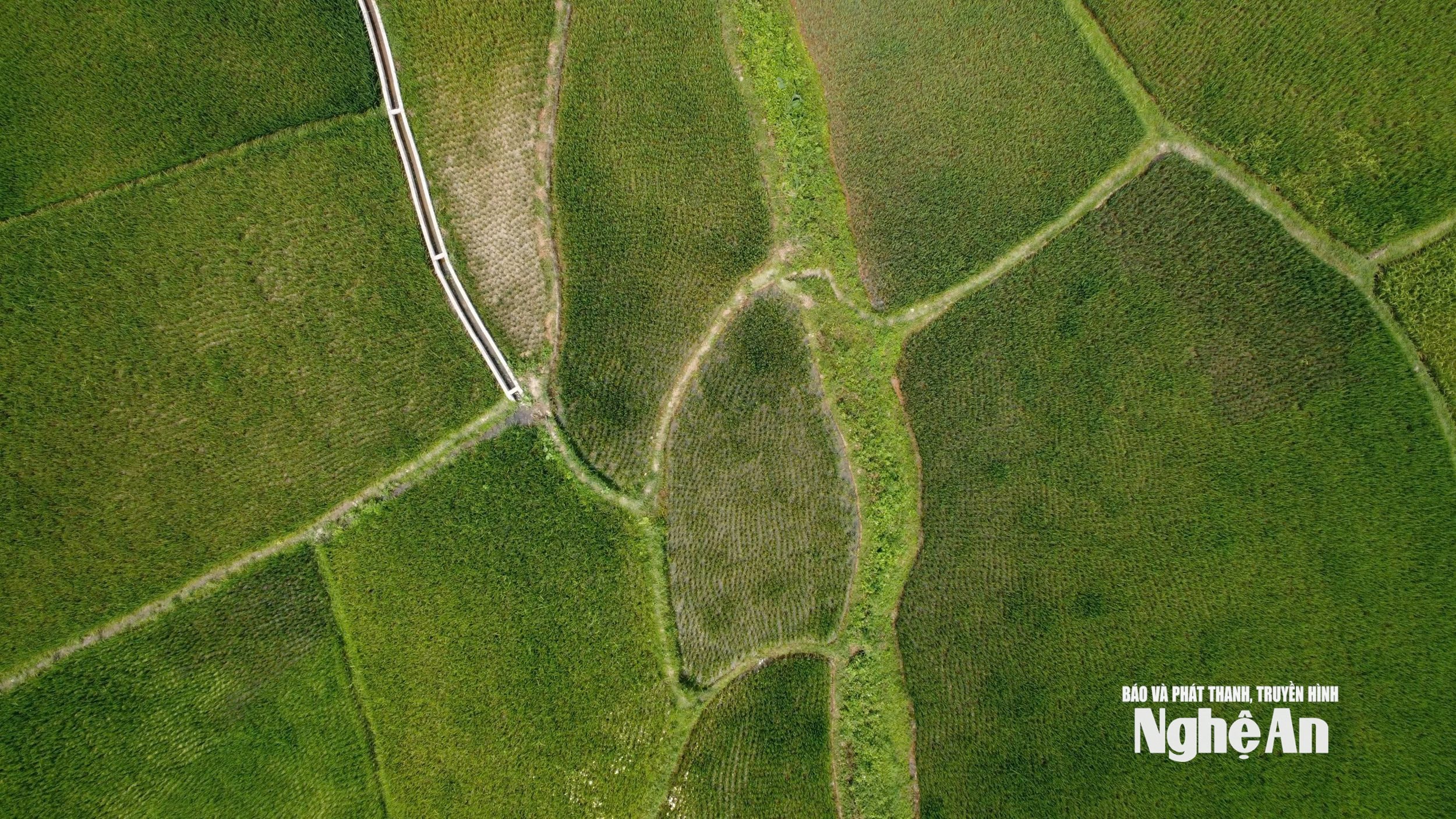
The words of Mr. Vi Van Trang were the reason we came to Nat Tren village, which the Party Committee and the government of Hung Chan commune have chosen as a "model village" to replicate the "many no's" movements. No beer or alcohol at funerals; no free-range buffalo and cattle; each family has a clean vegetable garden… Nat Tren is the last village of Hung Chan commune, about 8 km from the center, bordering Quang Phong area of Muong Quang commune. This is a purely Thai village with strong local culture, nestled against the mountains, surrounded by green rice fields, with paved roads, and the Nam Cam stream flowing through the stilt houses…
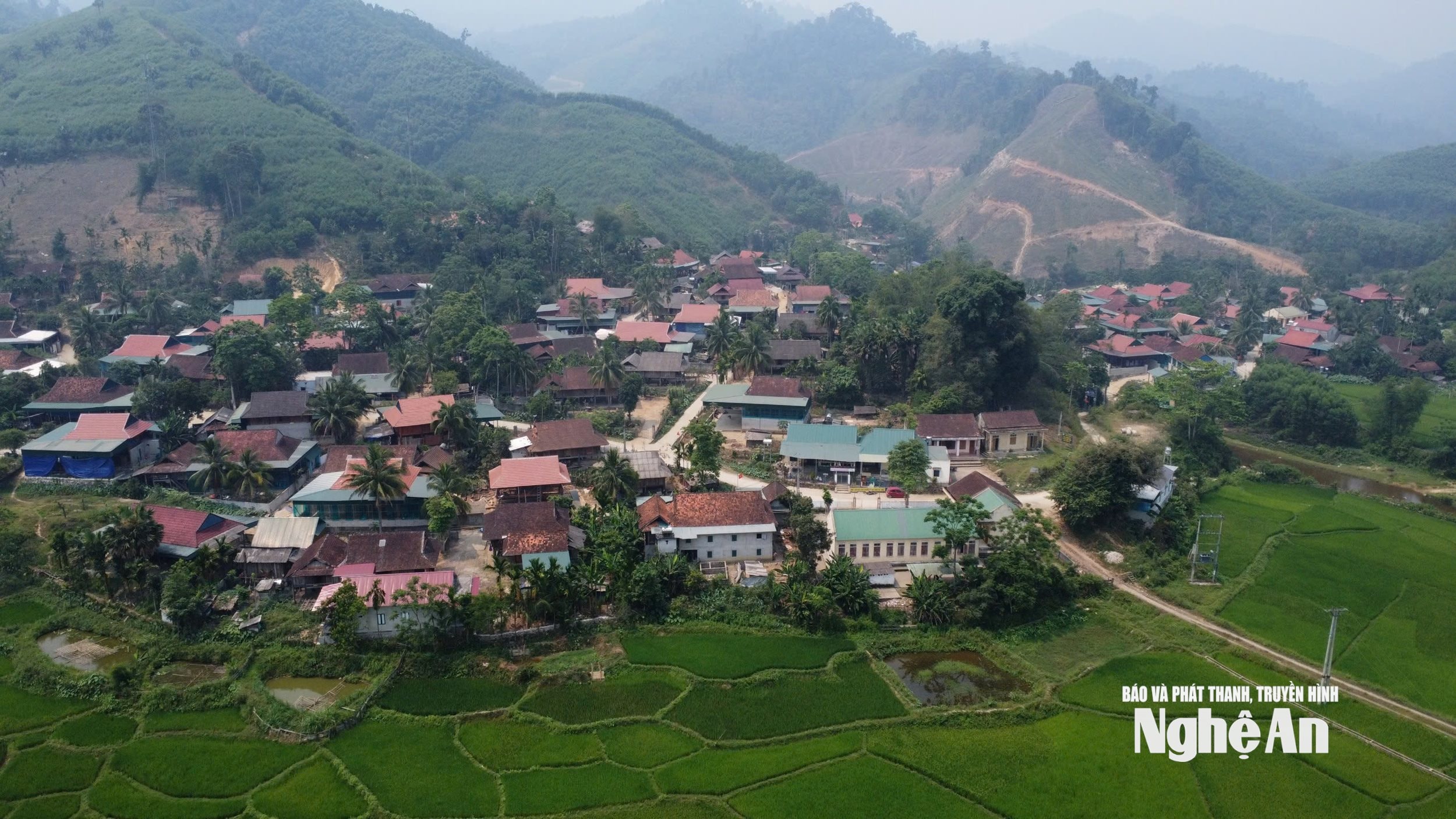
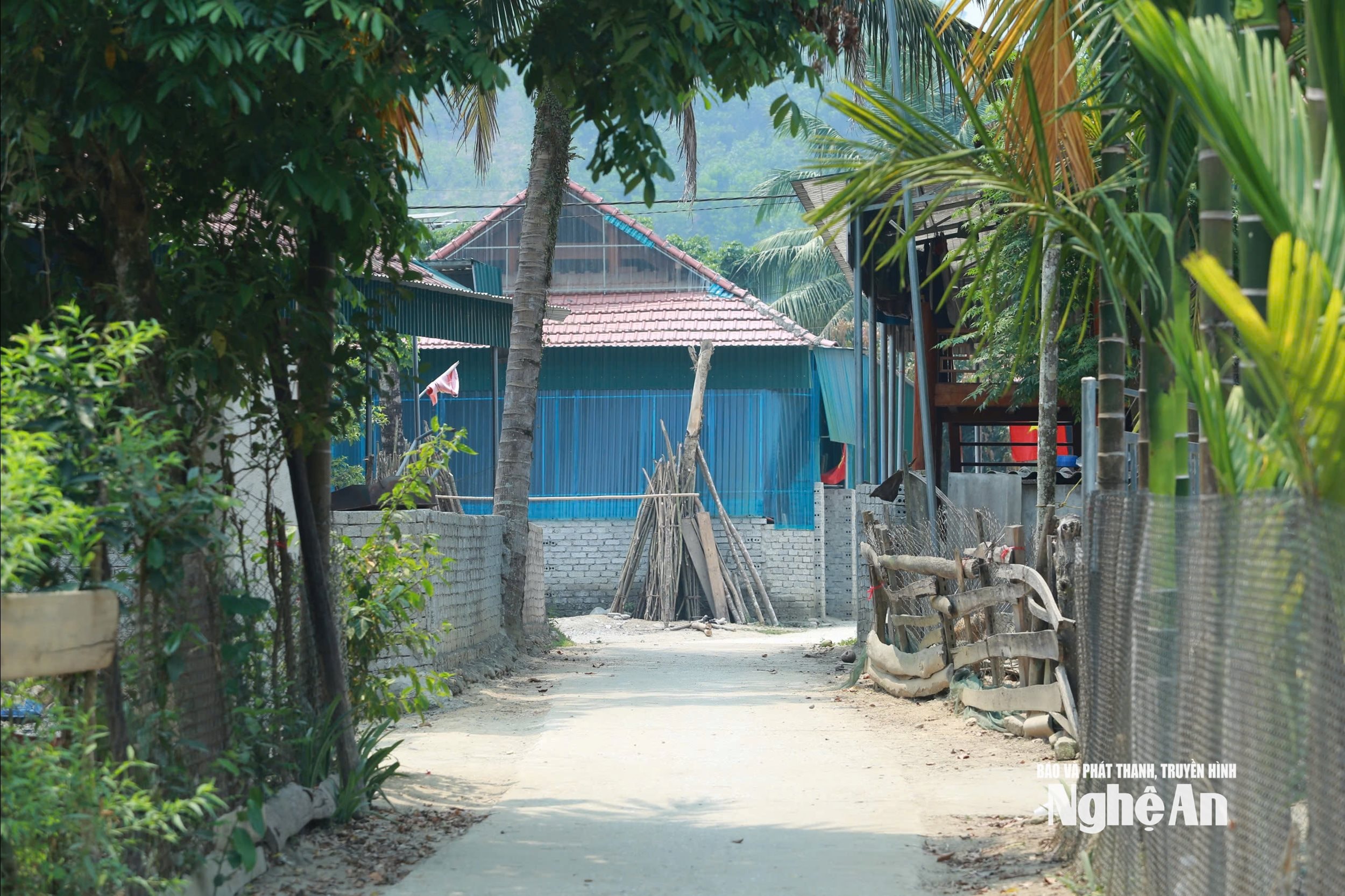
The village roads are very clean, and the houses are close together, surrounded by the lush greenery of betel nut trees, fruit trees, and vegetable gardens. In this setting, the kind-hearted elders of Nat Tren village, such as Mr. Lo Thanh Binh and Mr. Lu Van Hai, proudly recounted the changes in their lives and mindsets. In particular, they enthusiastically spoke about the movement to "say no" to alcohol at funerals, a practice that was initially met with "stigma" but is now a model for other villages to follow.
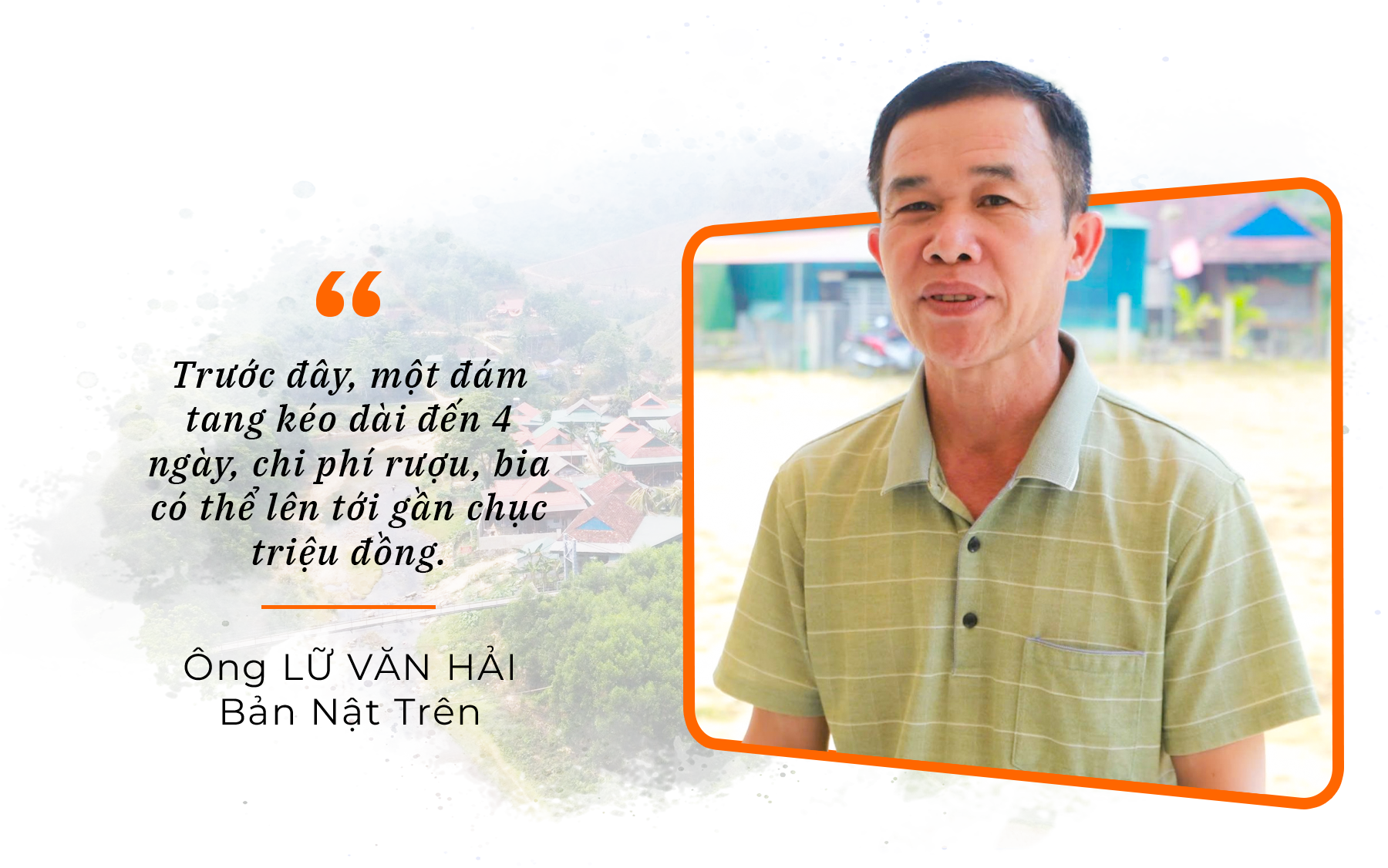
The "say no" to alcohol at funerals in Nat Tren village was "born" in 2015. At that time, the Nat Tren village Party branch recognized that drinking alcohol at funerals created many complex problems; it was an economic burden for bereaved families; it led to conflicts, arguments, and a loss of security and order; and it wasted a lot of people's time. "Previously, a funeral could last up to four days, and the cost of alcohol could reach nearly ten million dong. A meal with alcohol could last for several hours, and alcohol led to arguments, clashes, and a loss of unity…," said Mr. Lu Van Hai.
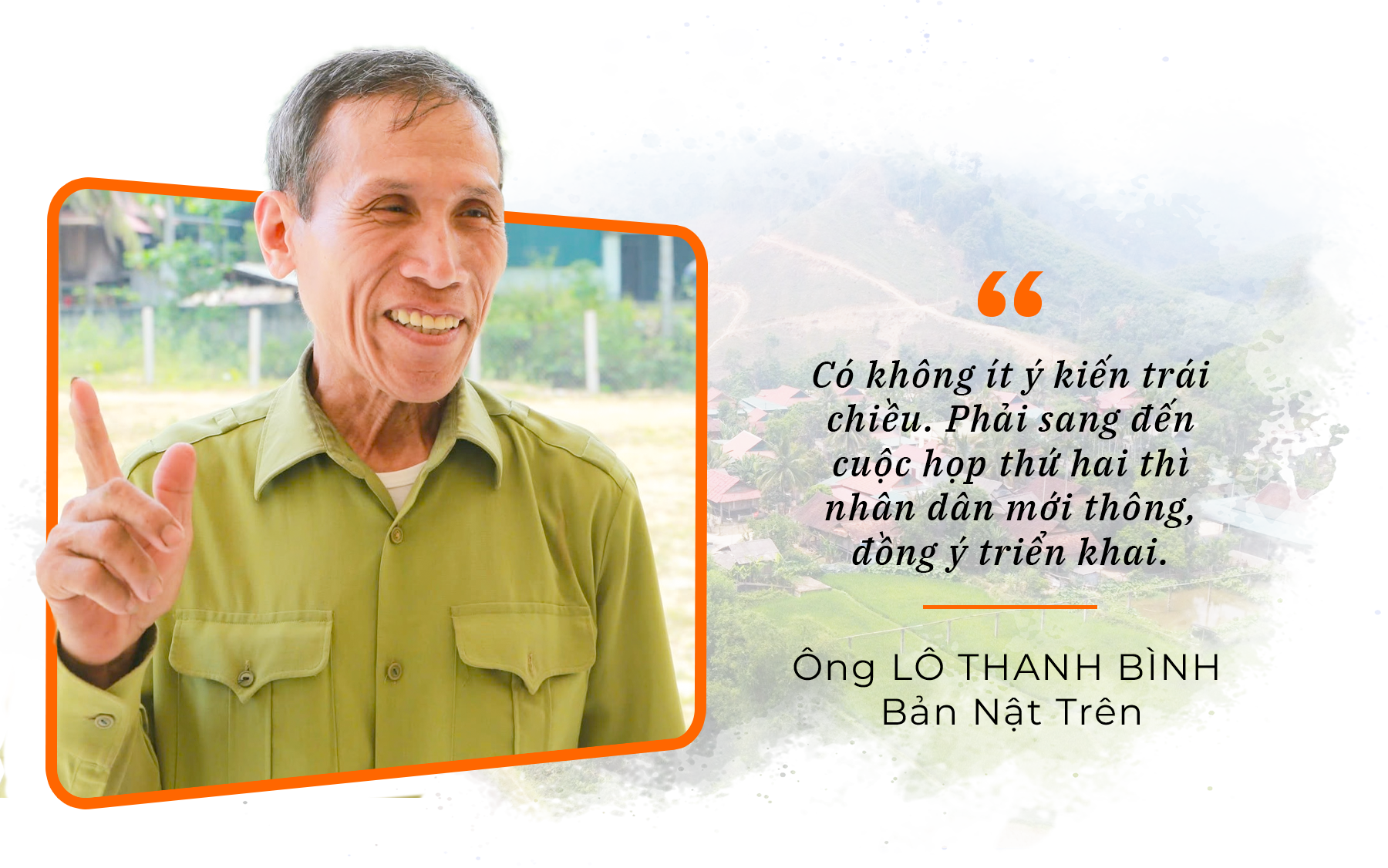
The habit of using beer and wine at funerals is deeply ingrained in the community's mindset and customs, so the Party cell of Nat Tren village had to discuss very carefully to find ways to promote awareness and gain consensus. Then, at the subsequent general meeting of the people, the Party cell committee dissected the shortcomings of using alcohol at funerals. "There were quite a few conflicting opinions. It wasn't until the second meeting that the people understood and agreed to implement and maintain the practice from 2015 to the present," said Mr. Lo Thanh Binh.
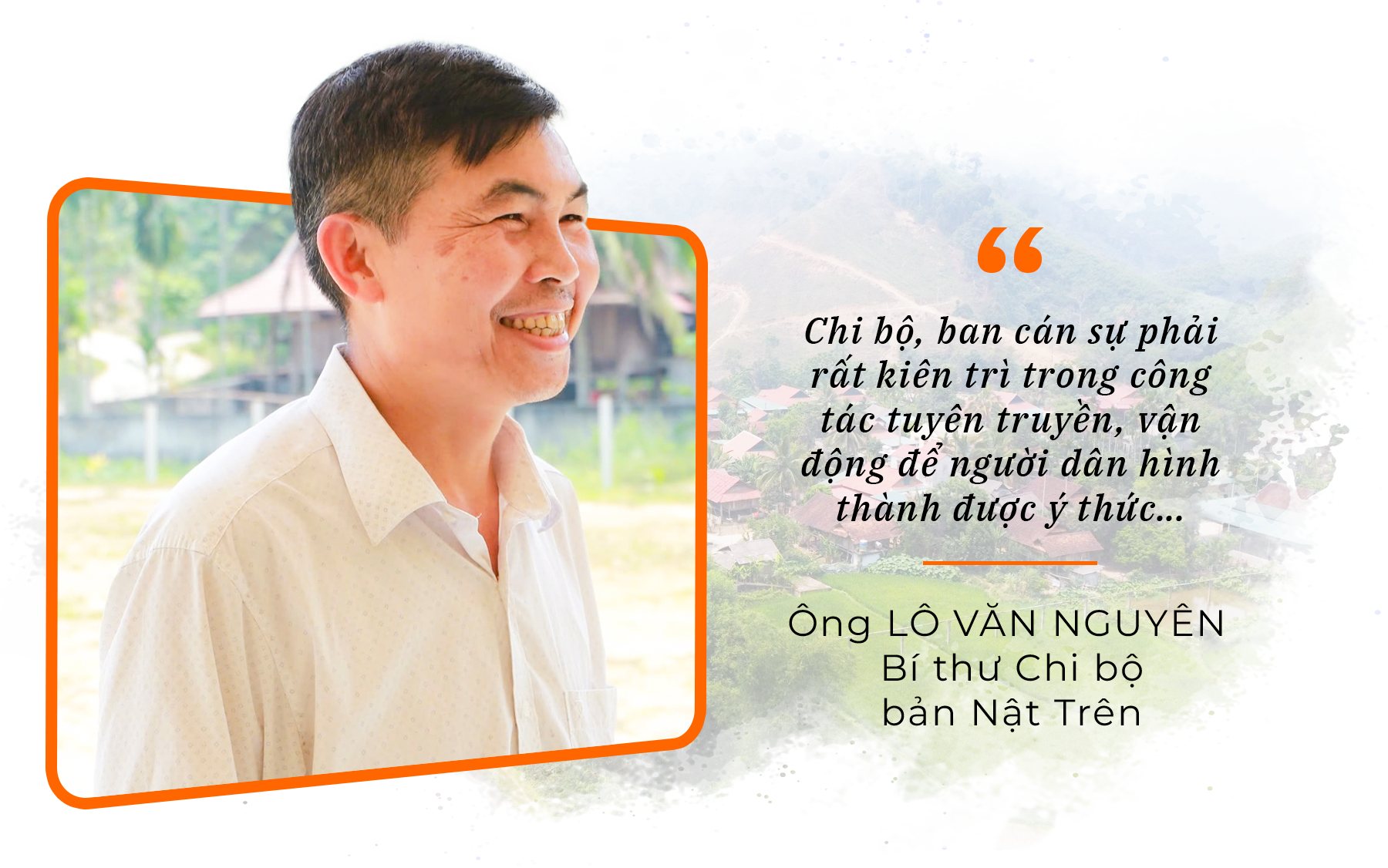
When asked about the experience of disseminating information, Lo Van Nguyen, Secretary of the Party Branch of Nat Tren village, said that this is a very difficult issue. “At funerals, people from other villages often come to pay their respects. Because their villages don't have regulations on this matter, they are unhappy. Therefore, the community once spread the rumor that ‘at funerals in Nat Tren village, you only eat rice and then leave, without any wine,’ which made the villagers unhappy. The Party branch and the leadership committee have to be very persistent in their propaganda and mobilization efforts to help people develop this awareness…”
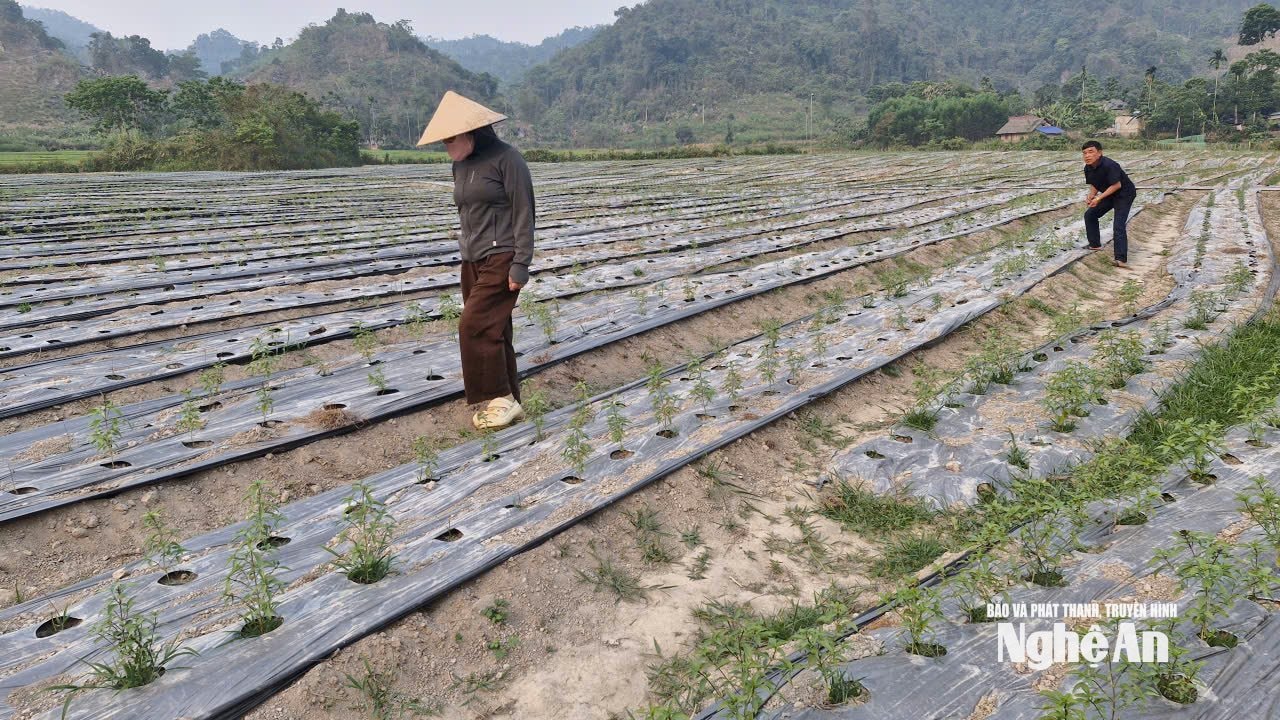
Following the establishment of the two-tiered administrative system, and under the initiative of the Party Committee and the government of Hung Chan commune, several movements have been launched in Nat Tren village, receiving strong support from the local people. Specifically, with the movement "People of Hung Chan collect organic fertilizer for agricultural production and environmental protection," households in Nat Tren village have organized the keeping of buffalo and cattle in enclosures, no longer allowing them to graze freely. According to Lo Van Nguyen, Secretary of the Party Branch of Nat Tren village, most families proactively create compost pits to fertilize their fields and vegetable gardens, ensuring their own food and clean vegetables. After the establishment of the new Hung Chan commune, a regulation was added prohibiting gambling activities; at the same time, the village also stipulated that each household contribute 100,000 VND to support families who have lost a loved one. Mr. Lo Van Nguyen said: “The village of Nat Tren has 149 households. If each household contributes 100,000 VND, that's nearly 15 million VND for families with deceased members. This amount is enough to buy a coffin and a cow, easing some of the economic burden…”
.png)
Hung Chan commune now has 17 villages, including: Luong village, Dom 1 village, Dom 2 village, Chieng village, Ban village, Moi village, Lim village, Tam village, Lau village, Lien Canh village, Ba Cong village, Lien Minh village, Nat Tren village, Hoc village, Chao village, Na Lanh village, and Cuom village. Each village has a set of regulations approved by the Hung Chan Commune People's Committee, which very specifically outlines the rules for each resident and each household to follow.
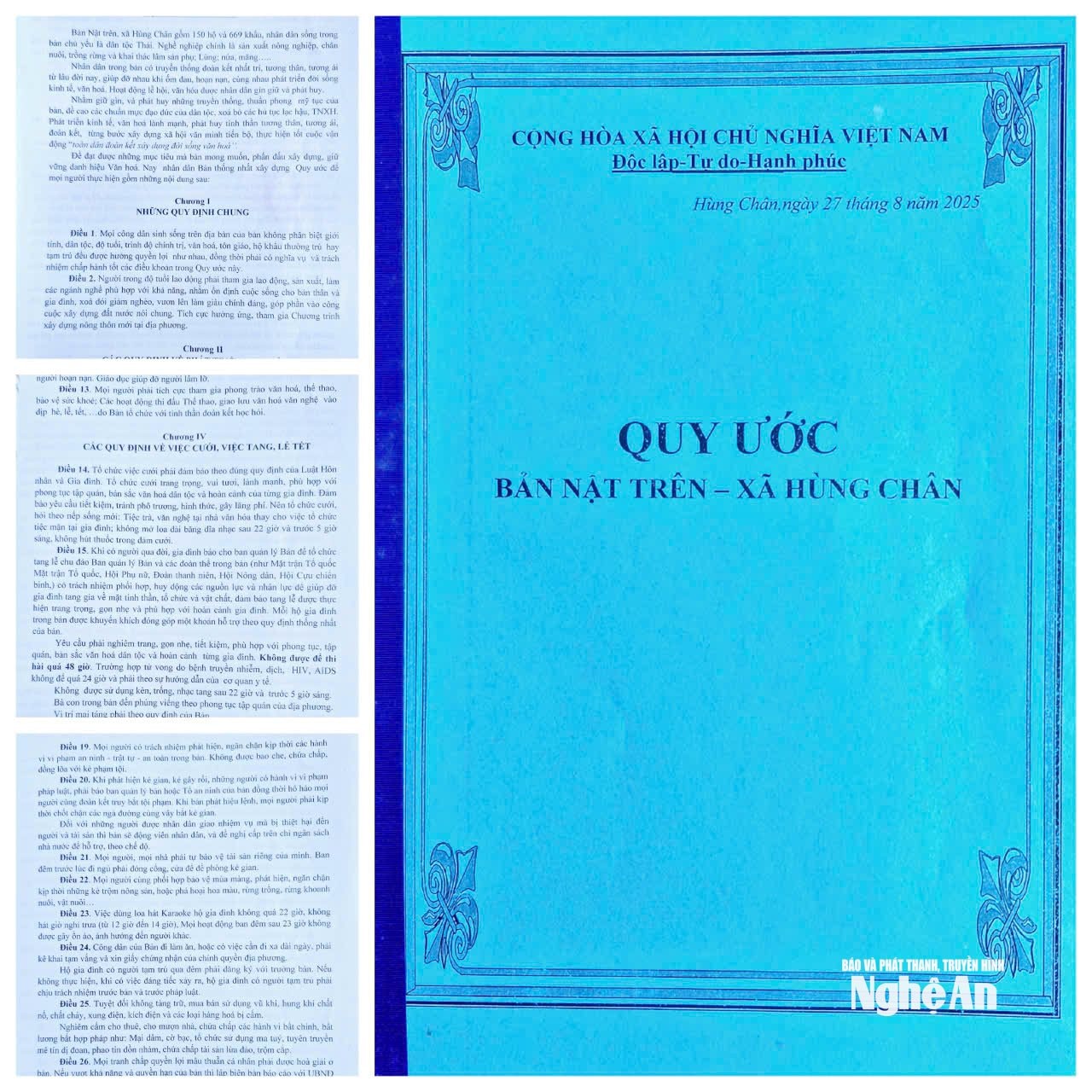
According to the regulations of the village headman Vi Van Dung, there are 37 articles. These include comprehensive regulations on economic development; cultural lifestyle; weddings, funerals, festivals, and holidays; the environment; security and order; prevention and control of domestic violence and gender equality; and rewards and penalties for violations of the regulations.
In particular, three environmental regulations, with many prohibited actions, caught our attention. These include: strictly prohibiting digging, rock excavation, and sand and gravel mining near roads and bridges to protect transportation infrastructure; prohibiting drying straw and other construction materials on roads that obstruct traffic; controlling livestock farming and prohibiting free-roaming (buffaloes, cows, goats, pigs); and ensuring livestock pens are located far from residential areas. In case of suspected disease outbreaks, residents must report to the village head and veterinary authorities for appropriate action. On the 15th day of the lunar month, all households must clean up, clear bushes, and unclog drainage ditches. Each family must have a garbage pit and incinerator; garbage must not be thrown in public places. Dead animals must be carefully buried and not disposed of indiscriminately into the environment or water sources, causing pollution. Each family must have a clean and discreet sanitation facility. Each person is responsible for protecting water sources such as streams, rivers, ponds, and lakes. Using explosives or electric shock to catch fish and seafood is strictly prohibited.
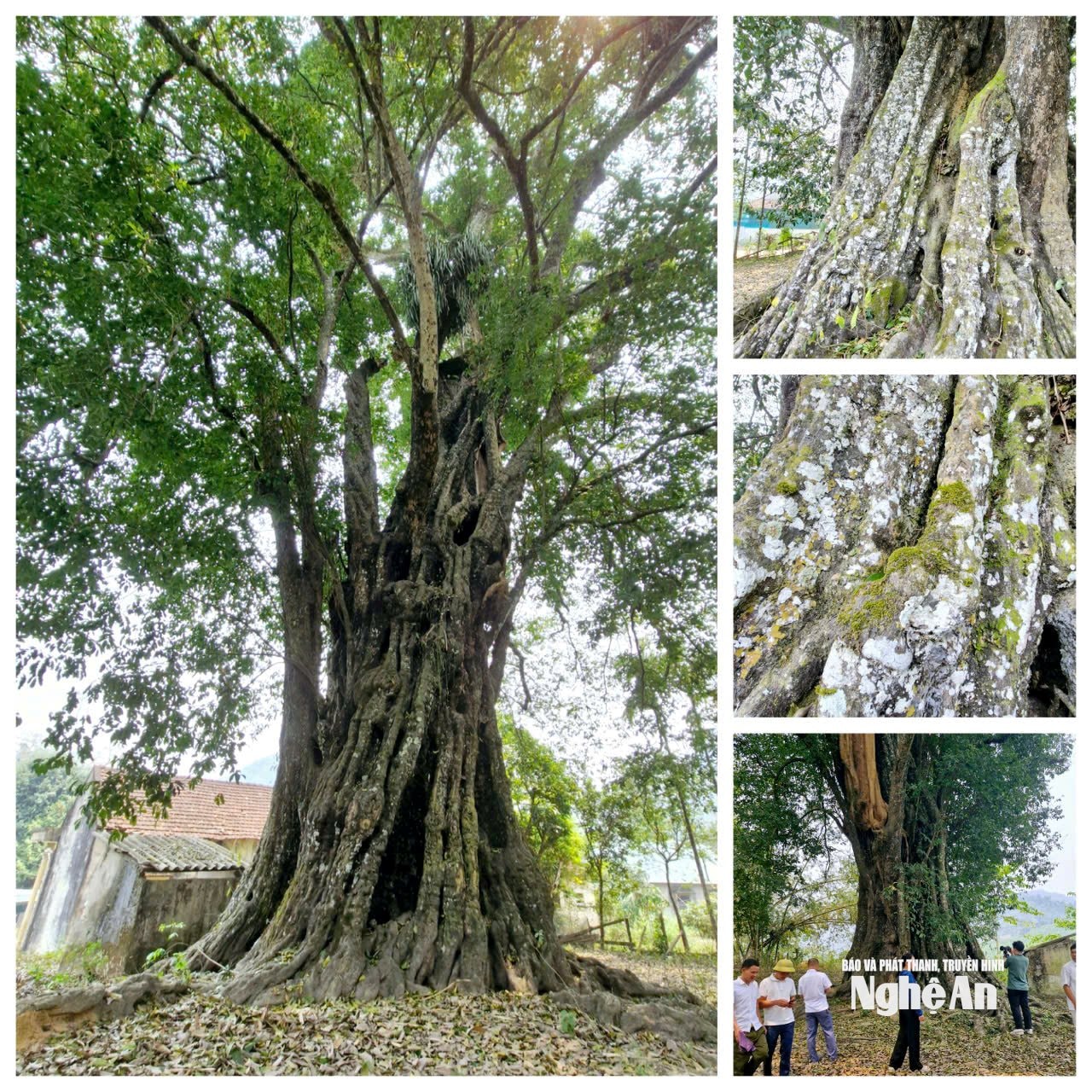
Surprisingly, the Nật Trên village is very concerned about environmental education for the younger generation, with the following regulation: “The village and organizations and associations need to coordinate to organize educational and propaganda activities on environmental protection and general hygiene for all ages, especially focusing on educating children from preschool and primary school levels. Schools and preschools in the village are encouraged to integrate environmental protection education into their curriculum, guiding children on the habit of disposing of waste in designated areas, not littering, and other simple environmental protection behaviors. Each family is responsible for setting an example and guiding their children to comply with the village's environmental hygiene regulations, especially the sorting and processing of waste at home, contributing to building a green, clean, and beautiful environment.”
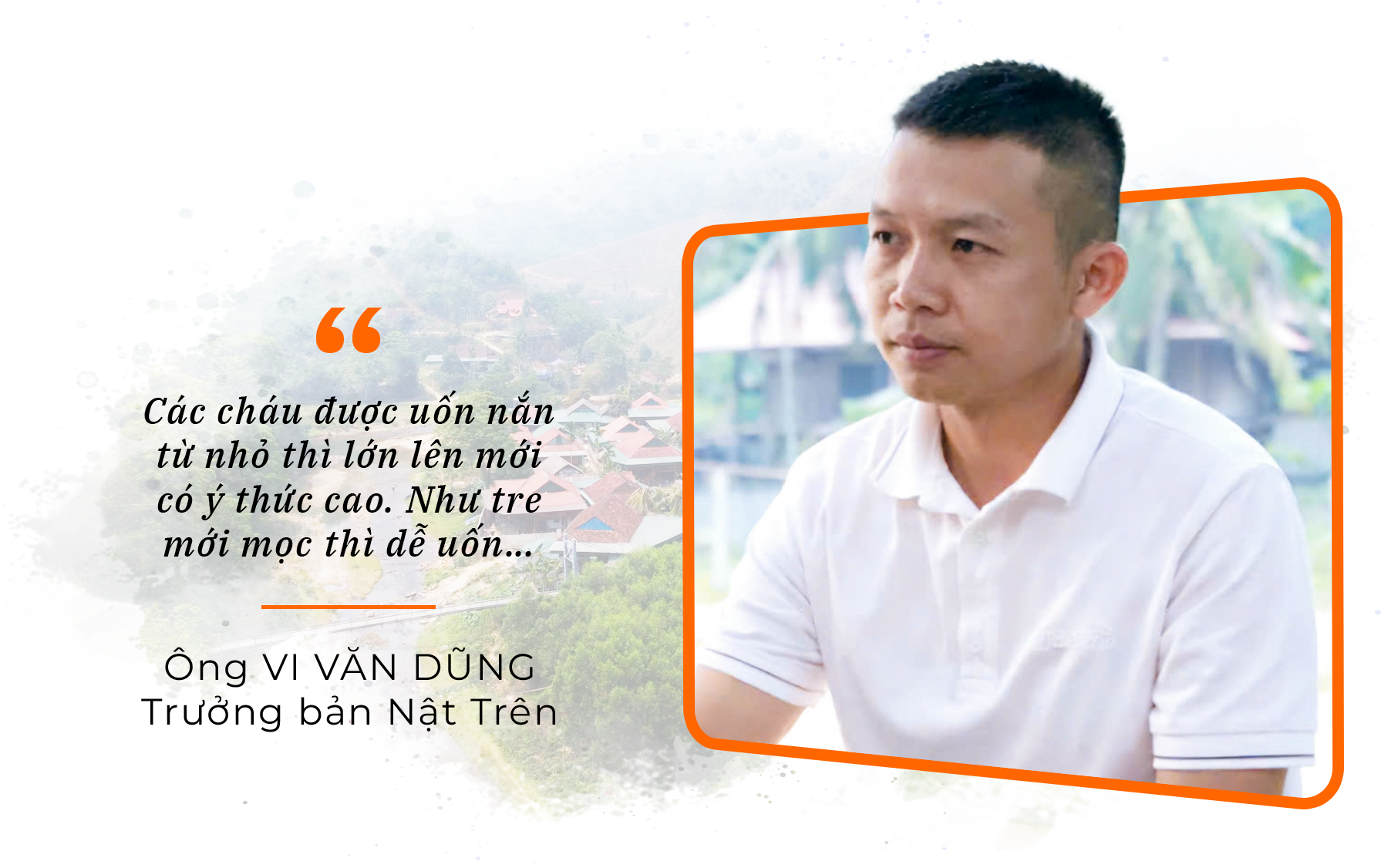
Commenting on this regulation, Village Head Vi Van Dung smiled happily: “Children are guided from a young age so that they will have a high level of awareness when they grow up. Like newly sprouted bamboo, it is easy to bend…” He then explained that for the regulations to be followed by everyone, the system of rewards and punishments must be strictly enforced. Any family or individual who violates the provisions of the regulations will be dealt with. Minor offenses will result in a warning, while repeat offenders will be brought before a community meeting for self-criticism. For serious offenses, based on a consensus within the community, the offender will be compelled to fulfill their responsibilities or the matter will be referred to higher authorities for resolution. “For every buffalo or cow found roaming freely on the road, the owner will be fined. Repeat offenders will be fined more. It is for this reason that in Nat Tren village, there is almost no longer any free-roaming of buffalo or cows…”
In Dom 1 village, the set of regulations does not specify the rules in articles and clauses as in Nat Tren village. However, it is very detailed about what is prohibited and the penalties. Specifically, anyone committing domestic violence will be fined 500,000 VND; littering will be fined between 500,000 and 1,000,000 VND if caught; each free-roaming buffalo or cow caught by the Red Flag Team or villagers will be fined 500,000 VND…
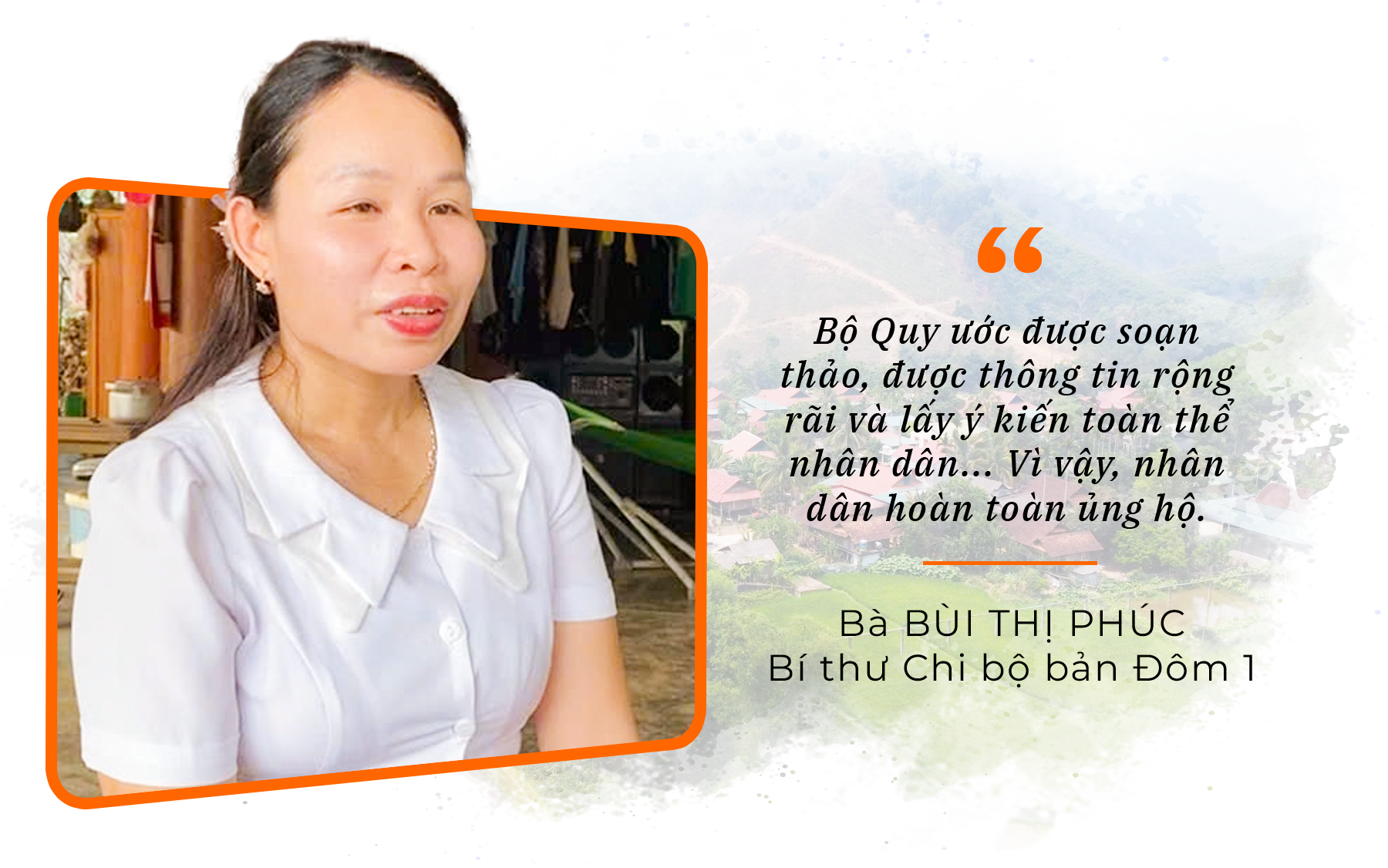
According to Bui Thi Phuc, Secretary of the Party Branch of Dom 1 village, the set of regulations includes provisions implemented in accordance with the law, the general regulations of the commune, and the specific regulations of each village. The regulations were drafted, widely publicized, and opinions were solicited from all residents. Only after reaching consensus was it submitted to the Commune People's Committee for approval. Therefore, the people fully support it. “Now, if people discover someone littering or letting their buffaloes and cows roam freely, they will immediately report it to the Zalo group so the Red Flag Team can take action. Therefore, in Dom 1 village, you only see buffaloes and cows on the road early in the morning or late in the afternoon. But they will certainly be herded and also used for collecting manure…,” affirmed Bui Thi Phuc, Secretary of the Party Branch of Dom 1 village.
.png)
During our brief stay in Hung Chan commune, we heard stories about the Can Vuong patriot Tuong Chan, whose name is linked to the commune's name. Tuong Chan, whose real name was Hun Luong Chan, was instrumental in leading the people to suppress the Xa rebels and protect their village. Later, along with Doc Thiet and Cam Ba Thuoc, he actively participated in the Can Vuong movement against the French in the mountainous region of Thanh Hoa and Nghe An provinces. "Hung means bright, Chan means Hun Luong Chan. The name Hung Chan can be understood as a village that shines brightly, following the example of Mr. Luong Chan…," said Sam Van Lan, Deputy Secretary of the Hung Chan Commune Party Committee.
Regarding the community movements being encouraged, the leaders of Hung Chan commune stated that, with the hope that the homeland of the Can Vuong patriot Tuong Chan will flourish, the Standing Committee of the Party Committee and the People's Committee of the commune recognize these as very small things but are determined to focus on promoting and successfully implementing them. This is because Hung Chan, comprising three communes, is one of the most remote and difficult areas of the former Quy Chau district. Although the people in the area have undergone many changes, some customs are still not entirely good. The Secretary of the Hung Chan Commune Party Committee, Vo Anh Tuan, explained: "To inspire the shining example of Tuong Chan, and to quickly change the mindset and habits in daily life so that people are diligent in labor and production, proactively secure clean food to ensure their health, and have a sense of preserving a clean and beautiful environment – these are all very small things, but we have unanimously chosen to start from here…"
Listening to your discussion, I felt happy. Happy because the choices made by the Party Committee and the local government of Hung Chan commune have yielded "sweet fruits"; these "small things" are gradually becoming a movement among the people. Therefore, we believe. We believe that the land associated with the name of the Can Vuong patriot Tuong Chan will soon shine brightly as hoped by the local Party Committee, government, and people.
Nhat Lan - Vinh Hoang; Presented by: Huu Quan