

Making a fortune from breeding eels: An effective approach for farmers in Nghe An.
The business of breeding and hatching eels is considered a difficult field, requiring high technical skills and practical experience. However, with perseverance and keen insight, Mr. Hoang Luong in Ru Dat hamlet, Hop Minh commune, has successfully developed this model for many years, bringing in high income and opening up a new direction in the development of aquaculture in Nghe An.
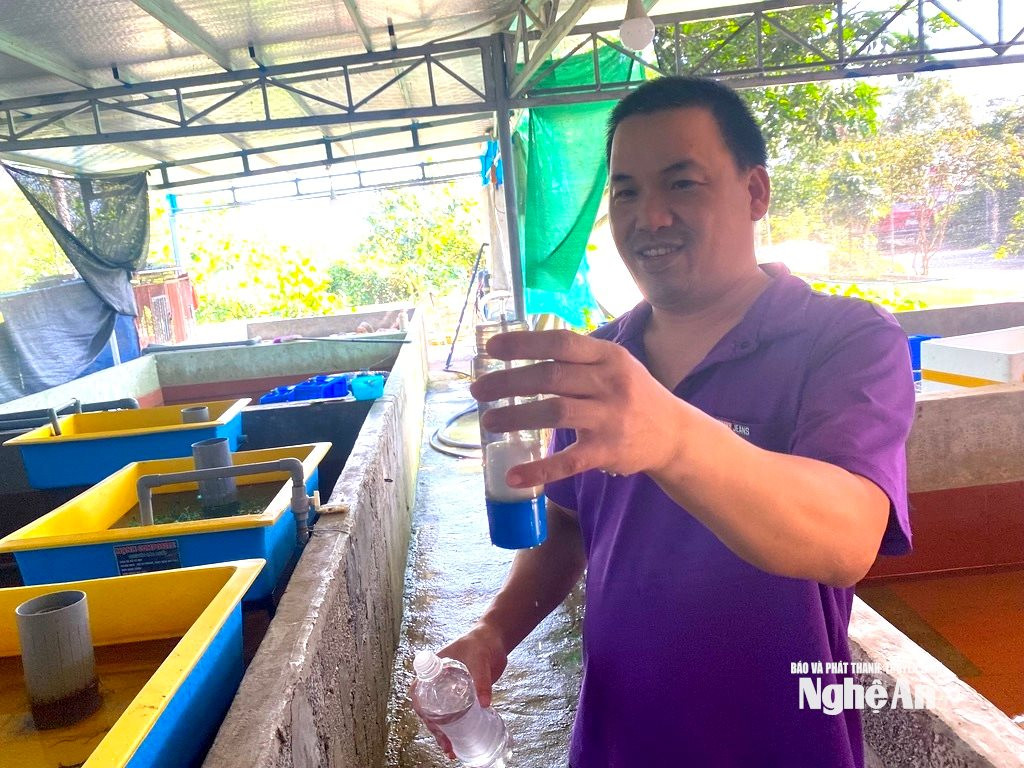
In early April, as the weather begins to warm up, Mr. Hoang Luong's eel breeding farm enters its main production season. In the large breeding area, the atmosphere is bustling as he and his colleagues are busy collecting eggs, hatching them, and selling eel fry to customers both within and outside the province. Each breeding tank is scientifically arranged, and the water system operates automatically, creating a modern, closed-loop production process.
.jpeg)
Sharing about how he got into the profession, Mr. Luong said that in 2018, he initially only experimented with small-scale farming, using about 3-4 concrete tanks for eel breeding. Recognizing the economic potential of eels, he boldly expanded the scale. To date, the farming area has reached over 6,000m², with a system of composite tanks, concrete tanks, water filtration tanks, egg incubation tanks, and other supporting facilities that have been invested in comprehensively. The total investment cost was nearly 3 billion VND, but in return, the economic efficiency is clear and stable.
According to Mr. Luong, breeding eels is different from raising eels for commercial purposes. It's a highly technical profession, requiring expertise from selecting broodstock, caring for them, creating a suitable breeding environment, to incubating eggs and raising the young. "Eels are very sensitive to water conditions. Even small changes in pH or contaminated water sources can affect the breeding process and the hatching rate," he said.
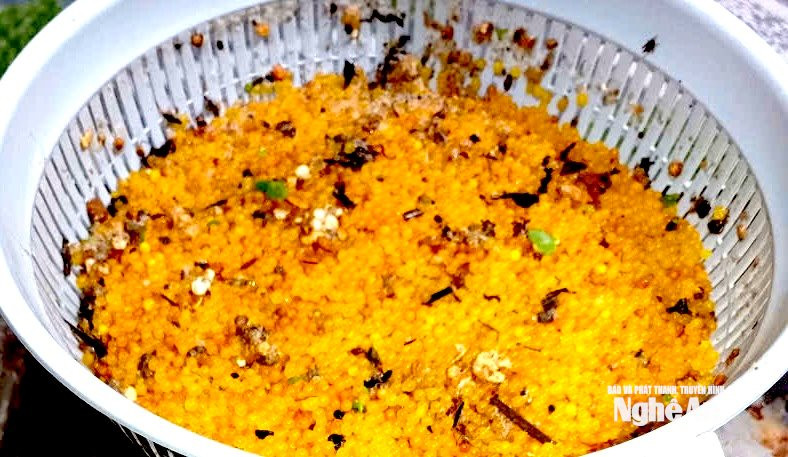
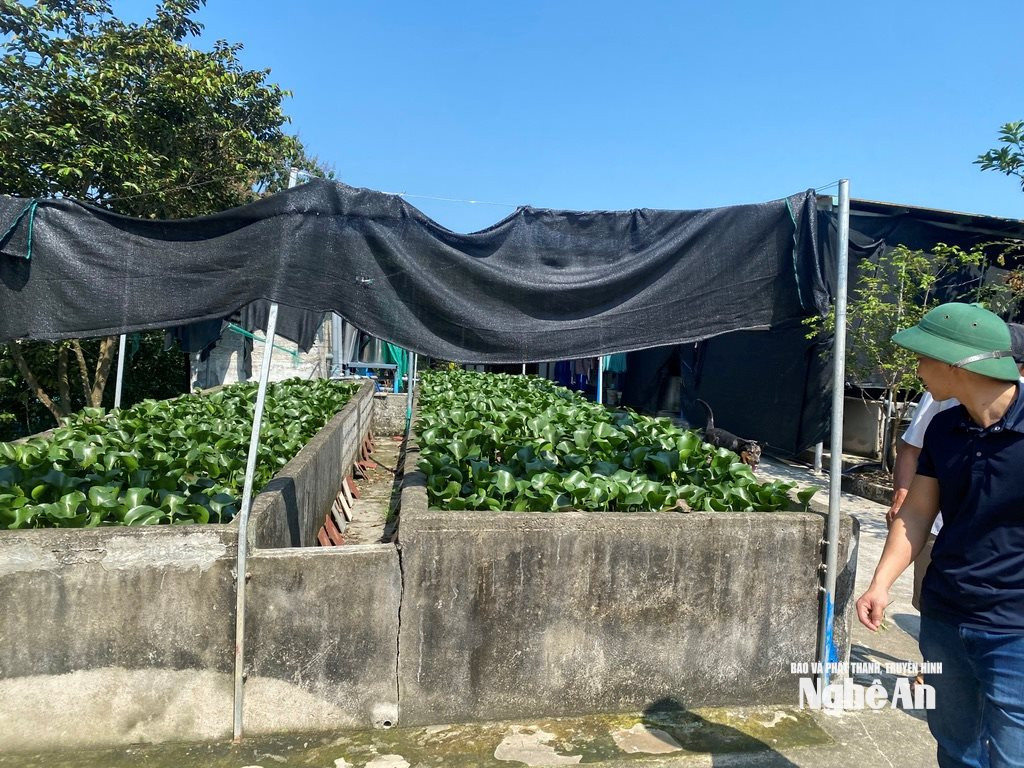
To facilitate eel breeding, he uses outdoor concrete tanks covered with water hyacinth to create a natural environment. The water hyacinth roots grow in clusters, making it easy for the eels to build nests and lay eggs. After the eels lay their eggs, they are collected regularly, usually every 7 to 10 days, and placed in an incubator.
According to Mr. Luong, on average, each female eel can lay 400-500 eggs; however, the hatching rate is only about 30%, therefore, controlling the incubation technique is a key factor. "Incubating eel eggs requires ensuring the correct temperature and humidity. This is the most difficult step; without experience and technique, failure is very likely," he added.
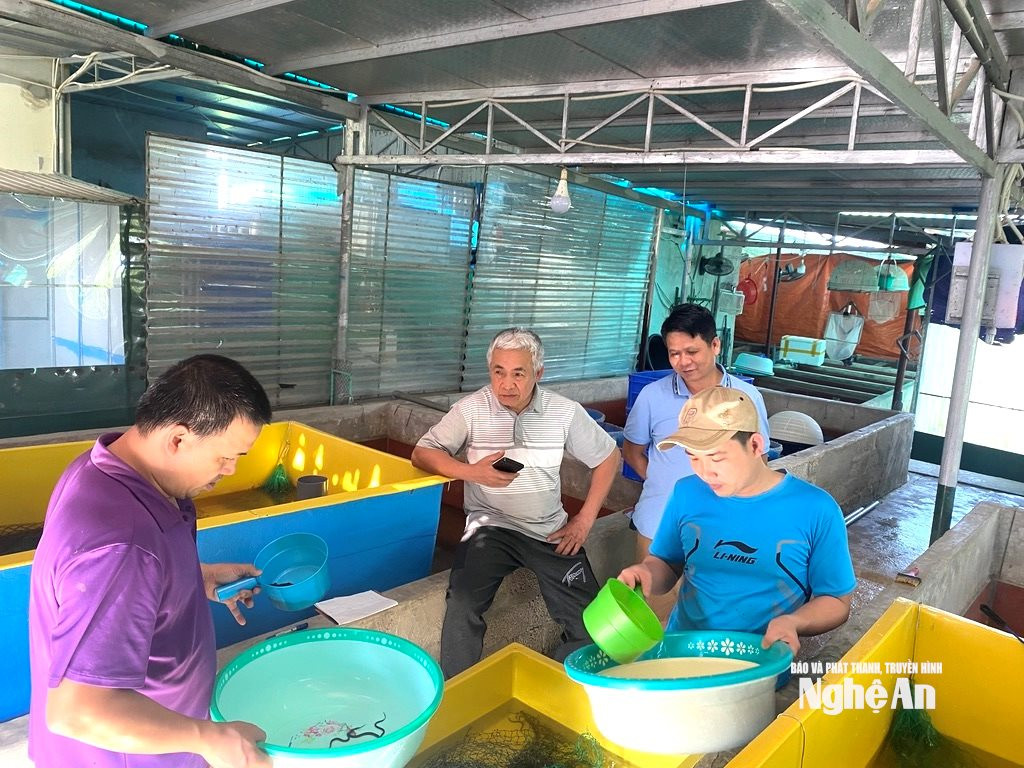
Currently, his farm has about 5,000 broodstock eels. The selection of eel fry is done very carefully, prioritizing healthy ones that are 10 months old or older and weigh over 100g. After being released into the ponds, the eels are cared for and fattened for 1-2 months before entering the breeding stage.
The main food source for the broodstock eels is fresh food such as trash fish, worms, shrimp, snails, etc., combined with commercial feed to ensure adequate nutrition. In addition, he regularly supplements their diet with immune-boosting substances, implements disinfection measures, and monitors the health of the eel population to minimize disease outbreaks.
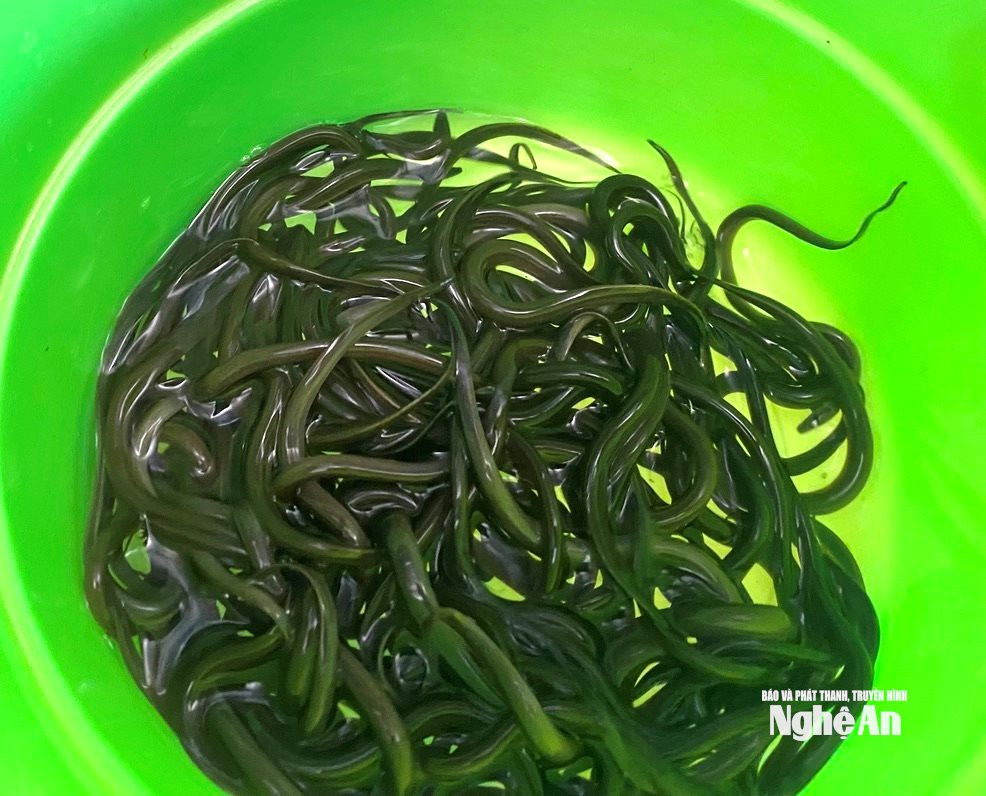
After the eggs hatch, the young eels are cared for for over a month before being sold. Thanks to the application of semi-artificial breeding methods, the eel fry are of high quality, healthy, uniform in size, and have minimal losses during commercial farming. This is a factor that helps Mr. Luong's products gain the trust and preference of many customers.
“On average, I harvest eggs three times a month, and annually I supply nearly 250,000 eel fry to the market. With a selling price of about 3,000 VND per fry, the revenue is about 700 million VND, and after deducting expenses, the profit is about 300 million VND,” Mr. Luong shared. Not only does he sell eel fry, but he also supports and transfers technical knowledge to newcomers to the profession, from building enclosures to proper care techniques.
The success of Mr. Luong's eel breeding model has spread throughout the region. Mr. Tran Van Hung, a commercial eel farmer in Bach Ngoc commune, said: "Previously, we had to buy eel fry from the South, which was expensive and not necessarily suitable for the local climate. Now, with a local source of fry, the price is cheaper and the quality is guaranteed, so we feel very secure."
According to local authorities, Mr. Hoang Luong's eel breeding model is considered a new direction that brings high economic efficiency and sustainability.
According to a representative from Hop Minh Commune People's Committee, over 200 households in the commune are currently involved in processing commercial eels. However, only one household has successfully implemented a model for breeding eels. This is considered a highly promising model that needs to be studied and replicated in the future to ensure a reliable source of breeding stock, serving the development of the local eel processing industry.
Developing this model not only helps increase people's income but also contributes to proactively securing local seed sources for communes in Nghe An province, reducing dependence on other regions.
However, to replicate the eel breeding model, support in terms of capital, technology, and training and technology transfer for the people is needed. This is because it is not an easy profession, requiring breeders to have knowledge, experience, and perseverance.
In the context of a rapidly transforming agricultural sector, models like Mr. Hoang Luong's eel breeding and egg incubation project are clear evidence of the application of science and technology in production. This is not only a way to help farmers increase their income but also contributes to building a modern agricultural system that adapts to the demands of development in the new era.