
Reading books helps maintain human depth in the digital age.
Each year, as Vietnam's National Book and Reading Culture Day returns, we have another opportunity to talk about books, reading, and knowledge. But simply honoring books as a beautiful symbol is perhaps not enough. More importantly, we must look deeper into the story of reading culture as a matter of human development, the future of the nation, and the soft power and intrinsic strength of the Vietnamese people.
Assoc. Prof. Dr. Bui Hoai Son
(Committee) (Commissioner of the National Assembly's Committee on Culture and Social Affairs)
Present:Hong ToaiApril 21, 2026
*****
Each year, as Vietnam's National Book and Reading Culture Day returns, we have another opportunity to talk about books, reading, and knowledge. However, simply honoring books as a beautiful symbol is perhaps insufficient. More importantly, we must look deeper into the story of reading culture as a matter of human development, the future of the nation, and the soft power and intrinsic strength of the Vietnamese people. In the context of the country entering a new stage of development after the 14th National Congress of the Party, with the requirement of both rapid growth and sustainable development, while simultaneously building Vietnamese people who are strong-willed, ambitious, and creative, the story of reading culture becomes even more significant.
Each year, as Vietnam's National Book and Reading Culture Day returns, we have another opportunity to talk about books, reading, and knowledge. However, simply honoring books as a beautiful symbol is perhaps insufficient. More importantly, we must look deeper into the story of reading culture as a matter of human development, the future of the nation, and the soft power and intrinsic strength of the Vietnamese people. In the context of the country entering a new stage of development after the 14th National Congress of the Party, with the requirement of both rapid growth and sustainable development, while simultaneously building Vietnamese people who are strong-willed, ambitious, and creative, the story of reading culture becomes even more significant.

Speaking of books is speaking of a very fundamental value. A good book not only provides information, but also helps people learn how to think, how to feel, and how to engage in dialogue with history, society, and themselves. Reading, in its deepest sense, is a journey of self-improvement. A nation that knows how to read, loves to read, and reads deeply is a nation that knows how to accumulate wisdom, cultivate character, and build a solid foundation for the future. Therefore, if culture is the spiritual foundation of society, then reading culture is a very fundamental part of that foundation.

This is even more true when considering that Resolution 80 of the Politburo on the development of Vietnamese culture has set a very clear requirement: Cultural development must be placed on par with economics, politics, and society; culture must become an endogenous resource and a driving force for national development. For culture to truly become a powerful force, we cannot ignore the capacity for acquiring knowledge, the depth of understanding, and the ability for lifelong learning within society. In other words, it is impossible to build a culturally strong nation if that society loses the habit of reading, or is only accustomed to short, fragmented pieces of information that are easily swept away in the digital age.

The current reality shows that we are not necessarily living in an era of "less reading," but rather in an era of "different reading." People today are exposed to words every day, even excessively, through social media, online newspapers, digital platforms, text messages, subtitled videos, countless status updates, and constantly updated information. But reading a lot doesn't equate to reading deeply. The worrying thing is that as the pace of digital life accelerates, and technology platforms are designed to keep users in a state of constant movement, the ability to concentrate, reflect, and delve into the depths of a problem is also at risk of being eroded.
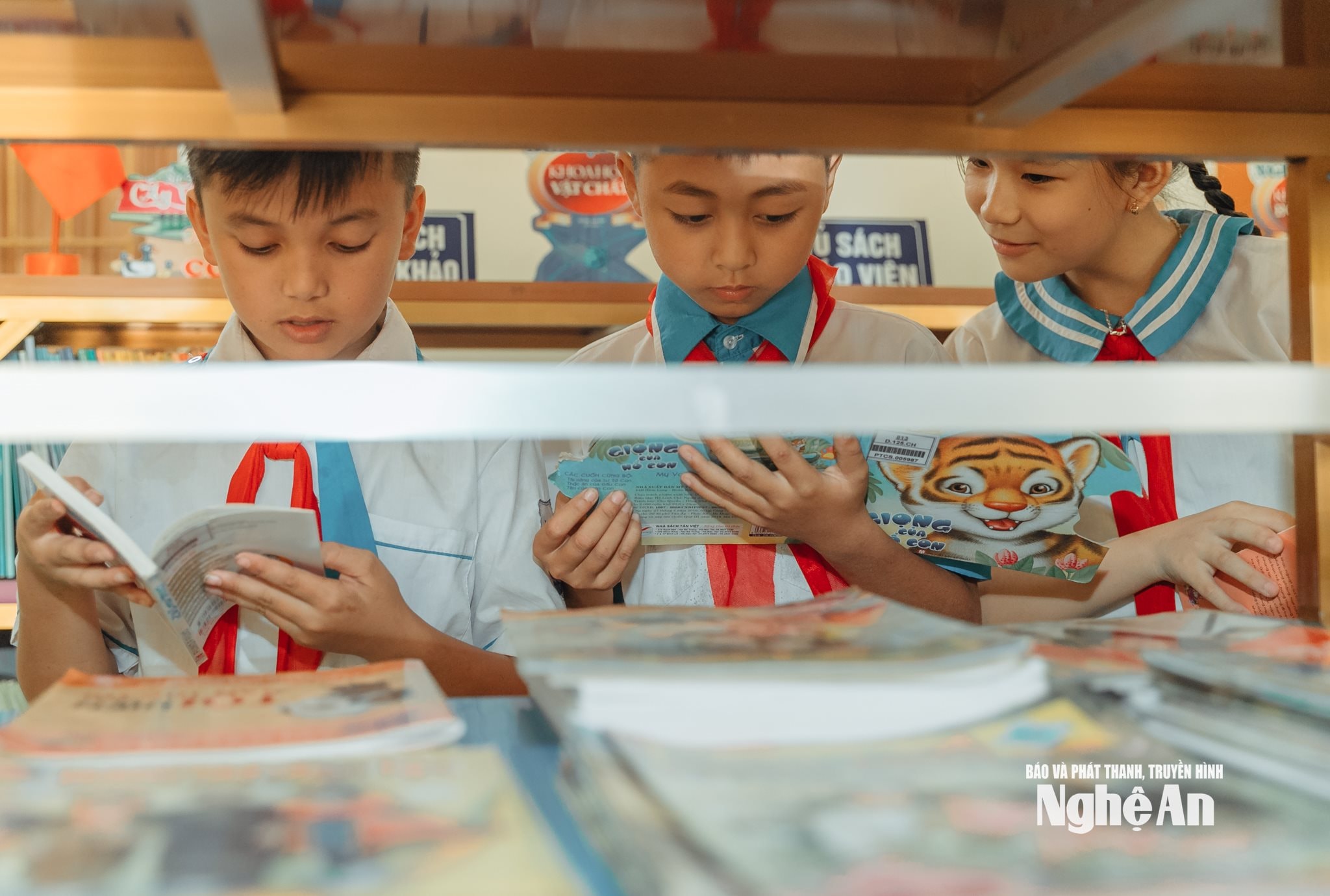
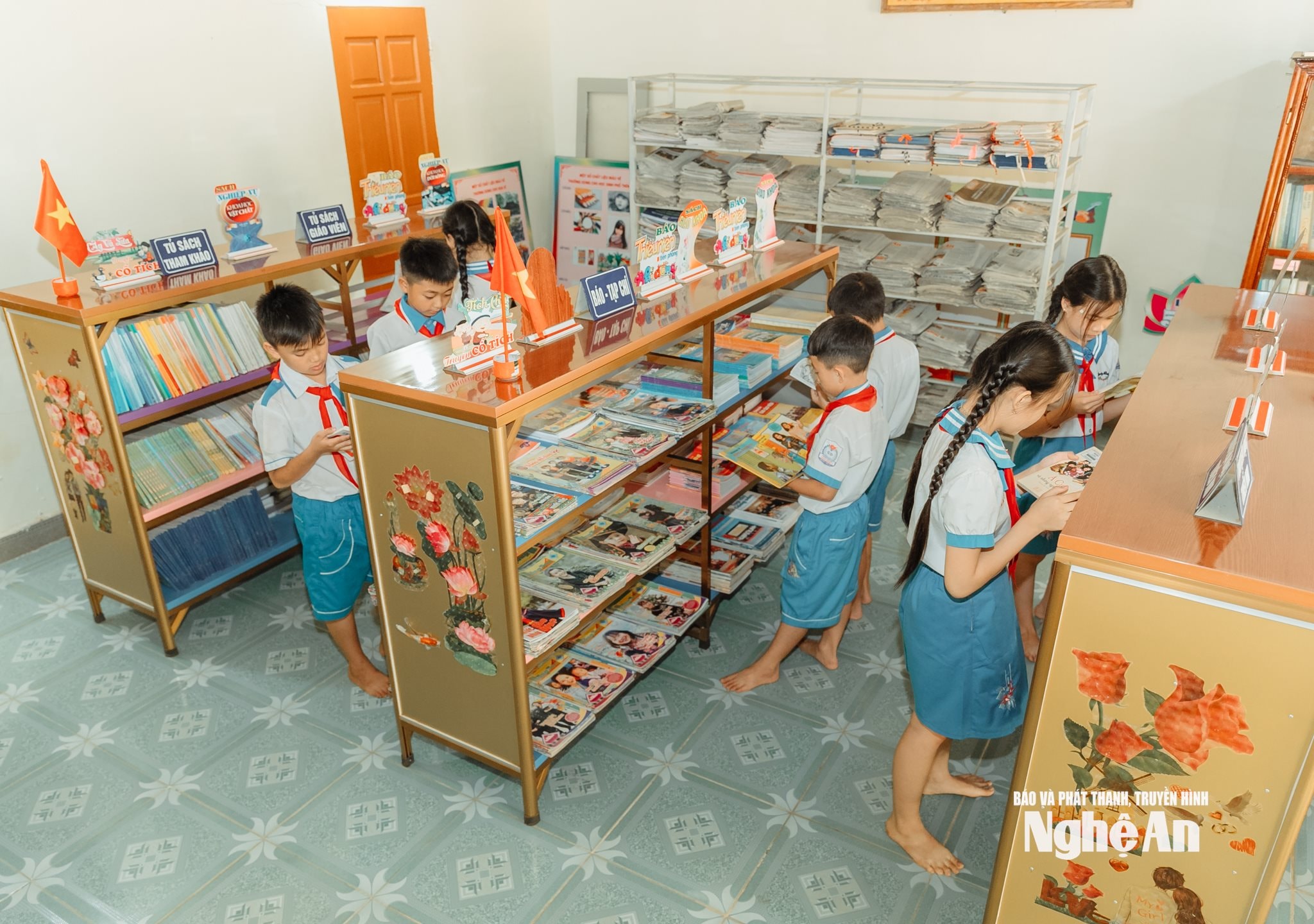
That is the biggest challenge facing reading culture today. It's not just about whether young people still love physical books. It's not just about whether libraries are crowded. It's about whether people still have the patience to sit down with a book, whether they still have the desire to read slowly, and whether they still have the depth to transform reading into intellectual growth. When reading is replaced by skimming, when reflection is replaced by instantaneous reaction, when knowledge is replaced by the feeling of "already known" thanks to a few short summaries, then society may be richer in information but not necessarily richer in understanding.
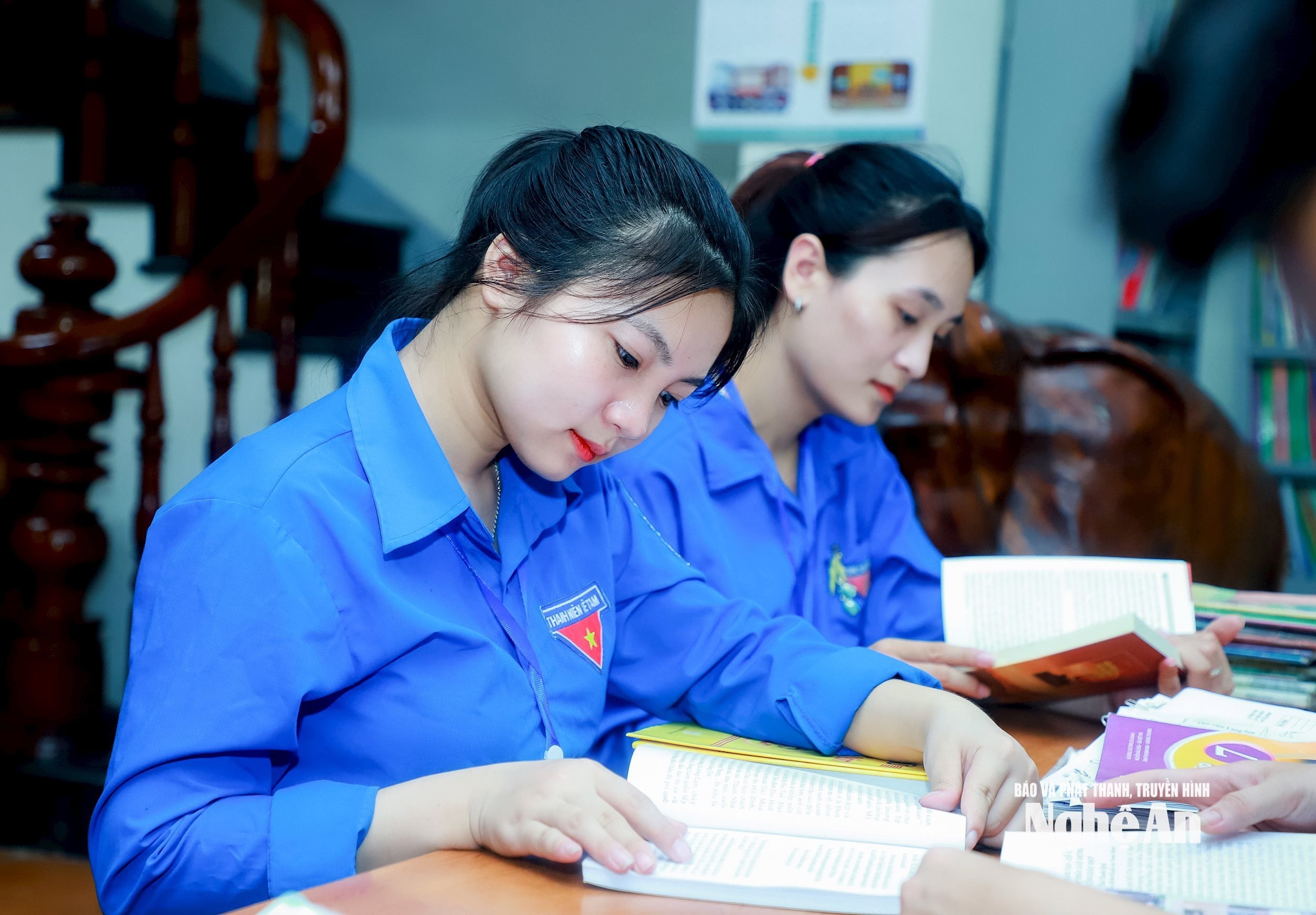
From this perspective, reading culture is not just a story of the publishing or education industry, but a story of human quality in the new era. A society accustomed to reading quickly, understanding superficially, and reacting hastily will easily become weary of complex issues, easily swayed by fleeting emotions, and lacking the resilience to face conflicting information. Conversely, a society that knows how to read deeply will have better analytical skills, healthier critical thinking abilities, stronger cultural resilience, and more sustainable creativity. Therefore, reading today is not an "old" habit to be preserved out of nostalgia, but a vital survival skill for people to exist intelligently and with dignity in the digital age.
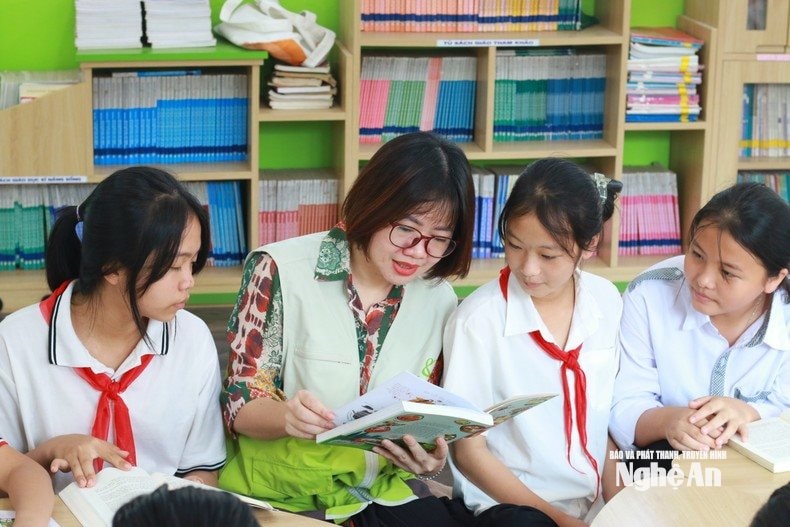

Looking at the world, many developed countries have moved beyond simply promoting reading culture as a movement, viewing it as a long-term strategy for building a learning society, developing human resources, and enhancing national competitiveness. They invest heavily in libraries, early reading education, community learning spaces, and the connection between books, technology, and daily life. Notably, in places where reading culture thrives, books are not isolated from life but become a natural part of social life. Children grow up with books at home. Young people encounter books in schools, libraries, and public spaces. Adults continue to read as a means of self-development, not just for exams or degrees.
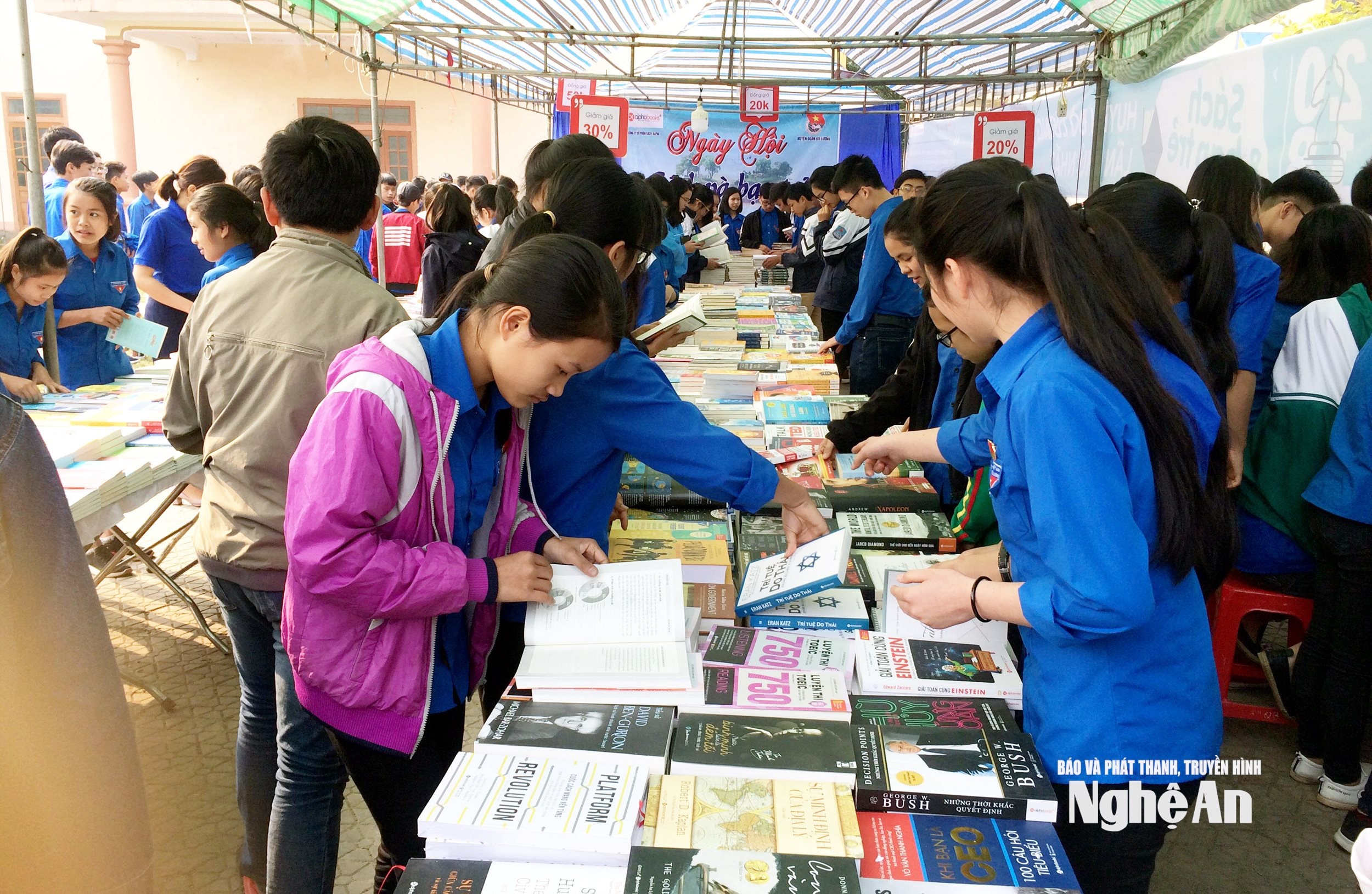
This is something Vietnam urgently needs to consider in the current context. We have made many commendable efforts in developing publishing, organizing book fairs, promoting libraries, and spreading the National Book Day and Reading Culture. But for reading culture to truly become a social norm, much more is needed. We need to shift from a movement-oriented mindset to a mindset of creating a reading ecosystem. This means not just organizing events, but creating an environment where people want to read, have the means to read, and are supported to maintain reading in the long term.
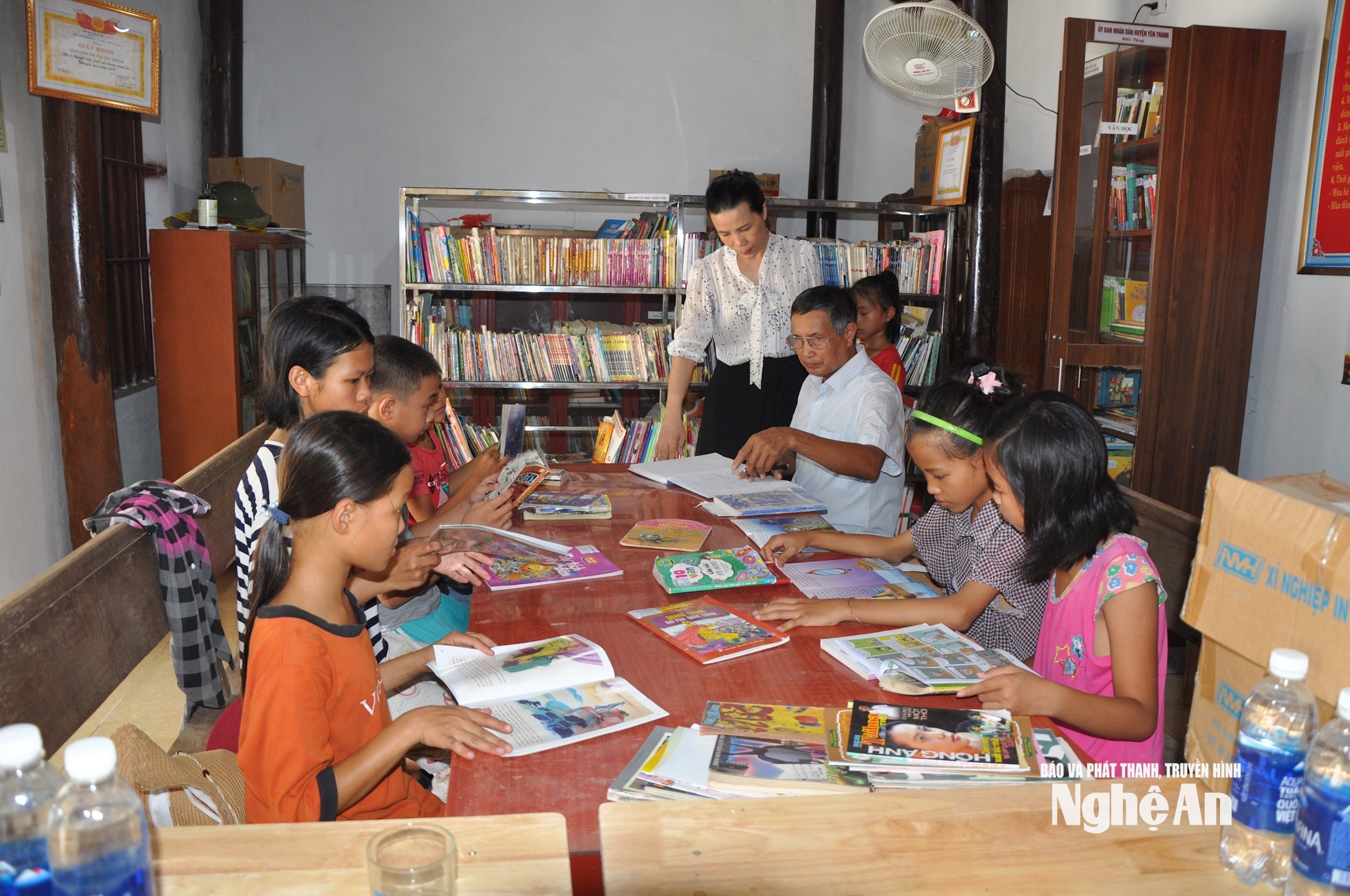

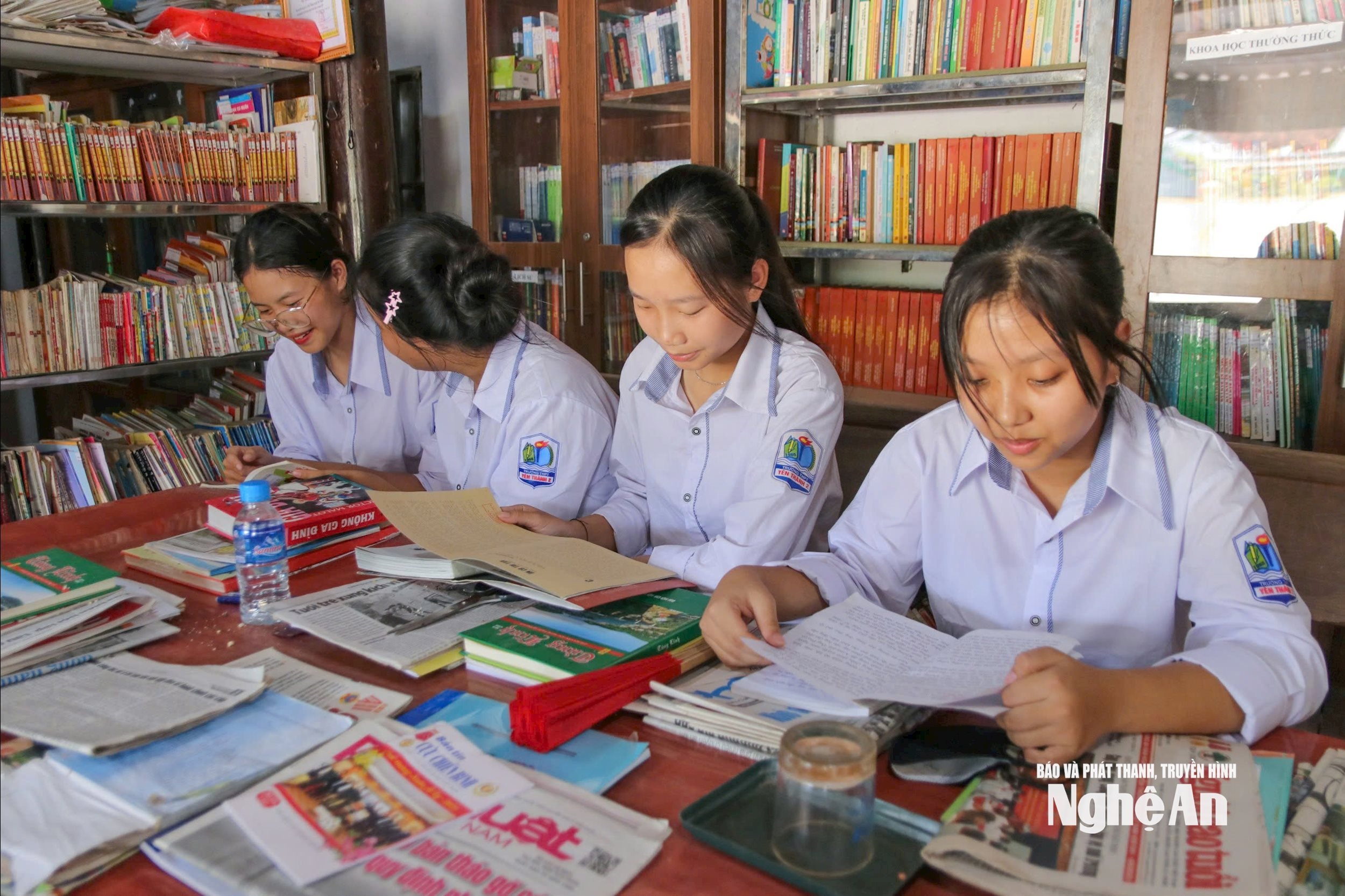
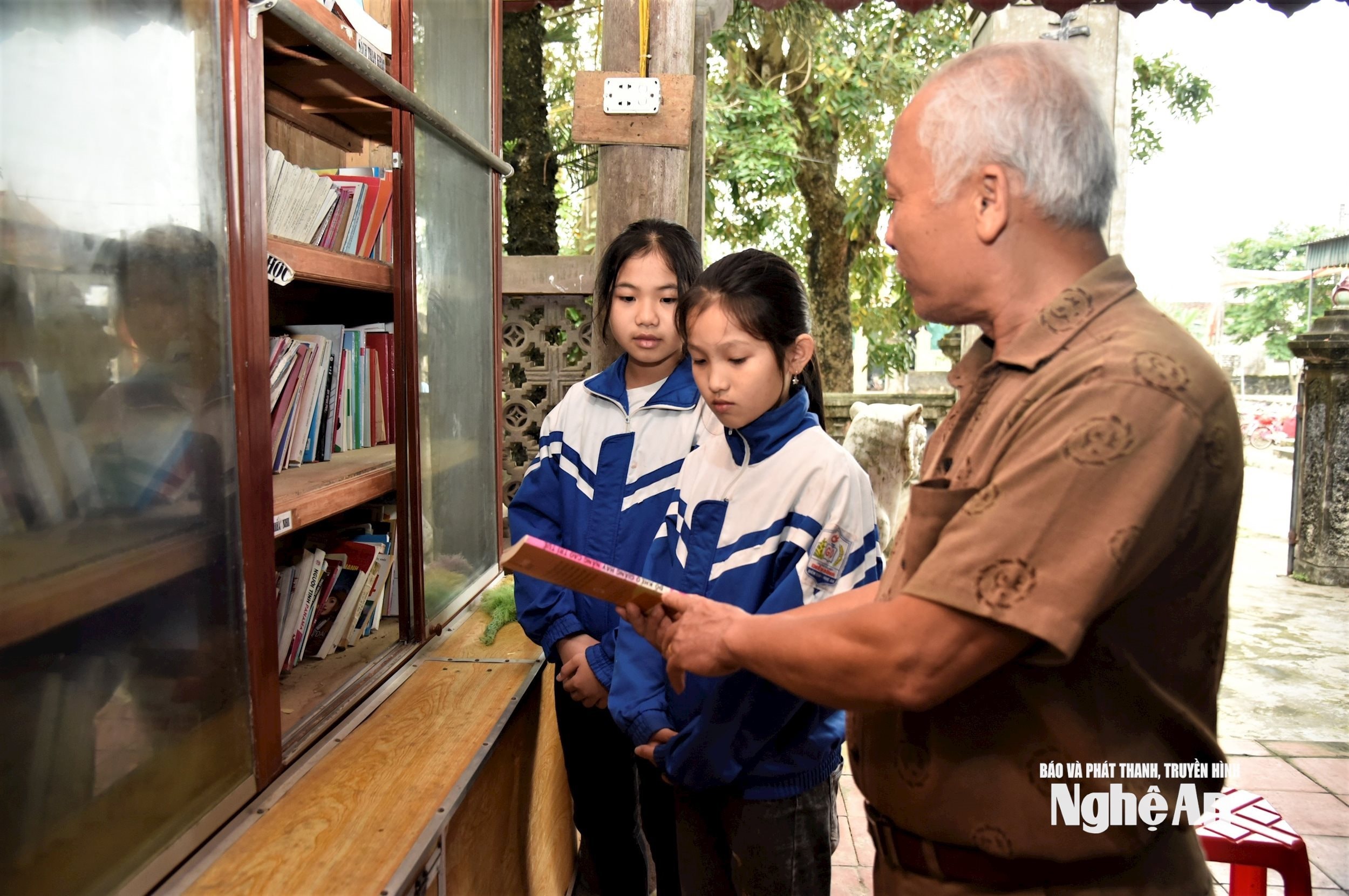
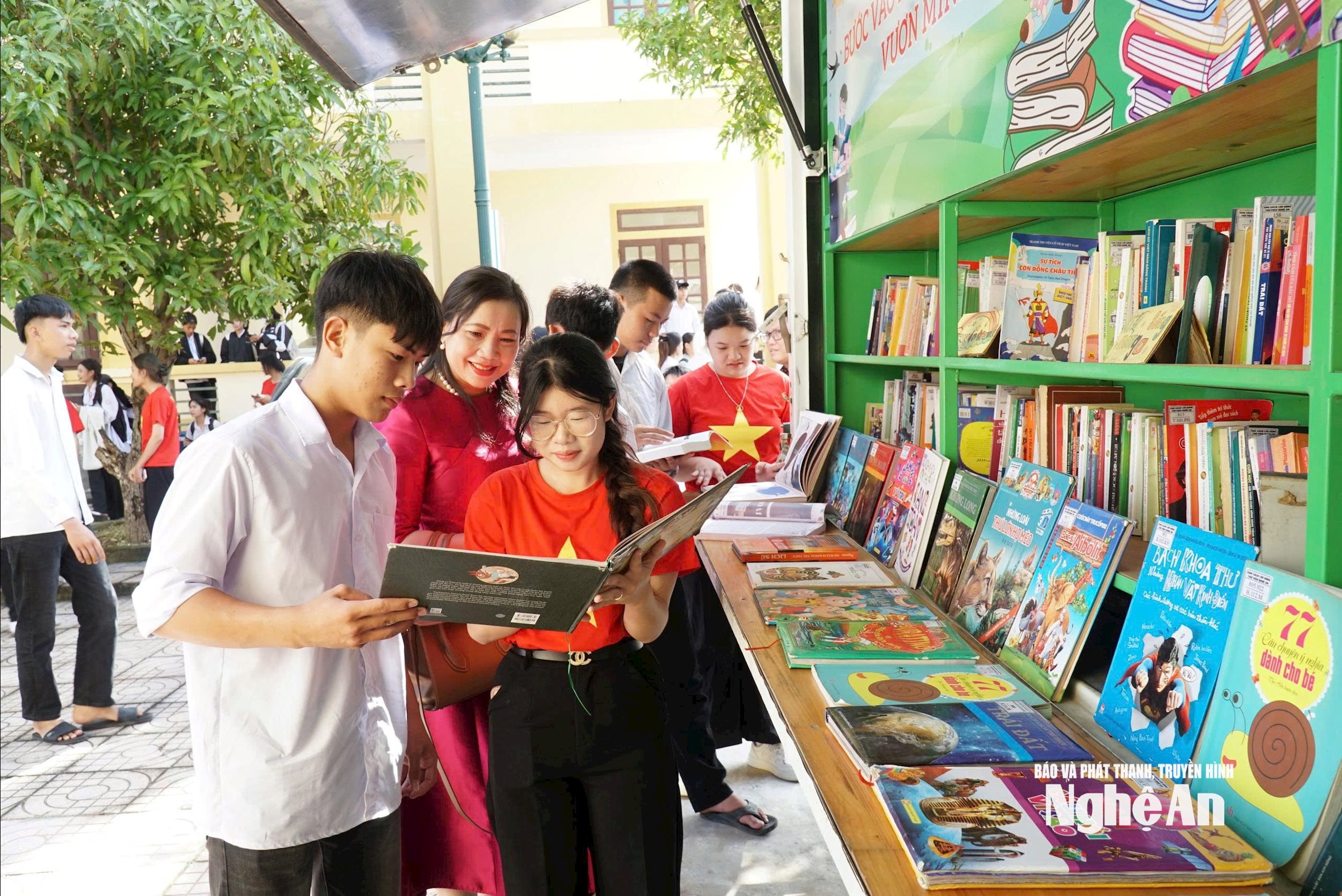
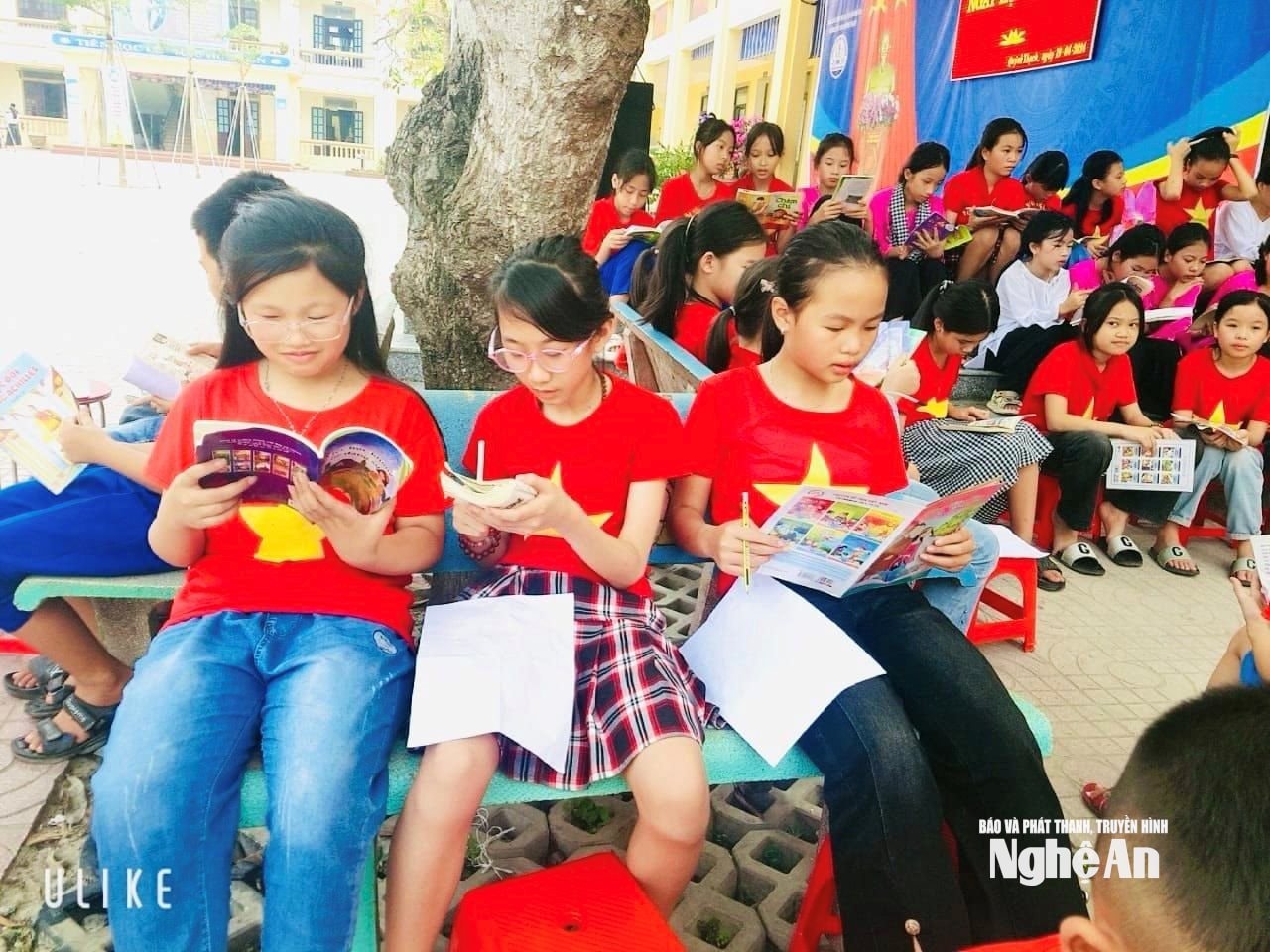
That ecosystem must begin first and foremost in the family. A child usually doesn't love books because of grand pronouncements, but because there's a book corner in their home, because they see their parents reading, because they're told stories before bedtime, and because their first book comes to them with the warmth of family affection. No institution can replace the family in sowing the seeds of a love of reading. When the family considers reading a part of life, the child will grow up feeling that books are not foreign objects, but companions.
After the family comes the school. But if schools want to foster a reading culture, they cannot simply stop at requiring students to "read for homework." Reading must be restored to its most beautiful meaning: exploring the world, discovering oneself, expanding imagination, and enriching the soul. Schools need to create a voluntary, enthusiastic, and diverse reading atmosphere where students not only read textbooks but also literature, history, popular science, skill-building books, and books about their homeland, country, and the world. A student who reads deeply today is a citizen with depth tomorrow.

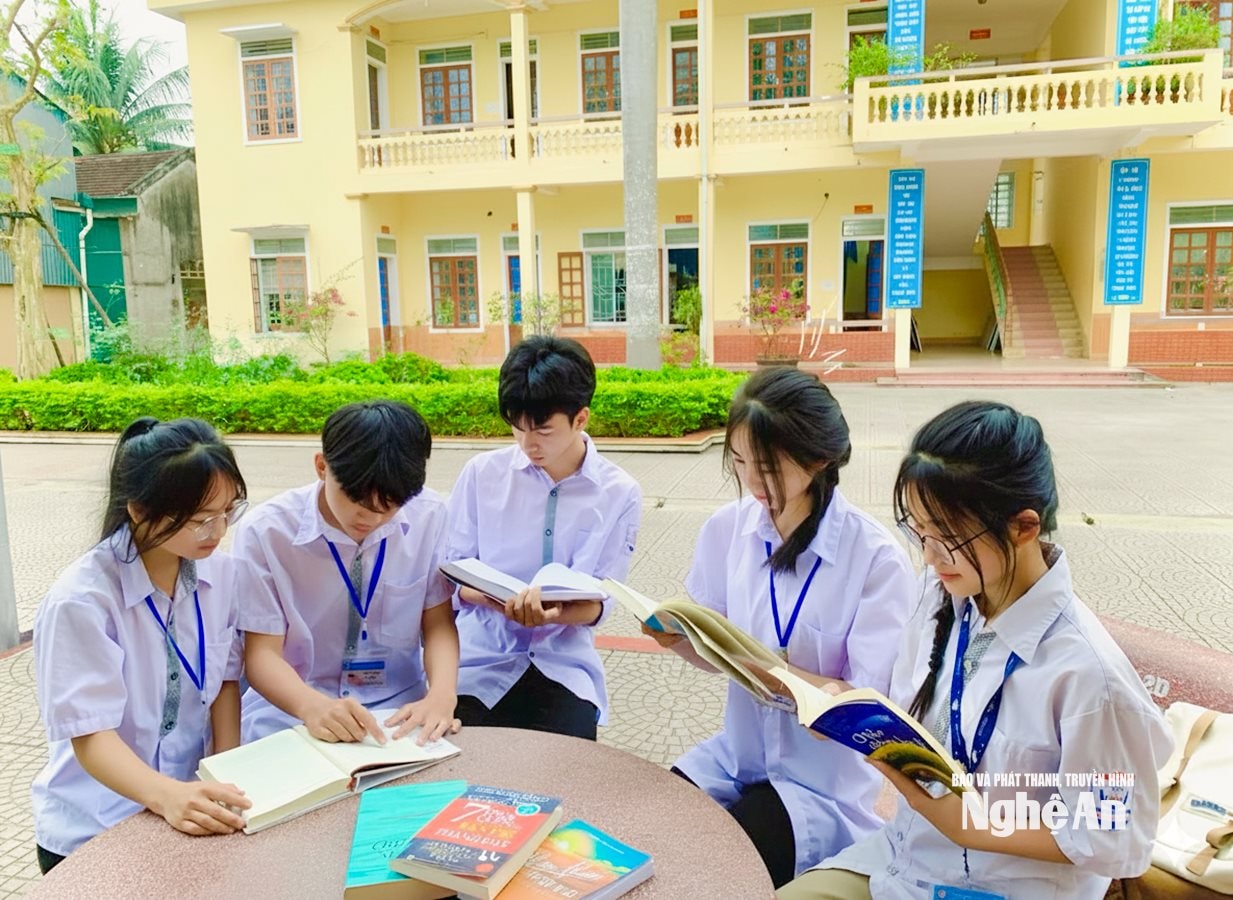
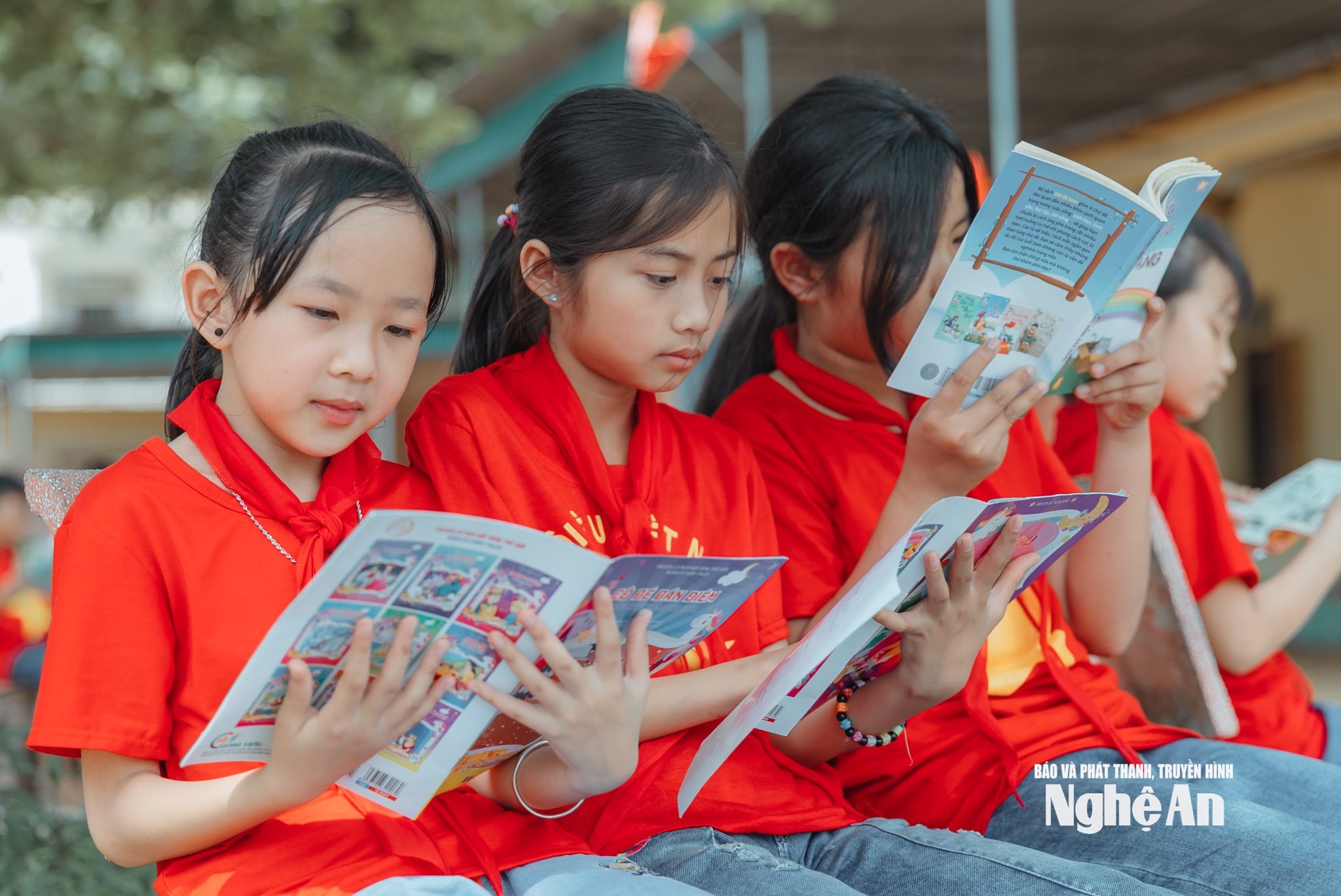
For Nghe An, this story holds special significance. This is a land rich in traditions of learning, resilience, and aspiration for progress. For generations, Nghe An has been known not only for its profound history but also for its tradition of valuing literacy, education, and morality. In the new context, this tradition needs to be continued with a new spirit of reading culture. It's not just about studying to pass exams, achieve success, and become famous, but also about reading to broaden horizons, cultivate character, and shape a generation of Nghe An people who are knowledgeable, capable, and adaptable, while still preserving the cultural essence of their homeland.
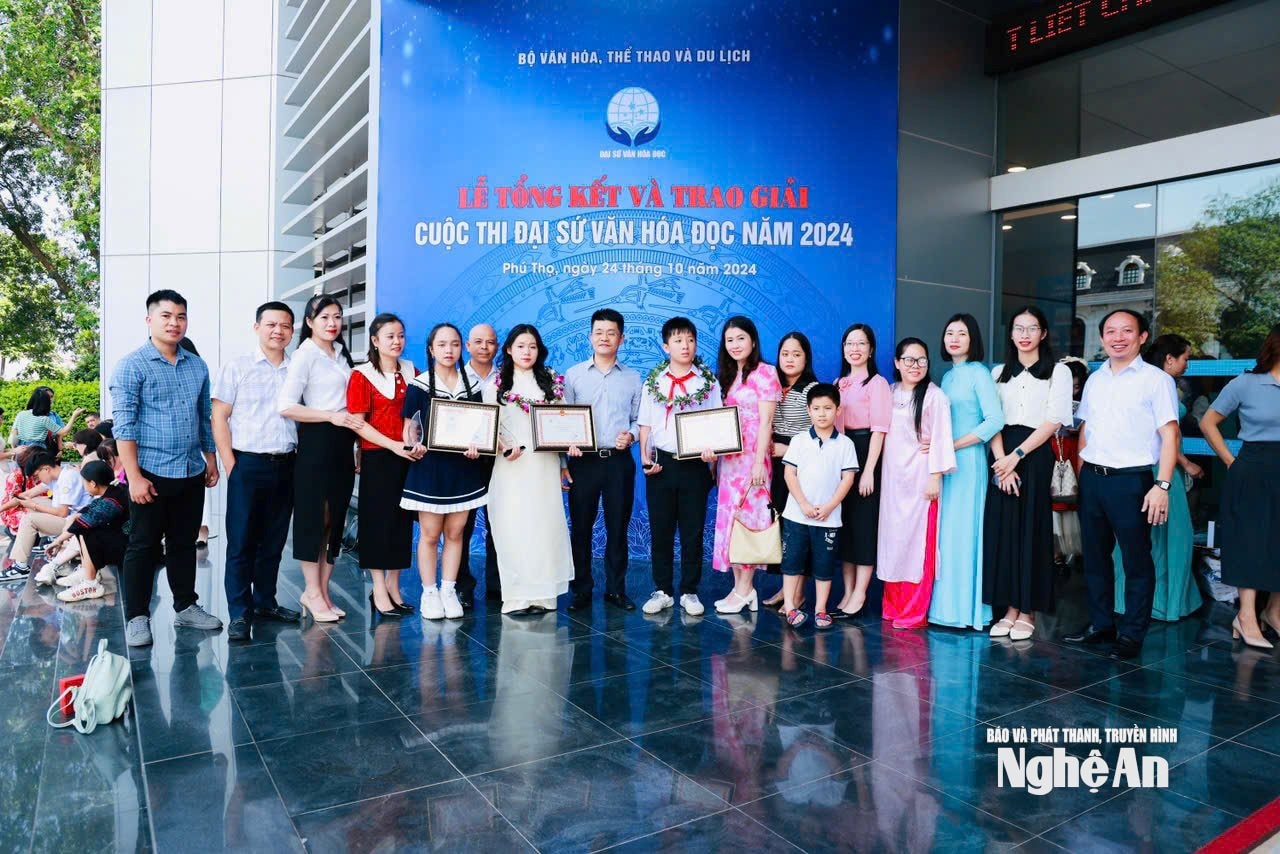
Therefore, raising the issue of books and reading culture is not just about commemorating a day, but about touching upon a very deep source of this land. For Nghe An, reading is not only about acquiring knowledge, but also about preserving a precious tradition. In the age of technology, that tradition cannot simply be mentioned with pride, but needs to be renewed with more appropriate approaches: more friendly libraries, more attractive community book collections, more vibrant reading activities in schools, a more flexible connection between paper and digital books, and especially the synchronized involvement of families, schools, the government, and social organizations.
It's also important to recognize that technology is not the enemy of books. The issue isn't about reading on paper or on a screen, but about what to read and how to read. If used correctly, technology can become an effective tool for spreading a reading culture, especially to young people, those in remote areas, and those with limited access to traditional libraries. However, technology is only truly meaningful when it serves in-depth, selective, and purposeful reading. Otherwise, technology itself can make the acquisition of knowledge more superficial and fragmented.
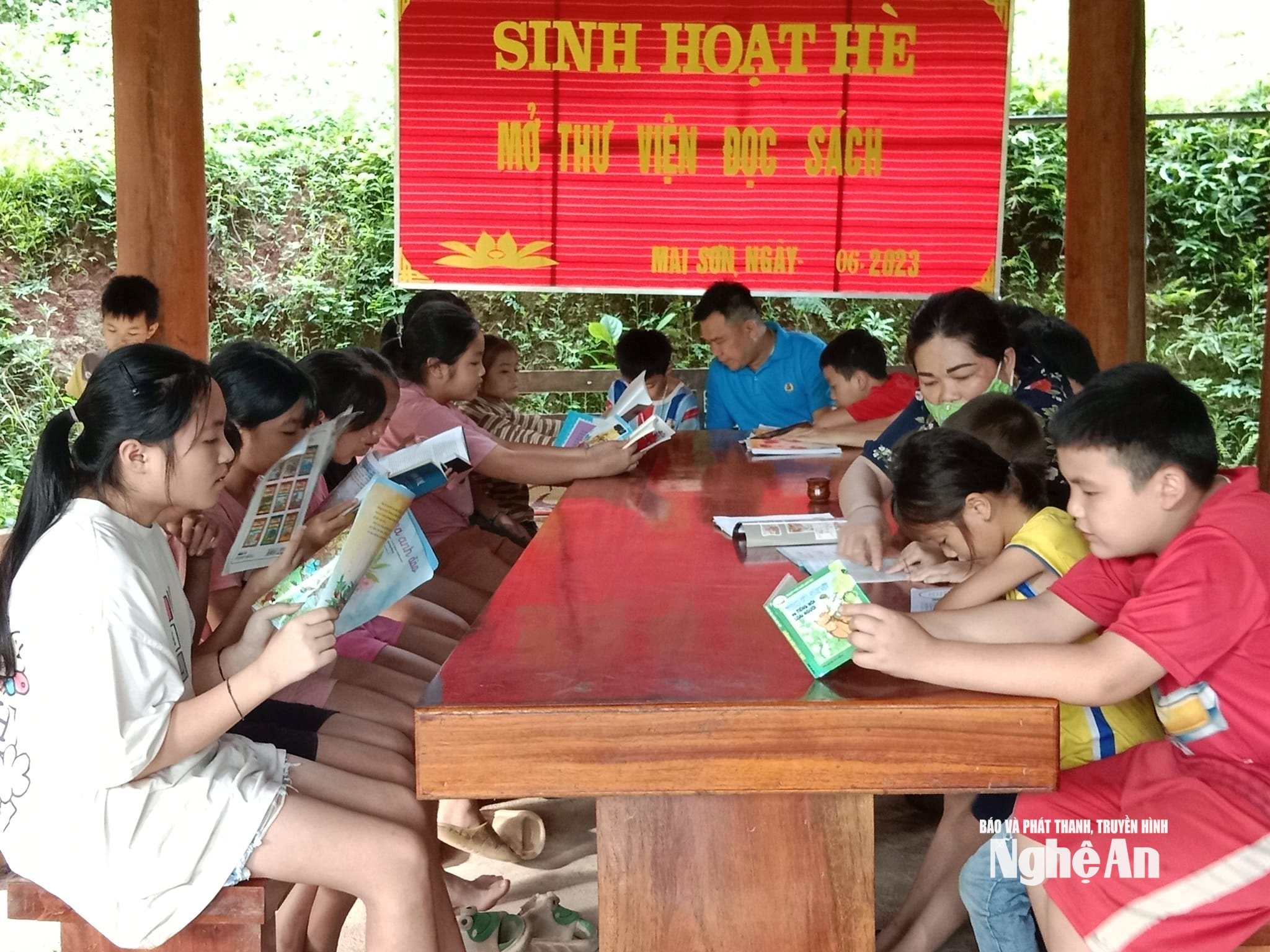
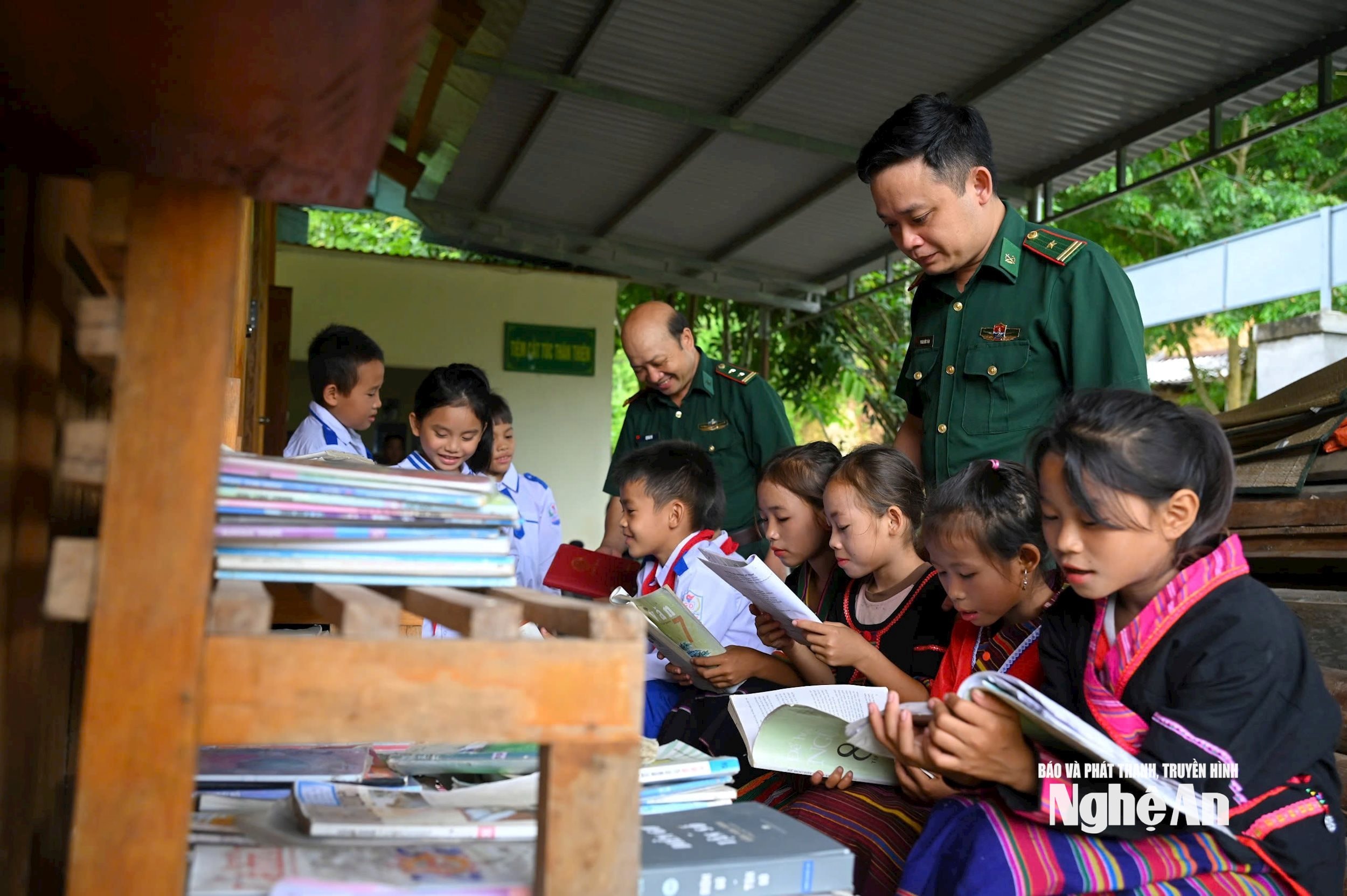
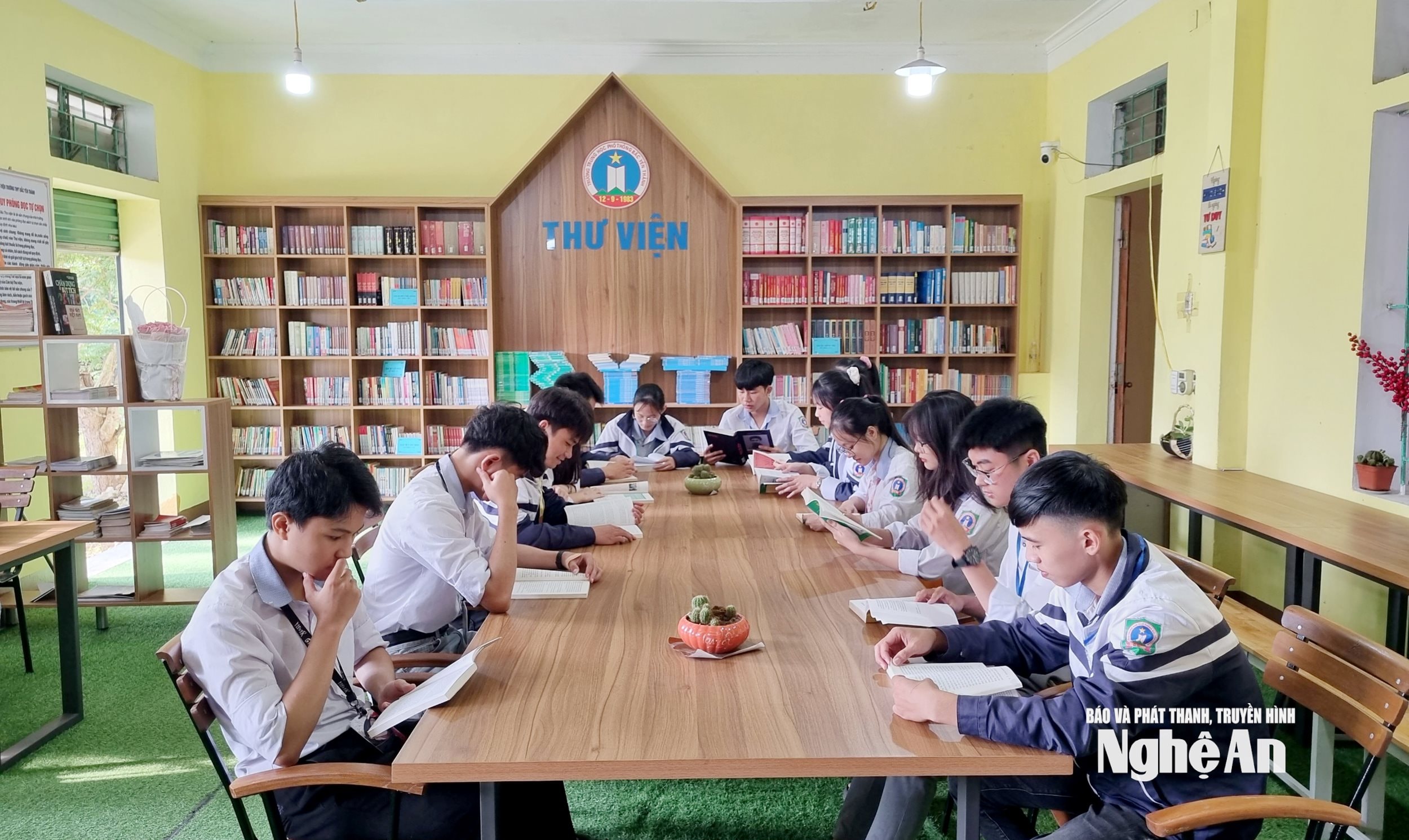
Therefore, what is most needed today is a balanced approach: expanding access to books through technology, while simultaneously protecting the depth of reading; encouraging fast reading for updates, but leaving room for slow reading for reflection; promoting concise content to attract attention, but ensuring society does not lose the ability to engage with long-term ideas. A nation that wants to develop greatly cannot survive on fragmented information. A society that wants to mature cannot rely solely on immediate reactions. And an individual who wants to be strong and capable cannot lack the capacity for in-depth reading.
On the occasion of National Book and Reading Culture Day, what is noteworthy is perhaps not just the number of new books printed, the number of book fairs organized, or the number of reading promotion programs launched. More importantly, we need to consider whether we truly understand that preserving and developing a reading culture is crucial for preserving the depth of Vietnamese character in the new era. As the entire country enters a new phase of development, with grand goals and aspirations, there is an even greater need for people who know how to read, think, reflect, and cultivate themselves through enduring values.
.jpg)
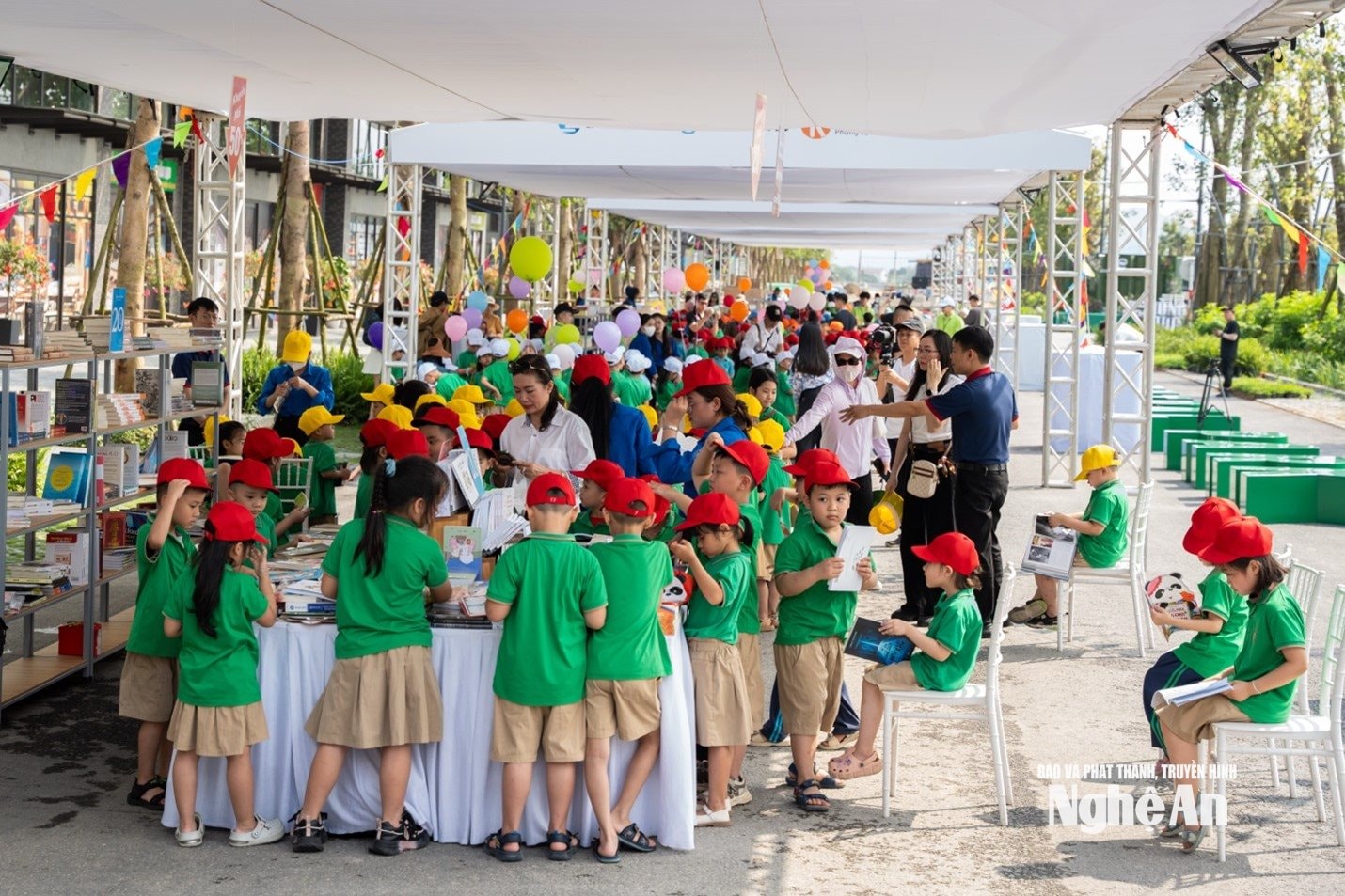
Books don't make everything. But without books, without a reading habit, without depth of knowledge, it will be very difficult to build a truly culturally strong, intellectually sound, and sustainably developed society. Therefore, maintaining a reading habit today is not just about preserving a beautiful aspect of spiritual life; it's about preserving a foundation for the future. And who knows, perhaps a single page opened in a small family in Nghe An today could begin a much larger journey: a journey of nurturing a person with depth, a generation with character, and a homeland that always moves forward through knowledge, culture, and aspiration.
Bui Hoai Son