

Israel faces tactical challenges and the risk of getting bogged down on the Lebanese front.
The Israeli army is facing significant difficulties due to Hezbollah's firepower and the changing nature of modern warfare in southern Lebanon.
Israel's military campaign in southern Lebanon is shifting from a limited objective to a protracted confrontation with significant strategic risks. While the initial goal was to push Hezbollah forces away from the border region, battlefield realities show Israeli units are facing major obstacles in maintaining control of the occupied areas.
The realities of the battlefield and armored vehicle losses.
Israeli units are facing meticulously prepared "kill zones" set up by Hezbollah in southern Lebanon. Losses of equipment, particularly Merkava tanks – a symbol of the Israeli army's strength – indicate that the combat environment there is harsher than anticipated. Flexible anti-tank attacks have put armored forces at a disadvantage in complex terrain.
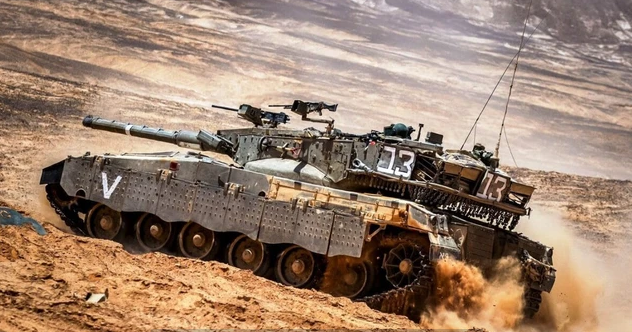
Furthermore, manpower shortages and the pressure of maintaining multiple fronts simultaneously are raising questions about the viability of the campaign over the long term. Acknowledgments from military leaders suggest the actual situation may be more serious than official announcements.
Discrepancies in military doctrine
One of the main reasons Israel is struggling lies in the disconnect between traditional military doctrine and the realities of modern conflict. While recent wars have emphasized the role of unmanned aerial vehicles (UAVs), long-range missiles, and asymmetric warfare, Israel continues to deploy large-scale armored forces in areas with high concentrations of anti-tank weapons.
Even with some tactical successes, maintaining territorial control in such an environment becomes extremely difficult. This causes the campaign to gradually shift from a clear military objective to a confrontation with no predetermined end point.
Buffer zone strategy and multi-front risk management.
Israel's current strategy in Lebanon shares many similarities with its approach in Gaza: focusing on creating a security buffer zone and destroying enemy infrastructure. However, applying this model in Lebanon carries greater geopolitical risks and could trigger large-scale population displacement.
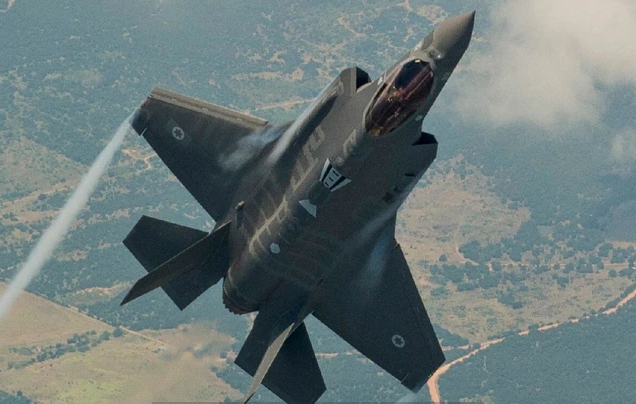
More importantly, even if Hezbollah forces are pushed back north, they will still maintain long-range missile and UAV capabilities. This makes the goal of establishing an absolute security corridor difficult to achieve. With Israel being left on the sidelines of negotiations between the US and Iran, Tel Aviv may face the reality of fending for itself in an increasingly complex and resource-intensive security environment.