

Concerns arise in the 700-year-old Trung Kien shipbuilding village.
The nearly 700-year-old shipbuilding village of Trung Kien (Hai Loc commune, Nghe An province), once famous for its long-standing traditional craft, is now facing many difficulties.
Traditional craft villages are "desperate" for work.
In the early months of the year, many shipbuilders in Trung Kien village faced prolonged unemployment and a significant drop in income. Since Tet (Lunar New Year), many workshops have only been operating at a reduced capacity, or have even temporarily ceased production, causing considerable hardship for the workers.
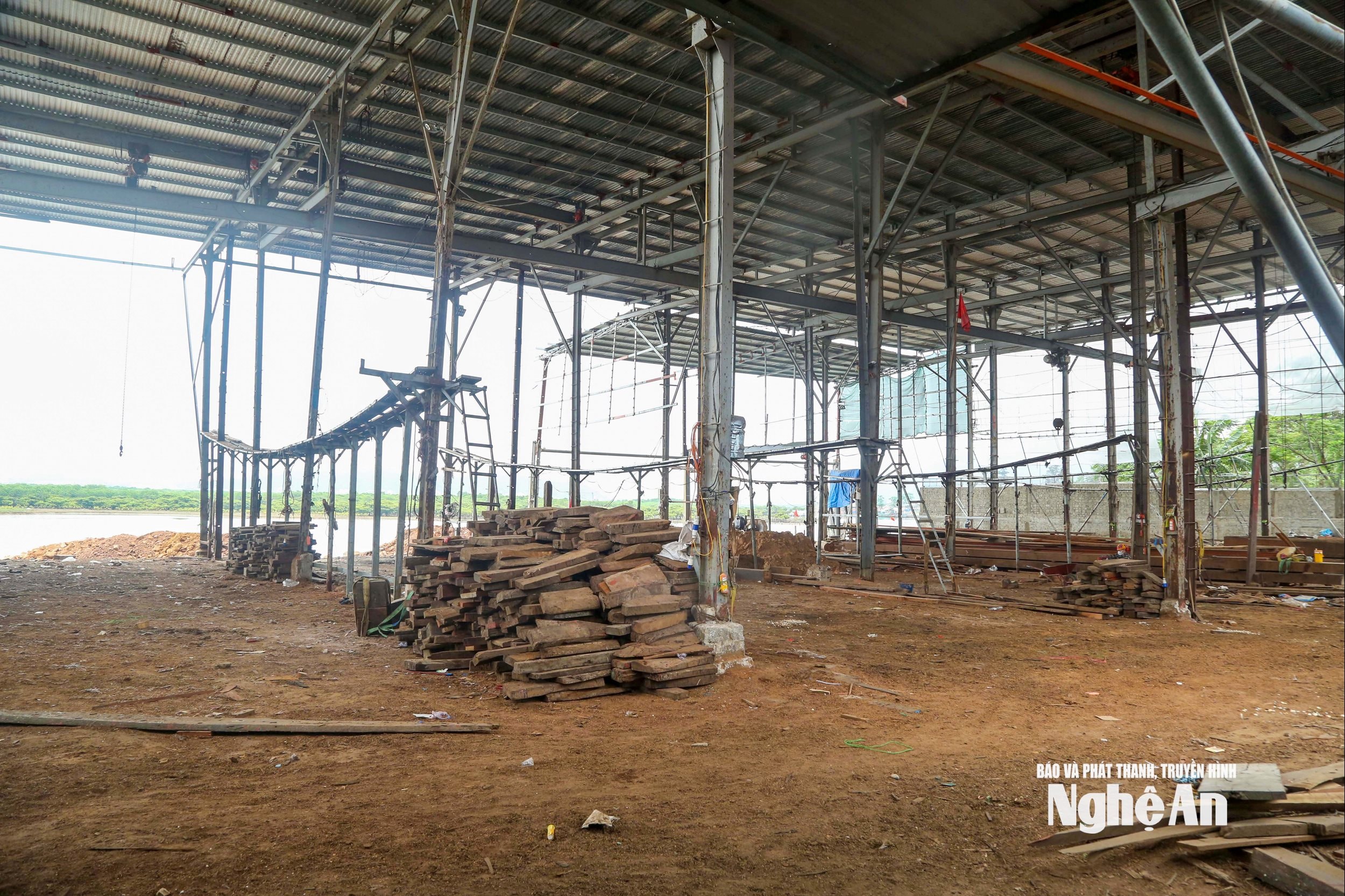
Along the shipyard, a somber atmosphere prevails. Logs lie motionless; the sounds of sawing and hammering that once echoed day and night are now only heard sporadically at a few remaining workshops.
The main reason stems from fluctuations in the fisheries industry. Restrictions on building new fishing vessels, coupled with the trend of increasing costs in seafood exploitation, have led to fewer fishermen building new boats, resulting in significant job losses in the Trung Kien shipbuilding village. The decline in demand has led to fewer orders, and many workshops no longer have enough work to sustain themselves.
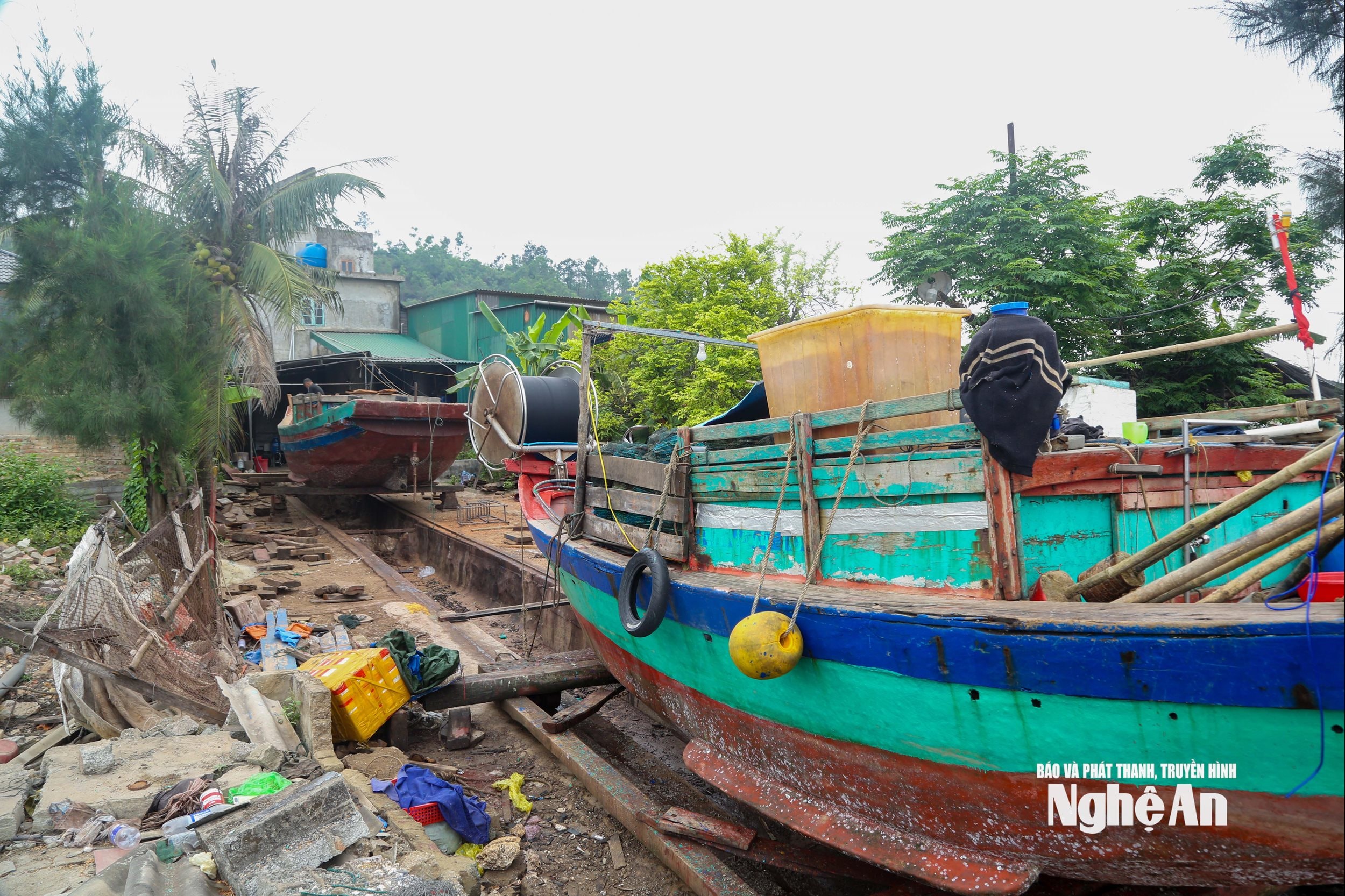
Soaring fuel prices have significantly increased the cost of each fishing trip, while seafood prices remain volatile. Many ship owners are facing the situation where "fishing doesn't even cover fuel costs," forcing them to keep their vessels docked for extended periods. When ships aren't at sea, the demand for new construction or repairs has virtually frozen, directly impacting the jobs of shipbuilders.
Faced with a lack of work, many workshops have been forced to switch to repairing and refurbishing old ships to survive. However, the work is irregular, low-value, and only enough to cover expenses. Many establishments have had to temporarily cease operations, leaving workers to live from day to day.
Mr. Nguyen Duc Chat, a shipbuilder with over 40 years of experience in Trung Kien Shipbuilding Village, said that he has had virtually no work since Tet (Lunar New Year). "I heard the workshop owner say there would be work at the end of March, but there still isn't any. If there's still no work in the coming days, I'll have to go somewhere else to find it," Mr. Chat shared.
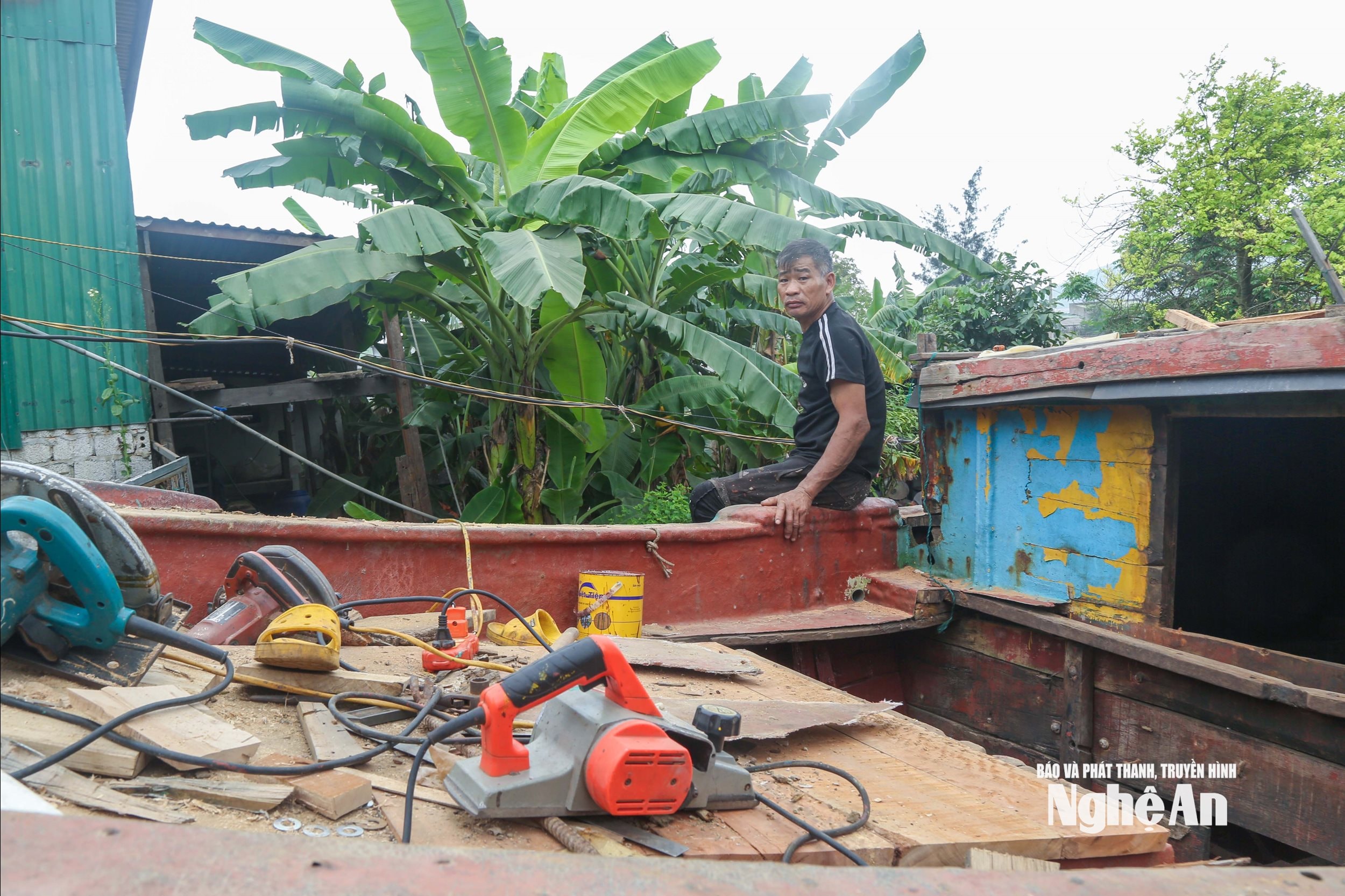
At a small workshop, Mr. Thuan is quietly repairing a ship for a customer. Gone are the days of large groups of workers; he handles every step himself. "Now, I mainly work for profit; I don't dare hire more people because there isn't consistent work. Work is sometimes there, sometimes not, but I'd be too sad to give up the profession," he said.
Faced with prolonged difficulties, some households have switched to other occupations to make a living, such as oyster farming or small-scale trading, in order to stabilize their income. Many young workers have also chosen to leave their hometowns to work in industrial zones or as migrant laborers.
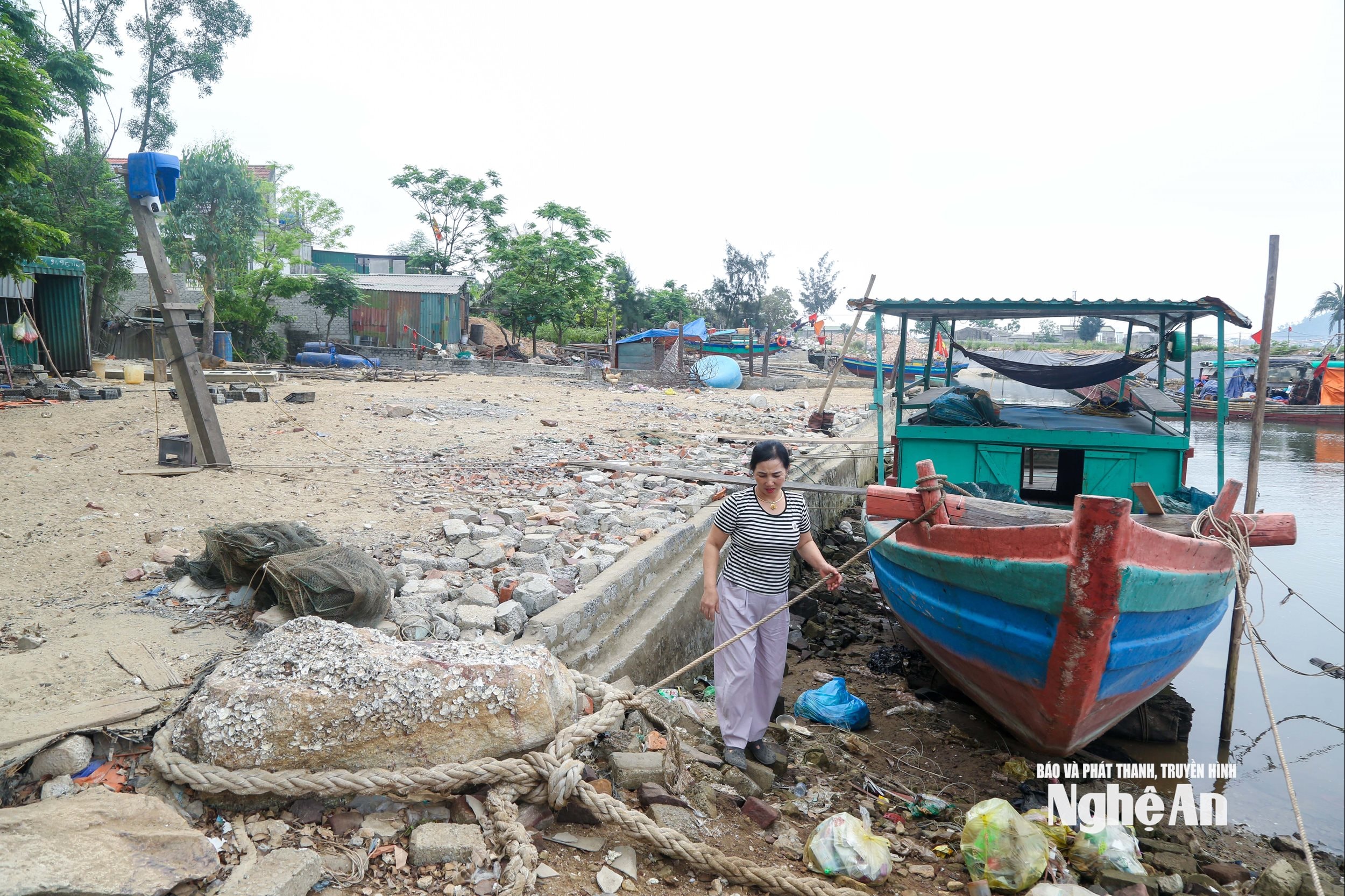
Keeping the passion for the craft alive in difficult times.
Trung Kien shipbuilding village is one of the oldest shipbuilding villages in the coastal area, established nearly 700 years ago. Through many historical changes, shipbuilding has not only been a livelihood but also a source of pride and a part of the cultural memory of the local people.
The village's heyday lasted from the late 1990s to around 2017. During that time, Trung Kien Shipbuilding Village was considered a familiar destination for many shipowners from coastal provinces such as Quang Binh, Thanh Hoa, and Quang Ninh, who came to place orders. At one point, nearly 50 workshops operated continuously, providing jobs for hundreds of local workers. The bustling production atmosphere, with the sounds of hammers and chisels echoing day and night, created the distinctive rhythm of life for a coastal craft village.
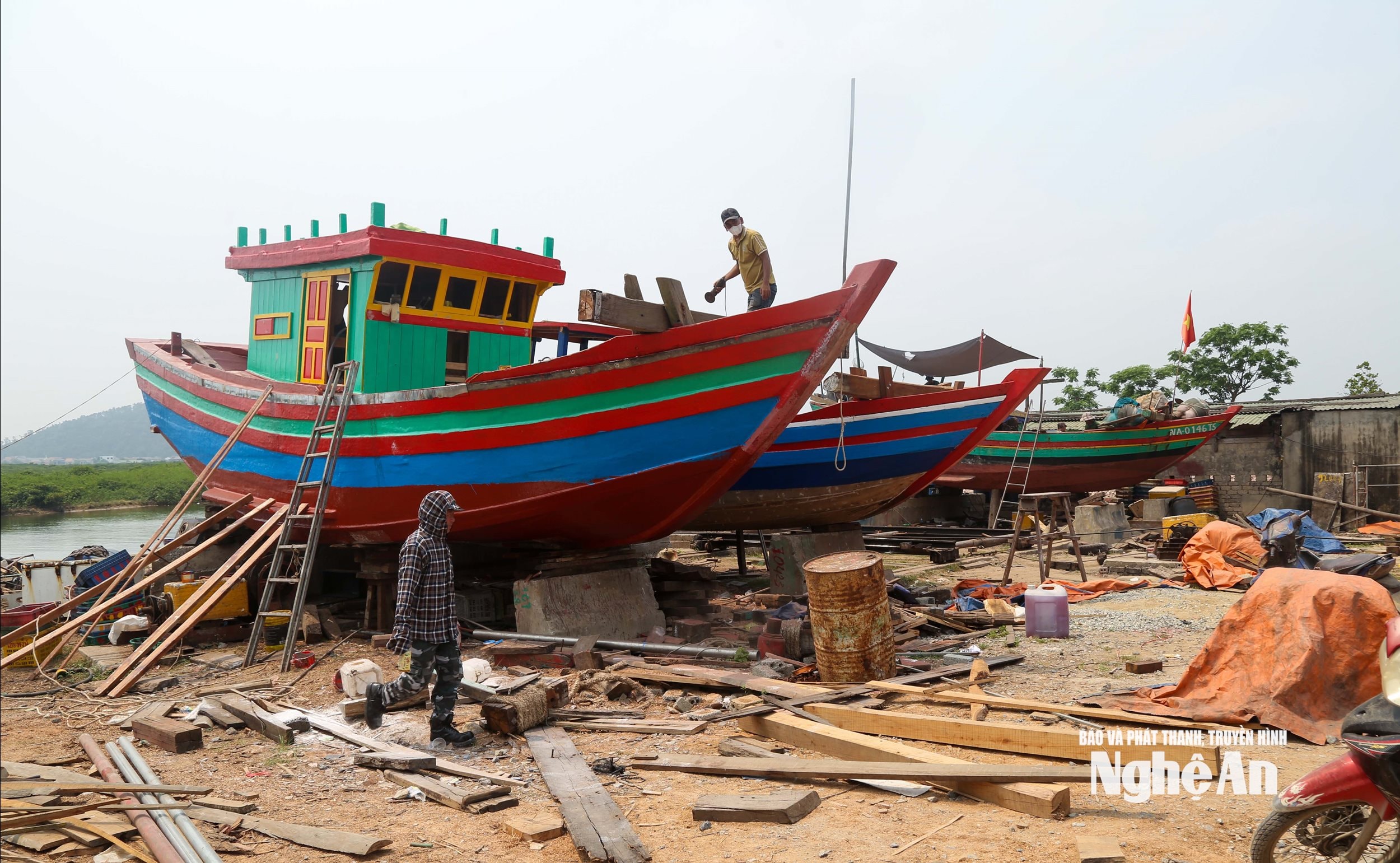
Beyond its economic value, Trung Kien Shipbuilding Village also holds a historical significance, having participated in building ships for maritime missions during the war years. In 2003, the Trung Kien Shipbuilding and Carpentry Cooperative was established with 39 members and over 300 workers, contributing to the development of the craft in a more systematic way and maintaining its stability for many years.
However, due to market fluctuations and changes in shipbuilding demand, the craft village gradually fell into a difficult period. The number of orders decreased, and production was no longer as vibrant as before. Nevertheless, amidst these ups and downs, there are still craftsmen who persevere in their trade, preserving the "spirit" of their ancestors.
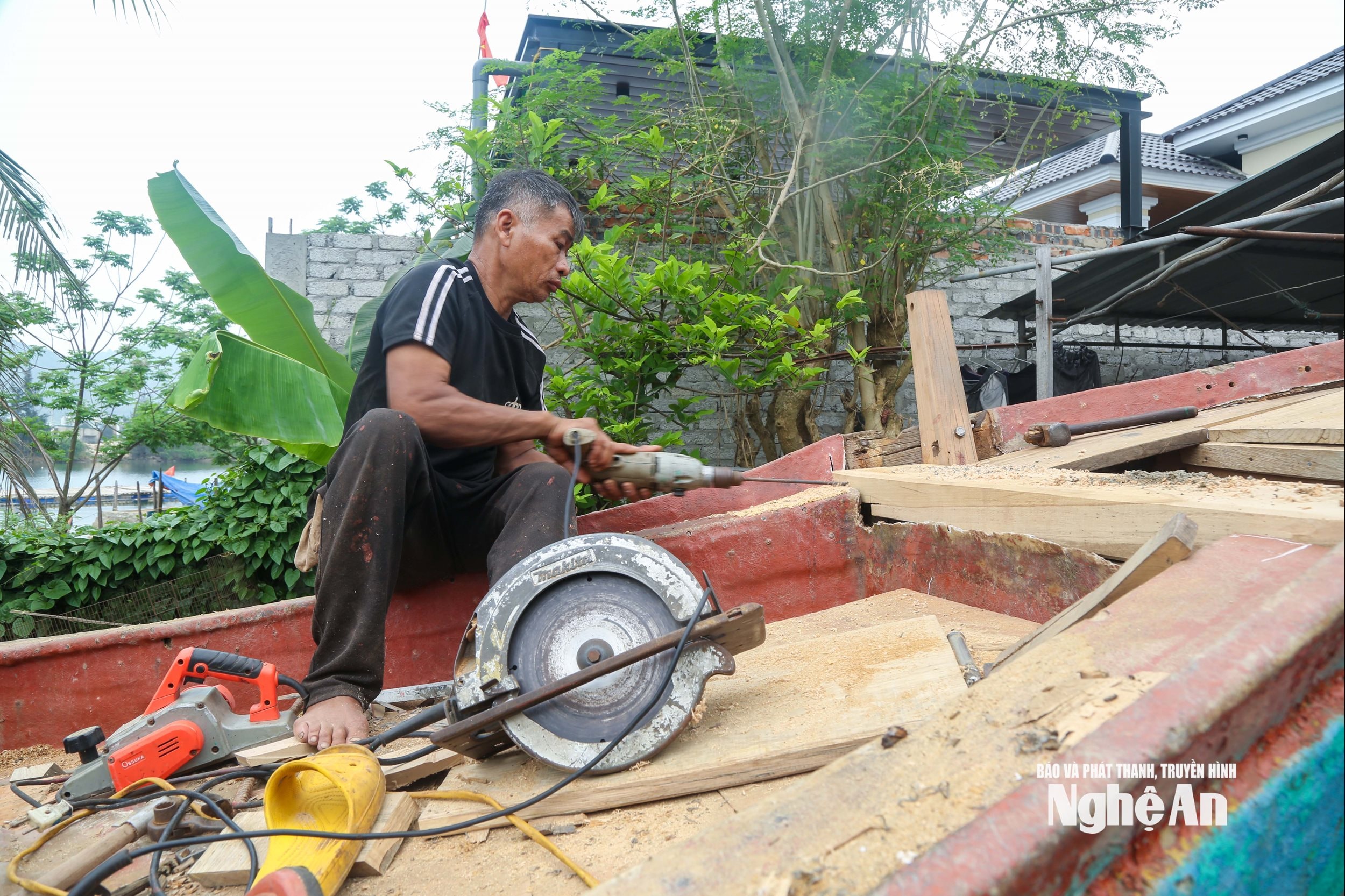
Mr. Hoang Van Le, Director of Trung Kien Shipbuilding and Carpentry Cooperative, shared: “Shipbuilding is not only a livelihood but also the honor of our entire village. It's easy to abandon the profession, but rebuilding it is incredibly difficult. This is a craft passed down from our ancestors, and we will try to preserve it for as long as we can.”
At a shipyard in the village, Mr. Hoang Van Son, who has been involved in the trade since childhood and has continued the family tradition for generations, said that currently, they mainly repair ships. “Since the beginning of the year, the workshop has only repaired a few ships, creating jobs for about 6 workers. Now, we mainly work for a fee, not building as many new ships as before. There are many difficulties, but we still try to stick with the trade to preserve the craft of our ancestors,” Mr. Son said.
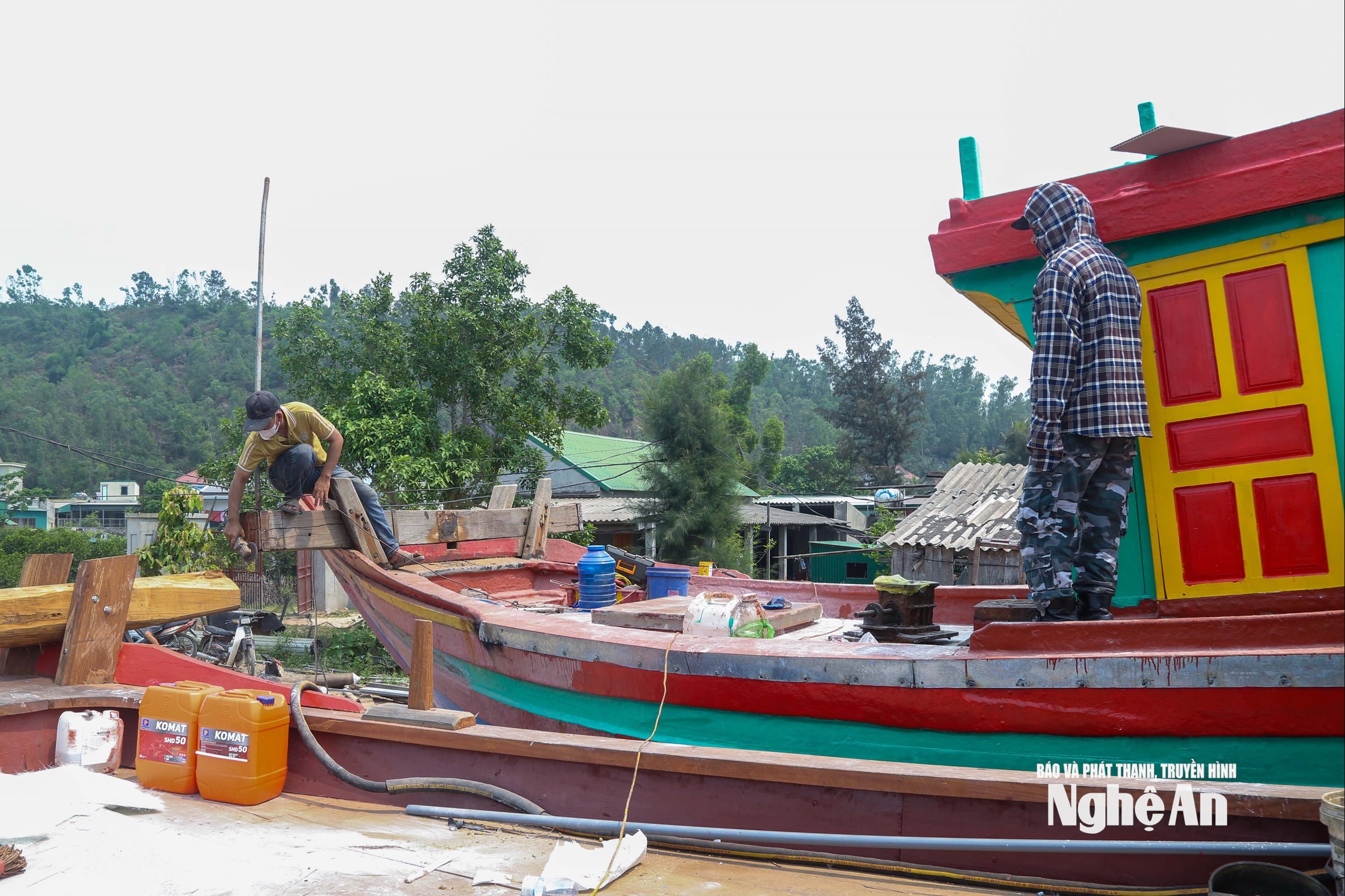
The craftsmen in Trung Kien Shipbuilding Village understand that if they give up, the craft could gradually fall into oblivion. Therefore, despite the unstable income, they choose to stay, not only for their livelihood but also out of responsibility and pride in their traditional craft.
For them, each completed ship is not just a product of labor, but the culmination of experience, technique, and almost absolute meticulousness. Even a small deviation can affect its durability and operational capability at sea.
Mr. Dau Xuan Luan, Vice Chairman of the Hai Loc Commune People's Committee, said: Currently, the locality does not have a specific mechanism dedicated to the Trung Kien shipbuilding village. Because the local government has only recently been established, it has not yet had the opportunity to conduct in-depth research and comprehensive assessment to develop appropriate policies. In the future, we will continue to study the practical situation to have a more suitable support orientation.
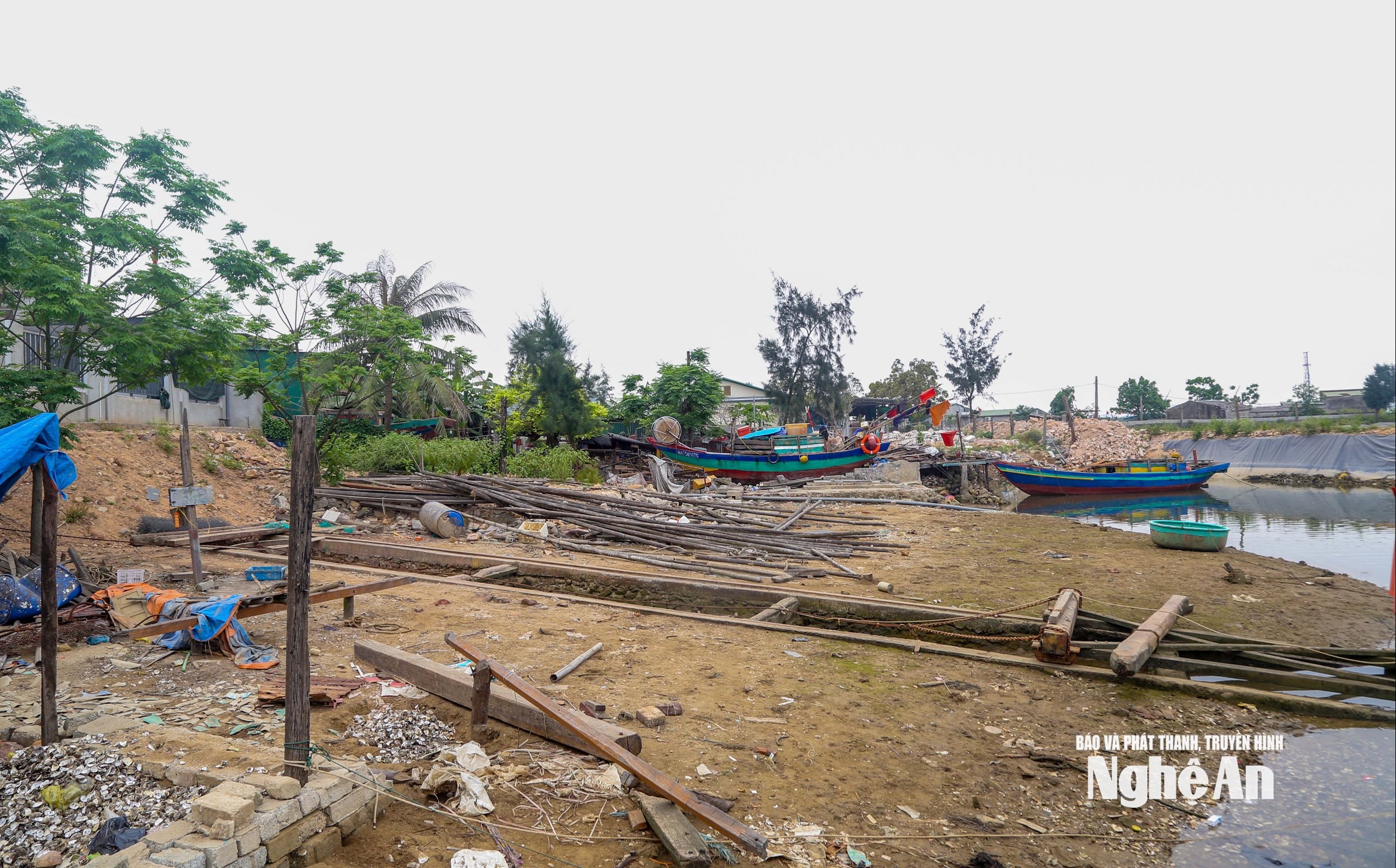
Amidst the current difficulties, the people of Trung Kien still harbor hope for a new direction, perhaps through policy support, the recovery of the fisheries industry, or production models adapted to the market.