
Pepper prices today, April 24th: Stable, highest at 142,000 VND/kg
Today, April 24, 2026, pepper prices remained stable at 138,000-142,000 VND/kg. Vietnam's pepper production is forecast to decrease by 20% due to weather conditions and El Niño affecting supply.
Today, April 24, 2026, pepper prices remained stable in key growing regions, fluctuating between 138,000 and 142,000 VND/kg. The domestic pepper market has not seen any new fluctuations compared to the trading session on April 23. Dak Nong currently has the highest pepper prices in the country.
Details of today's pepper prices in various provinces and cities.
Today's pepper prices in Vietnam remain stable at between 138,000 and 142,000 VND/kg, depending on the surveyed area.
In Gia Lai province, the price of pepper has been recorded at 138,000 VND/kg, which is the lowest price on the market currently.
In the Ba Ria - Vung Tau and Binh Phuoc provinces, the purchase price remains stable at 140,000 VND/kg.
The Dak Lak market is trading around 141,000 VND/kg. The locality with the highest pepper price is Dak Nong at 142,000 VND/kg. Domestic prices remain stable due to farmers' reluctance to sell after the main harvest season.
| Area | Average price (VND/kg) | Changes compared to yesterday |
|---|---|---|
| Gia Lai | 138,000 | 0 |
| Ba Ria - Vung Tau | 140,000 | 0 |
| Binh Phuoc | 140,000 | 0 |
| Dak Lak | 141,000 | 0 |
| Boeing Nong | 142,000 | 0 |
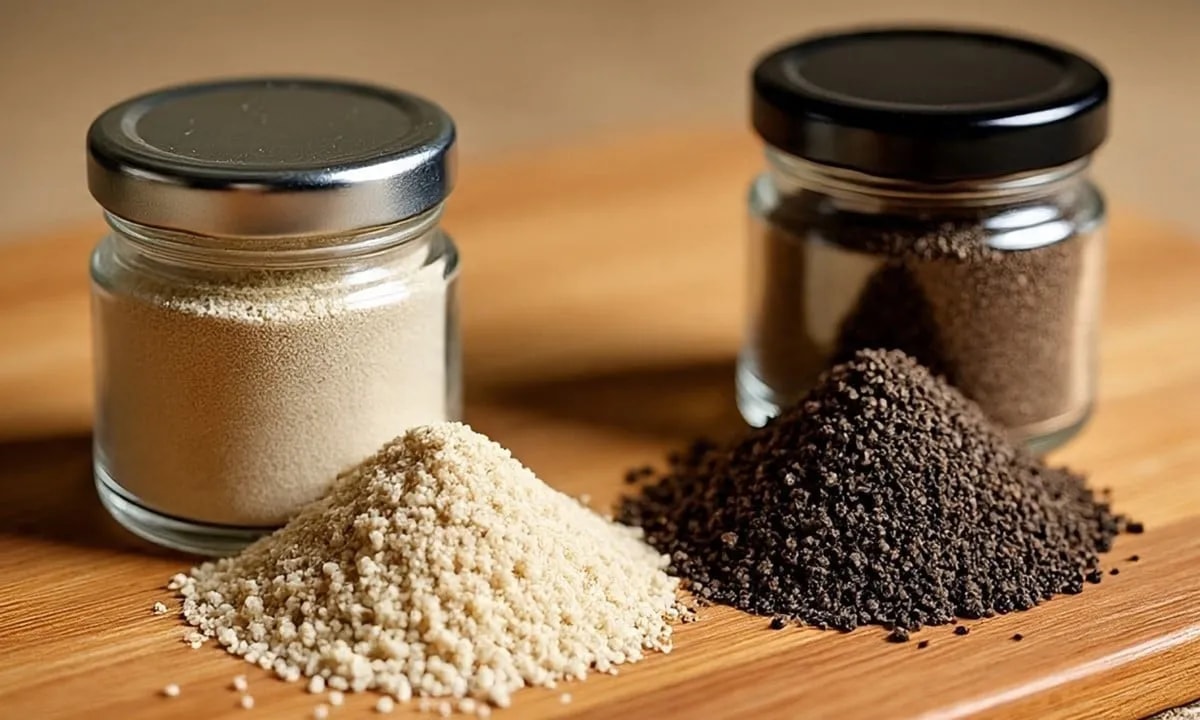
World pepper prices remain stable.
The international pepper market saw no new price adjustments in the trading session of April 24, 2026. The International Pepper Association (IPC) listed Indonesian Lampung black pepper at US$7,047/ton. Brazilian ASTA 570 black pepper reached US$6,000/ton, and Kuching black pepper from Malaysia remained at US$9,300/ton.
For white pepper, Indonesia quoted Muntok pepper at US$9,284/ton, and Malaysia at US$12,200/ton. Vietnam's export price for black pepper ranged from US$6,100 to US$6,200/ton, while white pepper remained at US$9,000/ton.
Vietnam's pepper production is forecast to decline sharply.
Vietnam's pepper production for the 2026 crop is estimated to reach only about 170,000 to 180,000 tons. This figure represents a decrease of approximately 15% to 20% compared to the 2025 crop. This decline in supply stems from the negative impact of weather, the aging of pepper plants, and farmers' trend towards crop diversification.
The El Niño phenomenon increases the risks to coffee and pepper supplies, causing futures prices to frequently be factored in by weather-related risks. Vietnam remains a major global supplier of pepper, but supplies are showing clear signs of tightening after the harvest.
Advantages of transportation and logistics for Brazilian pepper
The current Brazilian pepper market is quite stable and not under pressure from sell-offs by producers. Supply from Brazil is brought to market in a controlled manner thanks to its advantageous sea transport capabilities.
Brazil's transatlantic shipping route is shorter, resulting in faster delivery times to Europe compared to Southeast Asian countries.
Brazil's logistical advantages make it a reliable source of supply, especially as global shipping routes remain affected by geopolitical tensions in the Middle East. High shipping costs lead buyers to prioritize planned purchasing strategies from suppliers with stable transportation networks.
Quoc Duan