

The German army is significantly increasing its troop numbers: Preparing for conflict?
The security situation in Europe is facing unpredictable turning points, as the German military continues to aggressively increase its troop numbers. Berlin asserts that this is a necessary step to protect the nation, but experts point to other potential motives behind this multi-billion dollar plan.
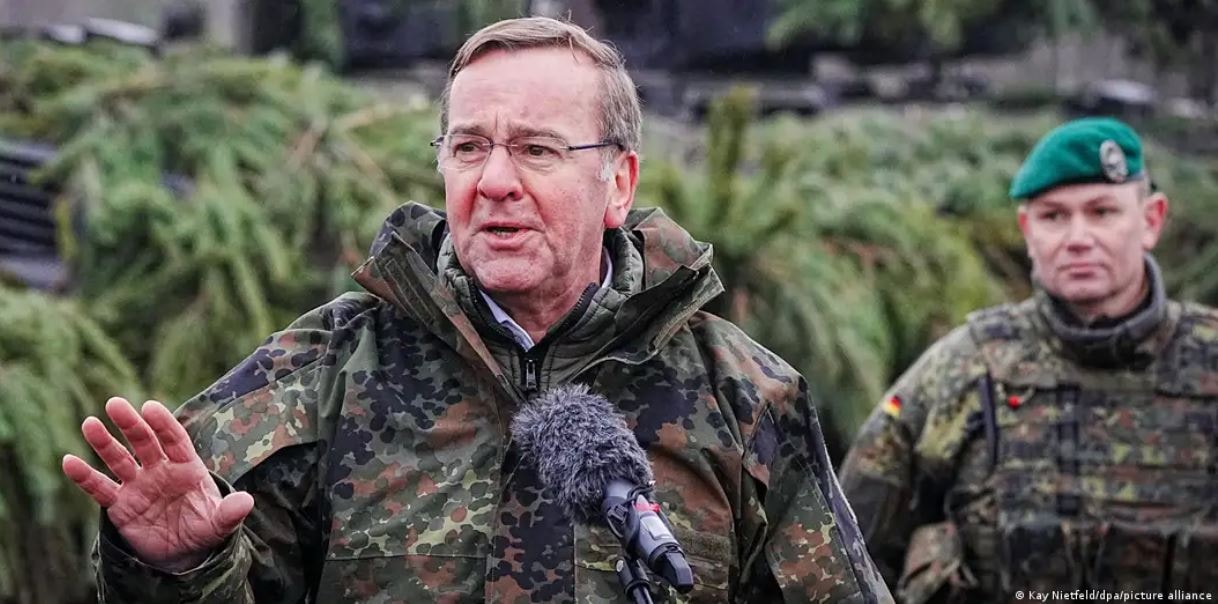
German military expansion plan and military strategy
According to DW, against the backdrop of an increasingly volatile international situation, for the first time in history, the German Army (Bundeswehr) has officially adopted a comprehensive military strategy. This document defines the future focus and how Berlin will respond to potential threats.
"Rarely has a military strategy been as urgent as it is during this historical period," German Defense Minister Boris Pistorius asserted at the unveiling of the new strategy in Berlin on April 23 (Berlin time).
According to the strategic document, Russia is identified as the "greatest and most direct threat in the near future" to Germany and transatlantic security. The document states: "Russia is setting the stage for a military attack on NATO member states."
The document delves into an analysis of how the Bundeswehr responds to potential war scenarios. However, much of the specific detail remains classified.
The goal is to surpass the 460,000 military personnel mark.
The new military strategy reaffirms the goal of significantly expanding the size of the armed forces. By the mid-2030s, Germany aims to have a total of 460,000 combat-ready personnel, including 200,000 reserves.
Berlin's core objective is to transform the German Army into the strongest conventional army in Europe, with the fastest possible growth rate between now and 2029 to enhance its defensive capabilities. These steps are being taken to meet NATO's increasingly stringent requirements for its members in defending the alliance.
Mr. Pistorius emphasized that this number could absolutely be exceeded if the situation demands it or if geopolitical tensions escalate. At the same time, the German Defense Minister did not rule out the possibility of reinstating compulsory military service in the country. TASS quoted him as saying: "We will have to discuss and make decisions about the mandatory requirements."
Minister Pistorius further explained that Berlin would have to resort to coercive measures if voluntary recruitment policies were insufficient to meet personnel targets. According to RT, since he took office in January 2023, the number of military personnel has increased from 180,000 to approximately 185,000-186,000. The German government plans to raise the total active military force to 260,000, along with 200,000 reserves.
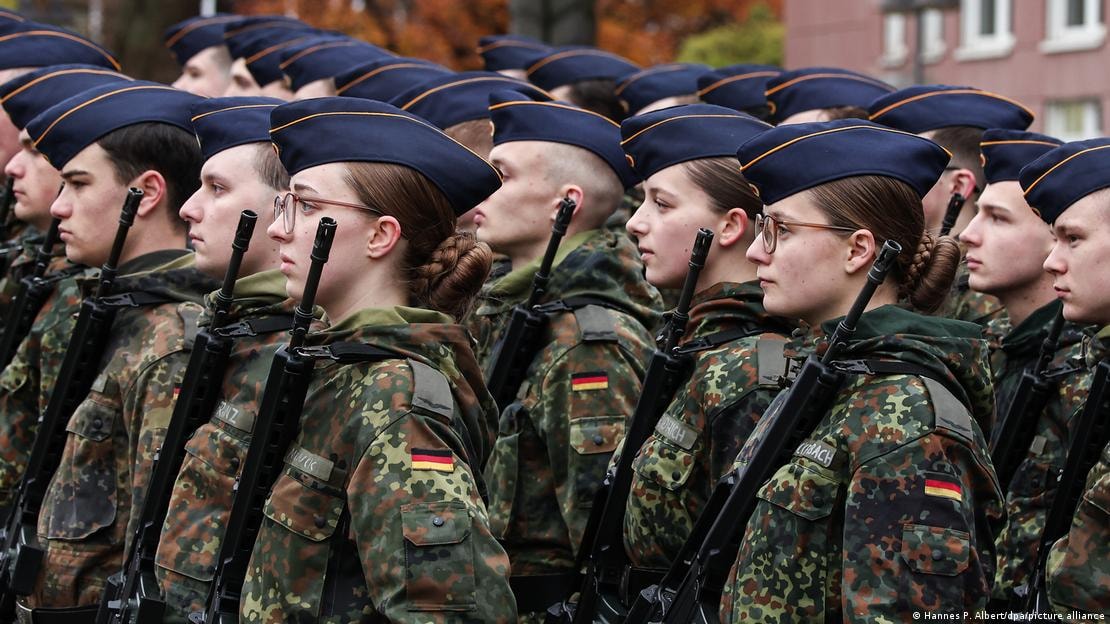
Thanks to intensive recruitment efforts, the Bundeswehr is experiencing growth, albeit slow. According to DW, as of the end of March 2026, the force had approximately 185,400 active-duty soldiers, an increase of 3,300 compared to the same period last year.
Furthermore, to realize this strategy, the German Ministry of Defence is also implementing a "bureaucracy reduction and modernization plan" aimed at addressing excessive bureaucracy within the German military structure. The ministry plans to implement approximately 153 measures and 580 specific steps to rectify this situation.
Putting Russia in the spotlight and applying AI.
In its new development strategy, the German military openly views Russia as the primary threat.
To realize the ambition of transforming the Bundeswehr into "Europe's strongest army," Minister Pistorius outlined a roadmap: enhancing defense capabilities in the short term, expanding comprehensive combat capabilities in the medium term, and aiming for technological superiority in the long term. Germany also plans to cut bureaucratic hurdles and integrate Artificial Intelligence (AI) into military applications.
Russian officials have repeatedly sounded the alarm about Berlin's militarization. On her personal Telegram channel, Russian Foreign Ministry spokeswoman Maria Zakharova stated: "In its frenzy, Germany has forgotten the lessons of history. The last time the German political leadership harbored ambitions to turn their country into 'the most powerful military force in Europe,' it ended in tragedy for all of humanity."
The Kremlin also commented on Berlin's new military strategy. When asked by reporter Pavel Zarubin about where Germany was heading with these documents, Russian President's press secretary Dmitry Peskov emphasized: "The most important thing is not to repeat the mistakes that have happened several times in history." Peskov also noted that other European countries would likely be concerned upon hearing about these plans.
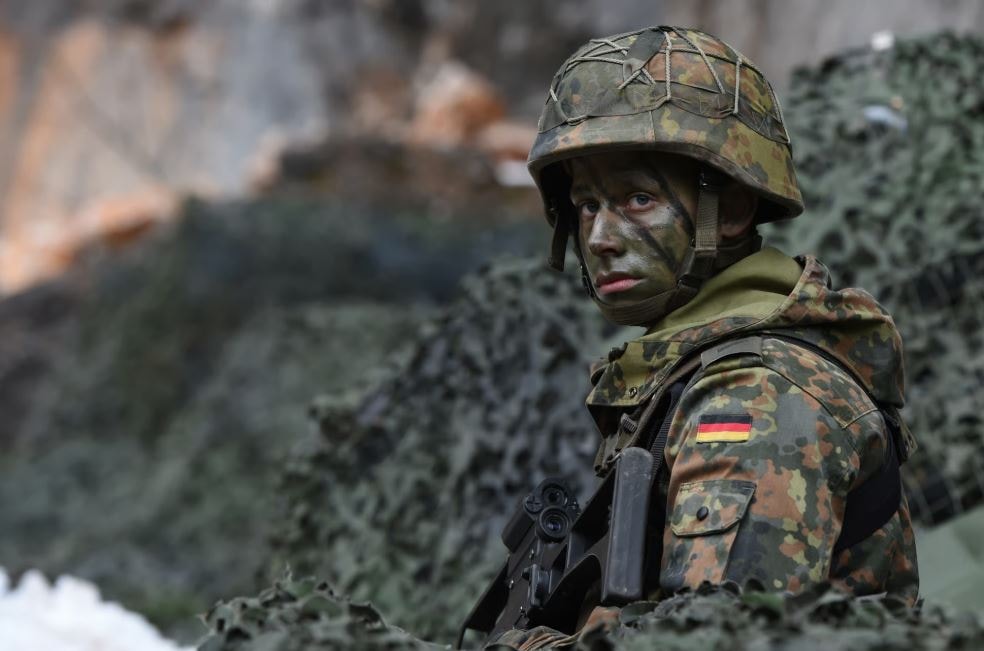
"Guns or butter": Sacrificing livelihoods for an arms race?
According to expert analysis, Berlin is increasingly demonstrating its military ambitions. However, in the context of an ongoing energy crisis, this will only inflict further hardship on the lives of its citizens.
Alexey Mukhin, Director of the Center for Political Information, shared his assessment with RT: "Germany can strengthen its military capabilities, but they face the classic dilemma: 'Guns or butter.' It seems Germany has chosen the former. Civilian sectors are rapidly declining to make way for military production." Mukhin believes that viewing Russia as a threat is merely a pretext for German officials to persuade parliament to allocate funds to the defense budget.
Agreeing with this view, Sergey Ermakov, a leading expert at the Russian Institute for Strategic Studies (RISI), argues that militarization is not a "necessary" step as Berlin claims. Instead, it is a political decision aimed at enriching the Defense Industrial Complex (MIC). "Lucky" contracts are being signed, while the social welfare system will suffer a greater financial loss.
Despite ambitious plans, analysts believe the German military will face significant obstacles. Severe shortages of personnel and budget, coupled with a demographic crisis, make the goal of 260,000 active-duty troops difficult to achieve if relying solely on volunteerism.
Alexander Mikhailov, Director of the Office of Political-Military Analysis, stated: "The declarations about building the strongest army in Europe are merely the expectations of the ruling class. They are exaggerating the 'threat from Russia' to expand the defense budget, thereby creating opportunities for arms corporations."