

Iran analyzes US missile debris for reverse engineering research.
The Central Command of the Iranian Armed Forces has confirmed that it is studying the advanced US military equipment that was shot down in order to develop domestically produced weapons and strengthen its defense capabilities.
Ebrahim Zolfaghari, spokesman for the Central Command of the Iranian Armed Forces, stated that Tehran is dissecting fragments of intercepted US missiles for reverse engineering research. This process aims to create design documents and engineering models for domestic weapons production, maintaining military capabilities amidst numerous international sanctions.
Self-reliance strategy through reverse engineering
Reverse engineering is the process of analyzing a complete physical device to understand its operating principles, replace imports, or modernize a product without needing original technical documentation. For Iran, this is a strategic direction that has been formed since the 1980s under the pressure of prolonged arms sanctions.
This capability has been demonstrated over several decades. In 2011, Iran seized a US RQ-170 Sentinel stealth reconnaissance drone. By 2014, it had unveiled the Shahed-171, a model with similar shape and capabilities, and further developed the Shahed-191 attack variant carrying high-precision weapons.
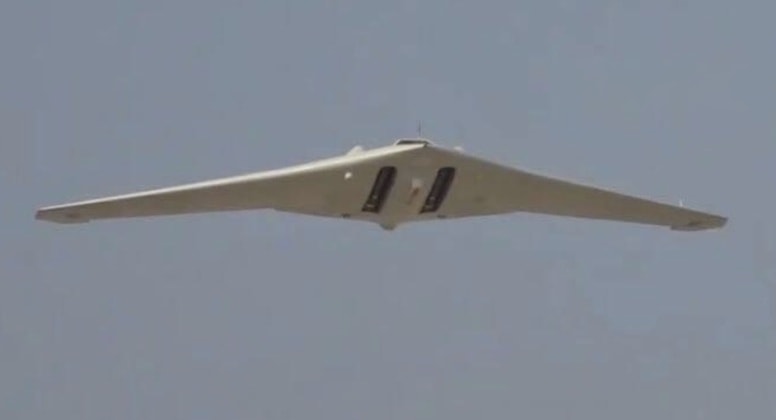
The domestic weapons ecosystem is based on foreign prototypes.
Besides UAVs, Iran has also been successful in localizing missile and air defense systems. From the MQ-9 Reaper UAV seized in Iraq, Tehran successfully developed the Shahed-149. Not only does Iran research American weapons, but it also studies technologies from Israel and Russia.
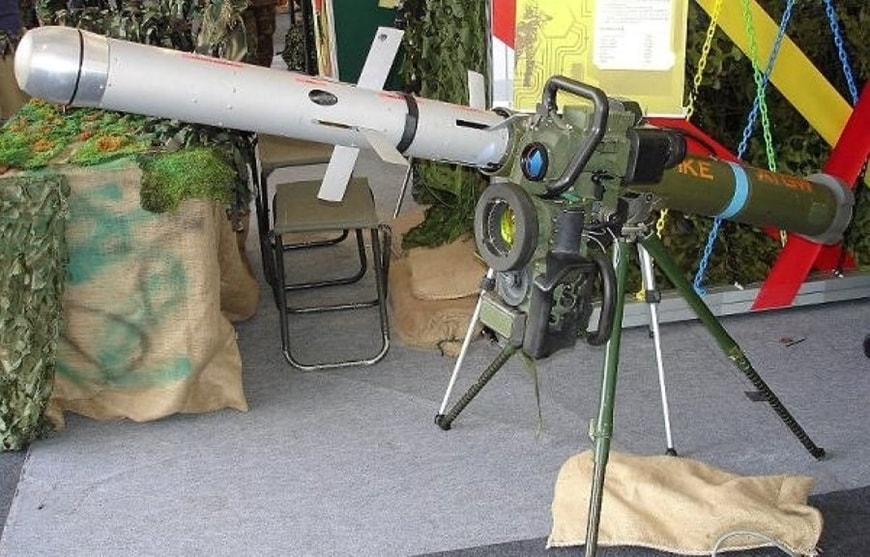
Based on the Israeli Spike missile seized by Hezbollah in 2006, Iran developed the Almas anti-tank missile series with a top-attack mechanism and a complex guidance system. Similarly, the Ra'ad-2 and Bavar-373 systems are believed to have been developed based on the technical and tactical characteristics of the Russian Tor-M1 and S-300 systems.
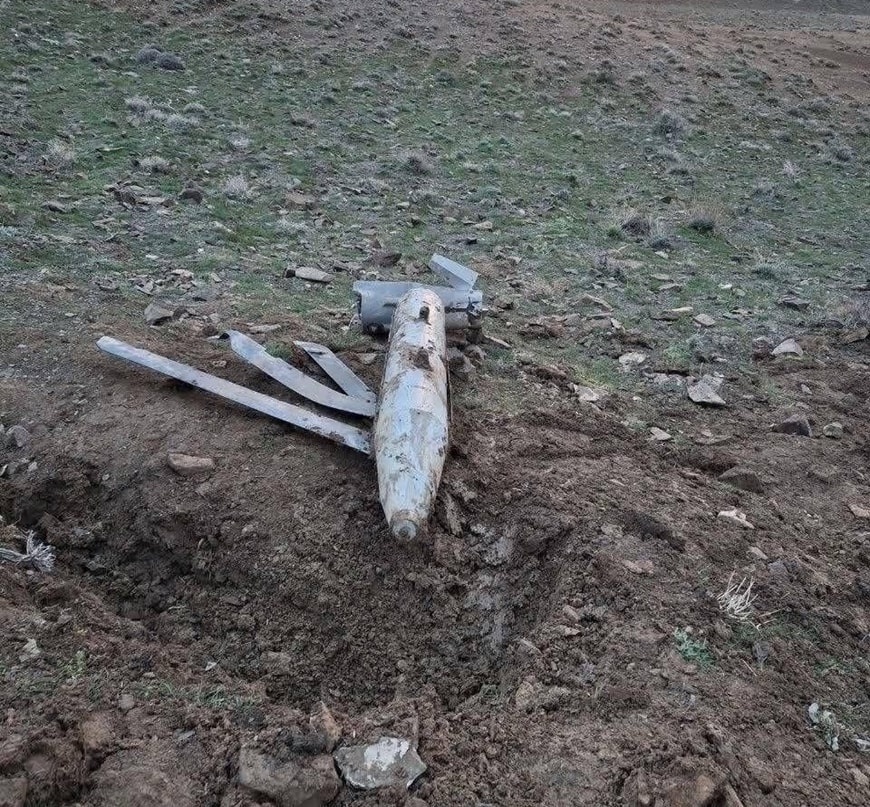
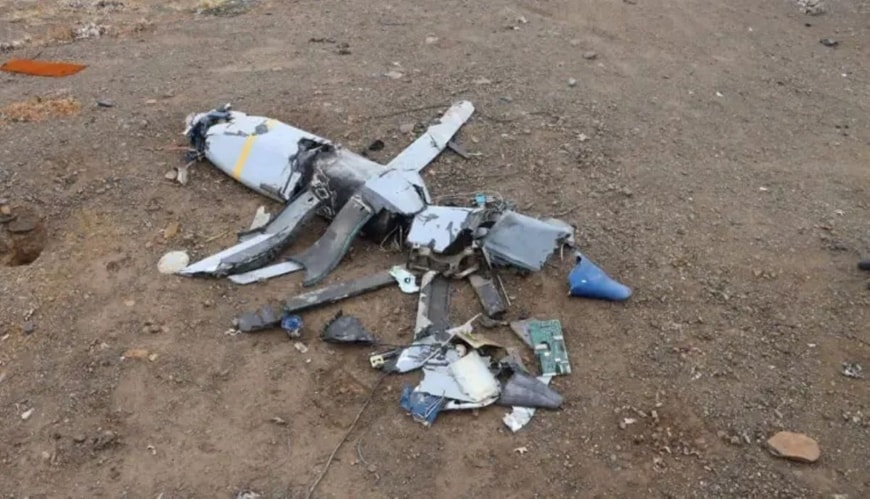
The combat effectiveness of Iranian weapons.
According to military observers, Iran's domestically produced weapons are not merely copies but have been adapted to real-world combat situations. In Lebanon, the Almas anti-tank missile demonstrated its ability to penetrate the protection of heavy armored vehicles such as the Merkava MK-4 tank and the Namer armored vehicle, which are equipped with the Trophy active protection system.
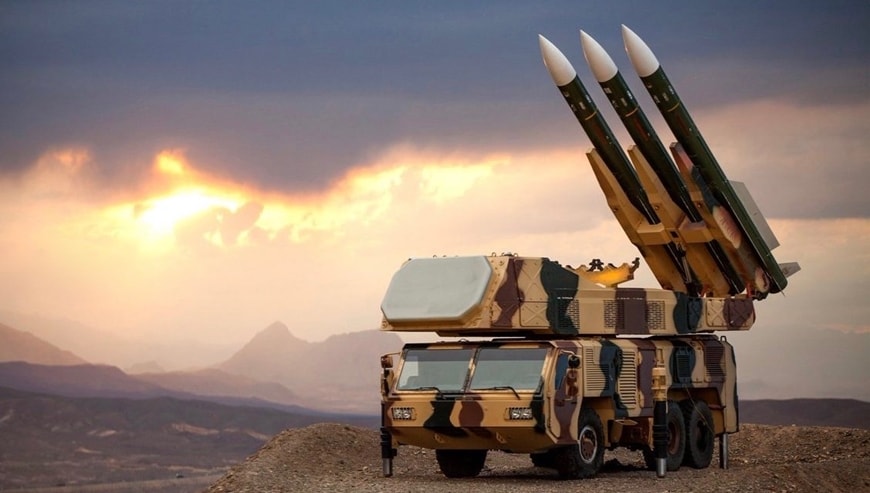
In the field of air defense, Iran's Khordad-3 system – which shares many similarities with Russia's Buk-M2 – proved effective when it shot down a US Navy MQ-4C Triton strategic reconnaissance UAV in the Strait of Hormuz in 2019.
Access to modern equipment such as GBU-39 glide bombs, AGM-158 JASSM missiles, and laser countermeasures systems from MC-130J aircraft is considered a crucial source of data for Iran to further upgrade its defense capabilities in the future.