

Promoting and spreading the values of the Lang Rao Temple Festival in community life.
Having become a traditional cultural event, the 2026 Lang Rao Temple Festival will be organized by Hung Nguyen commune over two days, April 30th and May 1st (corresponding to the 14th and 15th of the 3rd lunar month of the Year of the Horse). The festival not only continues the spiritual heritage of the community but also affirms the enduring vitality of the heritage and promotes the value of the historical site in modern life.
.jpg)
The temple in the community's consciousness
Closely associated with the rice-farming civilization is the tradition of worshipping deities to pray for protection for crops and the community. In Rao village (now part of Hung Dao 7 hamlet), this religious belief is concretized through worship.Local deity Đức Thánh Nhà QuanThe deity not only plays the role of an ancestral guardian of the local area but also serves as a cultural and spiritual symbol, both practical and profound, in the hearts of the people.
According to folklore, the Holy Mandarin was originally a physician named Nữu, also known as Bá Tướng or Thần Thông, who lived around the 15th century. He served as an official under the Lê dynasty but disliked the political life and chose the path of saving lives, traveling far and wide to treat the sick, especially the poor. When an epidemic broke out in Rào village, with boils spreading everywhere, he returned to the village to treat the sick. After the last person was cured, the villagers could no longer find him.
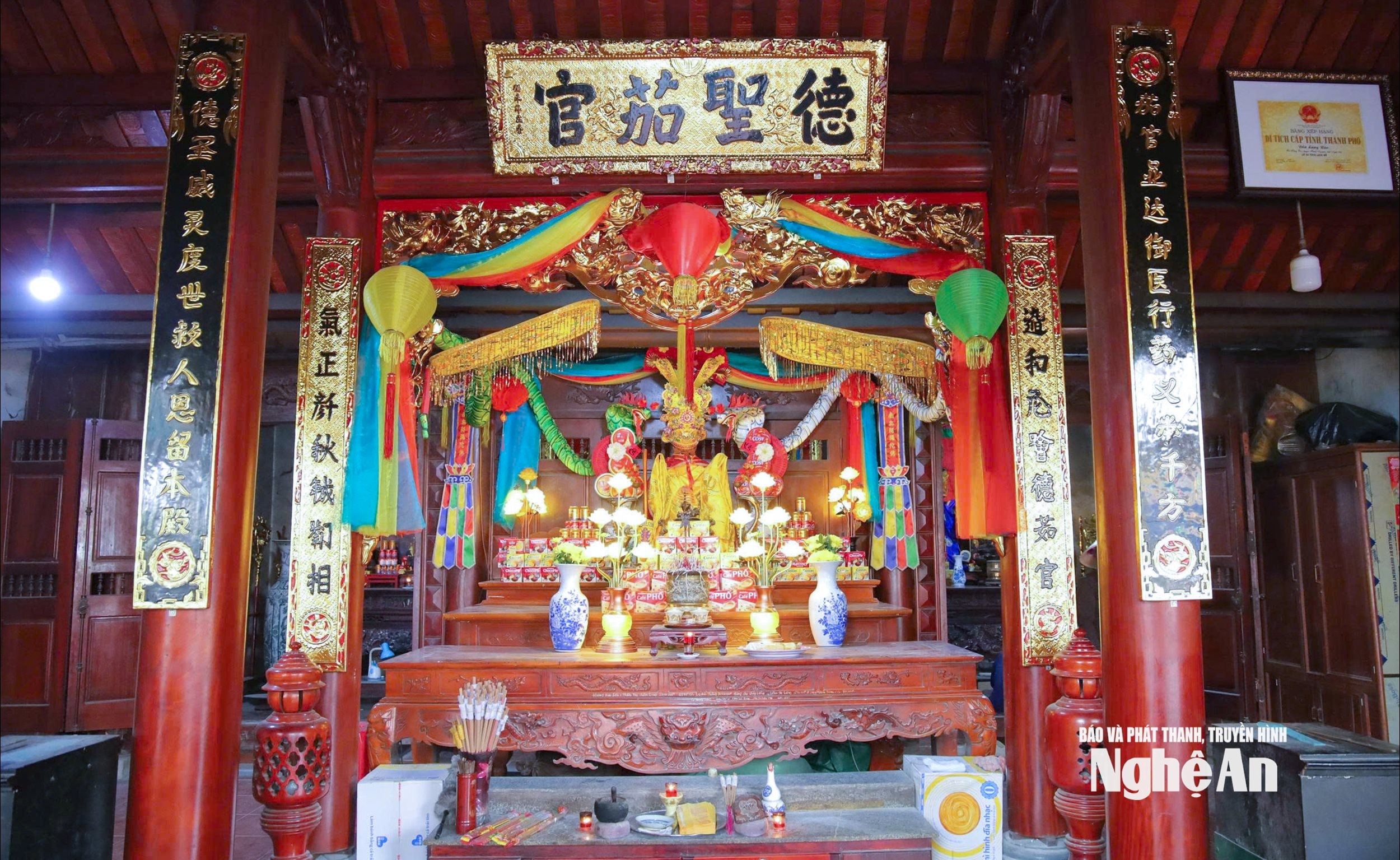
Some time later, the villagers heard the sound of reading coming from a mound of earth every night, especially on moonlit nights. This mound was covered with many medicinal herbs that cured many illnesses for the villagers. Believing that their benefactor from years past had become a deity assisting the villagers, they named the place the "Mound of the Scholar" and erected a shrine – the predecessor of the present-day Lang Rao Temple.
This belief has been passed down through generations, becoming an inseparable part of the community's cultural and spiritual life.
Mr. Luu Duc Nham, a resident of Hung Dao 7 hamlet, shared: “For the villagers, the temple is not just a place of worship but also like a shared spiritual home. Whenever there is an important family event or during the New Year, before returning home from a long journey, everyone comes to the temple to light incense and pray for peace. It's not just a matter of religious belief, but also a reminder for descendants to remember their roots.”
.jpg)
The Lang Rao Temple was established by the local people from a small shrine on the Thầy Học mound in 1624, during the reign of King Lê Thần Tông, in the 6th year of the Vĩnh Tộ era. The temple is dedicated to the local deity Đức Thánh Nhà Quan and also to the guardian deity Lưu Đức Nhân (also known as Ông Gồm) – the person who initiated the temple's construction and established the ancient Ước Lễ commune. In folk belief, he is considered a messenger continuing the work of saving the people from Đức Thánh Nhà Quan in the earthly realm.
Through various historical changes, in 1992, the temple was restored, consisting of three buildings: the Upper Hall, the Middle Hall, and the Lower Hall. Ancient artifacts such as the dragon throne, ancestral tablets, and mythical creatures like the Pixiu (mythical creature) are preserved, reflecting the artistic and architectural traditions of the feudal era. On December 25, 2015, the People's Committee of Nghe An province recognized Lang Rao Temple as a provincial-level historical and cultural relic – a well-deserved recognition of the historical, cultural, and religious value of the site.
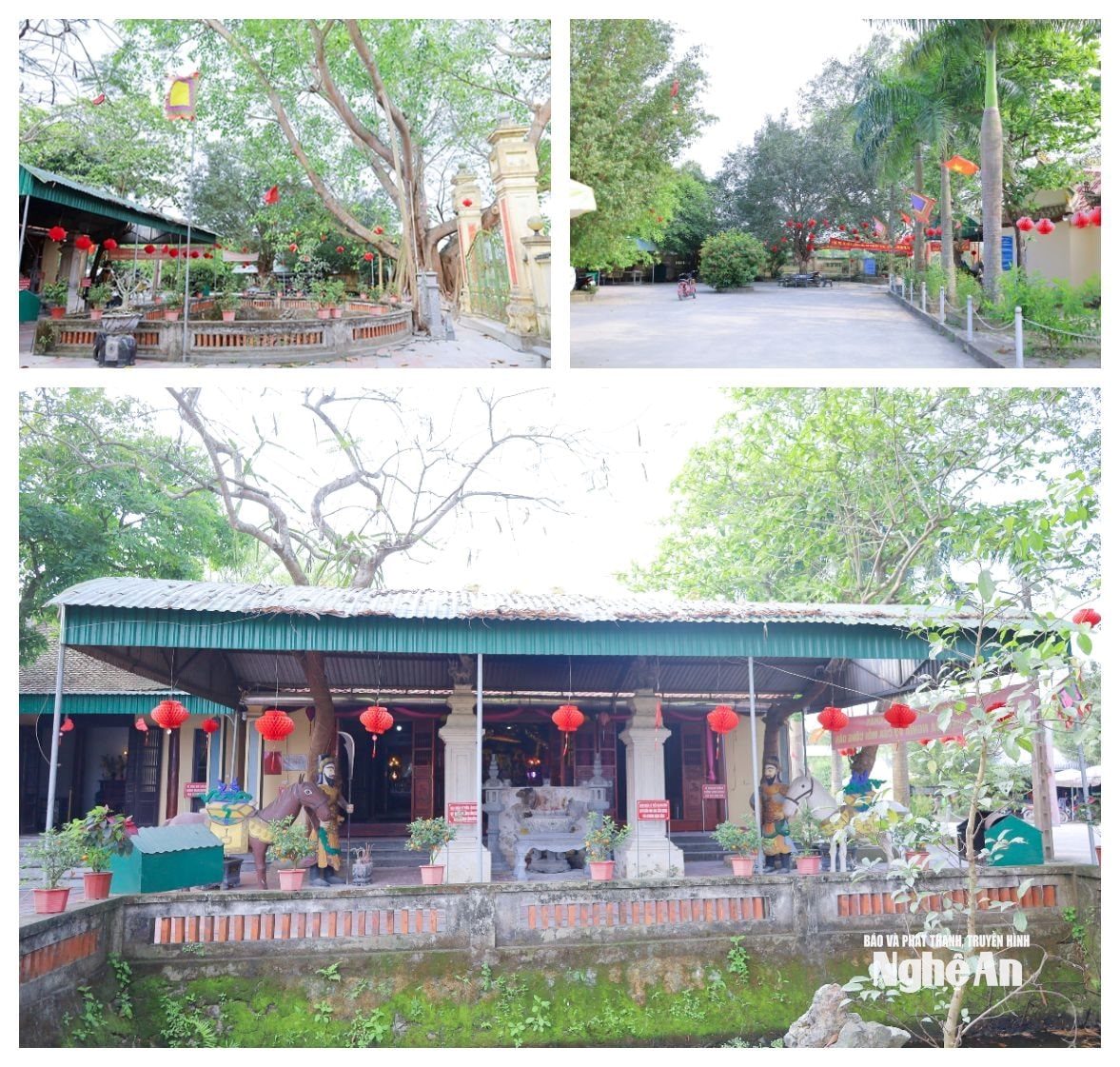
Ms. Nguyen Thi Nhung, residing in Thanh Vinh ward, shared: "In the spiritual and cultural life of many people, Lang Rao Temple is a place where one can 'ask for wealth and receive wealth, pray for fortune and receive fortune, pray for health and receive peace.' It's not only a place to entrust hopes, alleviate anxieties, and find peace amidst the hustle and bustle of everyday life; what impresses me is the clean and beautiful scenery, the guaranteed security, and the feeling of peace when coming here." According to the temple's management board, the number of visitors offering incense is increasing, especially at the beginning of the year, the beginning of the month, and on the full moon day. This shows the enduring vitality of the historical site in modern life.
.jpg)
TellPreserving and spreading cultural values
If the temple is the soul of Rao village, then the festival is the cultural heartbeat that nourishes the community's vitality through generations. From its old name - the Temple of the Mandarins Festival - to the Rao Village Temple Festival today, that cultural flow has been persistently preserved as a collective memory of the people of Hung Nguyen region.
The 2026 festival, organized by Hung Nguyen commune over two days, April 30th and May 1st (March 14th-15th in the lunar calendar), not only continues tradition but also marks a new turning point in the management and promotion of heritage values. In the context of increasingly modern social life, the festival is organized in a way that both preserves traditional rituals and builds a civilized, safe, and sustainable cultural environment. Traditional rituals such as the opening ceremony, announcement, grand sacrifice, and thanksgiving ceremony are conducted solemnly, creating a space for people and tourists to practice their beliefs, remember the merits of their ancestors, and spread the principle of "drinking water, remembering the source" – a core value of Vietnamese culture.
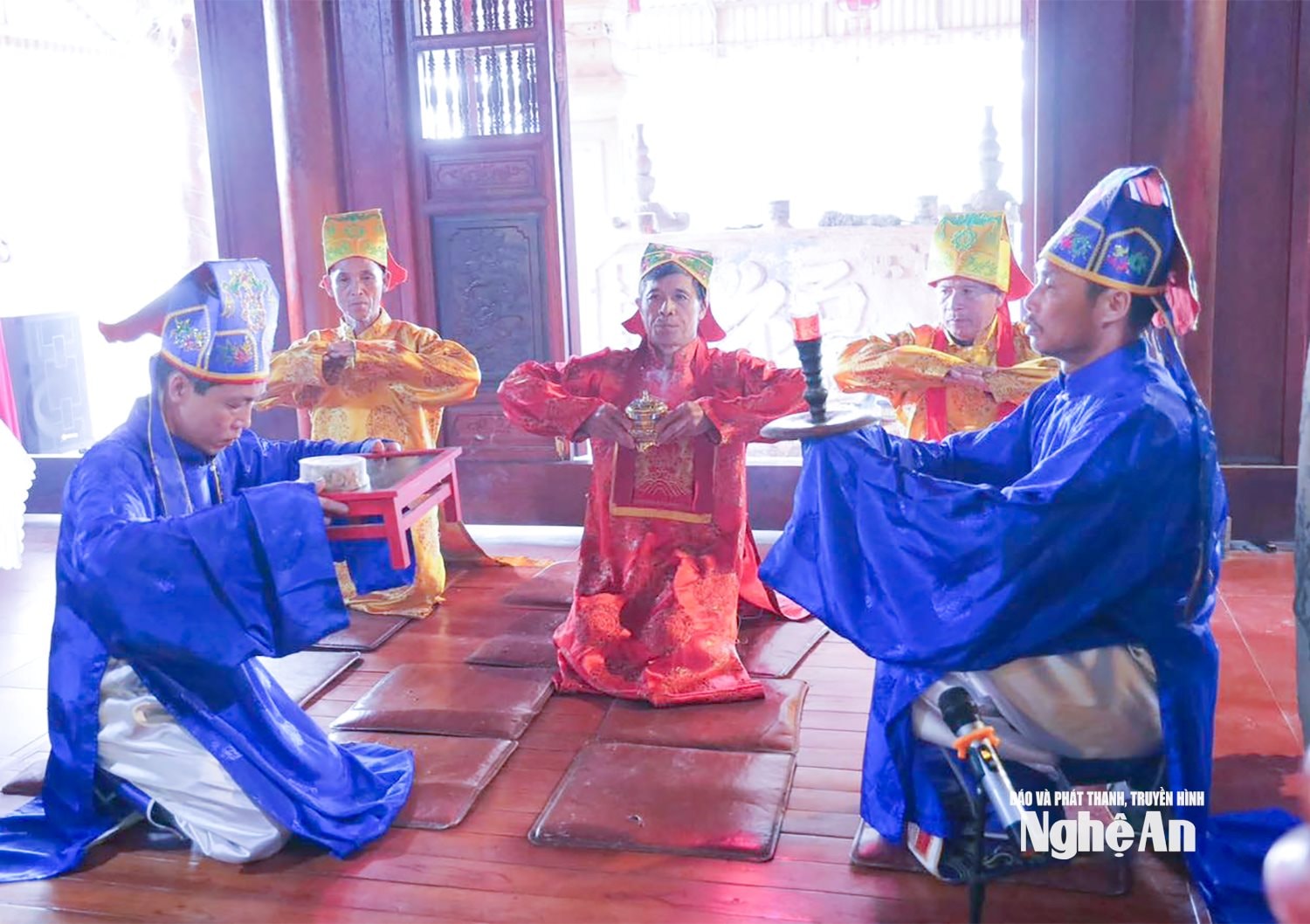
Mr. Nguyen Van Dan, Vice Chairman of the People's Committee of Hung Nguyen Commune and Head of the Organizing Committee of the Lang Rao Temple Festival, said: "The festival not only meets the spiritual and cultural needs of the people but also serves as an opportunity to preserve the local cultural identity. This year, the commune focuses on organizing the festival in a solemn, civilized, safe, and economical manner; while promoting the leading role of the community and strengthening social participation in heritage preservation."
The novelty of this year's festival lies in its more integrated management approach. From organizing rituals, ensuring security and order, maintaining environmental hygiene, to promoting civilized festival practices, everything is implemented systematically. Local authorities are strengthening guidance for people to practice their beliefs correctly, limiting the burning of votive paper, preventing fire and explosion hazards, and preserving the landscape of historical sites – all crucial elements for the sustainable development of the festival in modern life. This innovation shows that the mindset for heritage preservation has shifted from "preserving" to "promoting," from "static" preservation to "living" preservation – where the community becomes the center of heritage.
"We believe that organizing the Lang Rao Temple Festival is not only about preserving traditional rituals but also about keeping heritage alive in contemporary life, where the community is both the subject of preservation and the driving force behind promoting cultural values associated with sustainable local development."
Mr. Nguyen Van Dan – Vice Chairman of Hung Nguyen Commune People's Committee, Head of the Organizing Committee of the Lang Rao Temple Festival
With the festival's growing popularity, Lang Rao Temple is poised to become an important cultural and spiritual destination in southern Nghe An province. Therefore, Hung Nguyen commune is currently investing in upgrading transportation infrastructure, expanding the temple grounds, improving facilities for visitors, and focusing on creating a civilized, friendly, and safe festival environment.
Nguyen Van Dan, Vice Chairman of the People's Committee of Hung Nguyen commune, emphasized: "We expect the Lang Rao Temple Festival to not only be an annual cultural event but also gradually become a distinctive spiritual and cultural tourism product of the locality, contributing to socio-economic development associated with heritage preservation."
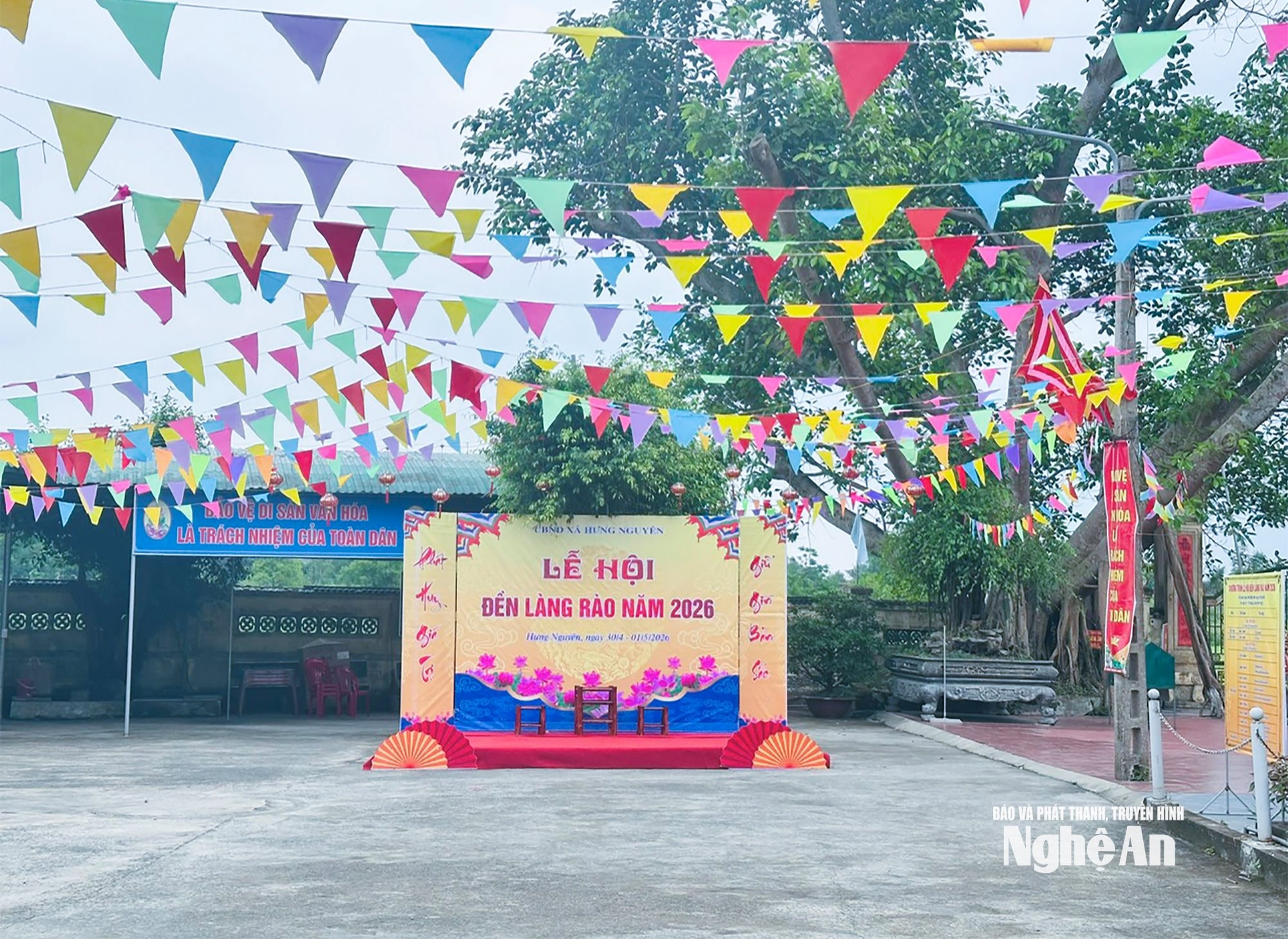
For over four centuries, from a small shrine on Thầy Học islet to its current status as a provincial-level historical and cultural relic, Làng Rào Temple has quietly stood amidst the rural landscape of Hưng Nguyên, a steadfast witness to the passage of time. The festival is not only a cultural event for the temple but also a convergence of community memories, origins, and traditional values nurtured through generations; spreading the principles of gratitude, a spirit of goodness, and an awareness of preserving the heritage of our ancestors. Amidst the ever-changing rhythm of life, Làng Rào Temple remains a spiritual anchor, a place where people find inner peace and balance – a place where the sacred spirit of the land and people intertwine, continuing to illuminate enduring spiritual and cultural values for today and tomorrow.