

Electricity prices for households reach a maximum of 3,460 VND/kWh: How to reduce your electricity bill.
The current residential electricity tariff is divided into 6 progressive tiers, with the highest rate reaching 3,460 VND/kWh. By simply changing some electricity usage habits, households can reduce their monthly electricity bills by 10-20%.
Prolonged hot weather combined with the summer holidays leads to a surge in household electricity consumption. This is the main reason why many families' electricity bills skyrocket during the hot summer months.
According to Decision No. 1279/QD-BCT dated May 9, 2025, of the Ministry of Industry and Trade, the current electricity tariff for household consumption has 6 progressive tiers.
Specifically, tier 1 applies from 0-50 kWh, with an electricity price of 1,940 VND/kWh;
Tier 2 applies to consumption levels from 51-100 kWh, with an electricity price of 2,050 VND/kWh;
Tier 3 applies to consumption levels from 101-200 kWh, with an electricity price of 2,380 VND/kWh;
Tier 4 applies to consumption from 201-300 kWh, with a price of 2,998 VND/kWh;
Tier 5 applies to consumption from 301-400 kWh, with a price of 3,350 VND/kWh;
Tier 6 applies to consumption of 401 kWh or more, with a price of 3,460 VND/kWh.
For every household, electricity is an essential energy source for daily life activities such as lighting, cooking, cooling, and entertainment. However, if not used efficiently, electricity is easily wasted, leading to increased living costs and putting pressure on the power supply system.
So, how can families avoid the financial strain of skyrocketing electricity bills every month?
According to energy experts, saving electricity doesn't necessarily have to start with complex solutions or large investments.
By simply changing a few small habits in their daily lives, each family can significantly reduce their electricity consumption while still ensuring a comfortable life.
One of the most important principles is to turn off electrical devices when not in use. This significantly reduces electricity consumption each month.
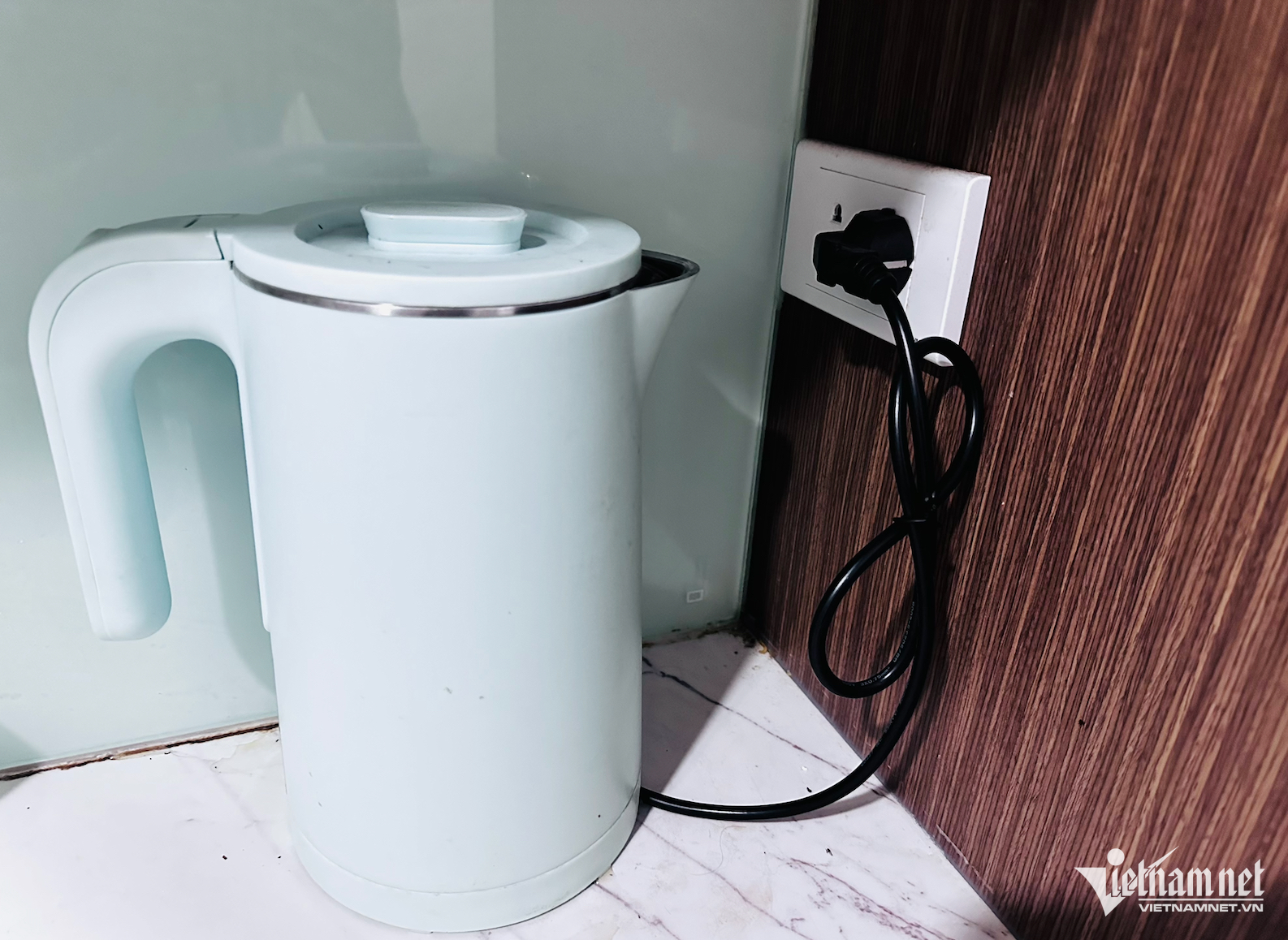
In addition, many electronic devices such as televisions, computers, washing machines, microwave ovens, Wi-Fi routers, and phone chargers still consume electricity even when turned off with a remote control. Although the consumption may not be large, if left on 24 hours a day for an extended period, the amount of electricity wasted is considerable.
According to the Northern Power Corporation (EVNNPC), in many households, the habit of turning off appliances with a remote control or leaving chargers plugged into the power outlet seems harmless. However, in reality, these devices continue to consume electricity in standby mode, causing significant energy waste.
"Electricity consumption in standby mode can account for 5-10% of the total electricity used in a household," EVNNPC stated. Furthermore, maintaining a standby state for extended periods poses a risk of electrical safety hazards and fires, especially with older equipment.
Therefore, unplugging appliances or using a power outlet with a common switch to completely cut off the power supply when not in use is an effective solution that can immediately reduce your electricity bill by 5-10% each month.
In addition, the Vietnam Electricity Group (EVN) also pointed out that air conditioners are one of the five most common household electrical appliances (air conditioners, refrigerators, water heaters, electric stoves, and rice cookers) that consume the most electricity.
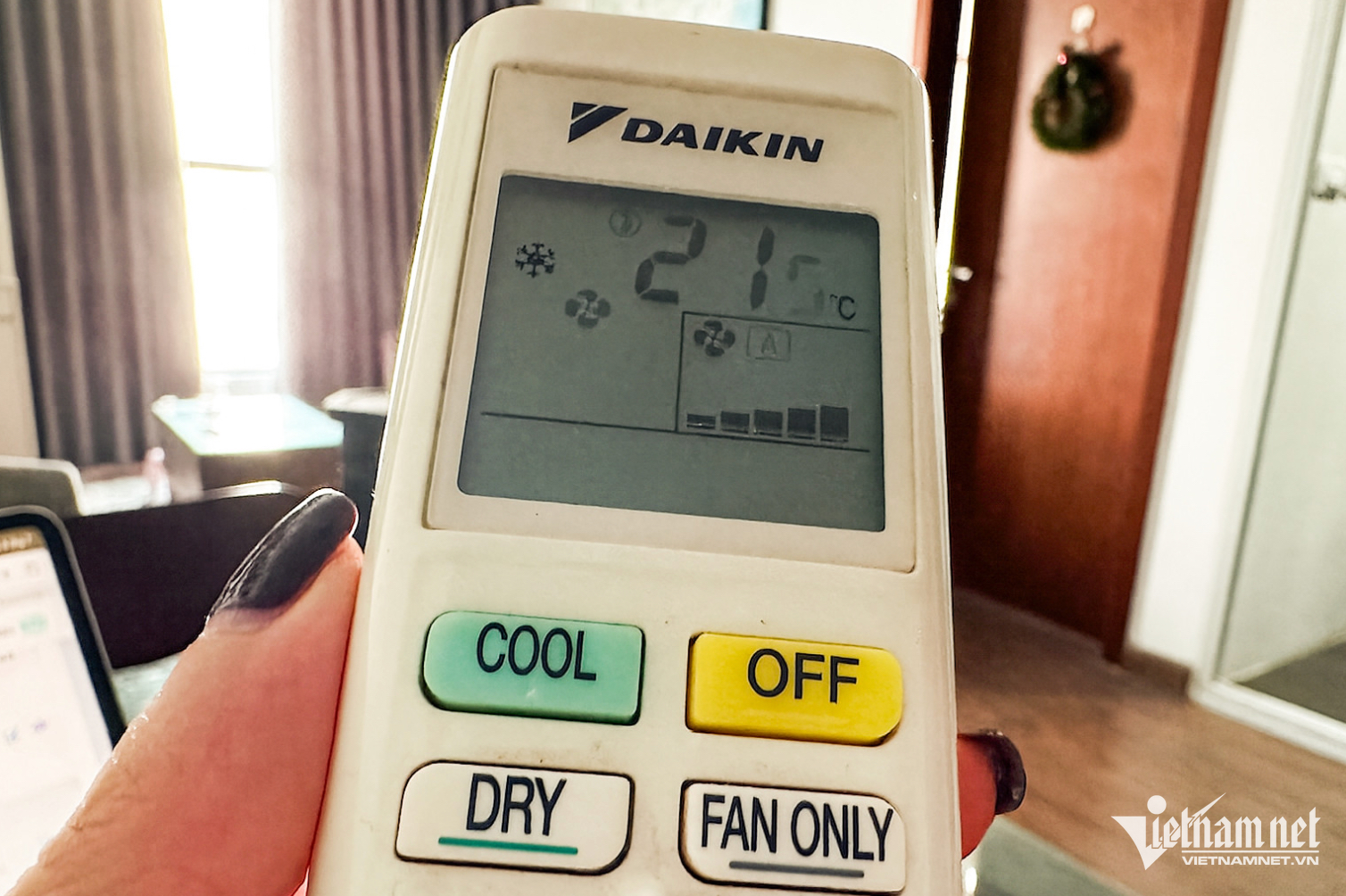
Air conditioners can account for 28-64%, or even up to 80%, of a household's total electricity consumption, depending on frequency and usage conditions. In particular, the hotter the weather and the higher the outdoor temperature, the greater the electricity consumption of air conditioners.
When the ambient temperature increases by 1 degree Celsius, the electricity consumption of an air conditioner increases by 2-3%. For example, when the temperature increases by 5 degrees Celsius, the air conditioner may consume about 10% more electricity. Therefore, on hot days with temperatures of 35-40 degrees Celsius, when the air conditioner operates at full capacity, it consumes significantly more electricity than on days with temperatures between 30-35 degrees Celsius.
Furthermore, the habit of setting the temperature too low also consumes a lot of electricity. Specifically, users who set the air conditioner temperature 1 degree Celsius lower than the standard temperature (around 25-27 degrees Celsius) will consume an additional 1-2% of electricity.
Experts recommend that air conditioner temperatures be maintained at around 26-27°C or higher. This temperature ensures a cool environment while also allowing the device to operate efficiently and potentially save 7-10% on electricity consumption.
Regular cleaning and maintenance of air conditioners also contributes to saving energy consumption. Dirty air conditioners will reduce cooling efficiency and consume approximately 15% more electricity.
The power company's leadership emphasized that electrical appliances should be "turned off when not in use, and unplugged when not needed." The principle is to use them at the right time, in the right place, in the right way, and according to needs. This way, households can reduce their monthly electricity consumption by 10-20%.