

Iran accuses the US of sabotaging negotiations, raising the risk of the ceasefire in Lebanon collapsing.
On April 27, Iranian Foreign Minister Abbas Araghchi arrived in Russia as part of a diplomatic shuttle tour, blaming Washington for the failure of recent negotiations. Meanwhile, the ceasefire between Israel and Hezbollah in Lebanon continues to be violated, along with the deepening global economic repercussions of the blockade of the Strait of Hormuz.
Diplomatic deadlock
On the morning of April 27, Iranian Foreign Minister Abbas Araghchi arrived in Saint Petersburg, Russia, and is scheduled to meet with Russian President Vladimir Putin. The visit follows a busy diplomatic schedule for Araghchi, with stops in Muscat, Oman, interspersed between two visits to Pakistan – a country that has played a key mediating role in recent days.
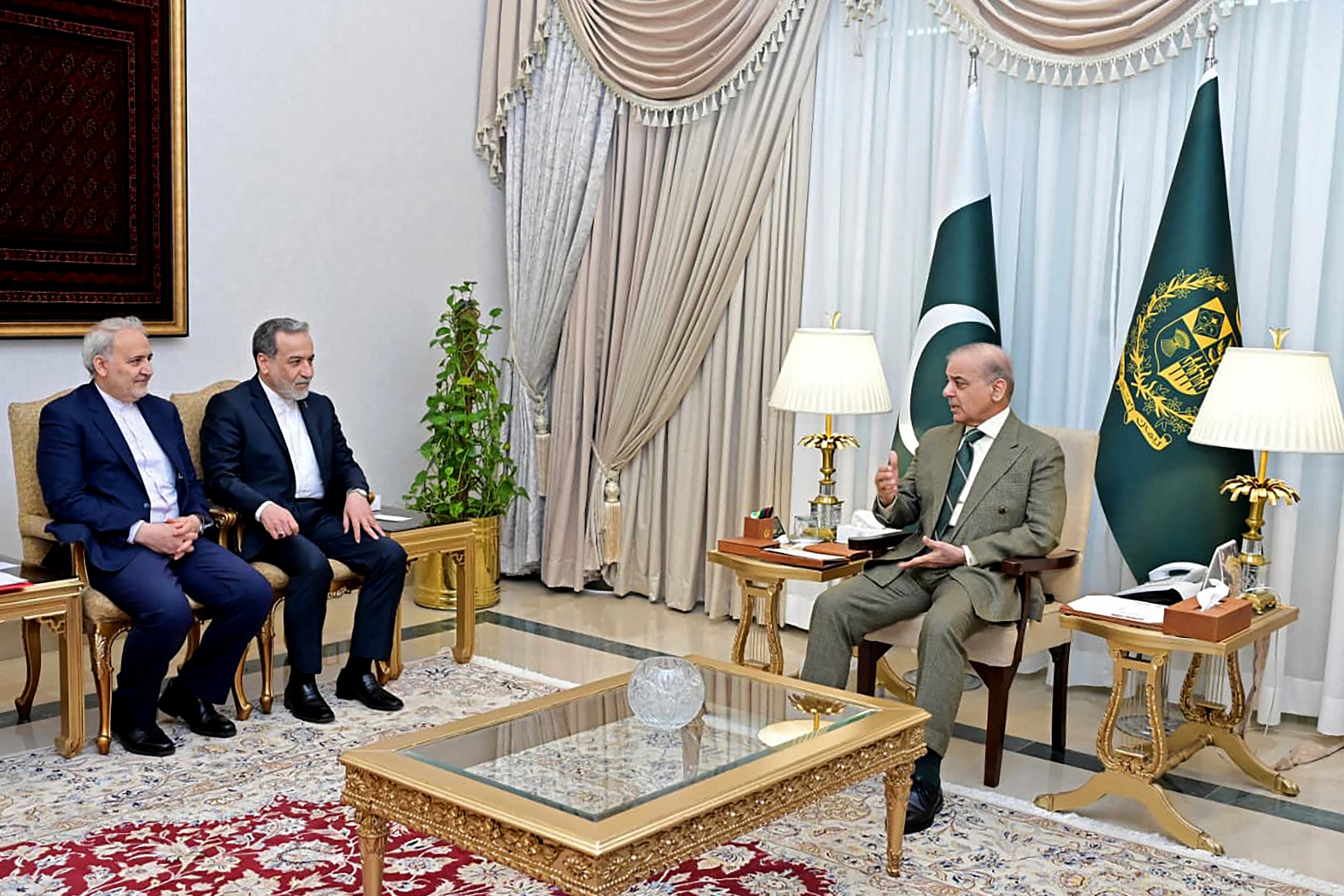
Speaking in Saint Petersburg, Iran's foreign minister accused the United States of being the cause of the deadlock in the dialogue process. Earlier, Islamabad, Pakistan, hosted the first and only round of talks between Washington and Tehran. Although this round of talks yielded no results, Araghchi's visit to Islamabad last weekend had sparked hopes for new negotiations, until US President Donald Trump decided to cancel the planned trip of envoys Steve Witkoff and Jared Kushner.
The US approach caused the previous round of negotiations to fail to achieve its goals, despite the progress made, primarily due to excessive demands from Washington.
Iranian Foreign Minister Abbas Araghchi
On the US side, after canceling the delegations' trip, President Trump declared on Fox News that if Iran wanted to negotiate, "they can come to us, or call us." Trump also affirmed that this cancellation did not mean a return to hostile actions.
Despite the stalled official channels of negotiation, behind-the-scenes diplomatic efforts appear to be continuing. The Fars news agency reported that Iran has sent "written messages" to the US through Pakistan, outlining red lines, including on the nuclear issue and the Strait of Hormuz.
The American news site Axios, citing an official and two informed sources, revealed that Iran has submitted a new proposal to end the war, focusing on reopening the Strait of Hormuz and ending the US Navy blockade there, while nuclear negotiations would be postponed to a later stage.
The ceasefire in the conflict between the US, Israel, and Iran has so far remained in effect, but the economic shocks caused by the conflict continue to spread globally. Iran's blockade of the strategic Strait of Hormuz has cut off the flow of oil, gas, and fertilizers, driving prices up and raising concerns about food security in developing countries.
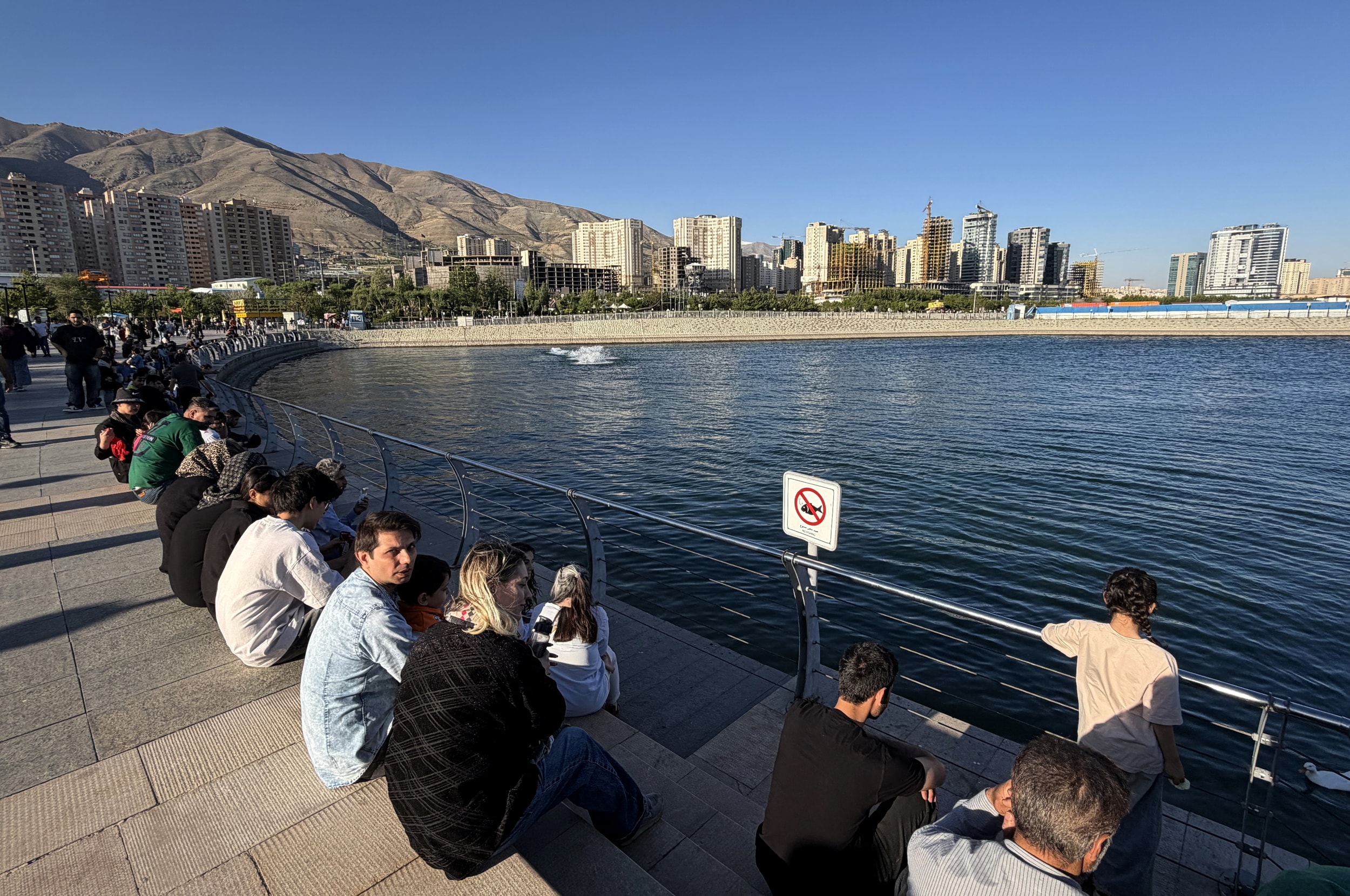
In response, the U.S. also imposed a blockade on Iranian ports in this waterway and beyond. This situation is putting considerable pressure on President Trump amid rising domestic fuel prices, the upcoming midterm elections in November, and polls showing that this trade war does not have the support of a majority of the American people.
Maritime safety in the Strait of Hormuz was also a central focus of Araghchi's trip to Oman. "Safe passage through the Strait of Hormuz is a globally important issue. Naturally, as two coastal states of the strait, we must communicate with each other to ensure our common interests," the Iranian Foreign Minister affirmed. However, the Iranian Islamic Revolutionary Guard Corps (IRGC) stated that it had no intention of lifting the blockade, emphasizing that controlling Hormuz and maintaining its deterrent effect against the US is Tehran's "definite strategy."
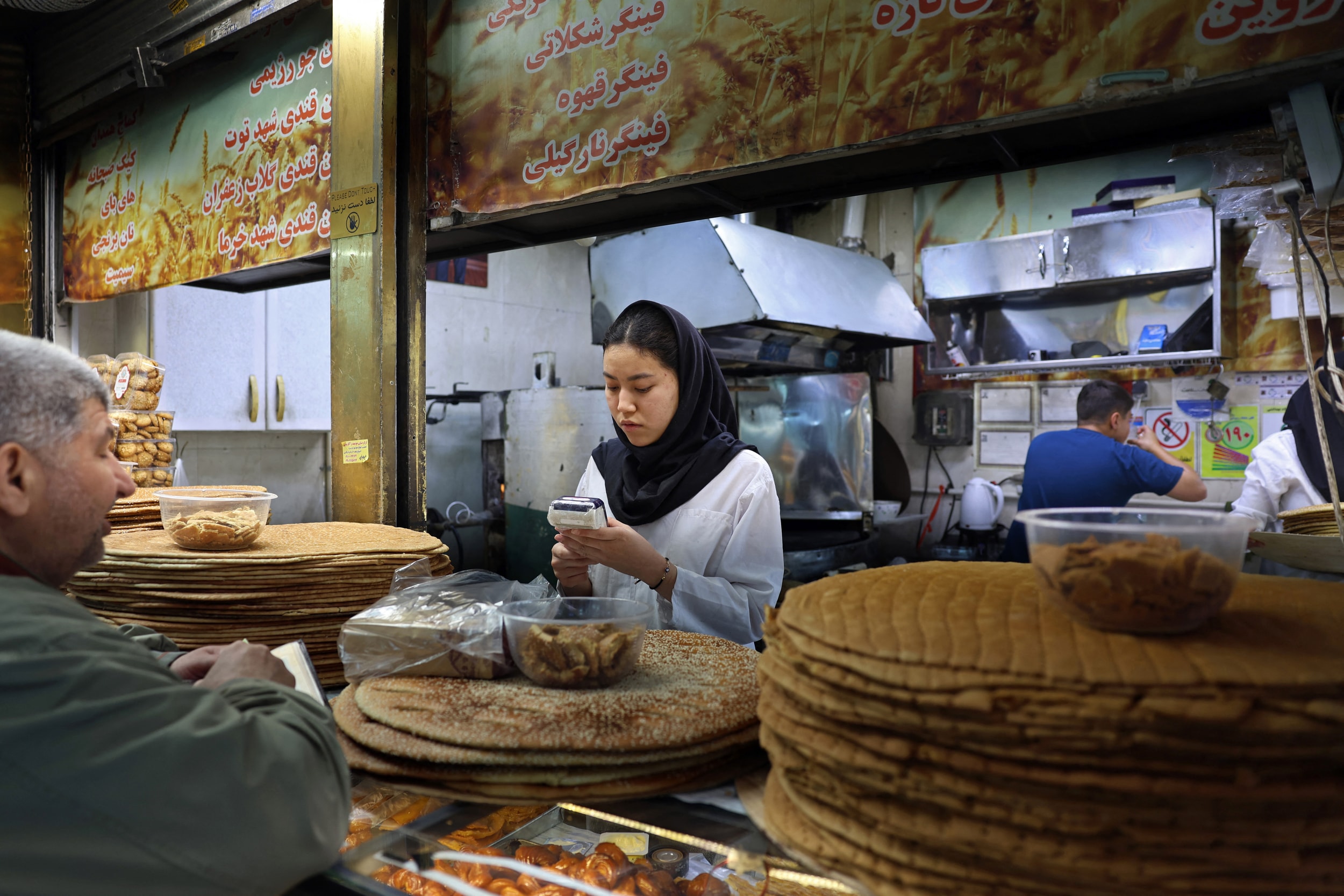
On the market, oil prices began to inch higher in early trading this week, although faint hopes of a deal somewhat curbed the gains.
The ceasefire in Lebanon is on the verge of collapse.
Beyond the Gulf conflict zone, violence continues to escalate on the Lebanese front, despite a recently extended ceasefire between Israel and Iranian-backed Hezbollah. This agreement, which came into effect in mid-April, is facing a serious test as both sides repeatedly blame each other for violations.
April 26th was recorded as the bloodiest day since the ceasefire came into effect. According to the Lebanese Ministry of Health, Israeli airstrikes in the south of the country claimed the lives of at least 14 people.
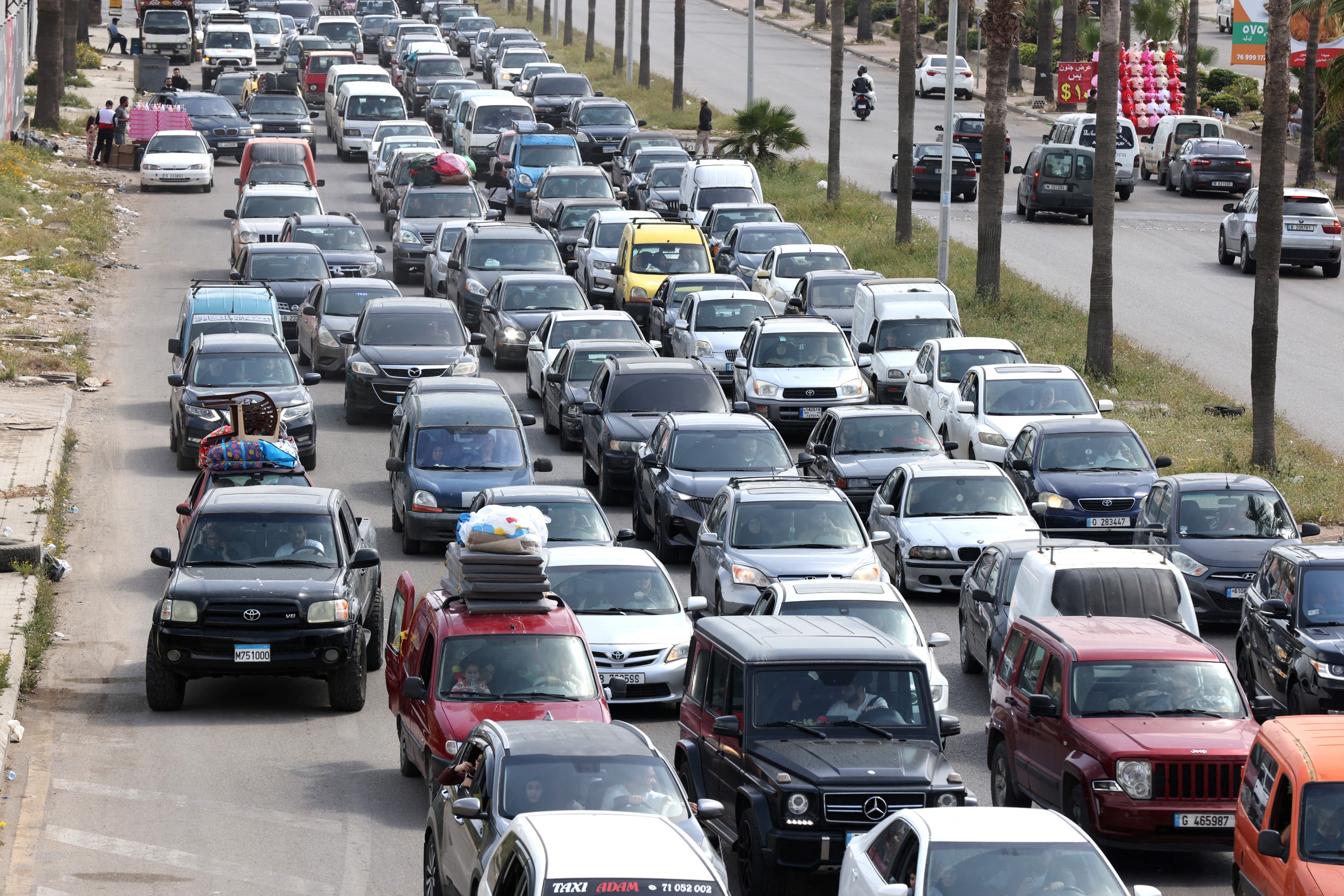
Lebanon's national news agency (NNA) reported that Israeli fighter jets bombed Kfar Tibnit and several other locations in the south after issuing an emergency evacuation warning for seven areas. Long lines of vehicles carrying residents fleeing north caused severe traffic congestion.
Meanwhile, the Israeli army also confirmed that one of its soldiers had been killed "during fighting" in southern Lebanon. Israeli Prime Minister Benjamin Netanyahu accused Hezbollah's actions of directly threatening the peace agreement. He asserted that the Israeli army was targeting the armed group "aggressively," emphasizing: "It must be understood that Hezbollah's violations are, in effect, breaking the ceasefire." Israel argued that, under the terms of the agreement, it has the freedom to act to respond to and prevent immediate threats and impending dangers.
Conversely, Hezbollah completely rejected the accusations from Israel. The group declared its attacks on targets in southern Lebanon and northern Israel as "a completely legitimate response to the enemy's continued violations of the ceasefire agreement since the first day of the temporary truce," and vowed to continue retaliating against Israel's "occupation."
Tensions stemmed from March 2nd, when Hezbollah dragged Lebanon into the Middle Eastern conflict by launching missiles at Israel in retaliation for the death of Iranian Supreme Leader Ali Khamenei, leading to Israeli responses including airstrikes and ground offensives.