

Xpeng, BYD, and Xiaomi: Chinese automakers are changing the landscape of AI and battery technology.
The global automotive industry is witnessing a shift as Chinese brands take the lead in artificial intelligence and charging infrastructure. From joint ventures, giants like Volkswagen and Toyota are now relying on mainland technology to maintain their competitiveness.
According to the latest report from Nikkei, Chinese automakers are making a strong breakthrough, surpassing traditional rivals from Japan and Europe thanks to remarkable advances in artificial intelligence (AI) and electric vehicle (EV) charging technology. This shift is not only reflected in sales but also in technological standing, as Western corporations are beginning to learn from and collaborate with their Eastern counterparts.
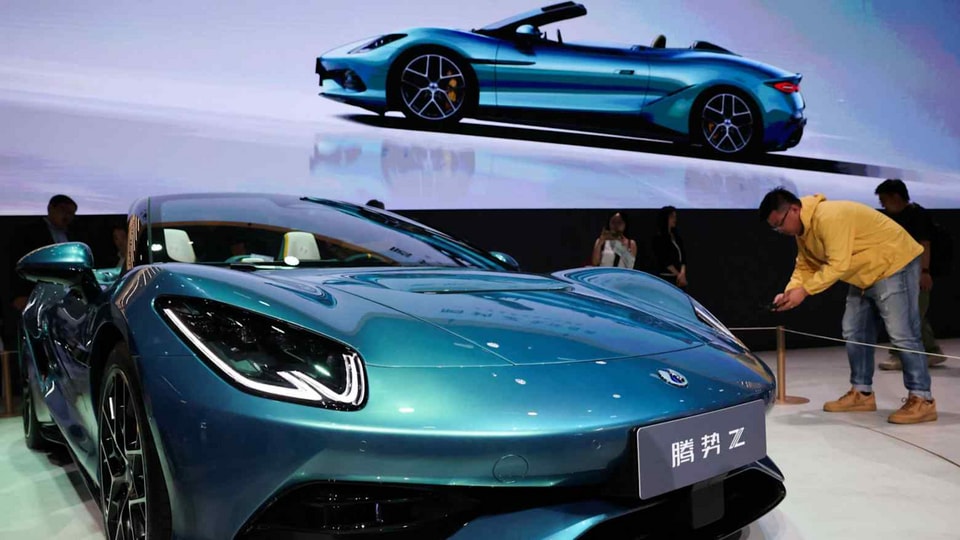
A shift in fortune: When the German giant seeks help.
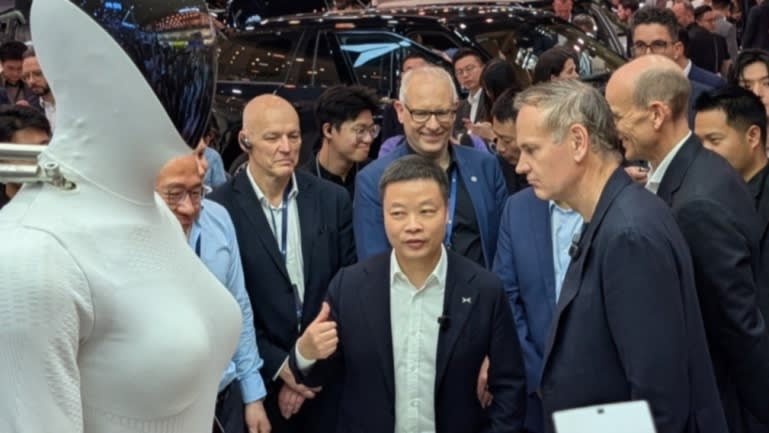
At the 2026 Beijing International Auto Show, the image of Volkswagen Chairman Oliver Blume attentively listening to Xpeng CEO He Xiaopeng introduce the GX SUV became symbolic of the power shift. Xpeng is currently developing Level 4 autonomous driving systems, a milestone that many traditional automakers are still struggling to achieve.
Volkswagen has acquired a 5% stake in Xpeng and integrated two Turing AI chips developed by its Chinese partner into the latest ID UNYX 08 model. This system allows the vehicle to detect and assess its surroundings with high accuracy thanks to the processing power of AI.
Not only Volkswagen, but Japanese automakers like Toyota and Nissan are also increasing their reliance on Chinese technology. GAC Group – a joint venture partner of Toyota and Honda – believes the industry has entered a post-joint venture era, where Chinese domestic manufacturers are no longer dependent on foreign capital or technology.
Blade battery technology and Xiaomi's progress.
BYD continues to solidify its leading position by upgrading the Blade's battery. The latest version, launching in March 2026, allows charging from 10% to 97% in approximately 9 minutes under normal conditions. Notably, even at extreme temperatures of -30°C, charging time is only 12 minutes. To support this technology, BYD plans to install 6,000 compatible charging ports globally by the end of 2026.
| Specifications | Technical details |
|---|---|
| AI processor chip | Turing (developed by Xpeng) |
| Autonomous driving capabilities | Level 4 |
| Blade battery charging time (10-97%) | 9 minutes (under normal conditions) |
| Blade battery charging time (-30°C) | 12 minutes |
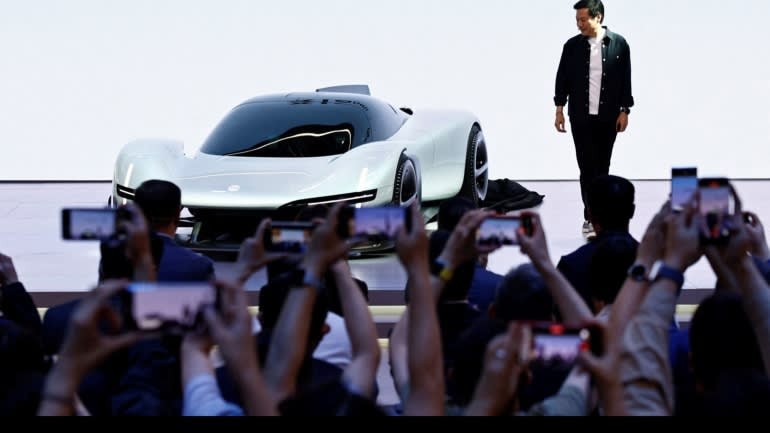
Meanwhile, Xiaomi – a tech company that entered the electric vehicle market in 2024 – is also aggressively expanding into Europe. CEO Lei Jun announced plans to begin exporting vehicles to Germany in 2027. The YU7 GT SUV, a flagship product of its Munich R&D center, is expected to launch at the end of May.
North American strategy through the gateway of Canada.
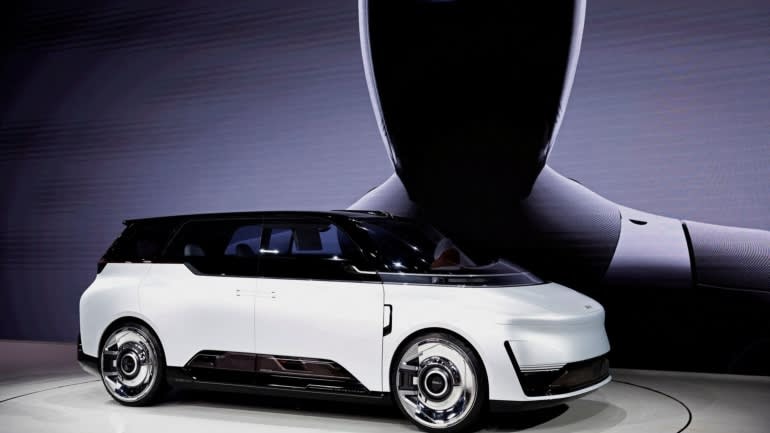
Despite facing tariff barriers in the US, Chinese automakers are finding positive signals from Canada. The Canadian government has announced a conditional reduction in tariffs to 6.1% for a certain number of vehicles, instead of the previous 100%. This is considered an important stepping stone because Canada and the US share many similar technical safety standards.
However, the biggest challenge currently facing Chinese manufacturers when expanding globally is data security. Collecting information through AI-assisted driving systems requires companies to strictly comply with local laws to maintain the trust of international consumers.