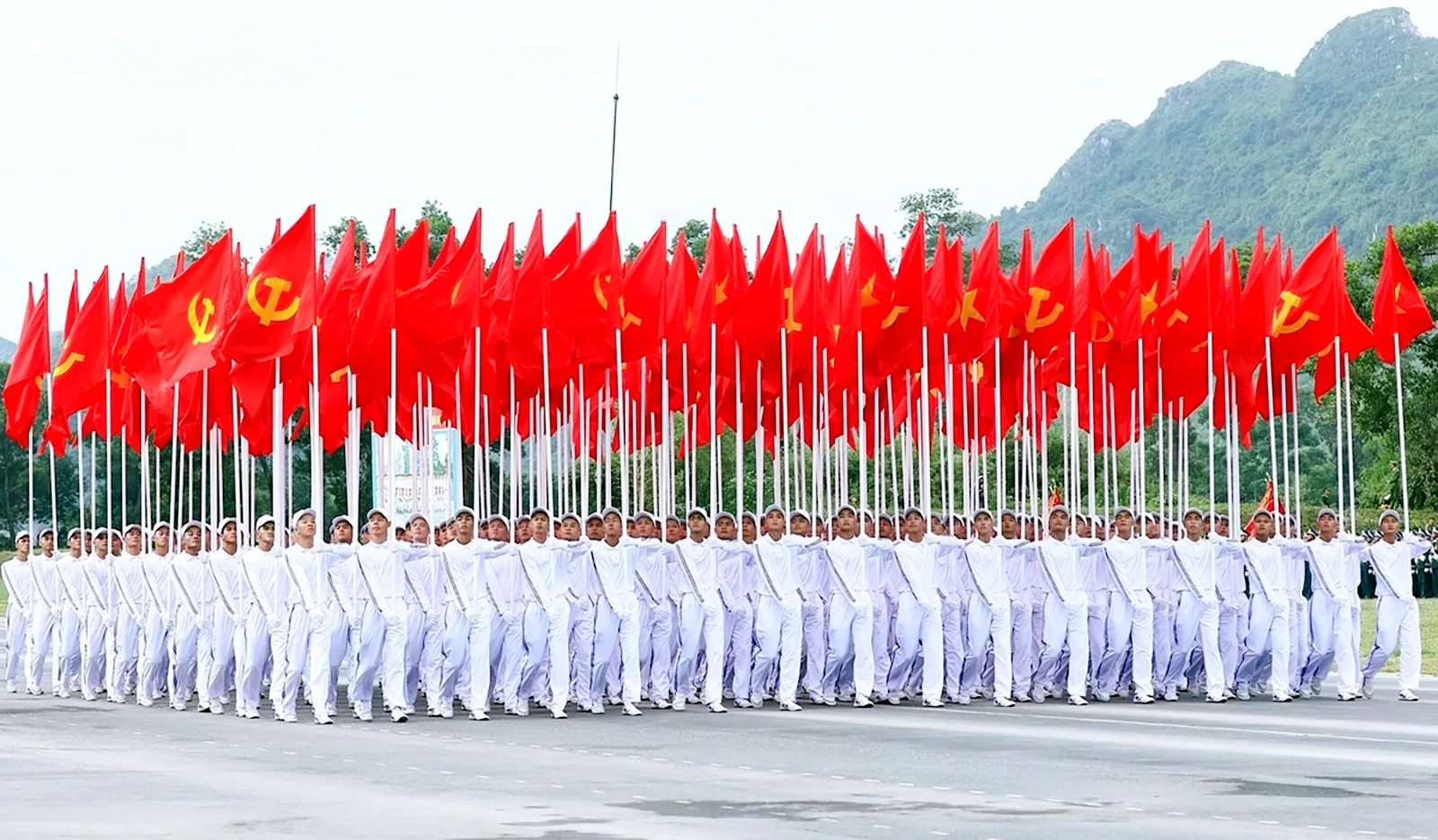
When history becomes a command to act
The victory of April 30th is a glorious milestone in the golden history of the nation, a symbol embodying the indomitable will and the aspiration for independence and peace. The victory of April 30, 1975, ushered in a new era – an era of independence, unity, and development.
.png)
Dr. Pham Ngoc Hung(Communist Magazine)
Design:Huu QuanApril 30, 2026
The victory of April 30th is a glorious milestone in the golden history of the nation, a symbol embodying the indomitable will and the aspiration for independence and peace. The victory of April 30, 1975, ushered in a new era – an era of independence, unity, and development. However, the value of this historical event lies not only in the past, but also in its ability to illuminate the present, guide the future, and inspire action in each individual in the journey of national development today.

More than half a century ago, the Vietnamese people achieved a victory of epochal significance. It was not only a military victory, but also a victory of political will, of the strength of national unity, and of unwavering faith in the chosen path. In a context of unequal power dynamics, a small nation defeated a powerful military superpower, thereby affirming the truth: When a nation knows how to unite, how to focus on a common goal, and remains steadfast in its choice, there is no challenge insurmountable, no limit that cannot be broken.
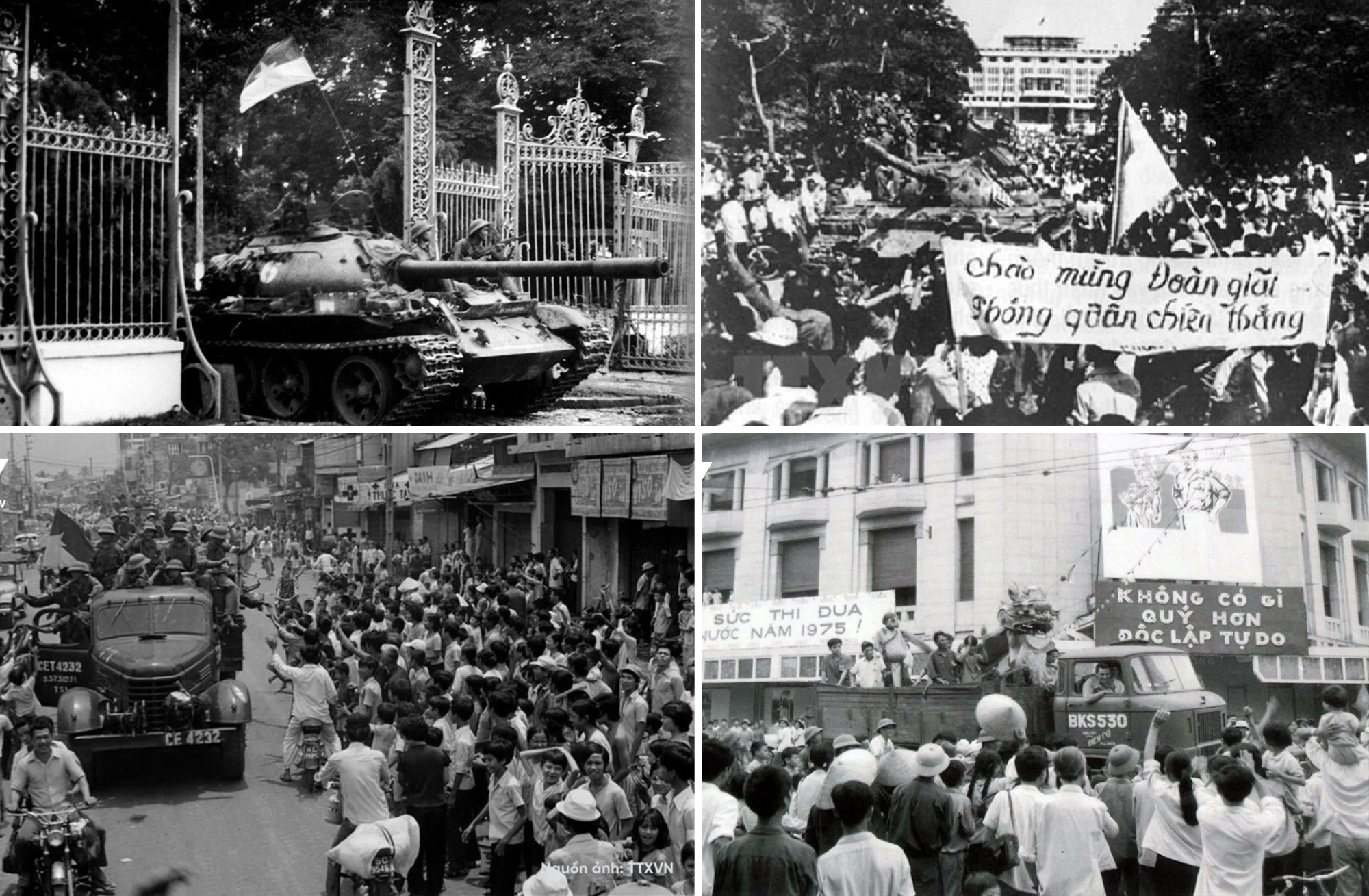
But history is not just about the glory of victory. Behind the victory of April 30, 1975, lie immeasurable losses. Millions of outstanding sons and daughters fell, millions of families were separated, and mothers sent their sons to war, never to return. These memories belong not only to the past but have become a part of the national identity, nurturing patriotism, self-reliance, and civic responsibility.
Therefore, "gratitude" for the sacrifices and losses of our ancestors cannot be a fleeting emotion, but rather an awakening of awareness, a depth of understanding and reflection. Because everything we have today, from peace and stability to opportunities for development, has been bought with the blood, sweat, tears, and unfulfilled dreams of previous generations.

When we become aware of this, gratitude will no longer be just words, but will become a driving force for action. Conversely, without that depth of understanding, pride can easily become superficial, and history risks being reduced to dry dates and emotionless numbers – losing its soul, its power to inspire, and its ability to guide people towards the future.
Notably, in the context of today's information explosion, history is becoming a "battleground" for ideological struggles. Numerous distorted narratives have emerged, deliberately misrepresenting the nature of the resistance war and denying the just cause of the Vietnamese nation. Views claiming it was a "civil war," or proclaiming the idea that "there were no winners or losers," are essentially a manipulation of concepts, separating events from their specific historical context.
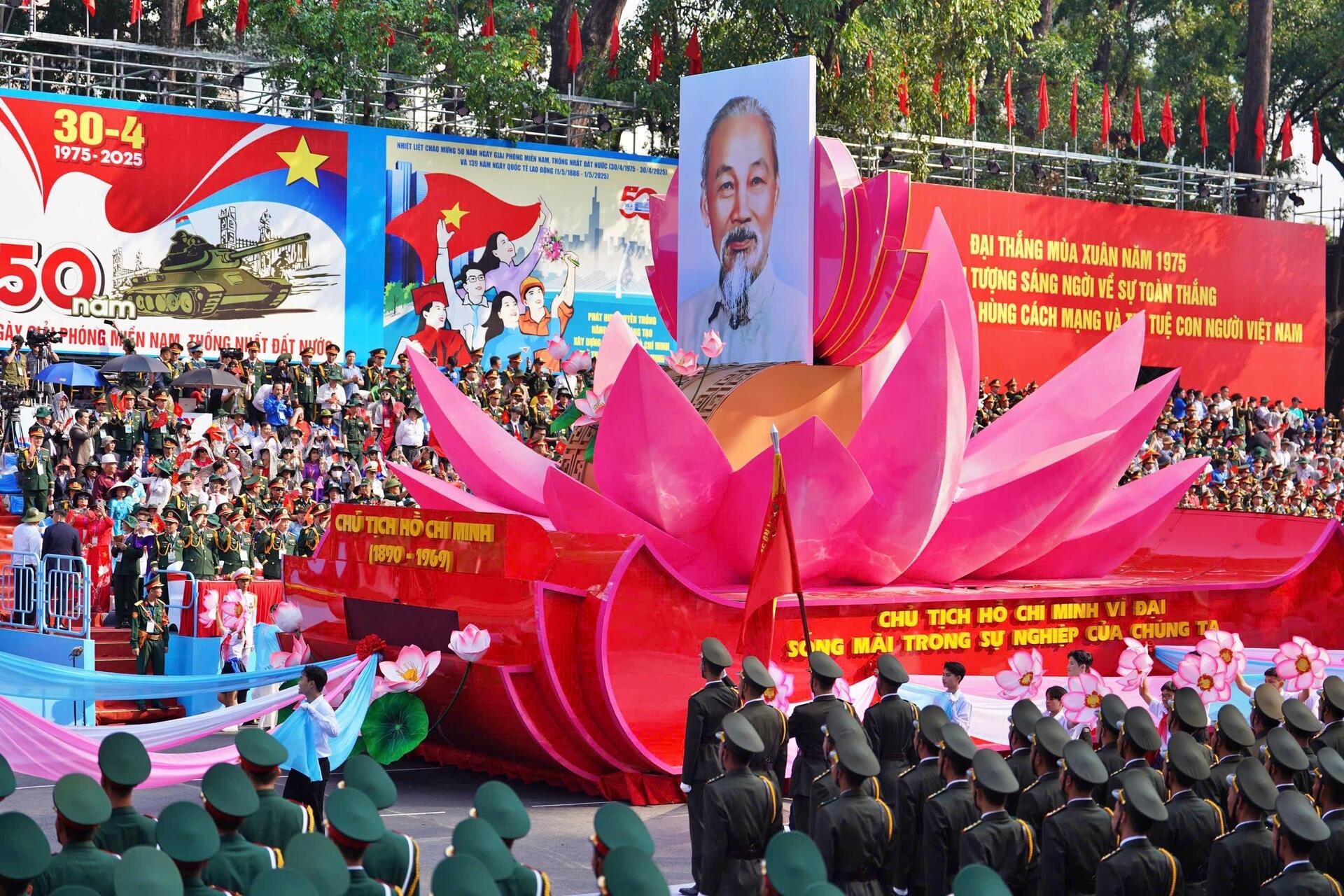
It must be clearly stated that, in the context of Vietnam, the resistance war against American imperialism to save the nation was a just war, aimed at protecting the independence, sovereignty, and unity of the country. Vietnam is a peace-loving nation that has repeatedly sought negotiated solutions, as evidenced by the 1973 Paris Agreement. However, when the sacred rights of the nation are violated, taking up arms is a historical necessity that cannot be distorted or denied.
False narratives not only distort the truth but also pose a risk of undermining ideological foundations and dividing national unity. More dangerously, they directly impact the perceptions of the younger generation, who primarily access history through digital media. Without the necessary knowledge and discernment, they are easily misled by biased and inaccurate information.
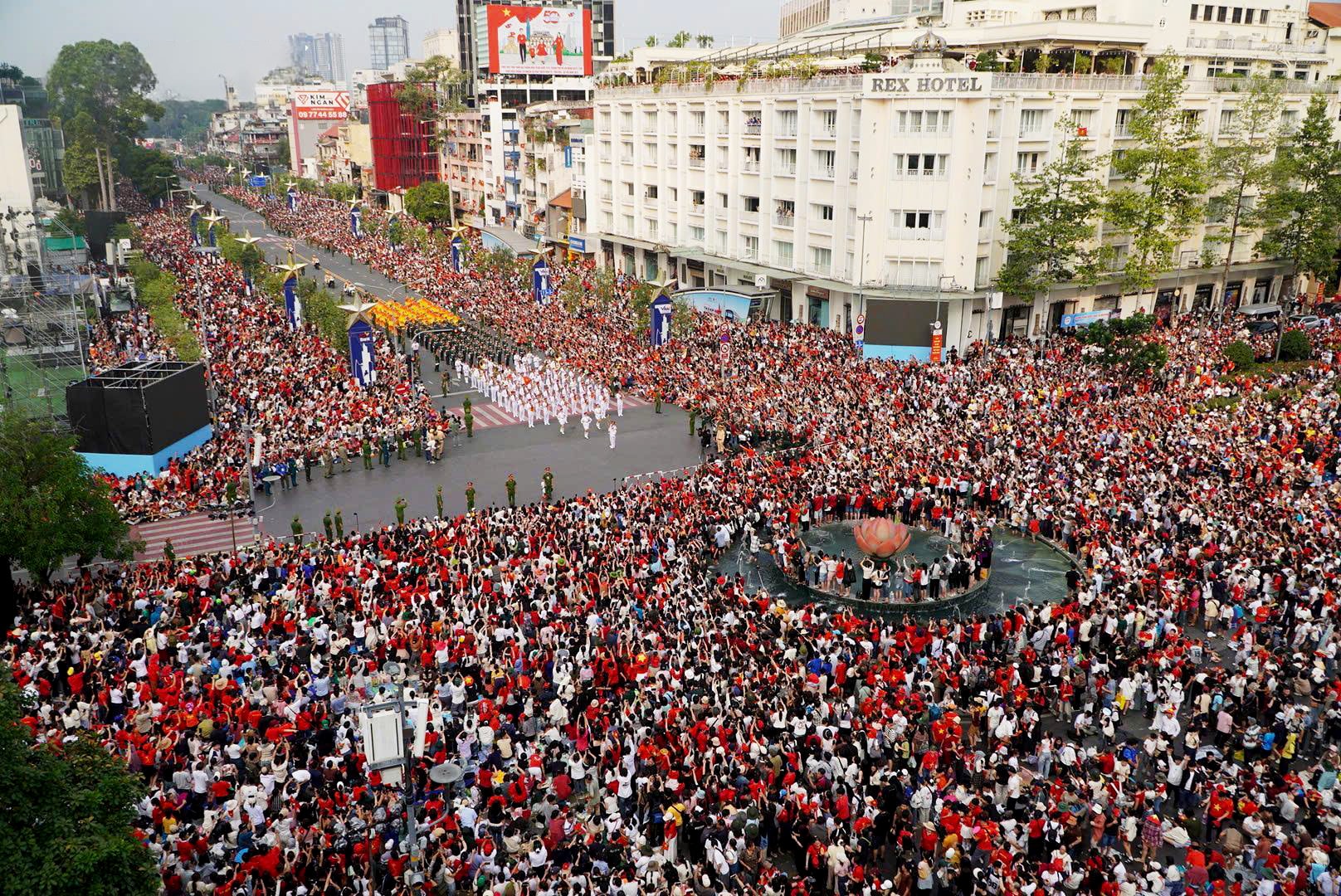
Therefore, protecting history is not only about protecting the past, but also about protecting the spiritual foundation and future of the nation; gratitude for history is the driving force behind development. Every citizen, especially the younger generation, needs to proactively equip themselves with systematic historical knowledge, access information from official and reliable sources; and at the same time, enhance their "resistance" to misinformation, avoiding hastily sharing or spreading unverified content.

If history were merely a matter of "remembering," its value would gradually fade over time. More importantly, we must transform those values into a driving force for development. The victory of April 30, 1975, was not only the end of the war, but also the beginning of a new journey – a journey of building and developing the country in peace.
One of the greatest lessons from history is the unity between awareness and action. In war, when the entire nation is united towards a common goal, strength is multiplied many times over. In the current context, that lesson highlights the need to improve the effectiveness of policy implementation. A correct policy, if not implemented synchronously, lacking clear mechanisms and specific responsibilities, is unlikely to create substantive change. This spirit of action is also the spirit of the 14th National Congress and the important directives of General Secretary and President To Lam recently.
.jpg)
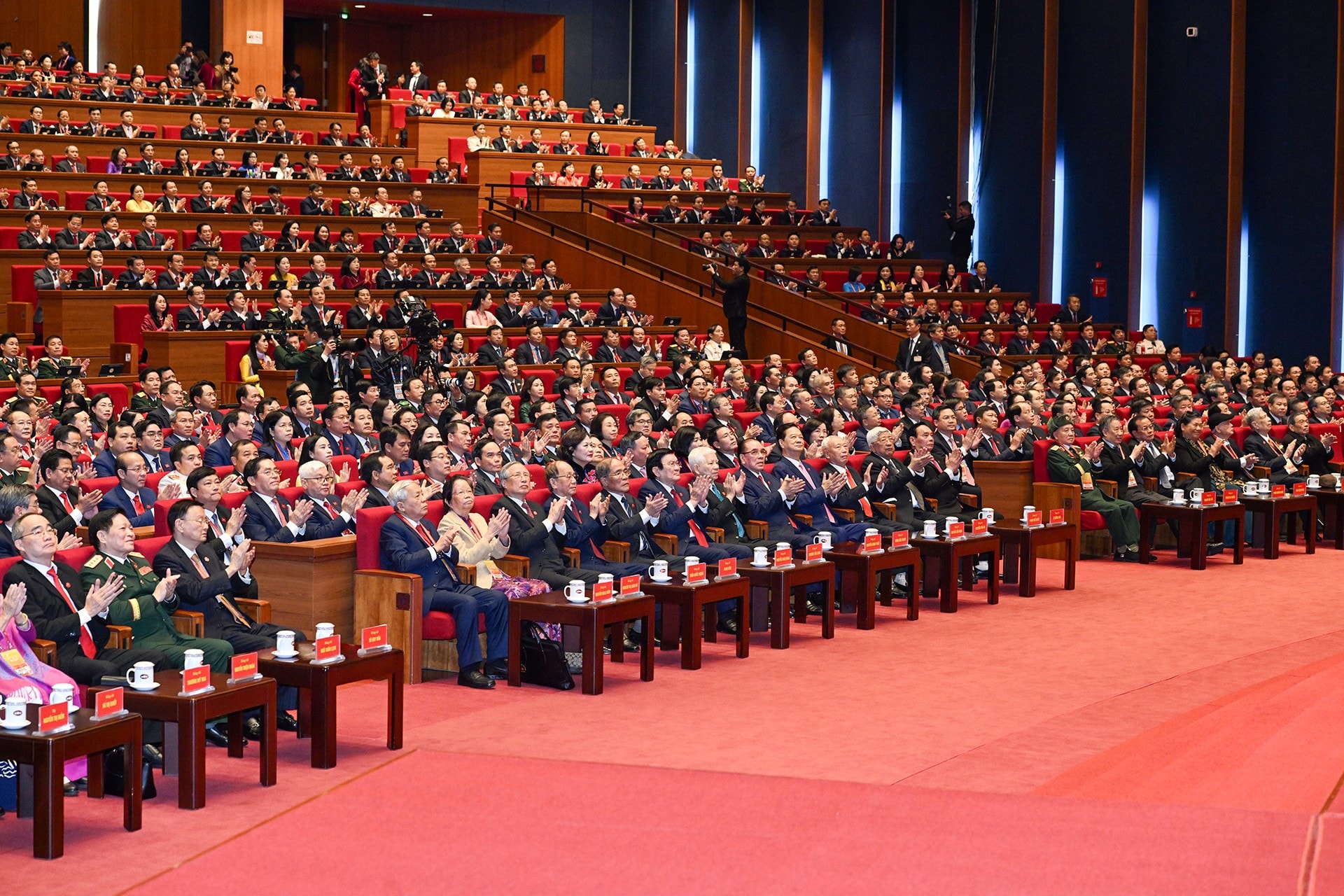
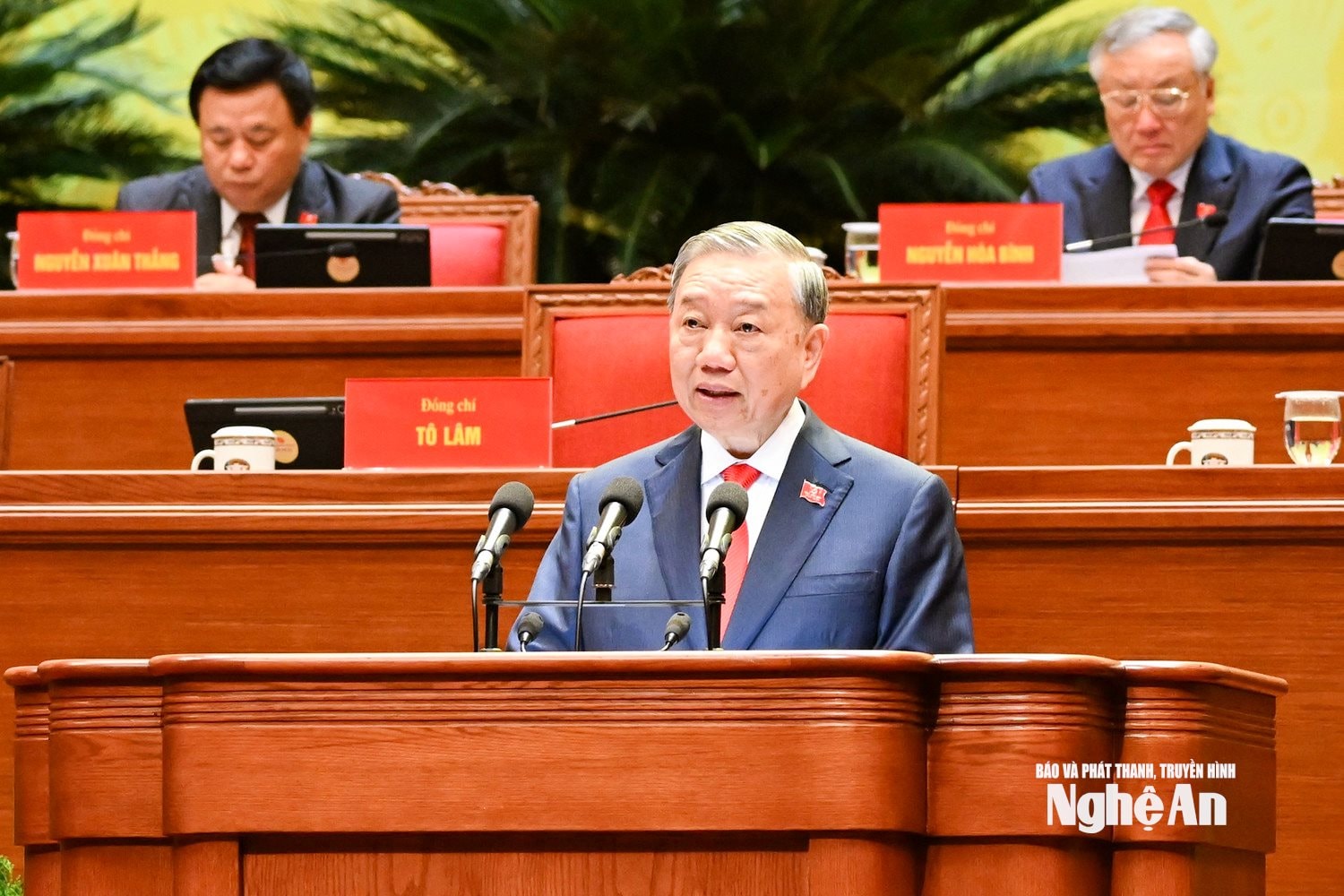
In reality, there are still "bottlenecks" in the development process: overlapping administrative procedures, unclear responsibilities between different levels of government, and dispersed resources. If these issues are not resolved, they will reduce management efficiency and hinder development momentum. Therefore, improving institutions, clearly defining responsibilities, strengthening control, and increasing transparency are urgent requirements to unlock social resources.
Furthermore, the lesson of "maximizing internal resources" from history needs to be applied in the new context. While in the past it was about mobilizing human and material resources for war, today it is about creating conditions for all resources, from businesses and citizens to intellectuals, to be maximized. This requires not only appropriate policies but also a transparent environment that encourages creativity, accepts innovation, and even the risks involved in experimenting with new things.




In the digital age, science and technology, innovation, and digital transformation are identified as the main drivers of the growth model. However, technology is not an end in itself, but must serve human development. The quality of human resources, adaptability, and creativity are the decisive factors in a nation's long-term competitiveness. Therefore, investing in education, training, and human development is a practical way to continue the spirit of history.
Another lesson that remains relevant is the combination of national strength and the strength of the times. While in the past, this was a combination of internal strength and international support, today it is a deep integration into the global flow of knowledge and technology. An independent, self-reliant, multilateral, and diversified foreign policy has helped Vietnam expand its relations, enhance its international standing, and create favorable conditions for development.
Notably, the normalization of relations with former adversaries, as well as extensive participation in international organizations, demonstrates a humane and practical development mindset: putting the past behind and looking towards the future. This does not contradict respect for history; on the contrary, it is precisely how history can become the foundation for reconciliation, cooperation, and sustainable development.
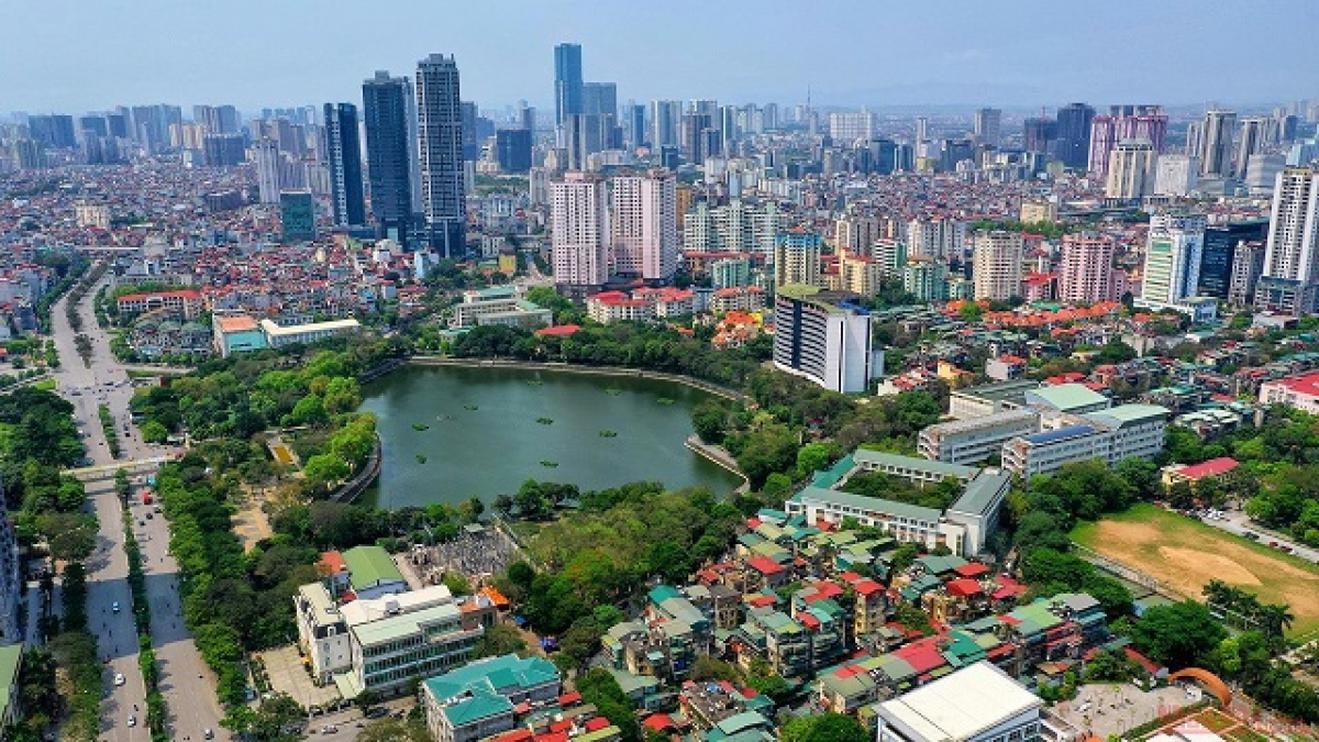


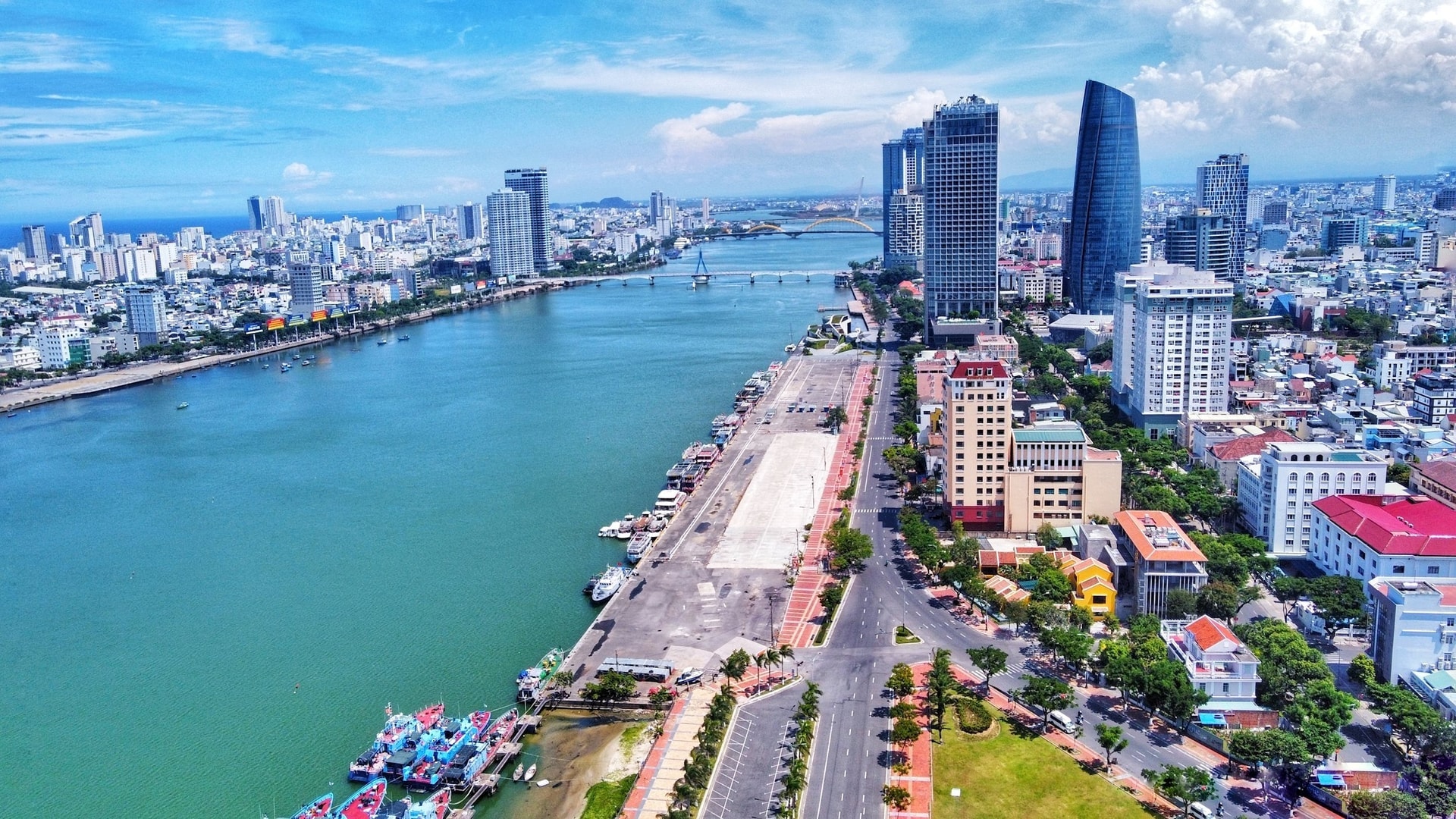
In a rapidly changing world, facing challenges such as climate change, cybersecurity, and strategic competition among nations, development needs to move beyond economic growth and focus on sustainability and adaptability. This demands new thinking, flexible approaches, and effective coordination among all stakeholders in society.
From that perspective, the spirit of April 30th needs to be translated into concrete actions in each field. For officials, it means responsibility, integrity, and efficiency in performing their duties. For businesses, it means innovation and enhancing competitiveness. For young people, it means studying, training, mastering science and technology, and being ready to contribute. For society as a whole, it means building a culture of discipline, unity, and development.
History does not fade into the past, but is present in every choice of the present. Commemorating the Victory of April 30th is about showing gratitude and appreciation, and more importantly, about asking ourselves: What have we done and what will we do to be worthy of the sacrifices of previous generations? When history is transformed into awareness, into courage, and into action, that is the most practical way to preserve and promote the value of the Victory of April 30th, 1975. Because ultimately, history is not just for remembering, but for action, for contributing, and for building a future worthy of the glorious past of the nation.