

How Apple protects design secrets before the launch of new products.
Before each product launch, Apple always intrigues the market by keeping almost all images and marketing materials of new products under wraps, thanks to a tightly controlled, multi-layered security system.
Apple has long been known for its ability to keep product information under wraps before launch. Not only the hardware, but also promotional images, packaging, or marketing materials for devices like the iPhone and iPad rarely get leaked.
Behind this is a multi-layered security process system, strictly enforced for both internal employees and external partners.
"Forbidden zones" with multiple layers of control.
Design-related work areas at Apple are heavily secured using various methods such as alarm codes, electronic locks, key cards, or traditional mechanical locks. Access codes are frequently changed to prevent risks from former employees.
Furthermore, the company requires receptionists or security personnel to be stationed at entrances and exits, especially in the receiving area. Even the cleaning staff are severely restricted from accessing sensitive documents.
In these spaces, all security principles are applied at the highest level, such as not leaving confidential documents on desks, whiteboards, or in meeting rooms; project meetings must take place in locked rooms; work computers must have passwords and encrypted drives, while design files are never left open when not in use.
For digital data, all files related to unreleased products must be encrypted (at least 128-bit) and shared only through Apple's secure servers. Hard copy documents must also be stored in a locked cabinet or drawer and must not be exposed to the outside through windows or doors.
Notably, Apple typically restricts remote work on design projects unless specifically approved. The printing area is also strictly controlled, requiring employees to receive documents in person, and any excess prints must be destroyed or securely stored.
Human control is just as effective as technology.
Apple meticulously manages not only the work environment but also its people. All personnel involved in design and marketing projects must undergo a screening process and sign a non-disclosure agreement (NDA).
Information is only shared on an "essential" basis, even within the team. Employees are also advised not to disclose their participation in Apple projects, in order to avoid attracting unnecessary attention.
In communication, Apple requires the use of codenames instead of actual product names. Conversations are not conducted using speakerphones, and design files are strictly prohibited via email. If password sharing is necessary, it is typically done over the phone to minimize risk.
Complex design tool ecosystem
In addition to marketing materials, Apple and its partners also process large amounts of hardware and software design data. Computer-aided design (CAD 3D) files, 2D drawings, PDF schematics, and printed circuit board design files are all used in the product development process.
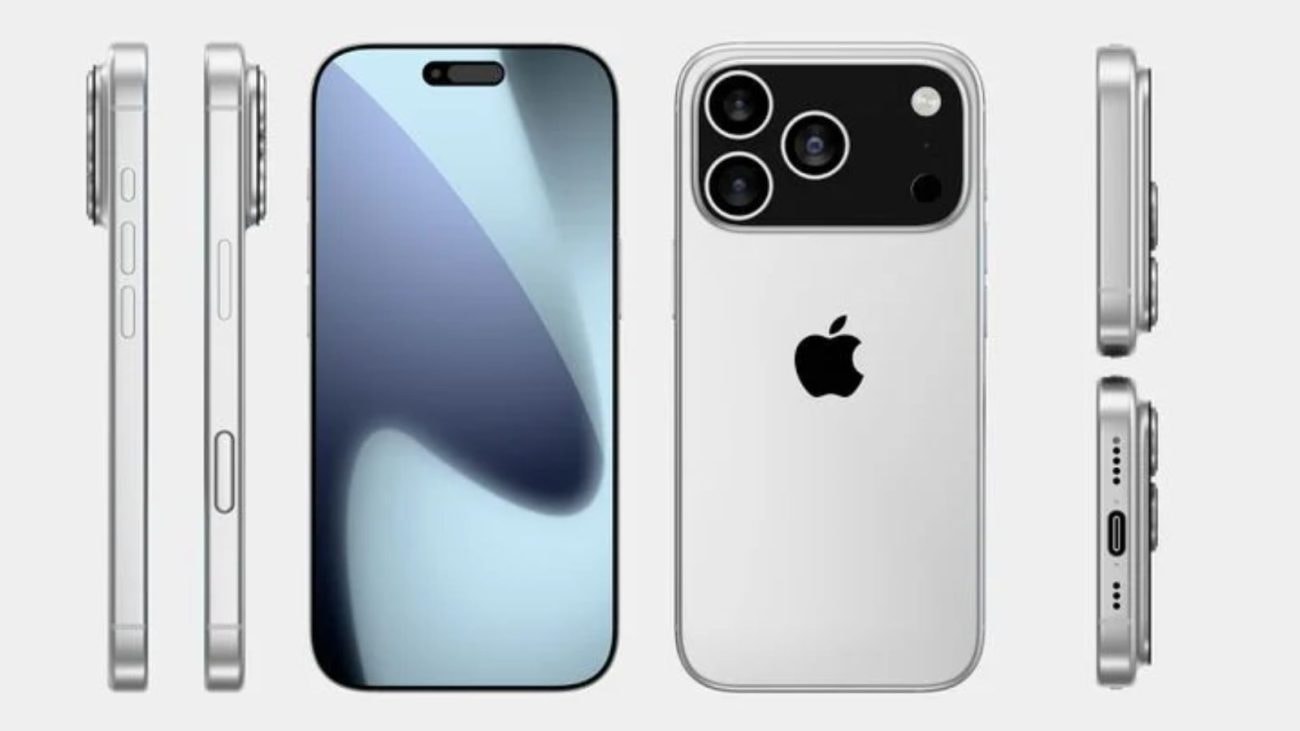
These files contain extremely detailed information, from component dimensions to the overall structure of the device. For example, each part of the iPhone is modeled individually using specialized software.
In the software realm, Apple uses internal tools like Mica to create user interface effects. These tools only exist in internal versions of the operating system, minimizing the risk of leaks.
How effective is the security?
In fact, CAD design drawings of Apple products are sometimes leaked, usually from the supply chain or accessory manufacturers. However, official marketing images, which have significant media value, rarely appear before the announcement date.
However, Apple is not entirely immune to mistakes. The company accidentally leaked images of the iPhone XS in 2018, or more recently, the name of a MacBook model before its release. In addition, some third-party partners occasionally fail to fully comply with security procedures.
Overall, however, Apple's multi-layered security system has proven very effective. These rigorous standards have helped the company maintain the element of surprise – a crucial part of its product launch strategy.