

5 things to avoid when charging electric vehicle batteries.
Charging electric vehicle batteries may seem simple, but it carries many risks if done incorrectly, directly affecting battery lifespan and user safety.
Battery charging is one of the most basic yet crucial skills any electric vehicle owner needs to master. While low operating costs are a major advantage, charging requires adherence to certain principles to ensure safety and extend battery life.
Unlike traditional gasoline refueling, charging electric vehicles involves the electrical system and energy management software directly. This means that seemingly harmless habits can have long-term effects on battery performance and lifespan.
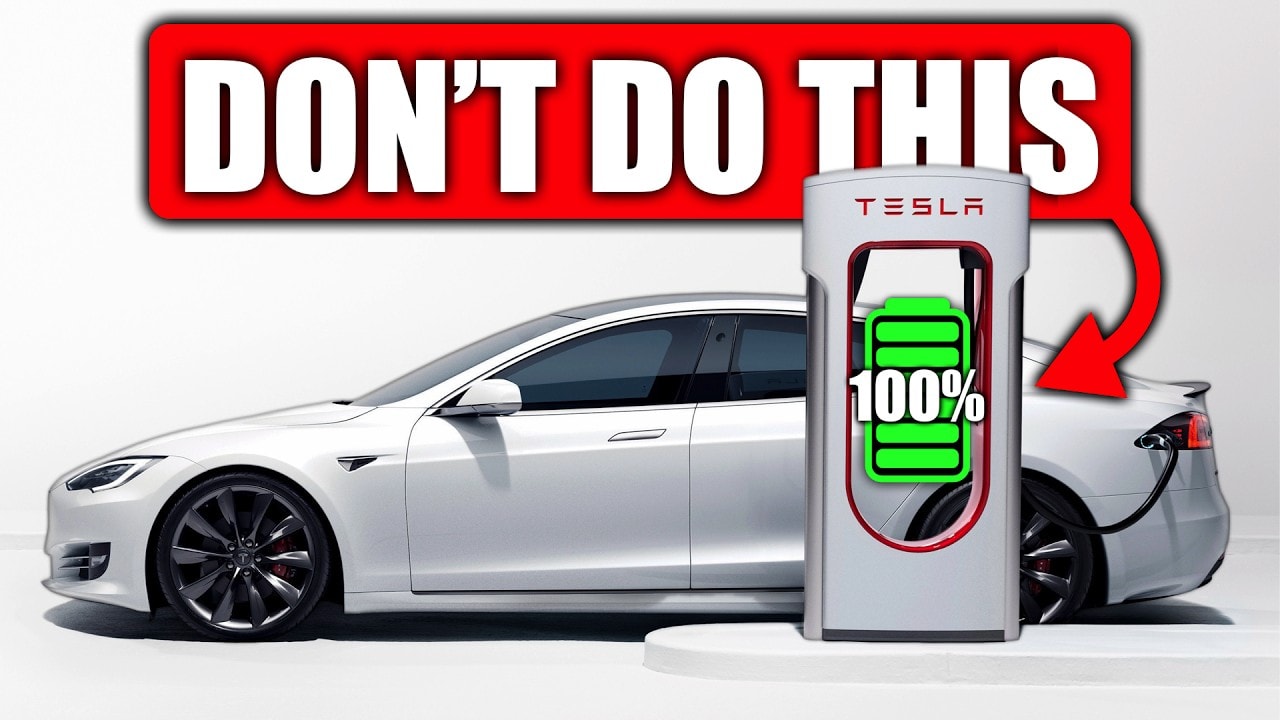
Although modern charging technology incorporates many safety protection mechanisms, this does not mean users can be complacent. In fact, there are still many common mistakes that users easily make, even in simple situations such as sitting in a car while charging.
Understanding the risks and establishing proper charging habits will not only keep you safe but also optimize the lifespan of your electric vehicle.
1. Using a low-quality charger.
Using low-quality chargers or damaged cables is one of the most dangerous mistakes. Unlike phone chargers, electric vehicle charging systems handle much larger amounts of power, therefore requiring equipment that meets high safety standards.
Small cracks, peeling cable sheaths, or exposed wires can all pose serious risks. Genuine chargers are typically equipped with temperature control systems, fault detection, and automatic power cutoff when necessary—features that cheaper devices may lack.
The consequences extend beyond slow charging; it can also lead to fires, explosions, or electric shocks. Therefore, users should regularly check their charging cables and only use certified safe devices, even if the initial cost is higher.
2. Misuse of DC fast charging stations
DC fast charging offers great convenience as it can charge a large portion of the battery capacity in a short time. However, over-reliance on this charging method can be harmful in the long run.
The main reason lies in the heat generated during the charging process. When a large current is transmitted to the battery for a short period, the temperature rises, increasing the pressure on the battery cells and accelerating degradation.
Studies show that vehicles that frequently use high-power fast charging may experience a significantly faster decline in their battery storage capacity compared to vehicles using slow charging.
However, fast charging isn't something to be completely avoided. Users should still utilize it when necessary, such as on long journeys, but for everyday use, level 1 or level 2 charging is still the better option for battery longevity.
3. Starting the car while it's plugged in is not recommended.
A common habit is starting the car while it's charging, especially when users want to use the air conditioning or other amenities in the cabin. However, this can affect the car's energy management system.
Although modern electric vehicles have mechanisms to prevent them from moving while charging, starting the vehicle can still interrupt the charging process, slowing down the charging speed or even stopping it altogether.
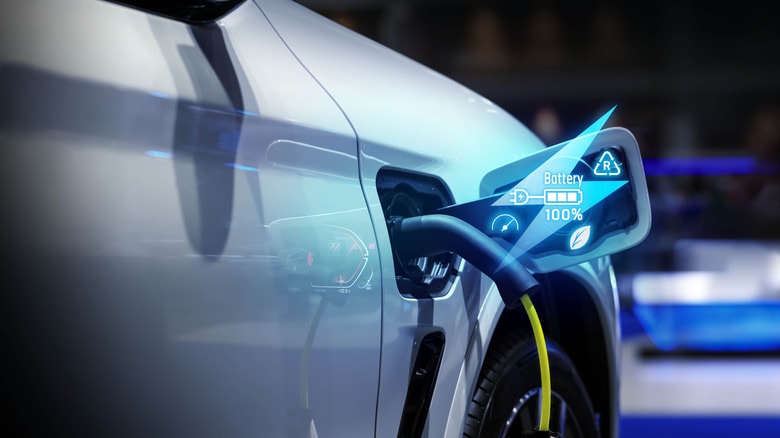
In many cases, the vehicle will display a warning requesting that the charger be disconnected before starting. To avoid this, users should utilize specialized modes such as Camp Mode or similar utility modes, which allow the use of the air conditioning and entertainment system without affecting the charging process.
4. Only charge the battery when it is completely depleted.
The idea of completely discharging a battery before charging it was common in older devices, but it's not suitable for modern electric vehicles that use lithium-ion batteries.
Allowing a battery to completely discharge can cause chemical reactions that degrade its internal structure, thereby permanently affecting its lifespan. In fact, frequently deep-discharging a battery can significantly reduce the number of charge cycles.
The ideal solution is to maintain the battery level between 20% and 80%. Users should charge when the battery is around 20% and avoid charging to 100% unless absolutely necessary. Full charging should only be done when preparing for long trips.
5. Being careless with the charging cable after use.
Small details like how you position your charging cable can also affect safety. Overstretching the cable or leaving it lying haphazardly on the ground can create numerous safety hazards.
Cables placed across walkways can cause people to trip, potentially leading to legal liability. Additionally, connectors exposed to dirt, water, or dust are prone to damage, affecting charging efficiency.
Therefore, users should park close enough to the charging station to avoid stretching the cable, and always return the plug to its correct position after use. Even when charging at home, keeping the charging area tidy is important for safety.
Charging electric vehicles isn't complicated, but it requires caution and proper understanding. By simply avoiding common mistakes and maintaining sensible usage habits, you can extend battery life and ensure safety throughout the entire process.