

Wave of layoffs at Big Tech: A sign of an AI-induced 'job crisis'?
The widespread layoffs by major global technology companies (Big Tech) are raising concerns that artificial intelligence (AI) will not only create new opportunities but also drive a profound restructuring of the workforce.
Recent reports indicate that Meta and Microsoft are preparing for or implementing large-scale job cuts, potentially exceeding 20,000 jobs in total. This move comes just months after Amazon announced extensive layoffs.
While each company has its own reasons, the common thread is that they are all undergoing a major restructuring phase, meaning they are both accelerating investment in AI infrastructure and cutting operating costs, with personnel being the biggest expense.
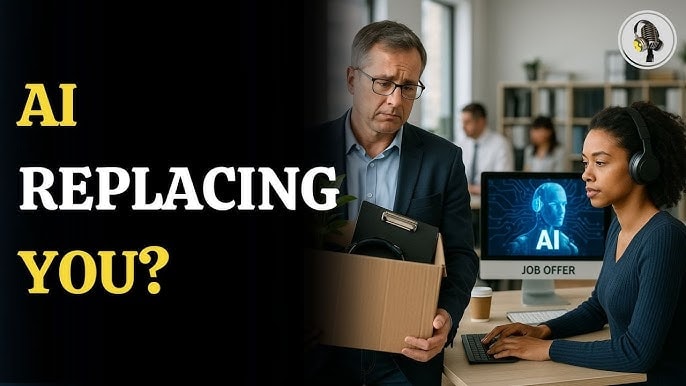
According to data from Layoffs.fyi, a website that tracks and compiles data on global tech layoffs, more than 92,000 tech workers lost their jobs in 2026 alone, bringing the total from 2020 to nearly 900,000. This figure shows that the trend is no longer cyclical, but is gradually becoming a structural change.
Artificial intelligence is creating momentum for growth, but it is also putting pressure on staff reductions.
Tech giants are currently spending hundreds of billions of dollars annually to build data centers and AI platforms to meet booming demand. Paradoxically, however, they are simultaneously cutting their workforce.
Part of the reason stems from the massive hiring spree during the pandemic, when the need for digitalization was high. But more importantly, AI is changing the way work is done.
Since OpenAI launched ChatGPT in late 2022, the potential for automating office tasks has become clearer than ever. Subsequently, tools like Anthropic's Claude have further expanded this scope, capable of handling tasks previously handled by entire departments.
Many experts believe that AI will not "eliminate" jobs but will create new professions, similar to how smartphones once created an app ecosystem.
However, the problem lies in the pace of change. A 2026 study by the US-based tech recruitment firm Motion Recruitment showed that recruitment for entry-level IT positions is slowing down, while demand for AI engineers and other specialized positions is surging.
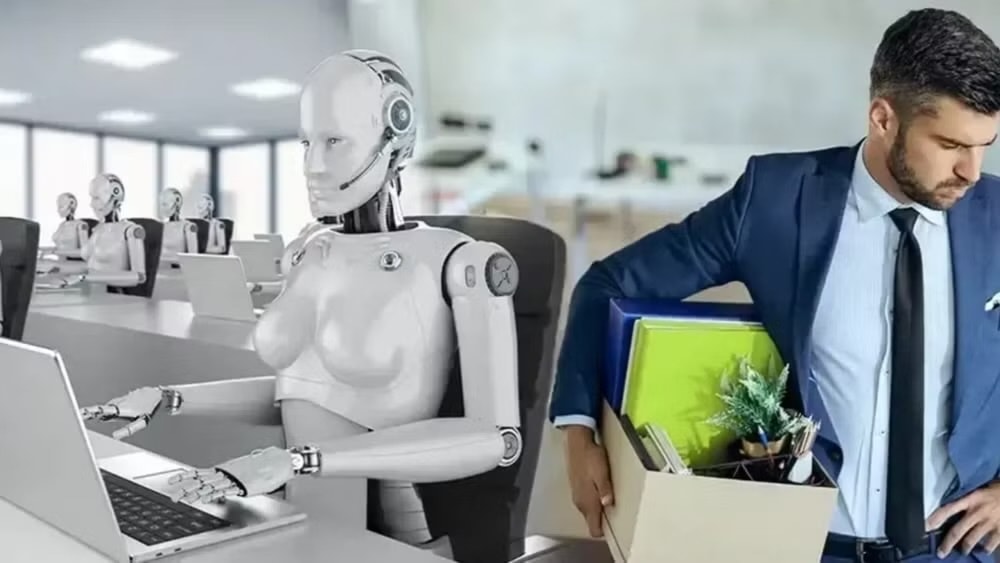
Photo: Internet.
This creates a “skills gap,” where workers who lose their jobs cannot immediately transition to new roles.
Rajat Bhageria, CEO of the American robotics technology startup Chef Robotics, believes that while AI could create more jobs, it remains unclear what those jobs will specifically look like and when they will appear.
It's not just technology: The wave of layoffs is spreading to many other sectors.
The trend of downsizing is no longer limited to the technology sector. The renowned sports brand Nike recently announced the layoff of approximately 1,400 employees, primarily in its technology department.
Other companies such as Salesforce, Oracle, and Google have all implemented or are currently implementing workforce reductions amid increased investment in AI.
Notably, the CEO of the American technology company Salesforce once frankly stated that the efficiency of AI helps the company "need fewer employees," clearly reflecting a shift in business operational thinking.
According to data from the Glassdoor website, the confidence index of employees in the technology industry has dropped sharply, to around 47.2% - a significant low compared to the same period last year.
The reasons stem not only from layoffs, but also from an unstable job market, reduced opportunities for career changes, and increasing pressure to perform.
When the rate of voluntary resignations decreases, businesses are forced to proactively cut costs to optimize expenses, creating a negative cycle for employee morale.
Another notable trend is the emergence of "lean" startups, achieving high revenue with very small teams.
Investors say a company can achieve $50 million in revenue with just 50 employees, whereas previously, that number typically required 200-300 people.
AI is helping to automate programming, accelerate product development, and reduce the need for traditional human resources.
This opens up the possibility of the emergence of "unicorns" (startups valued at billions of USD) with unprecedented staff sizes in history.
The wave of layoffs at major corporations shows that AI is not only a driver of growth, but also a catalyst for a profound labor restructuring. While technology may create many new opportunities in the long term, in the short term, the job market is facing significant disruption.
With the gap between job losses and job creation yet to be closed, fears of an “AI-induced job crisis” are entirely justified and may be unfolding much faster than previously predicted.