

The driving force behind the development of medicinal herbs linked to OCOP products in Nghe An.
To unlock the economic potential of medicinal herbs, the establishment of new-style cooperatives, along with the support of the Provincial Cooperative Union and the Nghe An Medicinal Herb Club, is becoming one of the important "leverages," providing further impetus in standardizing quality and elevating the brand of medicinal herbs associated with OCOP products.
The development of cooperatives
Nghe An possesses significant potential for medicinal plants, especially in the western mountainous districts. According to surveys conducted by specialized agencies, Nghe An has recorded 962 species of medicinal plants belonging to 635 genera of 138 different plant families. This forms the basis for the development of valuable raw material areas with high economic value if properly invested in.
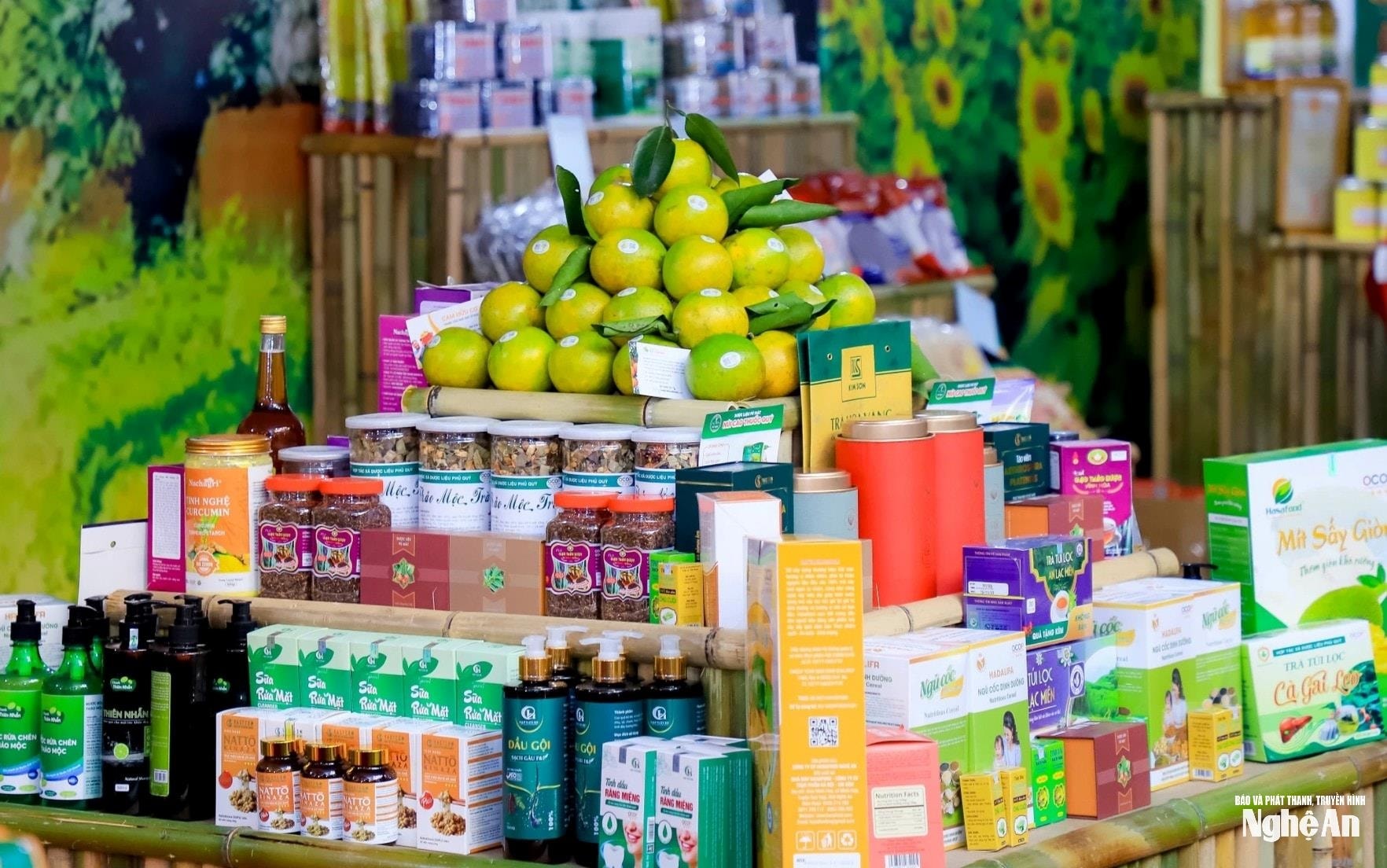
In recent years, a wave of economic mindset transformation has spread strongly throughout local communities. Instead of small-scale business operations, people, business owners, and cooperatives have begun to link together into collective economic models, exemplified by the development of medicinal herb cooperatives. An example is the Mac Nga Golden Flower Tea Cooperative in Que Phong commune, established in 2024.
Previously, people in the former Que Phong district, in communes such as Chau Kim and Dong Van, had decades of experience harvesting and processing golden flower tea. However, Ms. Mac Thi Nga, Director of the Mac Nga Golden Flower Tea Cooperative, stated that for over 20 years, this activity only involved purchasing, chopping, roughly drying, and then wholesaling to markets, including China, at a value that was not commensurate with its potential.
The change began when the Mac Nga Golden Flower Tea Cooperative decided to shift from selling raw materials to building an OCOP brand. Ms. Mac Thi Nga said that in 2026, the cooperative registered three key products to participate in the province's OCOP program, including: Golden Flower Tea, Liver-cleansing herbal medicine, and Blood Pressure Tea.
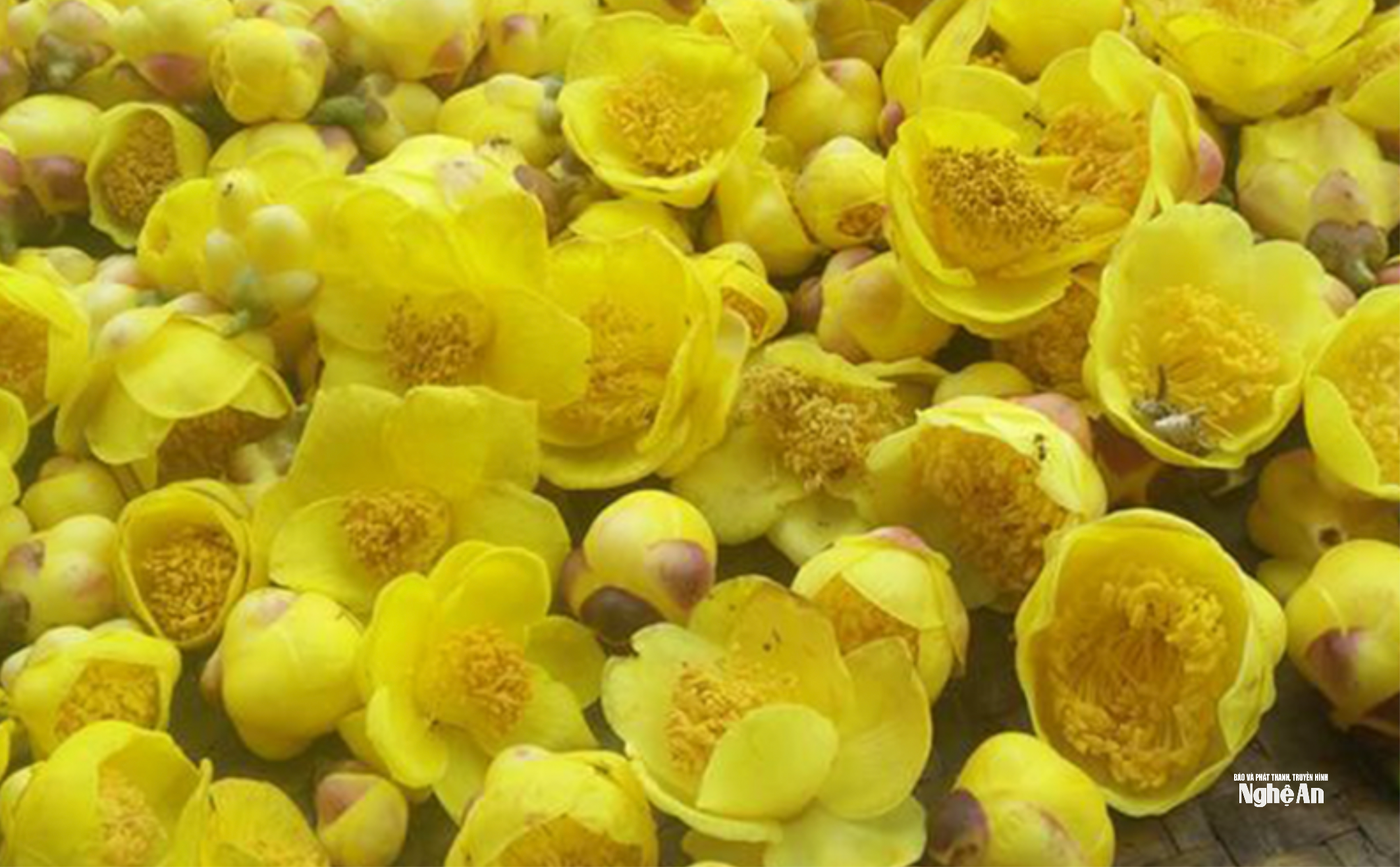
A notable change is the product's form: from harvesting the flowers and raw leaves to convenient tea bags, meeting the demands of the modern market. Besides golden flower tea, the list of medicinal herbs has also been expanded to include valuable remedies such as Polygonum multiflorum, kidney stone treatment, joint pain relief, and kidney tonics to enhance male potency.
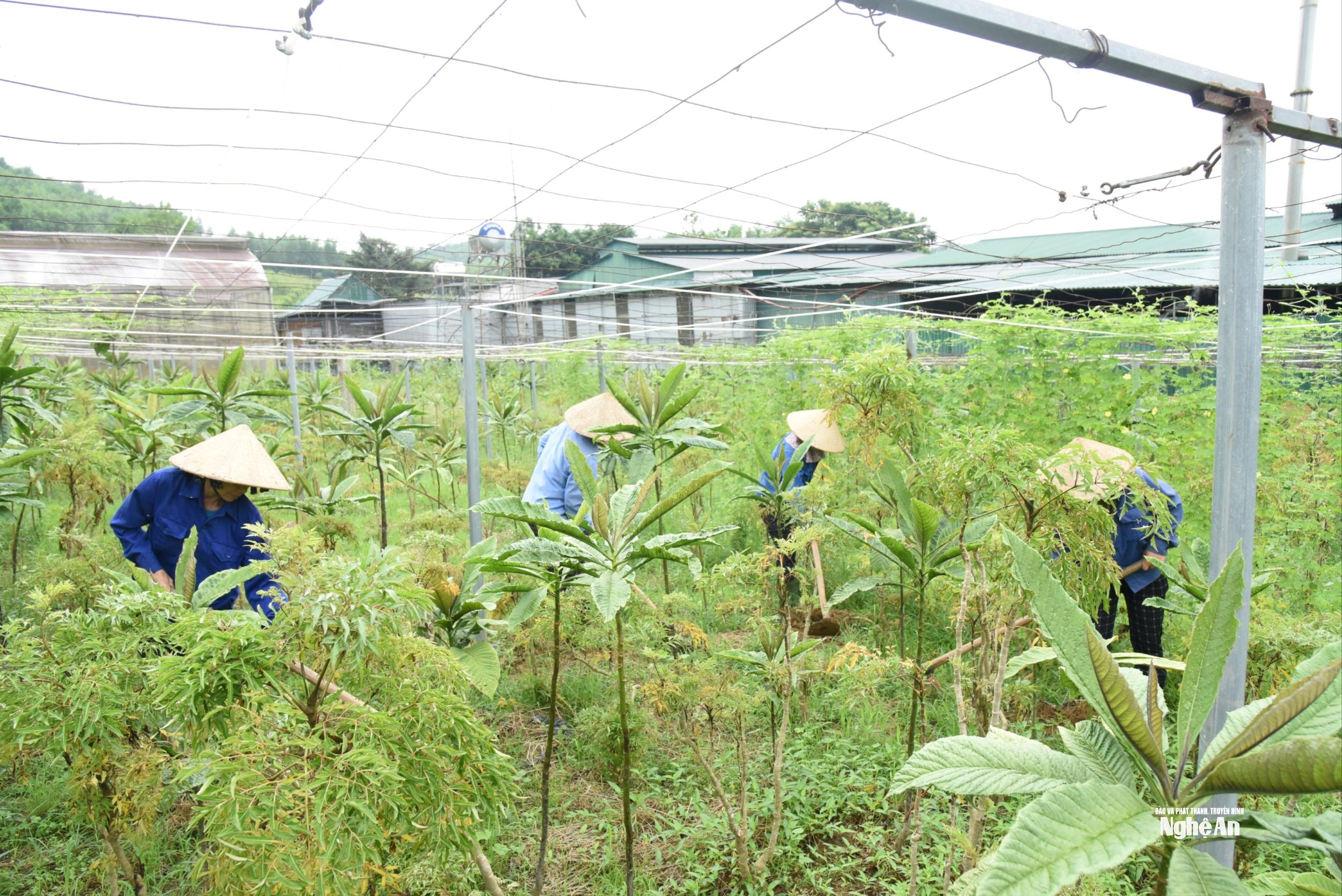
Not only in Que Phong, the economic benefits of medicinal plants have been initially proven in practice. In the Yen Khe area of Con Cuong district in the past, growing plants like Solanum torvum provided a much more stable income than traditional food crops.
With average land rental prices ranging from 12-14 million VND/hectare/year, people are gradually becoming accustomed to shifting their crop structure towards medicinal plants.
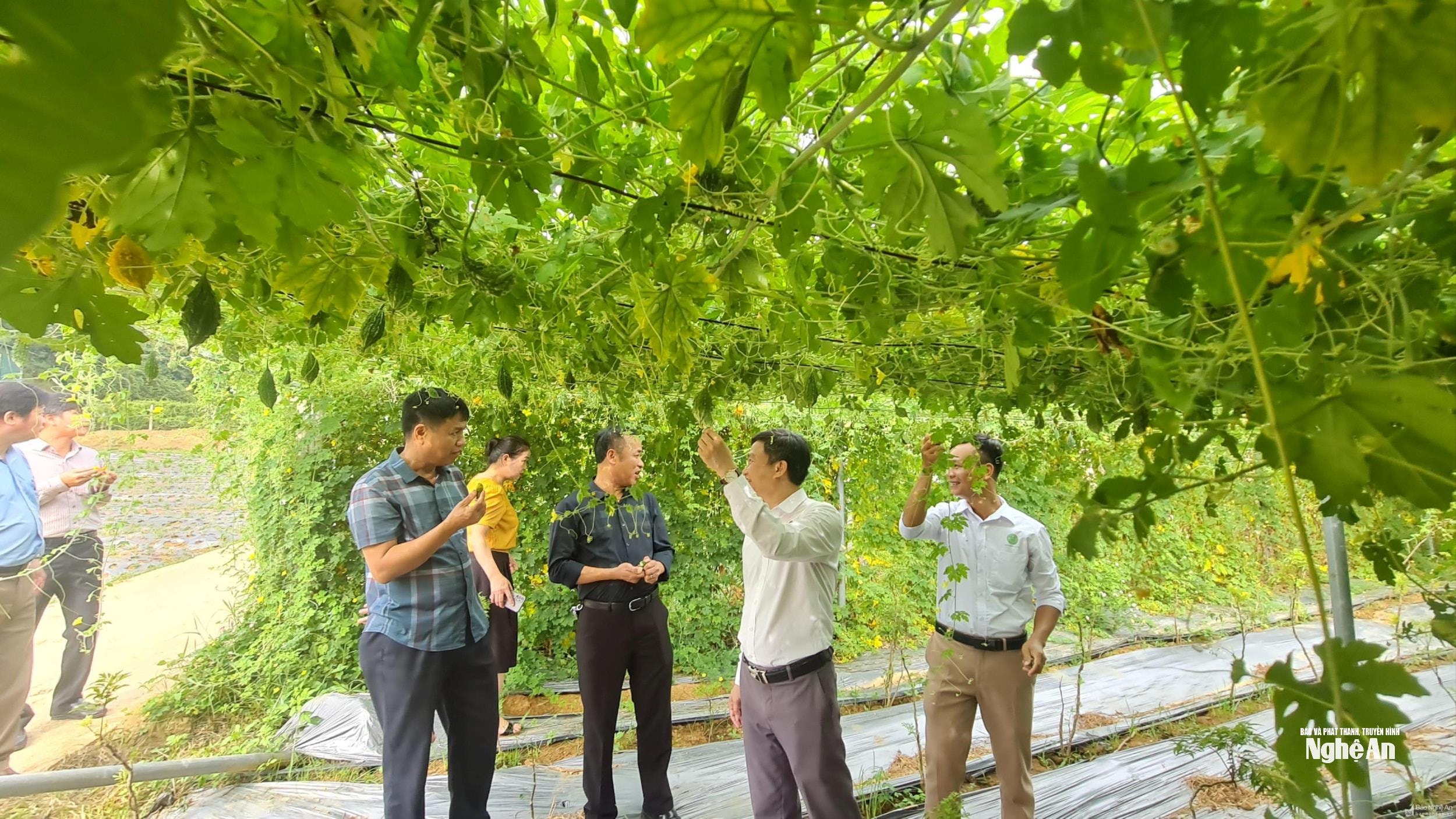
To ensure productivity, units like Mr. Phan Xuan Dien's cooperative have invested in modern irrigation systems, helping crops withstand harsh weather conditions.
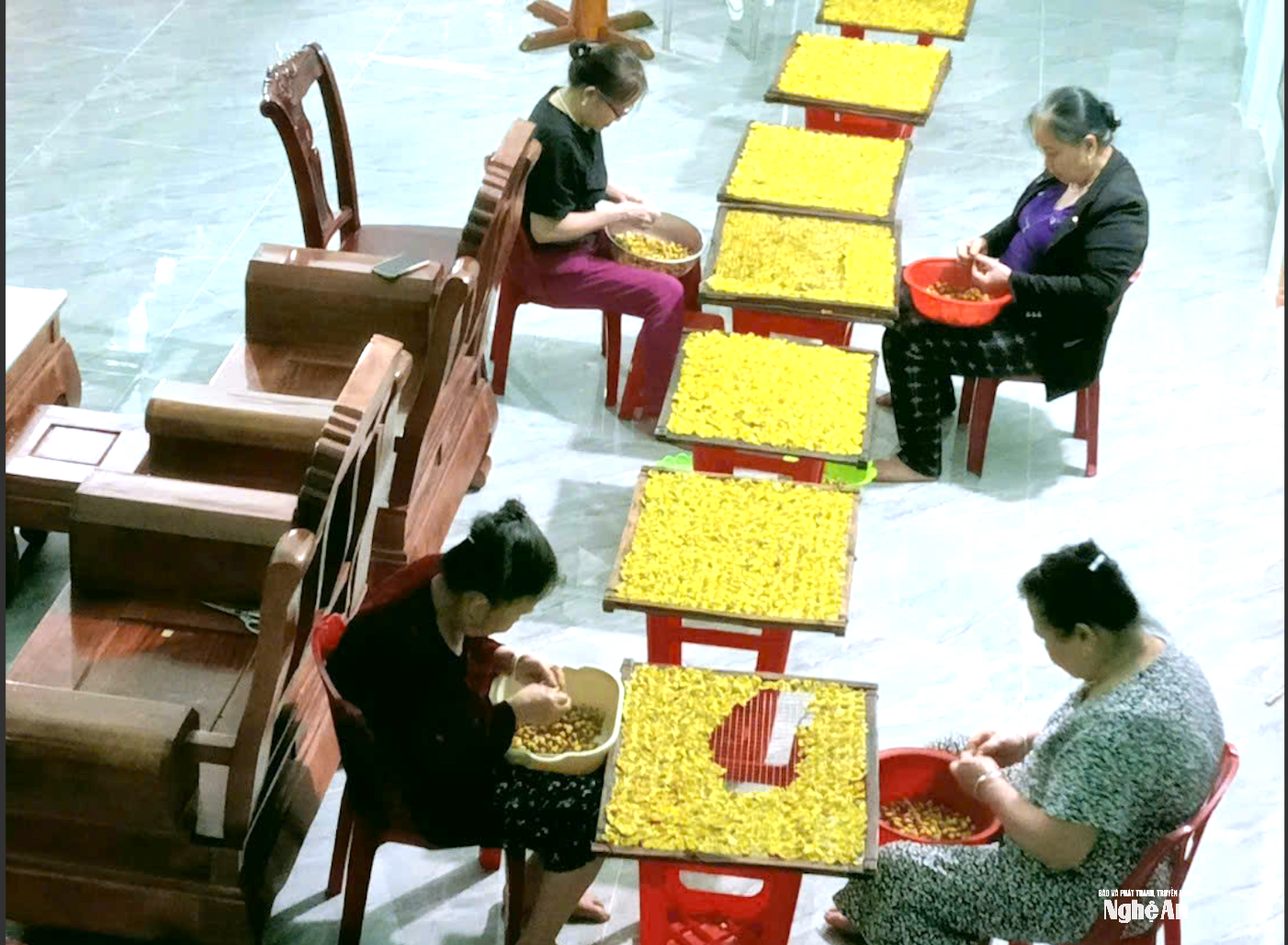
Simultaneously, contracts were signed for planting and purchasing medicinal plants under the forest canopy in production areas of local people in communes of the former Con Cuong district. Currently, the Pu Mat Medicinal Plant Cooperative has 17 products that meet OCOP standards and "will expand its raw material area and plant more new medicinal plants under the forest canopy in the near future." However, the development of cooperatives also reveals major challenges in quality control.
When purchasing herbs from various localities, cooperatives face enormous risks regarding pesticide residue. Regarding this "lesson," Ms. Nguyen Thi Hang, representative of the Hang Moon Medicinal Herbs Cooperative in Bach Ngoc commune, shared a costly lesson learned more than two years ago when they had to completely discard 1 ton of perilla leaves purchased in Nam Dan because the farmers had used growth stimulants to make the plants grow faster and produce more leaves.
This confirms that, without close coordination and strict control procedures, medicinal herbs from Nghe An will find it difficult to advance in the market.
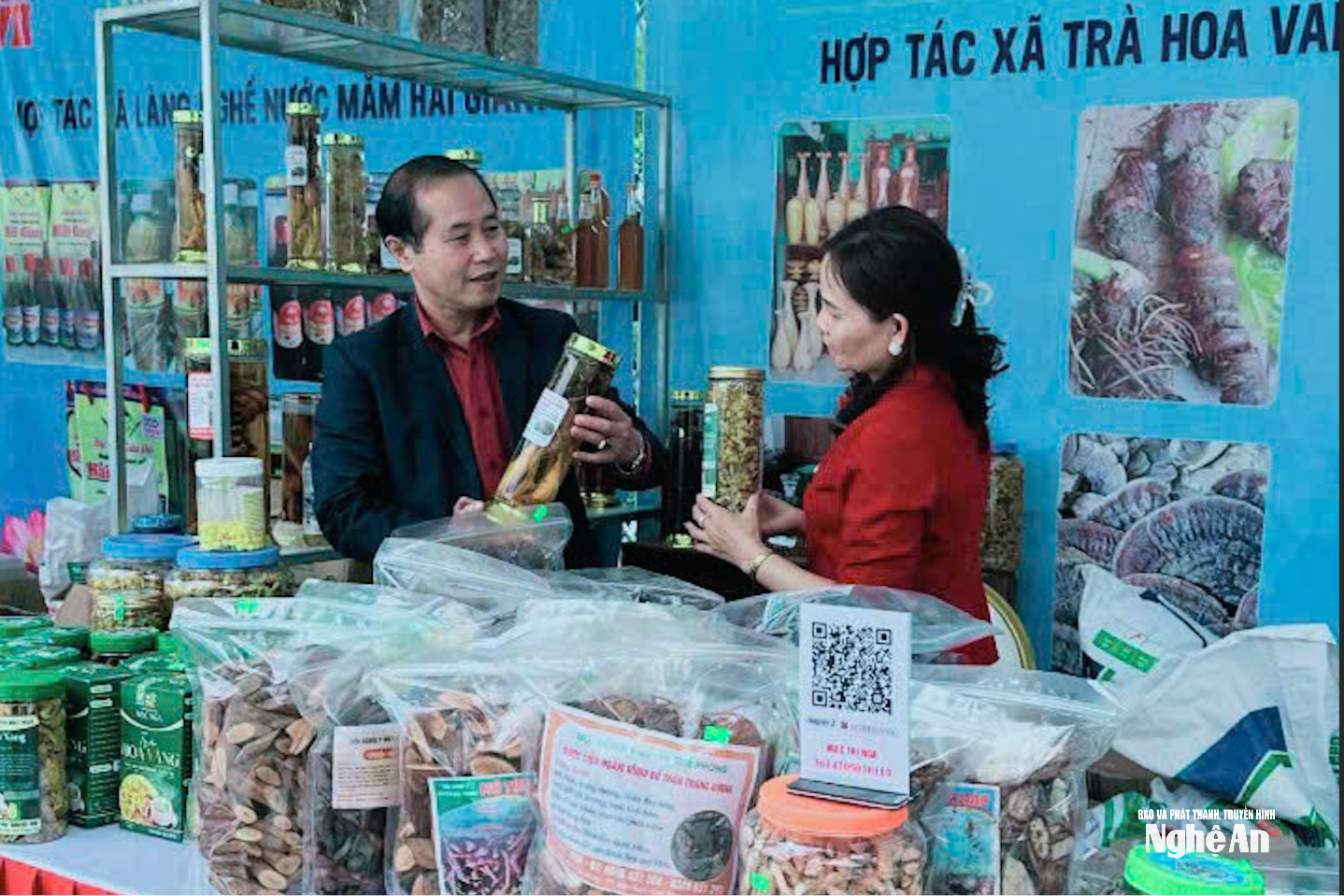
Support from the Provincial Cooperative Union and the Medicinal Herbs Club
On April 14, 2026, the "Nghe An Medicinal Herb Cooperatives Club for Linking, Cooperating and Developing Together" (hereinafter referred to as the Nghe An Medicinal Herb Club) was officially launched under the patronage of the Provincial Cooperative Union. This is considered a turning point, bringing together 16 core units in the province that are investing in and exploiting the value of indigenous medicinal herbs. The Club was established with the desire to become a "facilitator" to further support the local medicinal herb industry, and also to support cooperatives in more effectively promoting the value of medicinal herbs and products derived from them.
Mr. Phan Xuan Dien, representative of Pu Mat Medicinal Herb Cooperative and also the Chairman of the Nghe An Medicinal Herb Club, shared that currently, regulations in Decree 15/2018/ND-CP (Food Safety Law) or Circular 29/2025/TT-BYT on regulations for labeling and registration of medicinal herbs are major obstacles for small cooperatives.
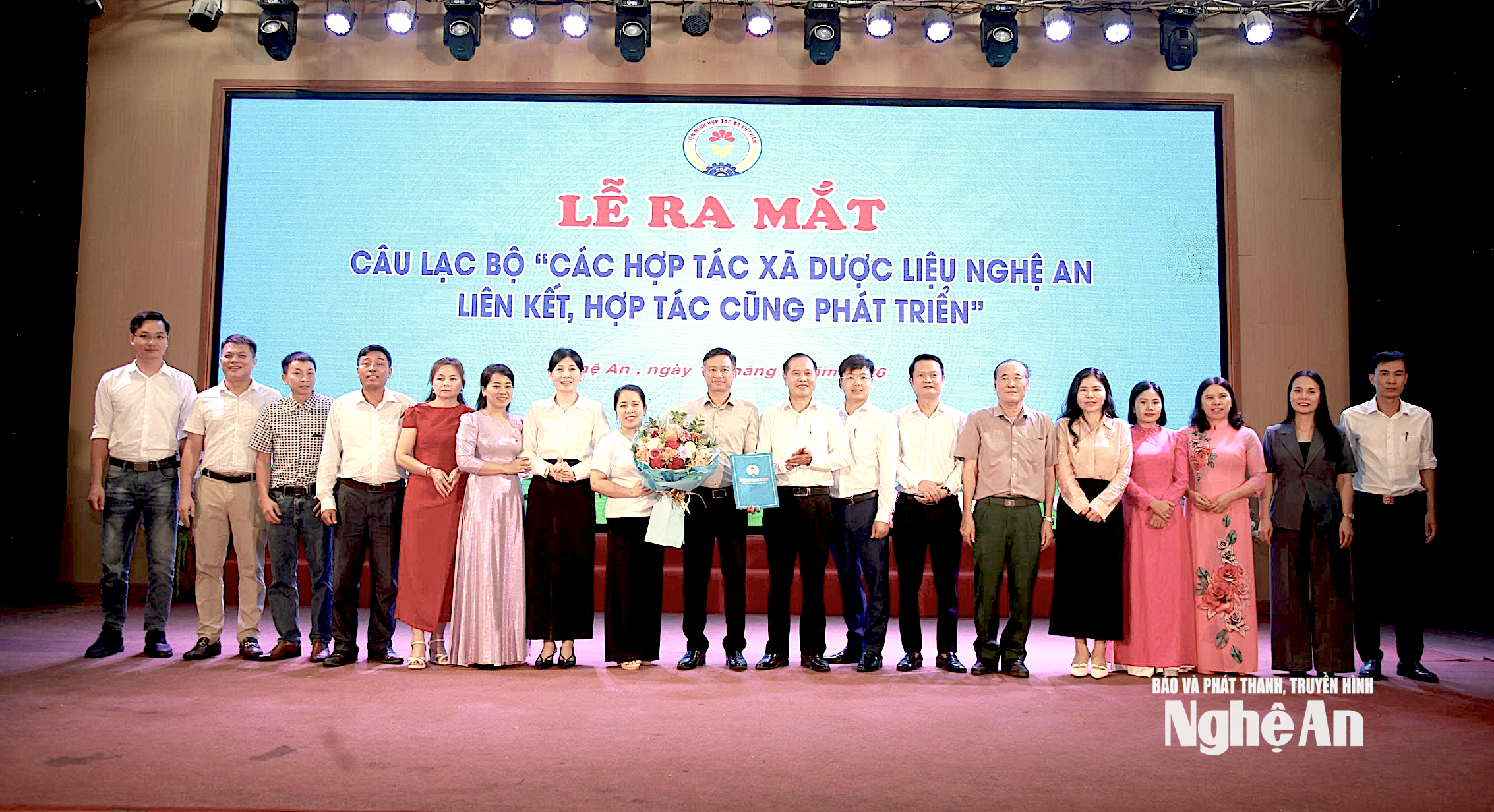
Ms. Mac Thi Nga, Director of Mac Nga Golden Flower Tea Cooperative, admitted that preparing OCOP (One Commune One Product) documents or other legal certifications is "very difficult" due to a lack of expertise. The Medicinal Herb Cooperative Club plays a direct role in advising and guiding members to complete these procedures, ensuring that all activities comply strictly with legal regulations.
Cooperatives participating in the club will also have more opportunities to exchange information, promote value chain linkages, and share resources. The club has created a healthy cooperative environment where members support each other with machinery and technology.
In particular, the model of sharing quality standards (VietGAP) from Hang Moon Medicinal Herbs Cooperative is an initiative that will bring high economic efficiency. Instead of each cooperative having to spend 60-80 million VND to invest in implementing production processes according to VietGAP standards, members can sign contracts to purchase raw materials from each other's certified growing areas.
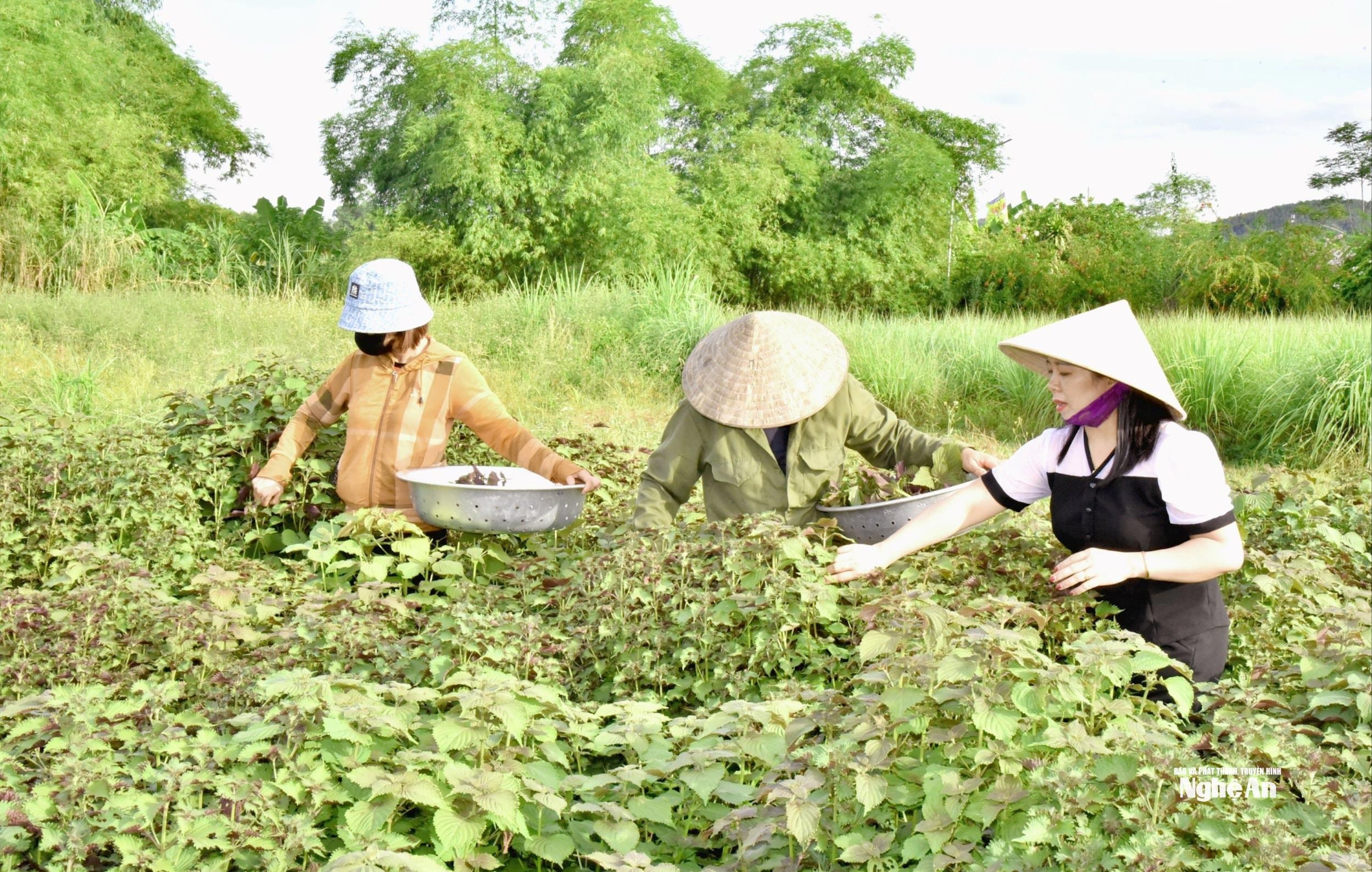
This helps the output of member cooperatives automatically meet VietGAP raw material standards, reducing the financial burden while still ensuring brand reputation. "Through the first meeting of the club, we signed contracts with two other cooperatives to supply perilla plants that meet VietGAP standards," shared Ms. Nguyen Thi Hang.
The Nghe An Medicinal Herbs Club currently has 16 participating cooperatives. Many members have achieved considerable success in cultivating and processing medicinal herbs, such as the Tinh Sang Duong Cooperative in Tam Hop commune; the Phu Quy Medicinal Herbs Cooperative in Dong Hieu commune; etc. Club members also shared that through the club's activities, they can help each other manage risks and protect producers.
In addition, members work together to improve communication effectiveness and build the value of local medicinal herbs. Currently, although Nghe An has many OCOP products made from local medicinal herbs, there is still a lack of truly unique and representative products for the province. Furthermore, even with the same type of medicinal herb, there is still a situation of "everyone for themselves," resulting in fragmented and overlapping products, and a lack of a unified supply chain for a common medicinal herb.
Mr. Nguyen Ba Chau, Director of the Provincial Cooperative Union, affirmed that through the coordination of the Cooperative Union and the Nghe An Medicinal Herbs Club, it is expected that not only will propaganda work be strengthened, but also focus will be placed on honoring models that are "genuine and of genuine quality," thereby creating motivation for cooperatives to continuously develop.
The combination of the cooperatives' aspirations for advancement and the guiding and supportive role of the Provincial Cooperative Union and the Medicinal Herb Club is creating a collective strength. As obstacles related to mechanisms are gradually removed, raw materials are standardized, and the strength of linkages is enhanced, medicinal herbs in Nghe An will no longer be just "treasures lying dormant" under the forest canopy, but will truly become a sustainable livelihood, creating a sustainable source of income for the people in the highlands and reaching further on the map of medicinal herbs in Vietnam and the world.