

A specific mechanism is needed for industrial promotion activities.
Government Resolution No. 105/NQ-CP dated April 8, 2026, requires public service units to be at least self-sufficient in covering their operating expenses; failure to do so will result in restructuring. This policy aims to improve operational efficiency and reduce budgetary pressure. However, for the industrial promotion sector – an essential public service activity – this regulation is revealing many shortcomings.
Nghe An proposes maintaining the public service unit in the Industry and Trade sector.
In accordance with Government Resolution No. 105/NQ-CP and the direction of the Nghe An Provincial People's Committee on the implementation of the action program, the Nghe An Department of Industry and Trade has submitted a report and proposal to the Ministry of Industry and Trade requesting consideration to allow the continued maintenance of a public service unit under its direct management.
Currently, the Nghe An Department of Industry and Trade has one public service unit, the Nghe An Center for Industry and Trade Development Support and Consulting, with 24 staff members, operating under a mechanism where regular operating expenses are guaranteed by the state budget. The Center was formed through several organizational restructuring and consolidations, undertaking important tasks such as industrial promotion, development of supporting industries, efficient and effective energy use, and trade promotion.
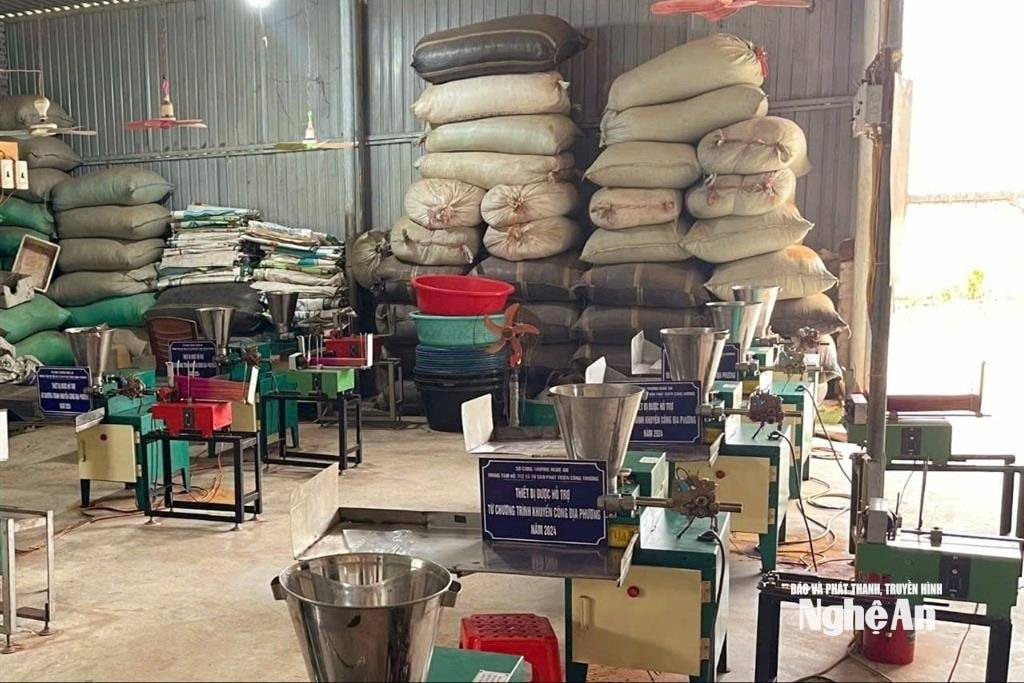
Over the years, through programs and projects funded by the central and local governments, the center has contributed to promoting economic restructuring towards industrialization and modernization; supporting production development in rural areas and improving people's lives. Activities promoting and implementing energy-saving models have also spread widely to tens of thousands of households in the province.
Mr. Pham Van Hoa, Director of the Department of Industry and Trade, stated: In Nghe An, over the years, industrial promotion activities have been continuously innovated, effectively promoting the sustainable development of rural industries. Acting as a bridge between policy and practice, industrial promotion activities have supported hundreds of production facilities throughout the province in improving their capacity, innovating technology, developing products, and expanding markets. Production models applying advanced and modern technologies have helped improve productivity and quality, creating outstanding typical rural industrial products (RISEP) and spreading civilized consumption habits to households and consumers of Vietnamese goods.
However, according to Resolution 105/NQ-CP, public service units must gradually become self-sufficient in covering their operating expenses. Meanwhile, the Nghe An Department of Industry and Trade stated that the central unit's tasks are all specialized public services assigned by the State, with no revenue sources to enable financial autonomy.
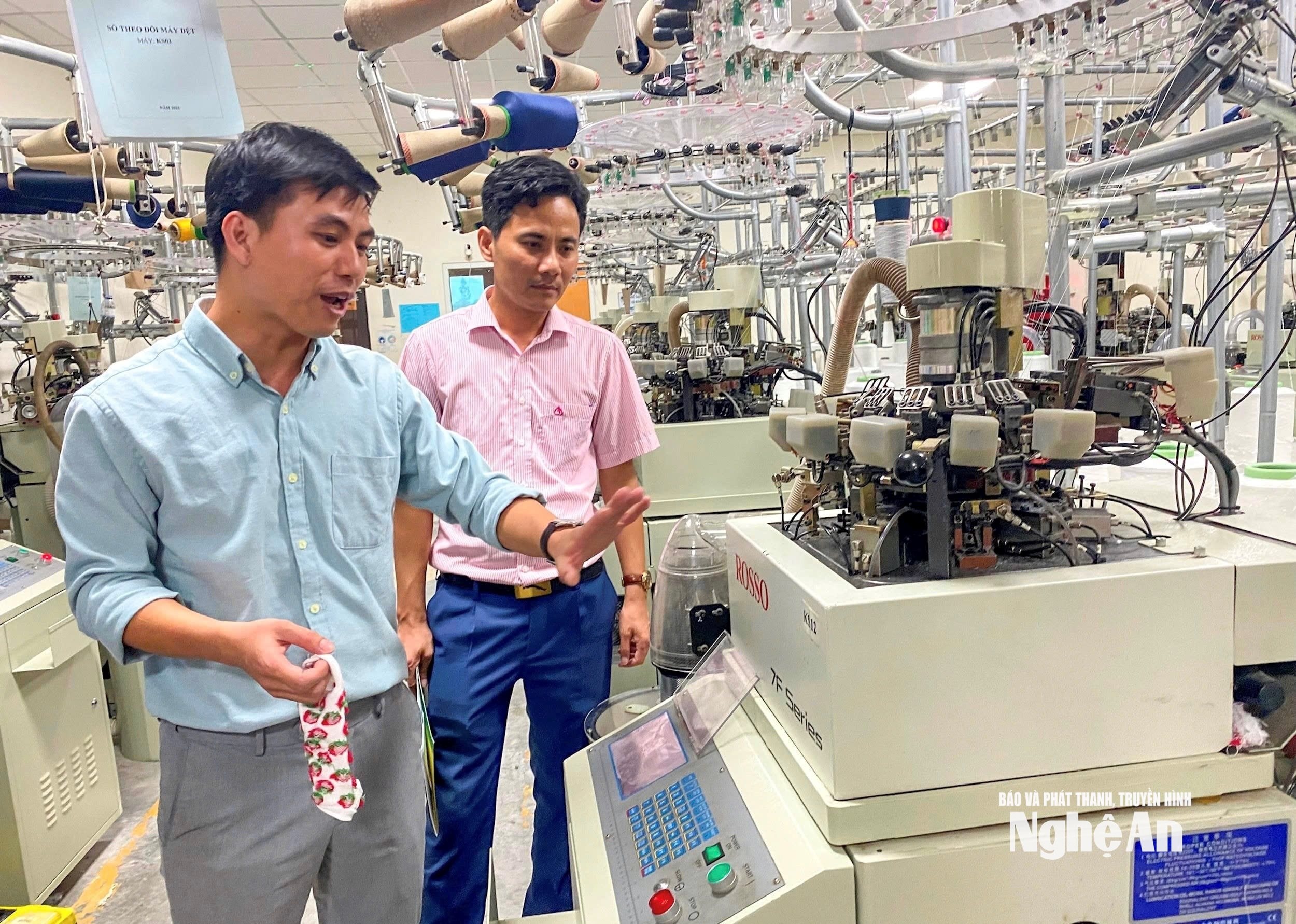
Based on the above situation, in Official Letter No. 1551/SCT-PTCT dated April 29, the Nghe An Department of Industry and Trade requested the Ministry of Industry and Trade to report to the Government for consideration of allowing the center to be maintained. According to the Department, in the context of a broad and multi-sectoral scope of industry management, and limited human resources and expertise at the grassroots level, the center plays a crucial role as a focal point in implementing policies, supporting businesses, connecting supply and demand, and developing markets. In particular, the main beneficiaries of this support are small production facilities, small and medium-sized enterprises, and cooperatives – entities with limited resources that urgently need government support to enhance their competitiveness.
The Nghe An Department of Industry and Trade emphasized that without maintaining this unit, the implementation of industrial promotion policies, trade promotion, energy saving, and business support in the area would be affected, lacking continuity and effectiveness. This view also received the agreement of many other localities.
The major challenge in implementing financial autonomy mechanisms.
In accordance with the direction of Resolution 105/NQ-CP dated April 8, 2026, of the Government on the Action Program to implement Conclusion No. 210-KL/TW dated November 12, 2025, of the 13th Central Committee of the Communist Party of Vietnam on continuing to build and improve the organizational structure of the political system in the coming period, public non-business units must achieve at least self-sufficiency in covering their recurrent expenditures; if they cannot, they must be reorganized. This is a sound policy aimed at improving operational efficiency and reducing the burden on the budget. However, given the specific characteristics of industrial promotion activities, this requirement is creating significant challenges.
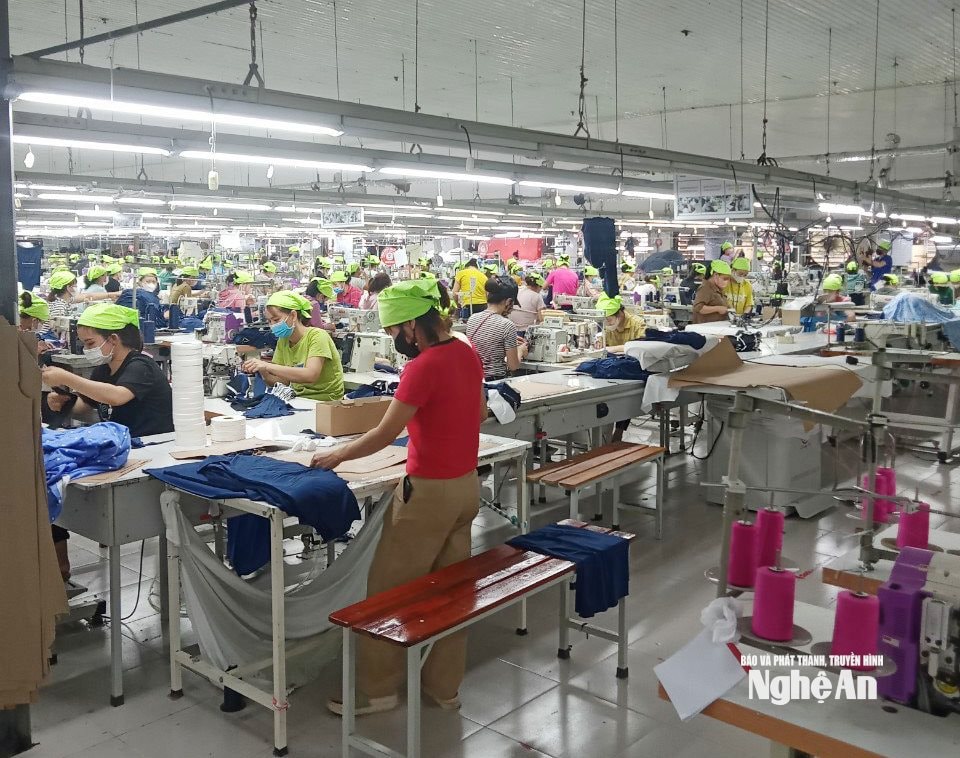
In Official Letter No. 1278/DCK-VP dated May 5th, regarding the recommendations of the Departments of Industry and Trade of provinces and centrally-administered cities on public service units, the Department of Innovation, Green Transformation and Industrial Promotion (Ministry of Industry and Trade) assessed: Over the years, public service units under the Departments of Industry and Trade in localities have played a core role in implementing industrial promotion activities. Through support programs from the state budget, these units have accompanied businesses, especially rural industrial establishments, in overcoming difficulties, recovering and developing production, particularly in the context of prolonged epidemics and natural disasters. This has contributed to promoting economic restructuring, developing industry and small-scale handicrafts, and improving the lives of people in rural areas.
However, a distinctive feature of industrial promotion activities is that they do not generate revenue. According to Decree No. 60/2021/ND-CP, industrial promotion is included in the list of public service activities using state budget funds, and is a fundamental and essential economic and commercial activity whose implementation is guaranteed by the State. Activities such as vocational training, workshops, building technical demonstration models, supporting the application of advanced machinery, and developing typical rural industrial products are all annual assigned tasks and are not business-oriented.
Therefore, according to assessments, the requirement for financial autonomy under Resolution 105/NQ-CP is considered inappropriate in practice. If applied rigidly, many industrial promotion units will be unable to maintain operations, especially in remote, border, and island areas – where socio-economic conditions are still challenging and the need for state support is significant. This could disrupt policies supporting businesses, directly impacting the development of rural industries and the goals of industrialization and modernization.
It is noteworthy that while some sectors such as agriculture and the environment still maintain non-autonomous public service units to carry out public tasks (typically the agricultural extension system), industrial promotion – a sector with a similar role – lacks a similar mechanism. In the context of the Party and State promoting industrialization and modernization of agriculture and rural areas, this lack of policy synchronization could reduce the effectiveness of implementation.
Official document No. 1278/DCK-VP dated May 5th from the Department of Innovation, Green Transformation and Industrial Promotion (Ministry of Industry and Trade).
Based on the above situation, the Department of Innovation, Green Transformation and Industrial Promotion recommends that the Government consider adjusting the mechanism in the following direction: Allow public service units performing industrial promotion tasks to enjoy policies similar to those in the agricultural promotion sector, meaning they continue to receive state budget funding for recurrent expenditures, without being required to be completely self-sufficient.
At the same time, it is proposed to maintain the model where each province and city has a public service unit under the Department of Industry and Trade to act as the focal point for implementing industrial promotion activities and other economic and trade tasks, ensuring uniformity and consistency from the central to local levels.
In the context of an economy aiming for high growth, the role of industrial promotion in fostering rural industrial development, supporting small and medium-sized enterprises, and shifting the economic structure is extremely important. Therefore, building appropriate and flexible mechanisms for this sector is an urgent requirement to ensure the sustainability and effectiveness of socio-economic development policies.