

What happens if you never update your iPhone?
Skipping iOS updates might save storage space in the short term, but in the long run, it exposes iPhones to numerous risks related to security, performance, and app compatibility.
Like many other modern tech devices, iPhones regularly receive software updates from Apple. The company typically releases major iOS versions around September each year, including many new features, while smaller bug fixes and security updates are released throughout the year.
However, many users tend to postpone or even skip updating their iPhones entirely, especially when their device is running low on storage. iOS updates are often quite large, ranging from 7 GB to 16 GB, causing many older iPhone models to struggle with storage space.
However, tech experts believe that "freezing" an iPhone on an older iOS version is not a wise choice for most users.
iPhones may become less secure over time.
One of the most important reasons to update your iPhone is security. The iOS operating system is built with multiple layers of protection to prevent hackers and cyberattacks. However, like any other software platform, iOS can still develop security vulnerabilities over time.
When these vulnerabilities are discovered, Apple quickly releases patches to prevent hackers from exploiting them. If users do not update, the device will continue to have unpatched vulnerabilities, increasing the risk of personal data, account information, or financial information being stolen.
In the context of increasingly common data leaks and cyberattacks, using an outdated version of iOS can make your iPhone a more vulnerable target for exploitation.
Missing out on a host of useful new features.
Beyond just security, iOS updates also bring many new features and improvements to the user experience.
For example, iOS 26 added several notable upgrades to the Messages app, improved the Maps app, and integrated AI features more deeply through Apple Intelligence. Meanwhile, smaller updates like iOS 26.4 added new emojis, improved keyboard accuracy, and optimized the typing experience.
Updates in the “.x” format, such as iOS 26.4.2, typically focus on bug fixes, stability improvements, and enhanced system security.
Without updating their iPhones, users will miss out on all these improvements, meaning their user experience will increasingly fall behind devices running the latest iOS version.
The application may stop working.
Another problem that often arises after several years without iOS updates is app compatibility.
Many app developers will gradually stop supporting older iOS versions to focus on optimizing for the newer operating system. This means that some familiar apps may become unstable, lack features, or even fail to open on outdated devices.
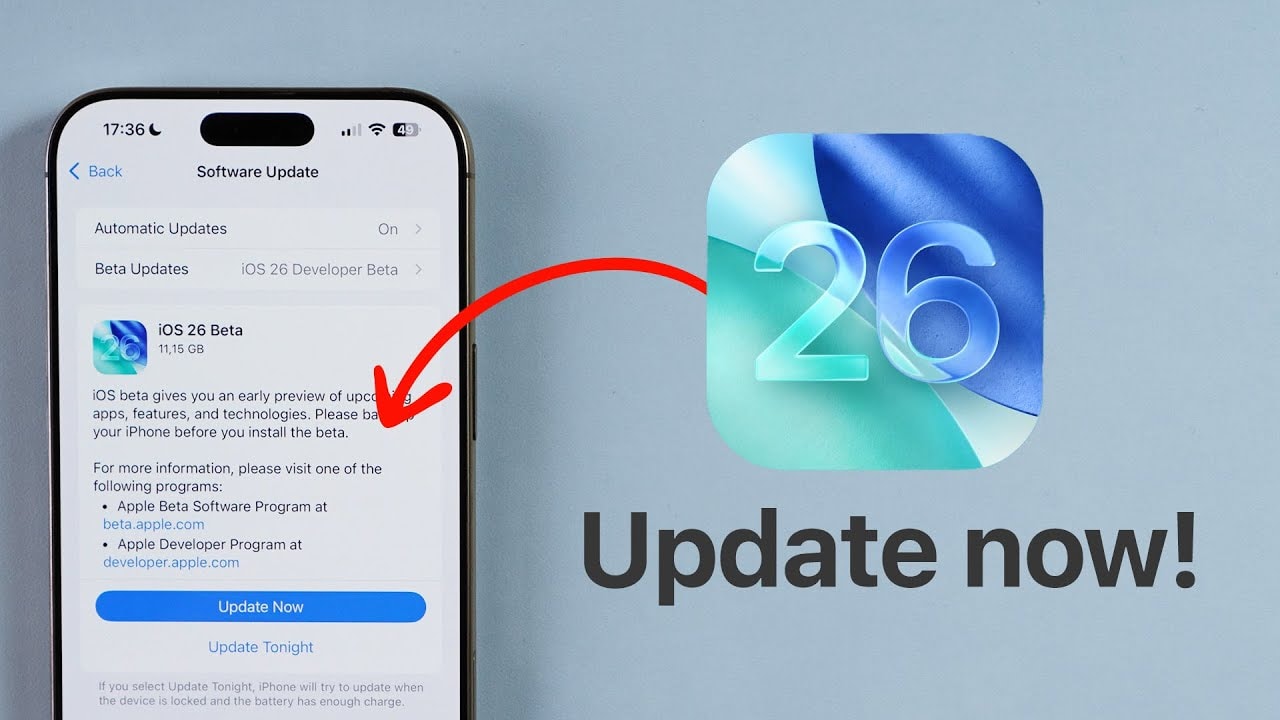
Banking apps, social media, and online payment services are often platforms that require the most stringent security updates. Therefore, using an iPhone with an older iOS version can cause many inconveniences in daily life.
Should you update an older iPhone?
Many users worry that iOS updates will slow down older iPhones. In reality, this can sometimes happen on devices that are very old or have severely degraded batteries. However, for most users, the benefits from security, bug fixes, and new features significantly outweigh the minor performance drawbacks.
To ensure a smoother update process, users should clear their storage before upgrading, delete unnecessary apps, or move photos and videos to cloud storage services.
Additionally, backing up your data before updating is also an important step to avoid the risk of unintentional data loss.
Why is updating your iPhone still necessary?
Short-term delays in iOS updates may not have an immediate noticeable impact. However, consistently skipping updates over many years will gradually make iPhones less secure, outdated, and less stable.
In an era where smartphones store almost all of a user's personal information, from bank accounts and photos to work data, keeping your iPhone updated to the latest version remains one of the simplest yet most effective ways to protect your device and personal data.