

The iPhone 17 became the best-selling iPhone model in Apple's history.
After nearly 20 years of developing the iPhone, Apple has for the first time recorded a generation of smartphones that achieved unprecedented popularity. The iPhone 17 is now considered the most successful iPhone line in Apple's history.
The iPhone has gone through many important milestones since its launch, from the first iPhone model, the groundbreaking design of the iPhone 4, to the transition to larger screens with the iPhone 6 series.
However, it's always difficult to predict whether a new generation will surpass its predecessors in sales. Nevertheless, Apple says that's exactly what happened with the iPhone 17 series.

In an interview with the Financial Times, Apple's Chief Financial Officer, Kevan Parekh, revealed that the iPhone 17 series is currently the company's "most popular product line in history." He also stated that Apple expanded its smartphone market share in the second quarter of 2026.
Meanwhile, CEO Tim Cook told Reuters that demand for the iPhone 17 is "extremely high." According to Apple, the company is still struggling to meet production targets due to a shortage of A19 chips and a global RAM shortage.
Limited component supply is also affecting many other Apple products. Currently, the company only sells a single configuration for the Mac Studio model using the M3 Ultra chip, while some new products may be delayed due to sharply rising RAM prices.
Why was the iPhone 17 so successful?
After the relatively minor upgrades on the iPhone 15 and iPhone 16, Apple has made a clear difference with the iPhone 17 generation.
On the standard version, Apple increased the minimum storage capacity from 128 GB to 256 GB, improved the battery, significantly upgraded the camera, and equipped it with a new, more powerful processor.
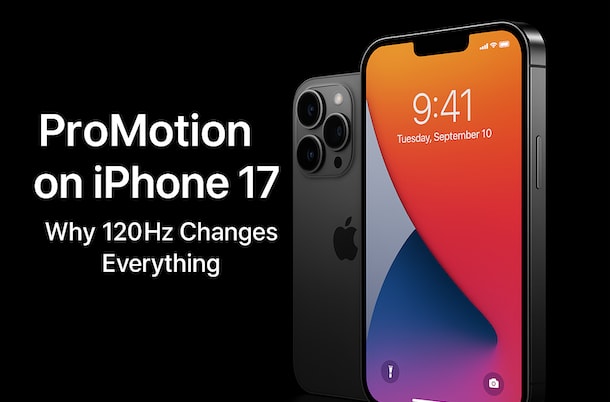
Notably, the basic iPhone model is the first to feature a 120Hz ProMotion display along with an Always-On Display, technologies previously only found on the Pro models.
Apple also upgraded the selfie camera to a new 18MP sensor with better optimization for social media and video recording.
Meanwhile, the iPhone 17 Pro and 17 Pro Max continue to be the centerpiece of the product line. In addition to improved performance and cameras, Apple has returned to an aluminum frame design instead of the titanium used previously.
Another notable change is the new vapor chamber cooling system on the Pro series. This technology helps the device control temperature more effectively when handling heavy tasks, reducing screen brightness reduction and rapid battery drain due to overheating.
As a result, the battery life on the iPhone 17 Pro is significantly more stable than previous generations.
Overall, Apple is considered to have delivered one of the most worthwhile upgrades in years, making the entire iPhone 17 lineup significantly more attractive to users looking to upgrade.
Rumors about the iPhone 18 make the iPhone 17 even more appealing.
The iPhone 17's success wasn't just due to hardware upgrades; it also benefited from rumors surrounding the next generation.
According to multiple sources, Apple may change its iPhone release schedule starting next year. Instead of launching the entire product line at once, the company is reportedly planning to release the iPhone 18 Pro and foldable iPhone models in late 2026, while the standard iPhone 18 will be postponed to early 2027.
A phased release strategy could help Apple focus sales on the iPhone 17 line over a longer period, while also giving it more time to address the RAM shortage needed for AI features.
Other rumors also suggest that the standard iPhone 18 won't have many major upgrades compared to the iPhone 17. Apple might even use cheaper materials on the basic version to close the gap with the budget "iPhone 18e" line, and consider removing the integrated MagSafe magnet technology on the back of some models.
Although the iPhone 18 is rumored to use Apple's own 5G modem along with some new features such as satellite connectivity support, analysts believe this is unlikely to be as significant a leap forward as the iPhone 17.
With the year-end shopping season approaching in the US and China, Apple is reportedly focusing heavily on boosting iPhone 17 sales. With a host of hardware improvements and new features expected in iOS 27, the current iPhone lineup is expected to maintain its appeal for many years to come.