

Russia expands its Tu-160M fleet and deploys it for the first time in combat in Ukraine.
Moscow officially deployed the upgraded Tu-160M strategic bomber variant to combat operations in Ukraine starting in June 2025, as part of an expansion of its fleet to 10 aircraft.
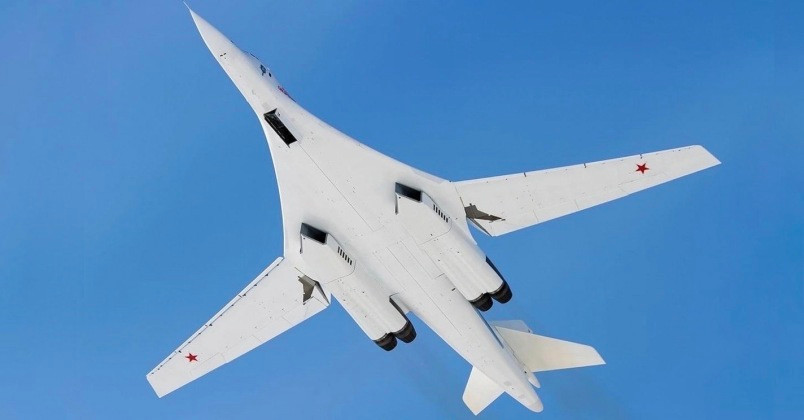
Russia has officially expanded its fleet of upgraded Tu-160M strategic bombers to 10 aircraft, marking a new step in its efforts to modernize its strategic air force. Notably, after a long absence, this aircraft type was deployed for the first time to conduct sorties targeting objectives in Ukraine in June 2025.
Upgrading technology and expanding the fleet size.
The increase in the number of Tu-160M aircraft to 10 is part of Moscow's long-term plan to produce 50 new post-Soviet aircraft, while upgrading 17 older Soviet-era aircraft to the latest standards. Among these, the Tu-160 with serial number 8-04, named Deynekin, has completed its modernization at the Kazan Aircraft Production Association. The aircraft now possesses advanced avionics, comparable to the latest production variants.
Legal hurdles and personnel changes at Tupolev
Despite quantitative progress, the Tu-160M program continues to face numerous challenges. In May 2025, the Moscow Arbitration Court ordered Tupolev to pay the Russian Ministry of Defense 3 billion rubles for delays in fulfilling the contract. A month later, the Ministry filed a lawsuit seeking an additional 0.9 billion rubles for unfulfilled obligations related to aircraft maintenance and upgrades.
Financial and legal tensions have led to major changes in leadership. Last January, Yuri Ambrosimov was appointed the new CEO of Tupolev, replacing Aleksandr Bobryshev. This is an attempt to stabilize management amidst significant pressure from the military.
Restoring complex production lines
The restart of Tu-160 production is considered a technological feat, as it is one of the most complex aircraft ever built. Due to the decline of the post-Soviet industrial base, Russia had to restore or redevelop many specific production methods from scratch to maintain this aircraft line.
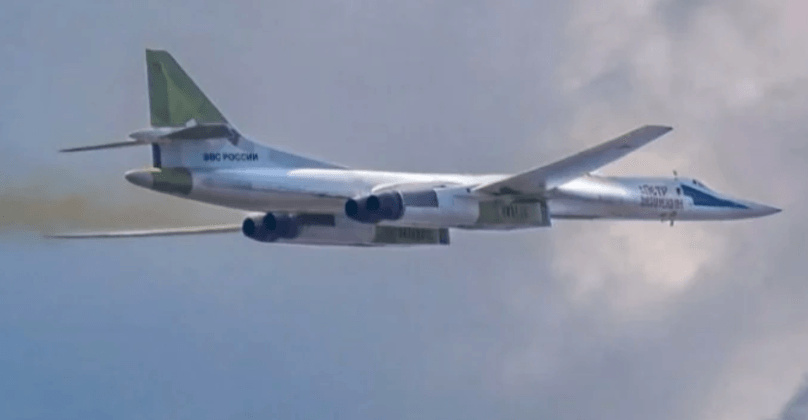
The Tu-160 made its first flight in 1981 and entered service in 1987. Each aircraft is capable of carrying up to 12 Kh-55 or Kh-101/2 cruise missiles on two internal rotating launchers. Russia announced its decision to restart production of this aircraft in 2015 to bolster its long-range strike capabilities.
Reasons for deploying combat troops in Ukraine
Although it saw combat in Syria in 2015, the Tu-160 will not appear in airstrikes in Ukraine until June 2025. Prior to that, Russia mainly used the Tu-95 due to the high operating costs of the Tu-160 and the limited number of combat-ready aircraft.
The decision to deploy the Tu-160 in combat may stem from significant losses suffered by the Tu-95 squadron. Specifically, on June 1, 2025, the Tu-95 squadron suffered drone attacks during Ukraine's "Spider's Web" operation. Attacks on the Engels-2 base also inflicted considerable damage, forcing the Russian military to adjust its strategic aircraft deployment to maintain offensive pressure.