

US intelligence: Iran has secured 70% of its missile stockpile and launchers in the Strait of Hormuz.
The latest classified assessments indicate that Iran has restored much of its launch sites and underground bases, posing a serious ammunition capability challenge for the U.S. military.
According to the latest US intelligence reports, the Iranian military currently retains approximately 70% of its strategic missile stockpile and mobile launchers compared to the period before the conflict. This information contradicts previous public claims that Tehran's military capabilities had been completely neutralized after the airstrikes.
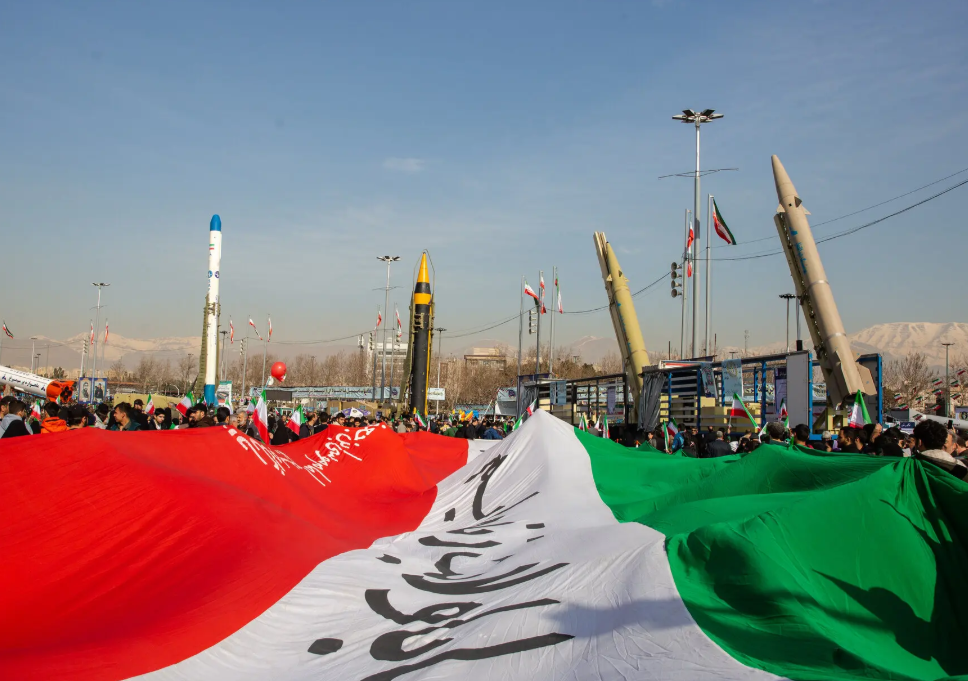
Recovery capacity and current status of missile bases
Intelligence assessments completed in early May indicated that Iran had restored operational capability at 30 of the 33 strategic missile sites along the Strait of Hormuz. This vital shipping lane, which carries approximately 20% of the world's crude oil, is now within the range of Iranian missile launchers.
U.S. military intelligence agencies confirm Tehran has regained access to approximately 90% of its underground missile storage and launch facilities nationwide. These facilities are now classified as "partially or fully operational." The ability to use mobile launch platforms allows Iran to move weapons flexibly between locations to avoid detection and attack.
Pressure on US ammunition stockpiles
Iran's continued significant combat capabilities have forced the U.S. to confront the challenge of strategic weapons depletion. During the conflict, the U.S. military used massive quantities of ammunition, including:
- Approximately 1,100 long-range stealth cruise missiles.
- Over 1,000 Tomahawk missiles.
- Over 1,300 Patriot interceptor missiles.
This rate of consumption raises concerns about combat readiness in other regions. For example, Lockheed Martin currently produces only about 650 Patriot missiles per year, while the need to replenish domestic stockpiles and fulfill orders from European allies is increasing.
Tactical blockade and technical restrictions
The report also revealed why many of Iran's underground facilities have not been completely destroyed. Due to the limited number of bunker-buster bombs, the Pentagon chose a tactical approach of blocking access points rather than attempting to destroy the entire underground tunnel system. This decision aimed to retain a reserve of bunker-buster weapons for potential conflict scenarios in East Asia.
Although the coordinated attacks by the US and Israel inflicted significant damage on Iran's air defenses and strategic infrastructure, Tehran's rapid recovery suggests that initial assessments of the extent of the damage may have been exaggerated. This places considerable pressure on efforts to maintain the ceasefire and security stability in the Strait of Hormuz.