A wish from the "water reservoir" of Co Ba...
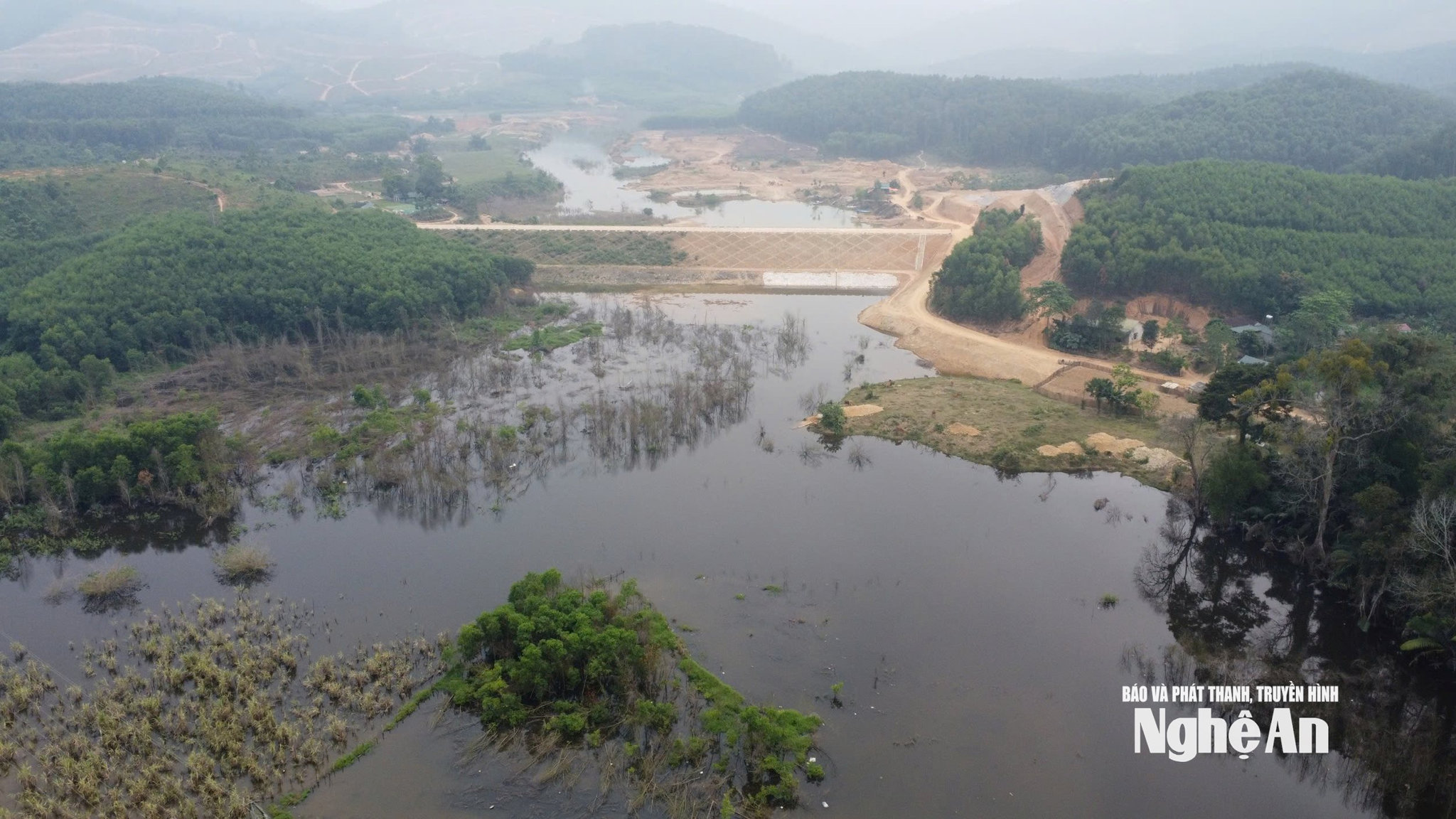
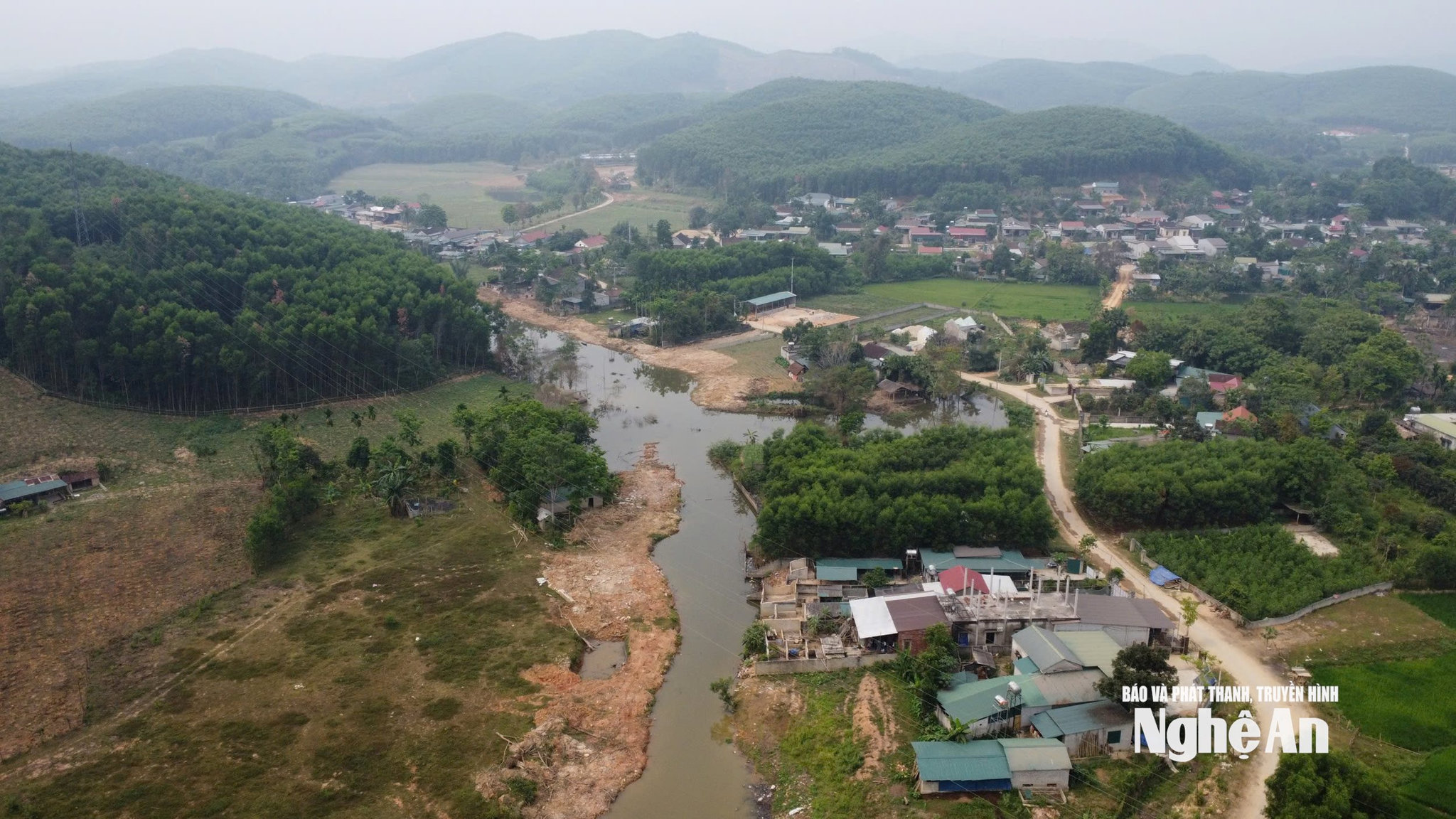
After the completion of auxiliary dams 1 and 3 (construction items belonging to the Ban Mong Irrigation Reservoir Project), the Co Ba stream section running through the central area of Chau Binh commune is gradually transforming into a water reservoir. Due to various reasons, the Co Ba "water reservoir" is currently a polluted area that needs attention for environmental protection and investment in rehabilitation.

Content:Nhat Lan |Design:Huu QuanMay 17, 2026

According to the elders of Chau Binh commune (Nghe An province), the Co Ba stream runs through the central area of the commune and has two main water sources: a stream in the natural forest on the Thung Khang mountain range, and the Ban stream waterfall - a fairly famous ecotourism destination associated with the cultural activities of the people of Ke Can village. In terms of length, from the source of the two streams to the end point - where they merge with the Hieu River - the Co Ba stream is about 20km long, passing through 9 villages. The final section, flowing through Dong Phau, Ke Tam, Ke Mong, and Ke Khoang villages, is the central area of Chau Binh commune.
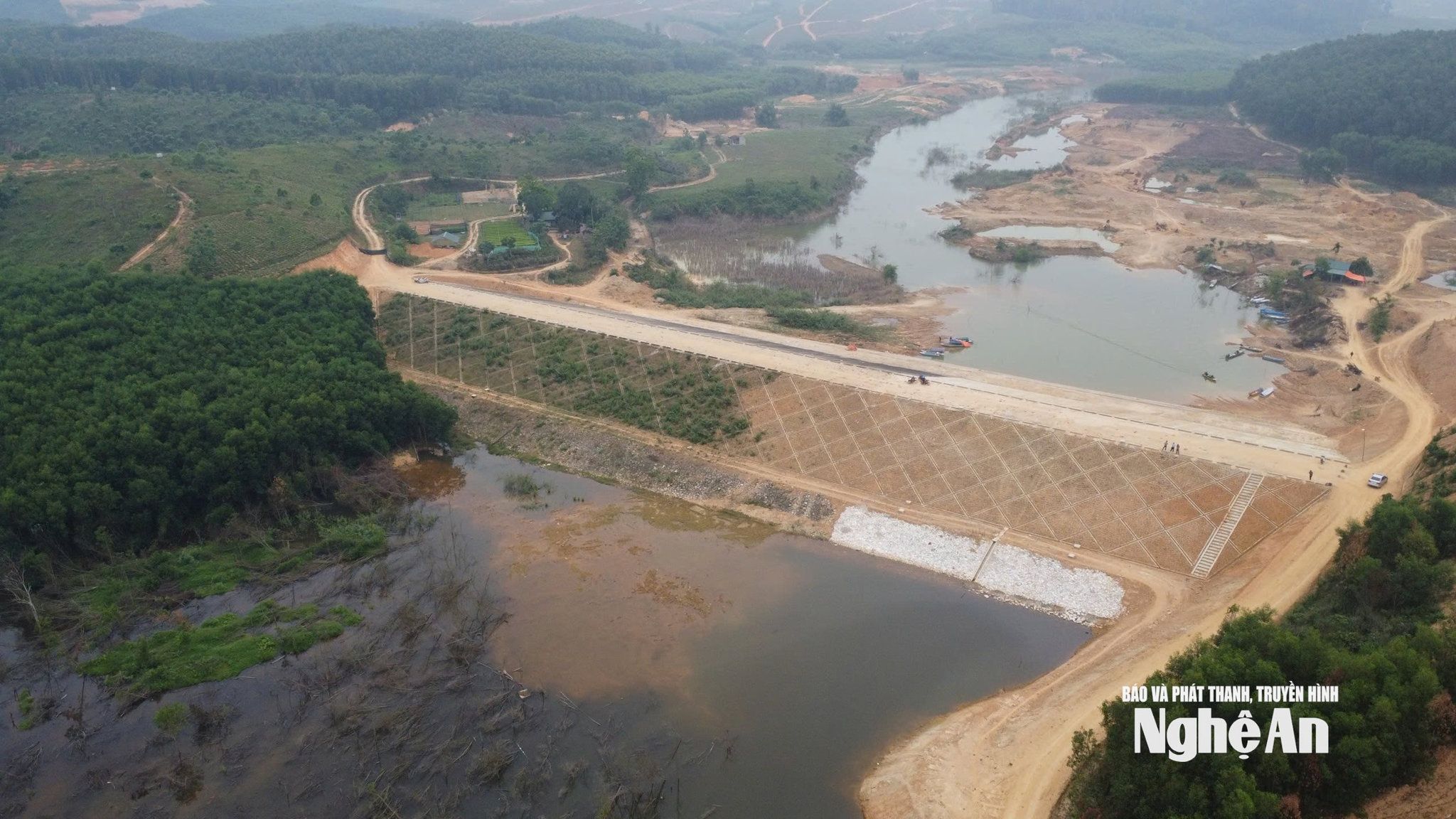
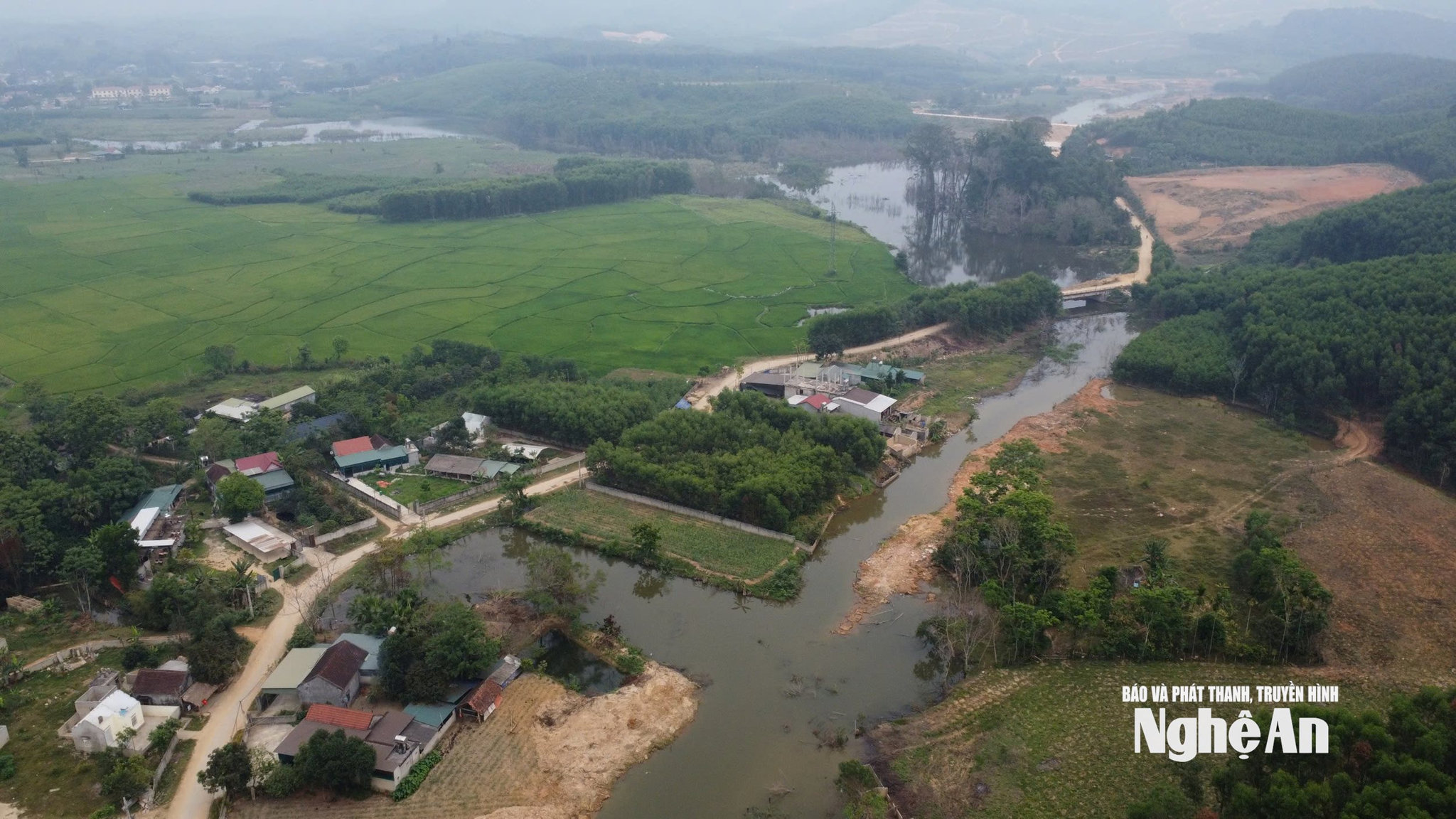
When the national Ban Mong irrigation reservoir project was implemented, to prevent flooding in the central area of Chau Binh commune when water was stored, the reservoir connecting canals, drainage canals, auxiliary dam No. 1, and auxiliary dam No. 3 were designed and constructed. In 2025, when auxiliary dam No. 1 and the reservoir connecting canal are completed, the flow of Co Ba stream will be split in two. The upper section of Co Ba stream, connected to the two main water sources from Thung Khang and Ban stream, will be blocked by auxiliary dam No. 1, and will flow through the reservoir connecting canal to the Hieu River. The remaining section of the Co Ba stream, starting from below auxiliary dam No. 1 and passing through the four villages of Dong Phau, Ke Tam, Ke Mong, and Ke Khoang, is isolated and then separated from the Hieu River by auxiliary dam No. 3. This section of the Co Ba stream is connected to the beginning of the Chau Binh drainage canal at Ke Khoang village, then flows through the villages of Ke Nam, Quynh 1, 3/4, and Quynh 2 to reach the main dam area of the Ban Mong irrigation reservoir project, in the Yen Hop area, Tam Hop commune.
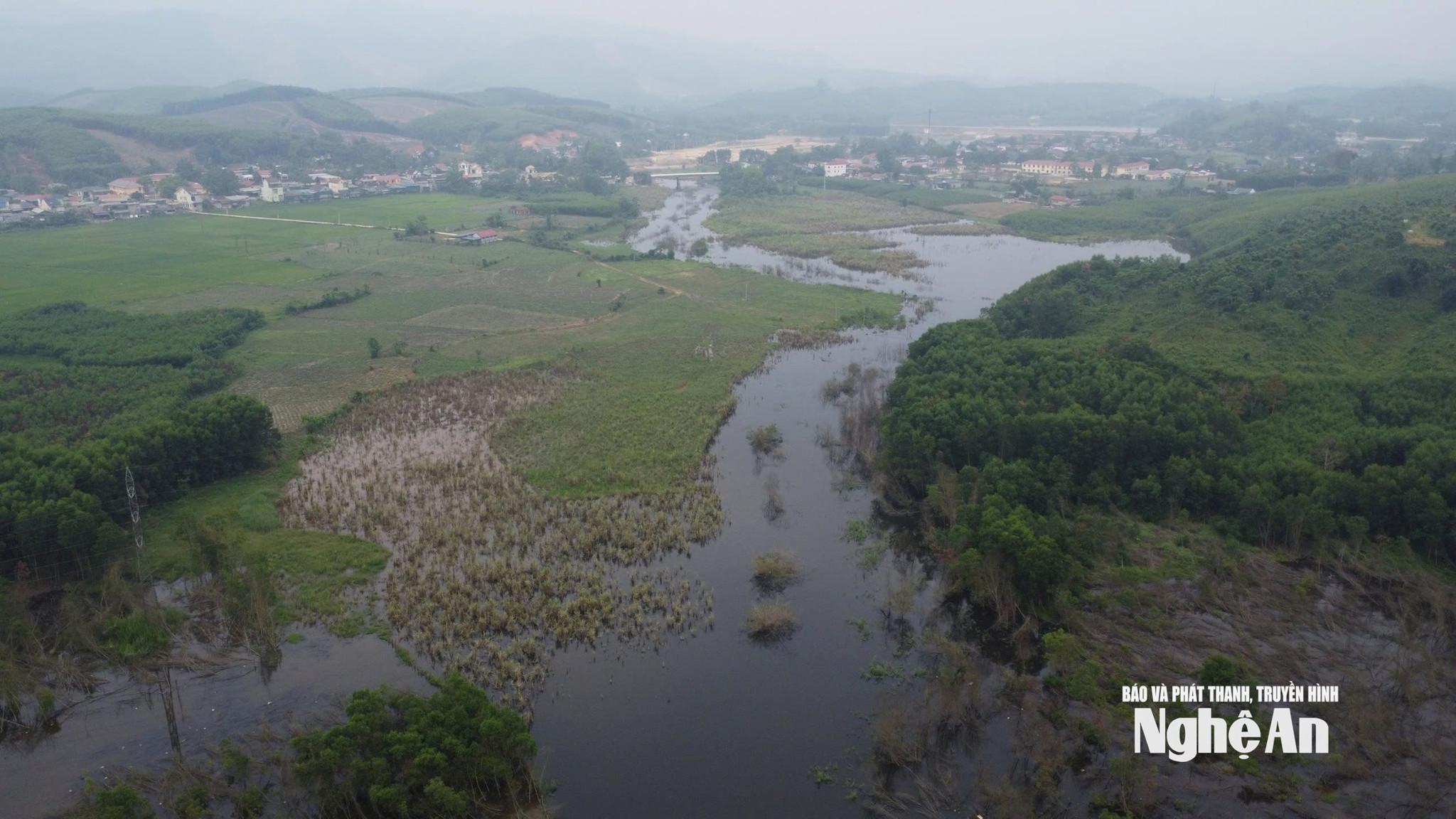
What worries the people of Chau Binh commune is the isolated section of Co Ba stream. Although this section is connected to the Chau Binh drainage canal, the water level has been rising recently. When we visited Chau Binh commune in mid-April 2026, according to the locals, "Chau Binh commune hasn't had a single drop of rain since the beginning of the year," yet the Co Ba stream, with its rising water, has taken on the appearance of a "water reservoir."
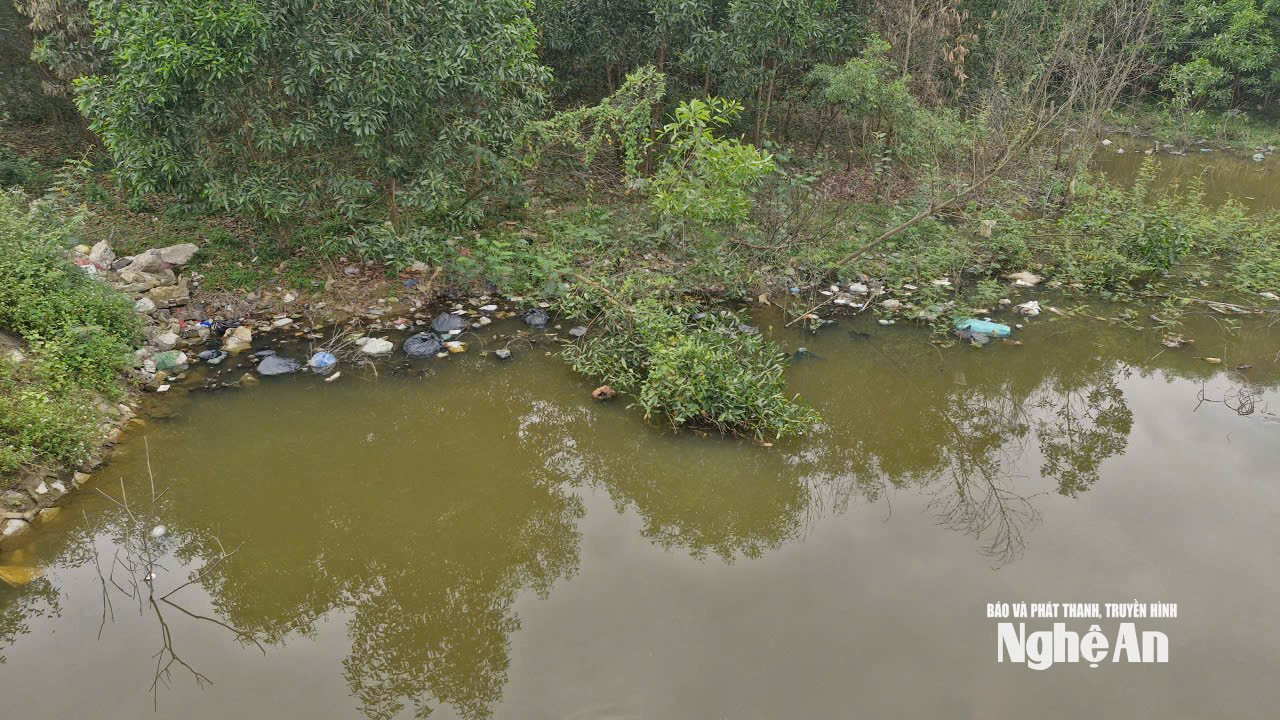
From the Co Ba bridge on National Highway 48, looking eastward, one can clearly see the "reservoir" stretching from the center of Chau Binh commune down to the old burial ground of the Ke Khoang ethnic minority. Standing on auxiliary dam number 3 towards the commune center, the Co Ba "reservoir" extends far into the distance, with its widest point reaching several hundred meters. The rising water level in the Co Ba stream, along with the flooding situation in 2025, has caused considerable concern among Chau Binh commune residents, fearing a recurrence of hardship during this year's rainy season. Furthermore, the Co Ba "reservoir" is already severely polluted. The water is pitch black, and in many places, it emits a foul odor.
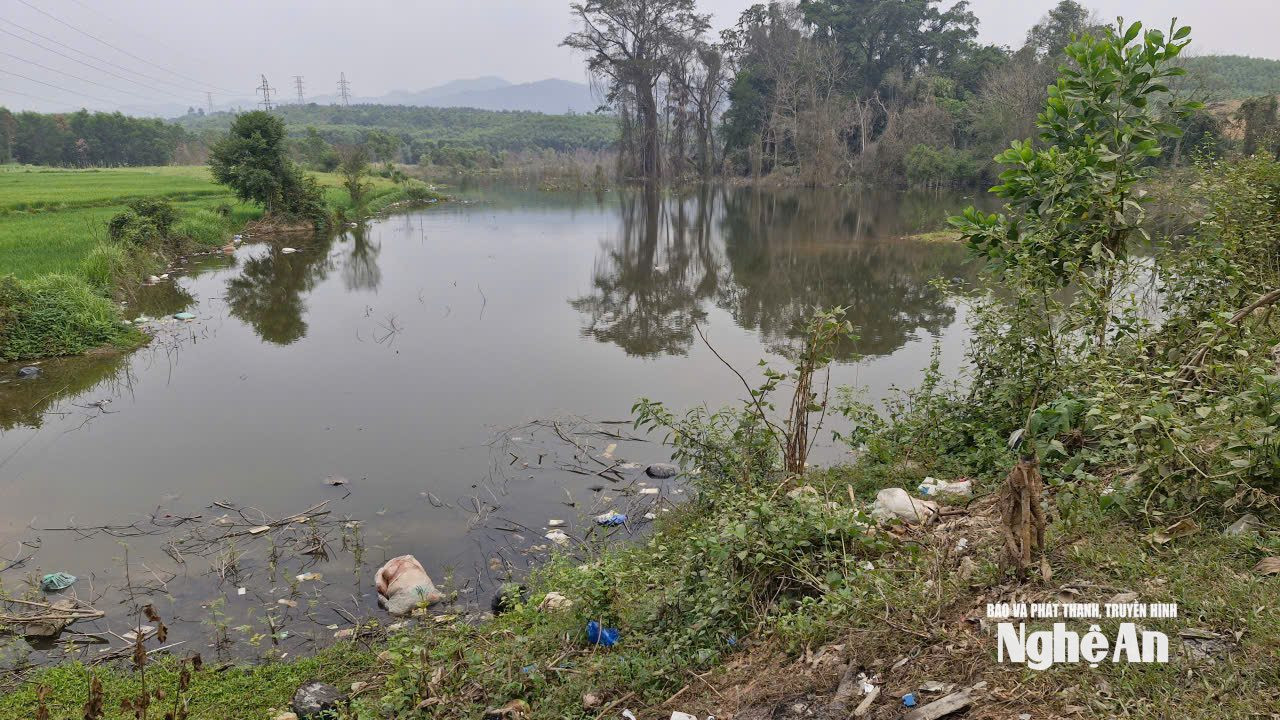
Regarding the environmental pollution in the Co Ba stream in the central area of Chau Binh commune, according to Mr. Le Van Toan, former Secretary of Chau Binh commune, there are many causes. These include stagnant water, the impact of relocating cemeteries in Ke Mong and Ke Khoang villages, and the accumulation of wastewater from households for daily life and livestock farming. However, the most concerning issue is the indiscriminate dumping of various types of household waste.
Mr. Toan stated that in previous years, the Chau Binh commune government organized the collection and transportation of household waste to the centralized waste disposal site of the former Quy Chau district. This activity was only carried out in the central area and along National Highway 48, with a frequency of once a week. In remote villages, due to the lack of waste collection and processing, people often dumped their household waste into the Co Ba stream. Previously, the Co Ba stream connected to the Hieu River, and during the rainy season, the water would be washed away and cleaned. However, now that the Co Ba stream has been isolated and turned into a "water reservoir," people still maintain their old habits, leading to the accumulation of waste over time and resulting in environmental pollution.
There needs to be attention and investment to renovate the Co Ba stream section through the central area into a useful reservoir…
Mr. Le Van Toan - former Secretary of Chau Binh commune
“Currently, the bottom of the Co Ba stream in the central area of Chau Binh commune up to auxiliary dam No. 3 is significantly lower than the bottom of the Chau Binh drainage canal, making it impossible to drain water effectively. Therefore, the transformation of this section of the stream into a reservoir in the center of Chau Binh commune is unavoidable. This reality requires a focus on environmental protection, and at the same time, investment and improvement of the Co Ba stream section through the central area into a useful reservoir…”, former Chau Binh commune Party Secretary Le Van Toan explained.

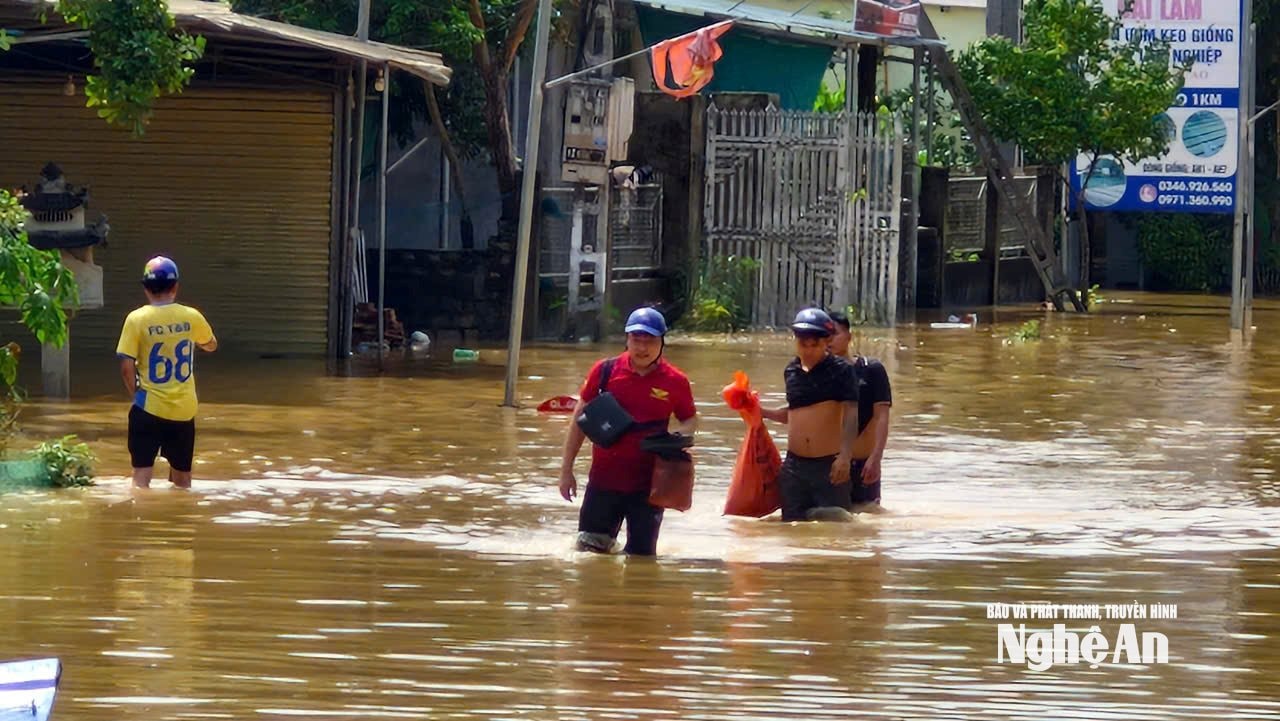
During the storm on July 22nd and 23rd, 2025, the central area of Chau Binh commune experienced localized flooding in Ke Khoang village. The Chau Binh Commune People's Committee determined that the cause was prolonged heavy rainfall combined with floodwaters released from hydroelectric dams, leading to a sudden surge in water levels.
On the other hand, due to erosion and siltation in the Chau Binh drainage canal, the cross-sectional area of the flow has been reduced; the section of the drainage canal passing through Ke Khoang village, which is the Co Ba stream bed, has not been improved, is narrower, and has a higher elevation compared to the drainage canal through Ke Nam, Quynh 1, and Quynh 2 villages. Therefore, this causes water stagnation at the head of the canal, slowing down the overall drainage process of the entire route.
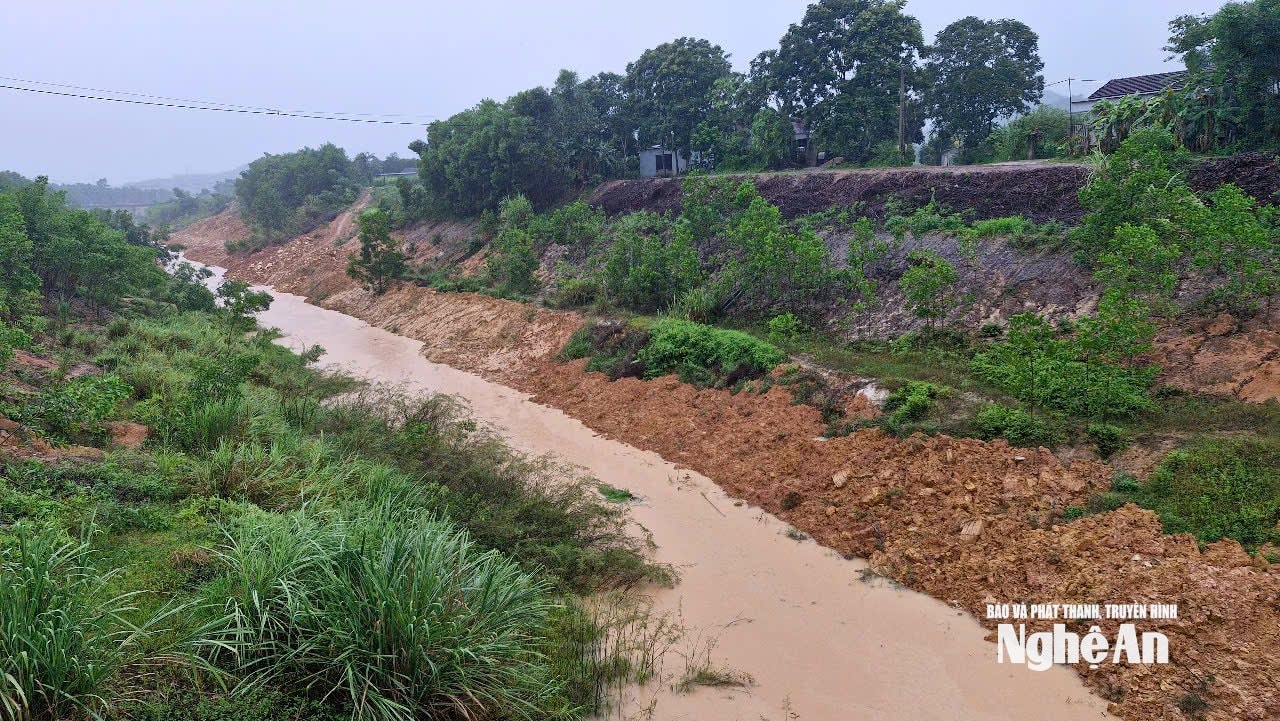
In light of this situation, the Chau Binh Commune People's Committee has requested relevant agencies to urgently inspect and reassess the entire drainage canal system, especially the section passing through Ke Khoang village. Simultaneously, they have proposed that the competent authorities allow the renovation, expansion, or excavation of a new section of the canal using the old channel to increase drainage capacity; consider lowering the elevation of the beginning section of the Chau Binh drainage canal (through Ke Khoang village) to ensure smooth flow along the entire route; and implement urgent measures to clear blockages and erosion at points in the drainage canal to reduce flooding for residents during peak rainy and stormy seasons.
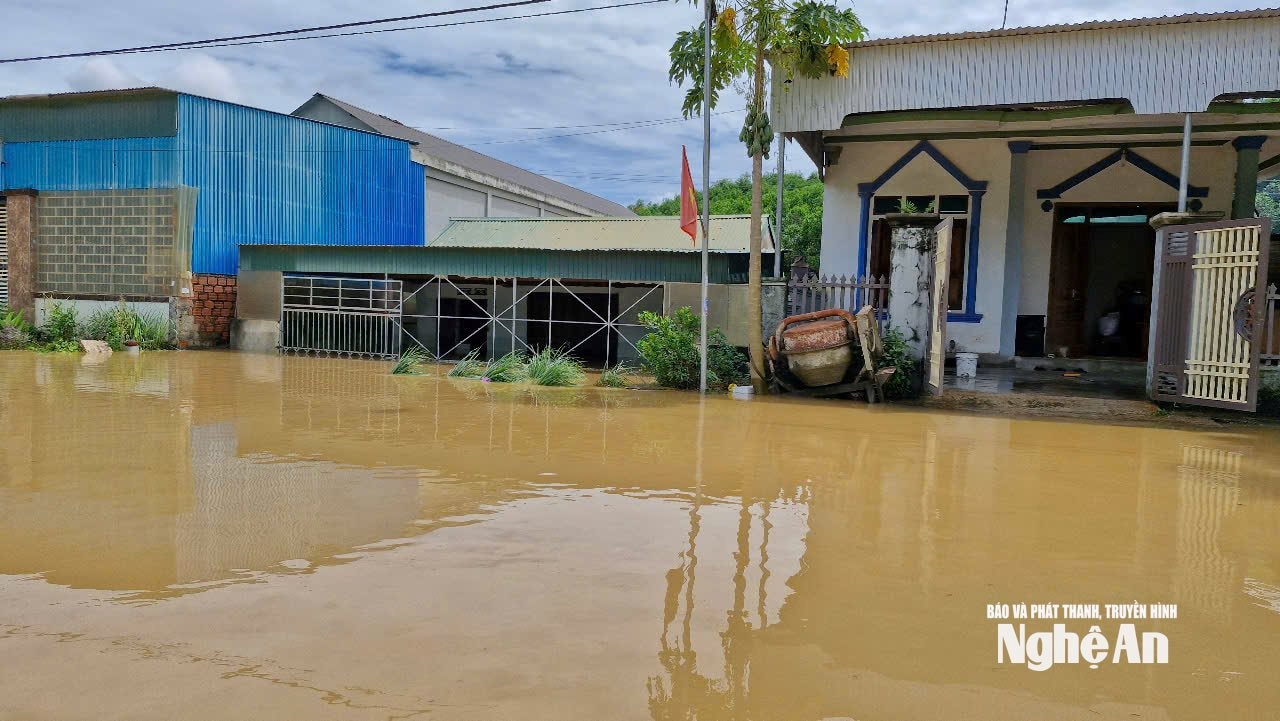
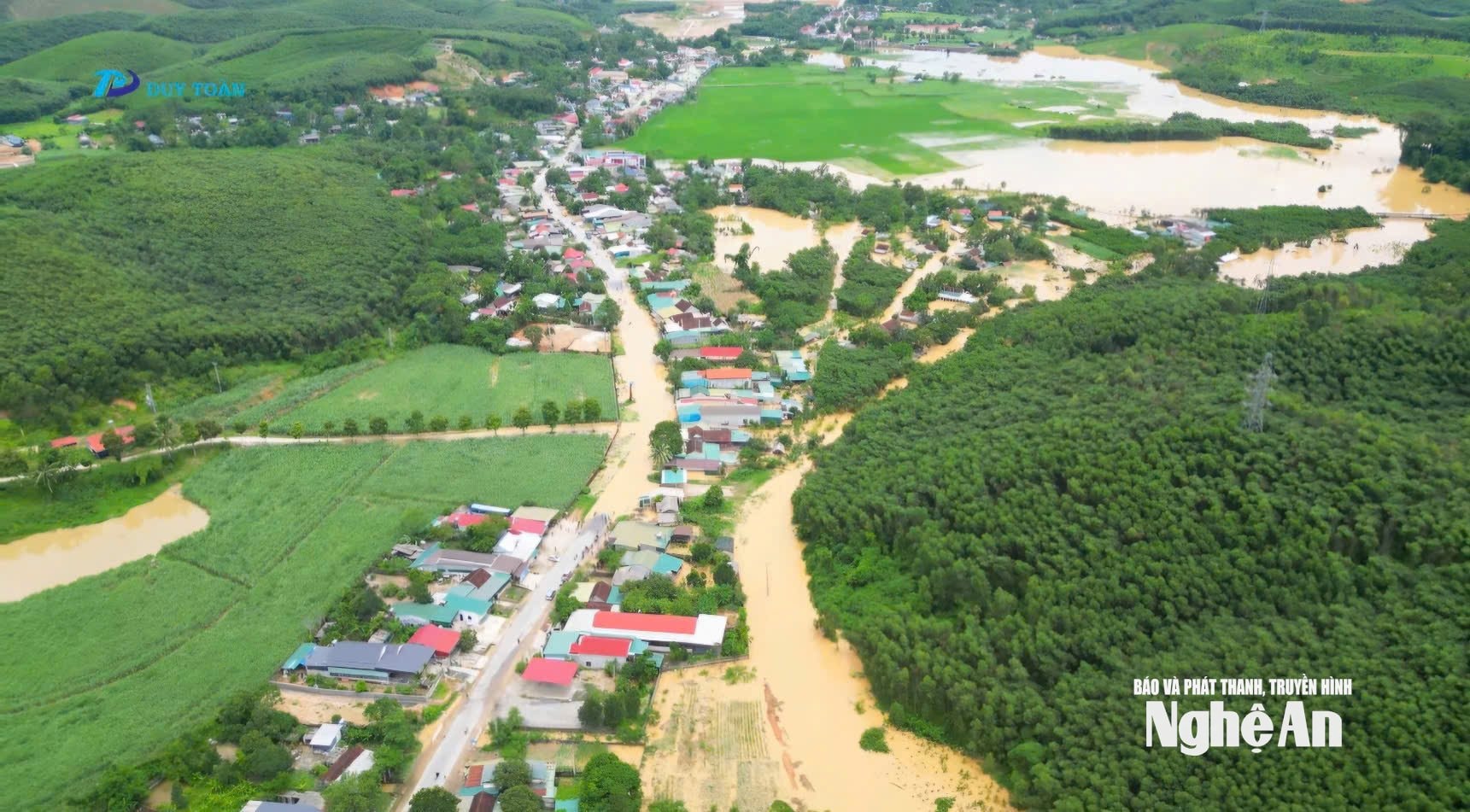
Information about the flooding in Ke Khoang village, along with assessments and proposals from the Chau Binh Commune People's Committee, was reflected in the article "Ke Khoang Water Pocket and the Problem of the Chau Binh Drainage Canal" published on baonghean.vn on July 31, 2025.
At this time, in an interview with reporters from Nghe An Newspaper and Radio and Television, Mr. Nguyen Xuan Son - Head of the Construction Project Management Department, Department of Agriculture and Environment, acknowledged that the Chau Binh drainage canal, after many years of construction, has deteriorated, become silted up, and suffered landslides. Therefore, the Department of Agriculture and Environment has directed the organization of dredging and clearing of the waterway. On the other hand, the Ministry of Agriculture and Environment has also directed the consulting unit to reassess the entire Chau Binh drainage canal to implement measures to prevent landslides and flooding.
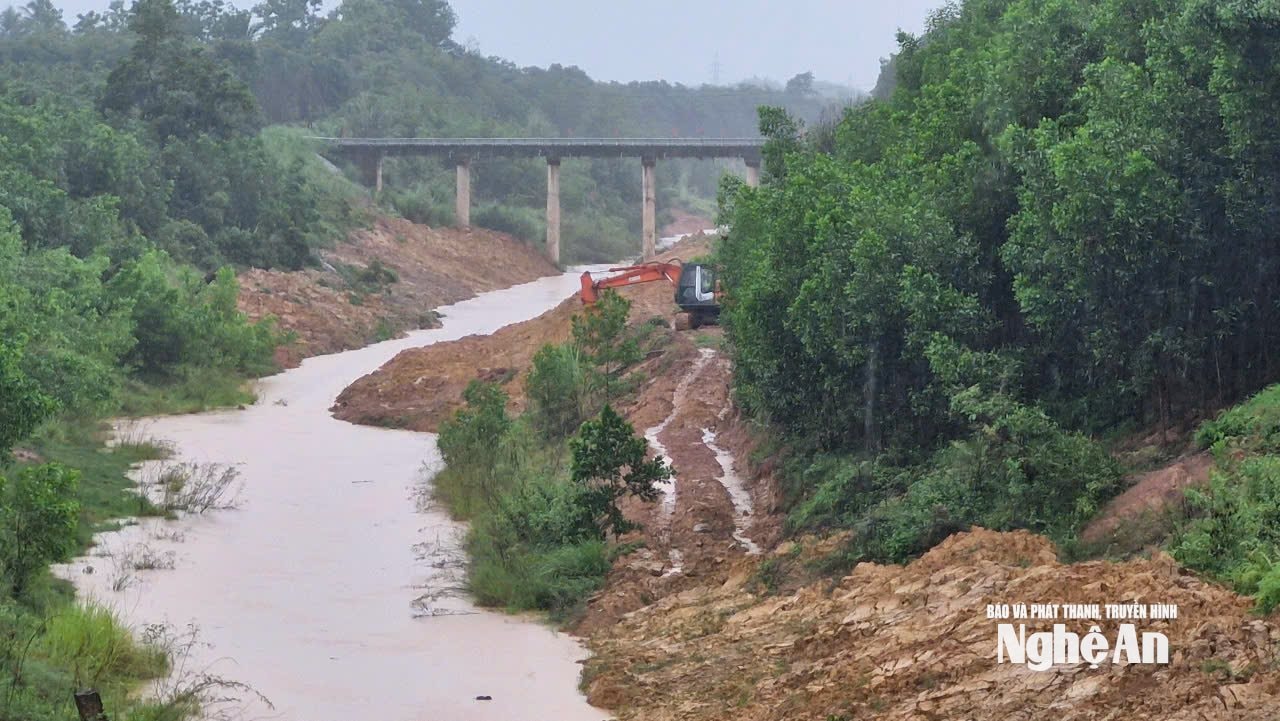
Concerned about the "water reservoir" of Co Ba, and in response to the worries of the people of Chau Binh commune, we investigated and learned about the Chau Binh drainage canal adjustment project aimed at preventing landslides and flooding, which is being implemented by General Corporation 36 - TPCP. According to the design approved by the Department of Agriculture and Environment, the project aims to mitigate landslides along the Chau Binh drainage canal, which is 1,106m long, ensuring flood drainage at a design frequency of 10% with a flow rate of 45.94 - 54.49m³.3Simultaneously, the Chau Binh drainage canal's downstream flooding was addressed through risk management in accordance with the disaster prevention and control plan, corresponding to a design flood level of 10% as per current regulations. This 1,106m section of the drainage canal, located in Ke Nam and Quynh 1 villages, was found to have serious erosion and safety hazards; the canal was reinforced with concrete (750m open canal, 356m box canal).
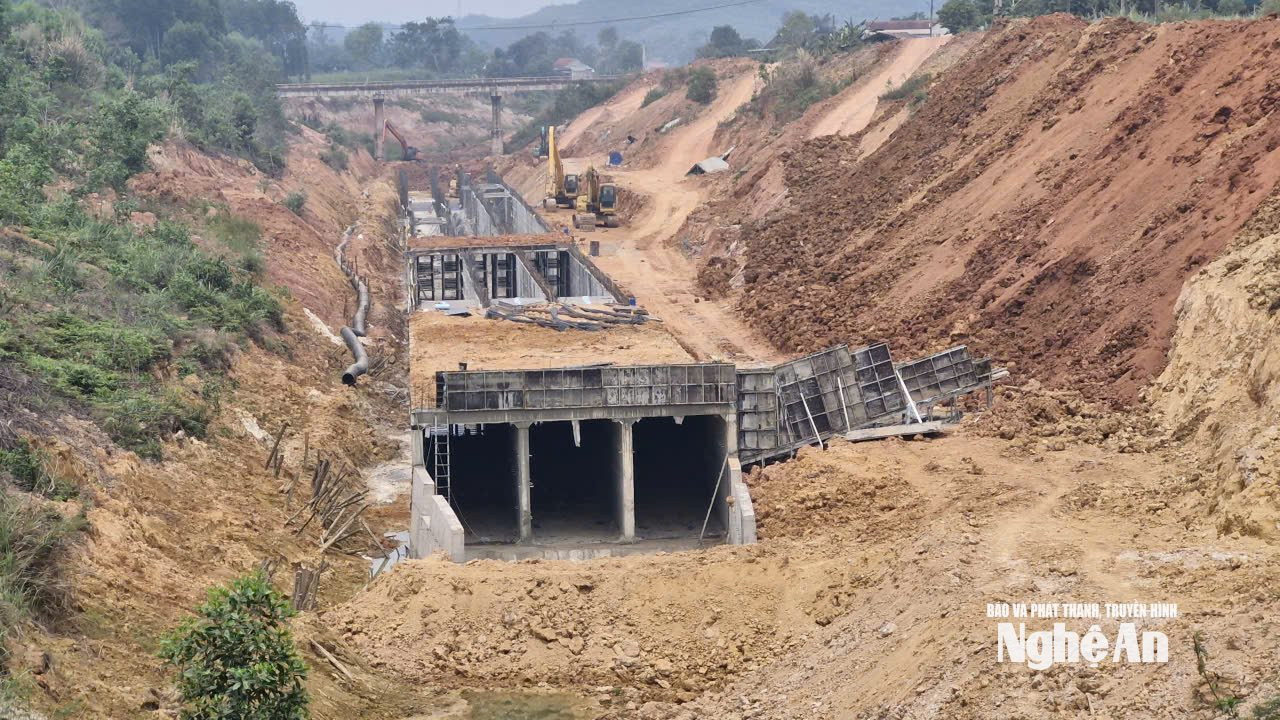
According to Mr. Tran Dang Khoa, a technical officer of the Nghe An Agriculture and Environment Project Management Board, the formation of a "water reservoir" in the Co Ba stream section passing through the central area of Chau Binh commune is unavoidable. This is because the bottom of the Co Ba stream is much lower than the general level of Chau Binh commune, and 1-1.5 meters lower than the entrance to the Chau Binh drainage canal. Regarding the project to adjust the Chau Binh drainage canal to prevent landslides and flooding, the 36 Corporation - TPCP is currently constructing it precisely according to the design approved by the competent authorities. The Department of Agriculture and Environment and the Nghe An Agriculture and Environment Project Management Board are also regularly urging the 36 Corporation - TPCP to focus resources on accelerating construction progress, ensuring flood safety, especially during the period of the Minor Flood (from May 10th to 30th, 2026).
Once the project is completed, Chau Binh commune will no longer experience flooding like in previous years…
Mr. Tran Dang Khoa - Technical Officer of the Nghe An Agriculture and Environment Project Management Board
“At the end of April 2026, the Department of Agriculture and Environment sent a document reminding the 36 Corporation - TPCP about the project's progress. It noted that the dredging and reinforcement of the drainage canal to ensure flood drainage must be completed before May 10, 2026; and the entire project must be completed before August 15, 2026. To date, the project is being implemented according to design, ensuring quality and on schedule, with approximately 45% of the work completed. Once the project is completed, Chau Binh commune will no longer experience flooding like in previous years…,” Mr. Tran Dang Khoa explained.

According to the Chairman of the Chau Binh Commune People's Committee, Mr. Lo Van The, the environmental pollution issue at the Co Ba "water reservoir" is a problem that the commune is currently addressing. Recently, the Chau Binh Commune People's Committee issued a document requesting the management boards of the 9 villages and hamlets in the area to implement centralized waste collection and build "Bright - Green - Clean - Beautiful" villages in accordance with Resolution No. 07/NQ-DU dated April 18, 2026, of the Commune Party Committee. Regarding the Co Ba "water reservoir," the Chau Binh Commune People's Committee has directed specialized staff to review and assess the current situation and develop a plan for its renovation to become a useful water reservoir, a project that beautifies the landscape and ecological environment of the central area of Chau Binh commune. “After being isolated, the Co Ba stream formed a reservoir. If renovated, it would be a beautiful landscape in the center of Chau Binh commune. Therefore, after reviewing the situation, Chau Binh commune will submit a report and proposal to the higher authorities to allow investment and renovation of the Co Ba stream…,” the Chairman of the People's Committee of Chau Binh commune explained.
After reviewing the situation, Chau Binh commune will submit a report and proposal to higher authorities requesting permission to invest in and renovate Co Ba stream…”
Mr. Lo Van The - Chairman of the People's Committee of Chau Binh Commune
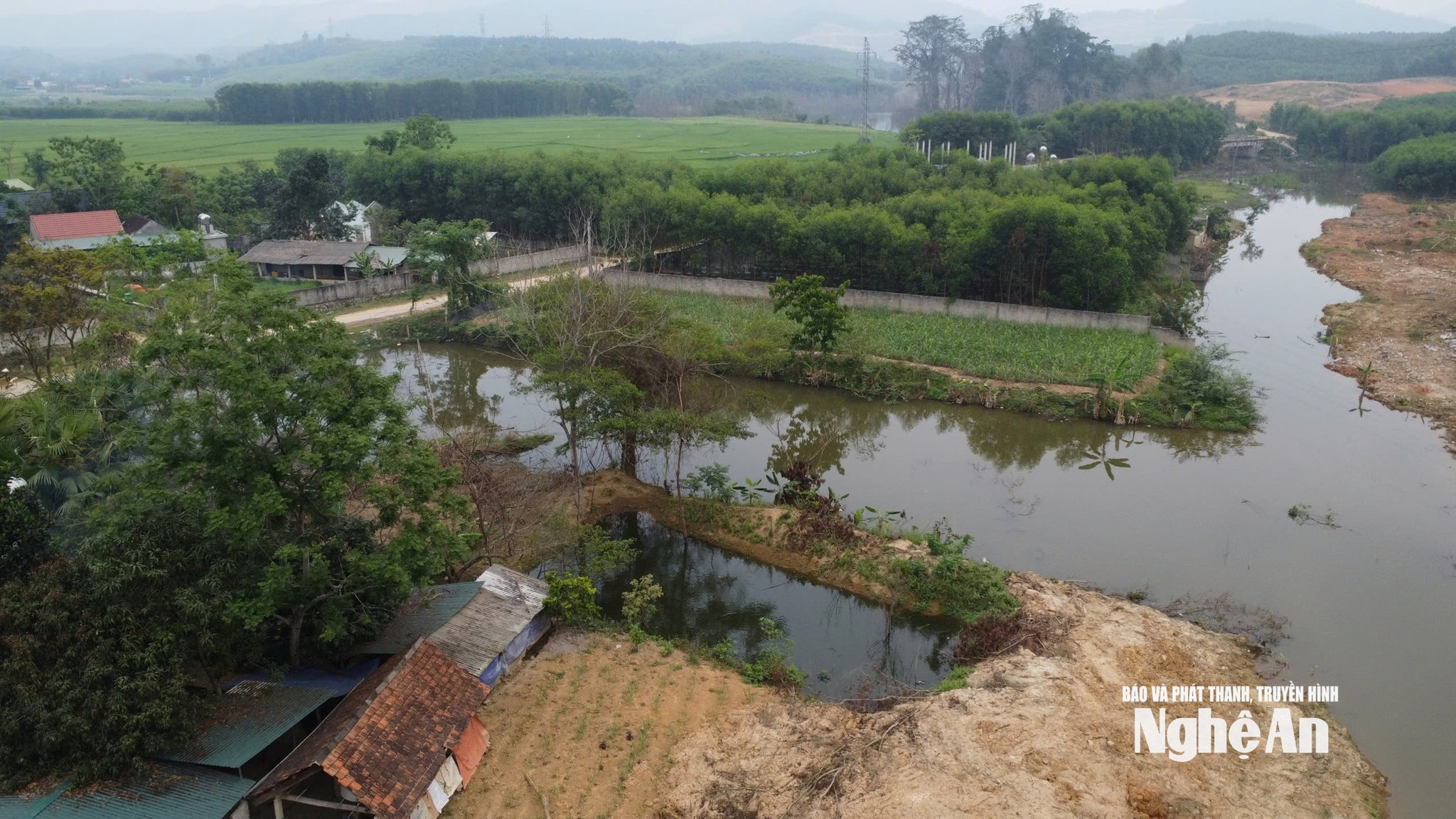
Regarding the Nghe An Agriculture and Environment Project Management Board, we were informed that, after completing the Chau Binh drainage canal adjustment project, the board will focus on dredging and improving the Co Ba stream section connecting to the drainage canal. Furthermore, they will work with Chau Binh commune to collect and process existing waste to clean up the environment. The Nghe An Agriculture and Environment Project Management Board also recognizes that, if the Co Ba stream section is improved, it will become a useful lake with multiple functions and enhance the landscape of the central area of Chau Binh commune...
Thus, the idea of a "water reservoir" for Co Ba has taken shape. It is thought that this is a truly good idea, addressing existing problems along the Co Ba stream, and at the same time bringing positive new features to the area affected by the national Ban Mong irrigation reservoir project. Hopefully, in the near future, Chau Binh commune will have a Co Ba ecological reservoir!