
Facing the sea with a new 'strategy'
Nghe An is entering a remarkable shift in its thinking regarding the development of the marine economy, as the seaport system is viewed strategically rather than being limited to the concept of handling individual cargo.
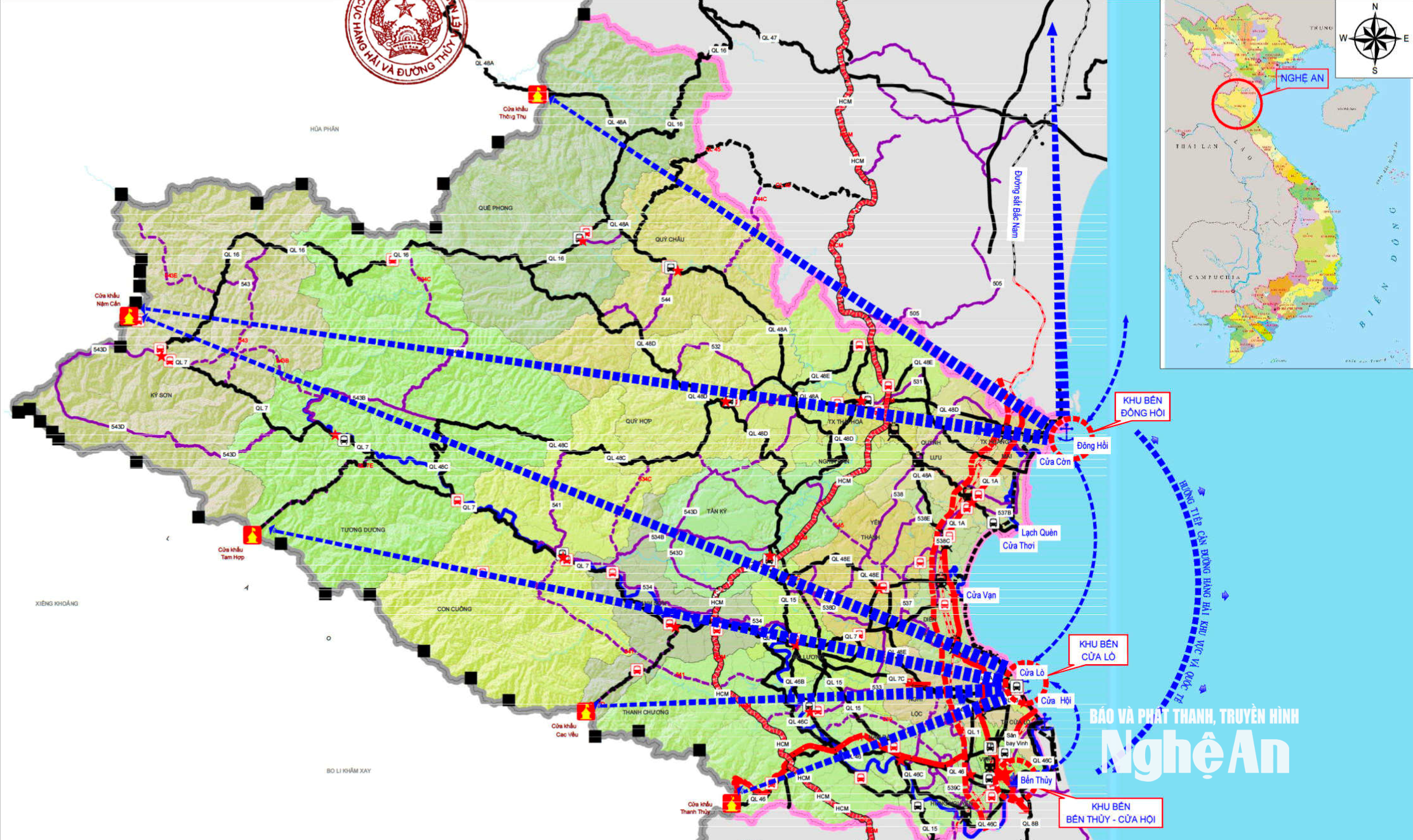
Previously, the sea was primarily seen as a natural geographical advantage. However, under the pressure of regional competition and the need to restructure development space, the sea is now being re-positioned as a key economic "power" component. This shift shows that Nghe An has begun to move away from the mindset of simply "having a port" towards a mindset of "living off the port" and "reaching out through the port."
In the new development map, seaports no longer stand alone as isolated coastal locations. Ports must now be connected to highways, logistics must go hand-in-hand with industrial zones, border crossings must connect to international trade corridors, and coastal geography must be transformed into a transit hub on the East-West axis. At that point, the sea will no longer be the endpoint of the land territory but the starting point of cross-border trade flows.
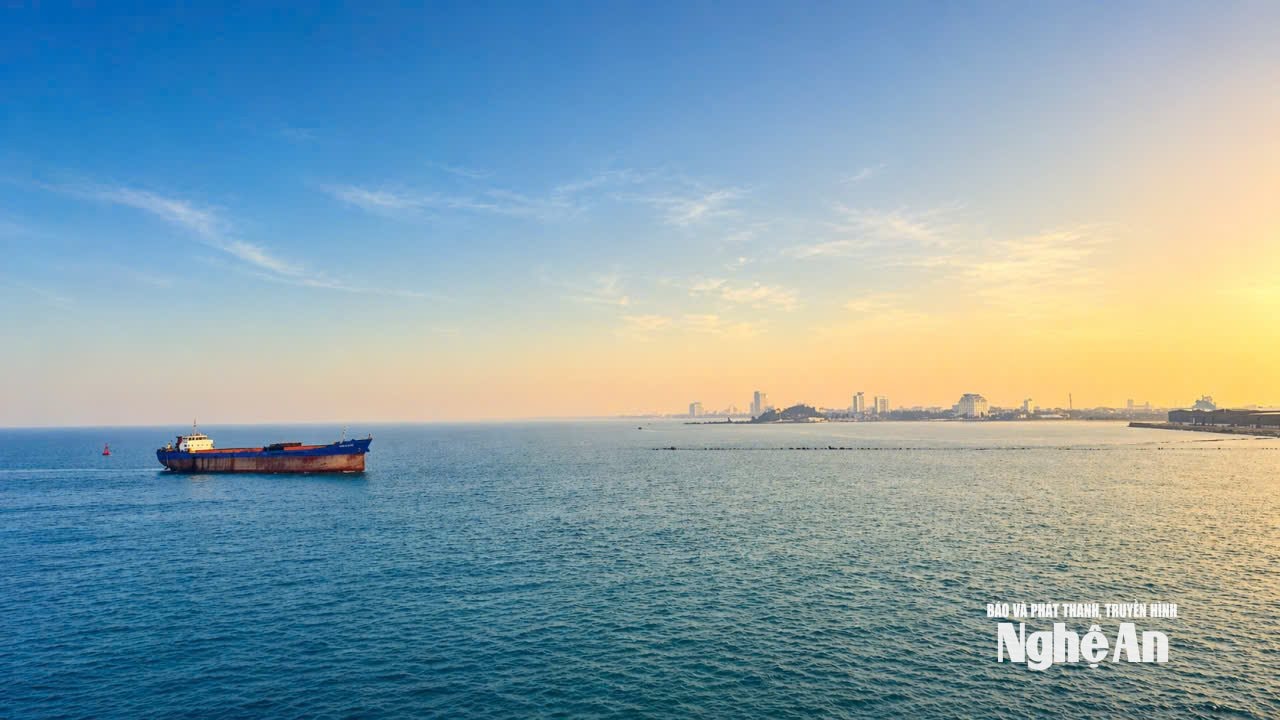
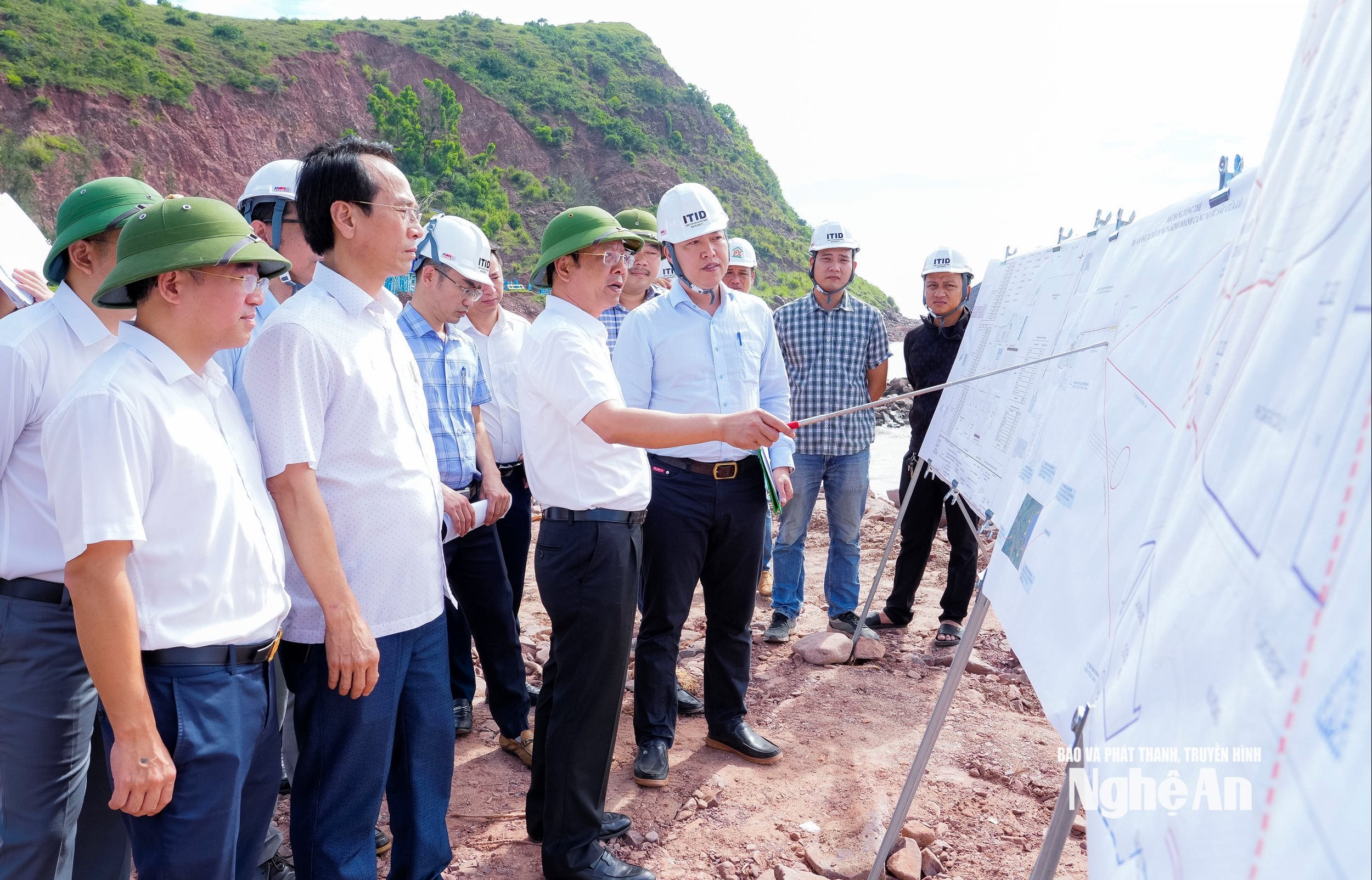
Looking at Cua Lo Deepwater Port, this shift in thinking is most clearly evident. The old plan, with two berths capable of receiving ships of 30,000-50,000 tons, was suitable for a certain stage of development, but it has clearly become inadequate in the face of new ambitions.
The recent adjustment by the investor to add three berths for ships of 50,000-100,000 tons, expand by tens of hectares of land, add approximately 280 hectares of water surface, and raise the total investment to about 7,400 billion VND reflects a strategic decision: Cua Lo is being repositioned to move beyond its status as a regional port and towards becoming a larger-scale maritime hub.
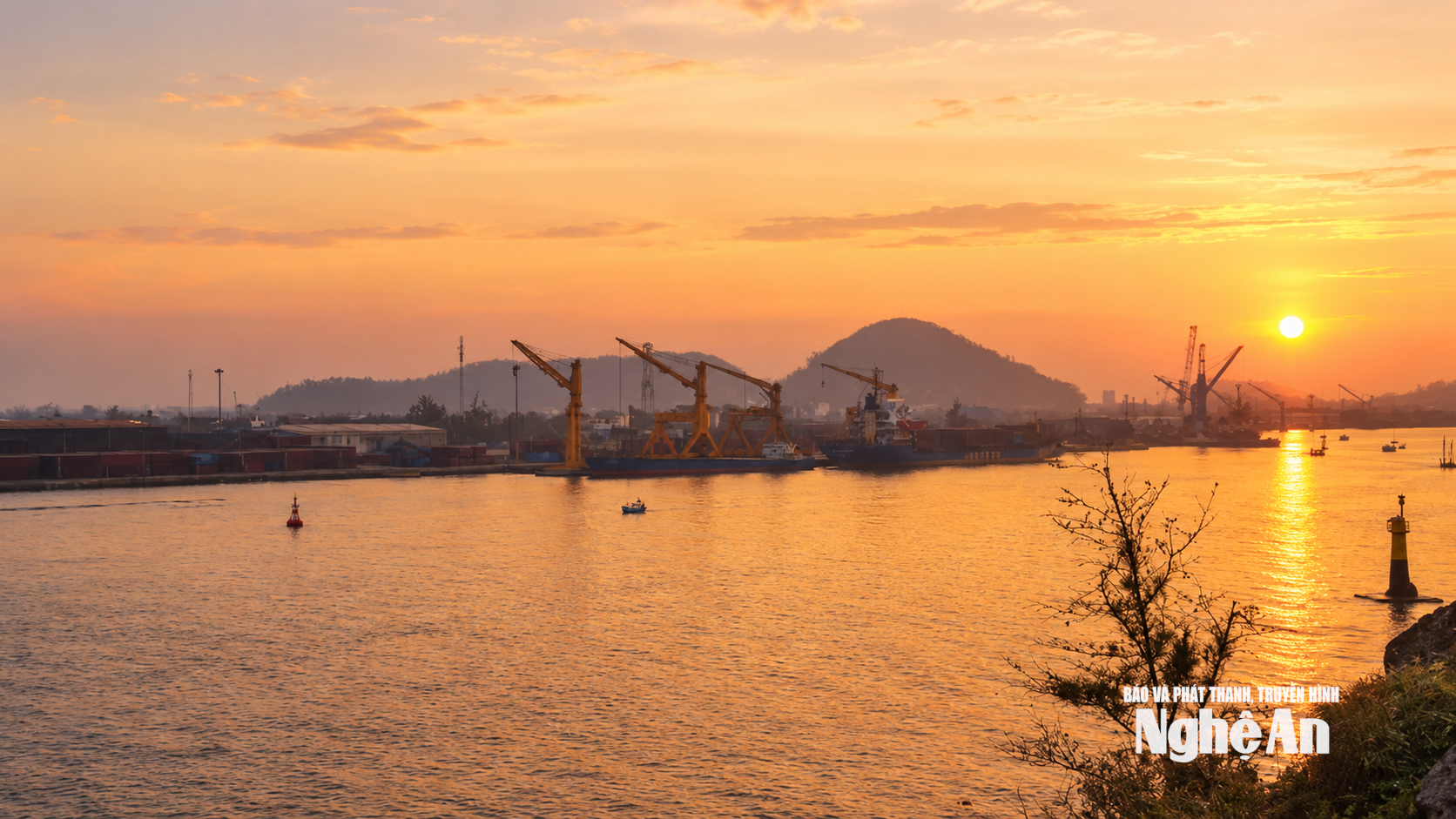
In the northern part of the province, Dong Hoi is emerging as another strategic growth pole. While Cua Lo represents an upgrade of a traditional maritime center, Dong Hoi resembles a new development hub associated with the Quynh Lap integrated port complex, handling bulk, liquid, gas, and especially LNG cargo.
The presence of Dong Hoi helps Nghe An avoid a skewed development axis, creating a "two-engine" structure for the marine economy. A single powerful locomotive can pull the entire train forward quickly, but two locomotives operating in sync will create more sustainable momentum and less risk in the long term; at the same time, it forms the basis for reshaping the entire marine economic belt of the province.
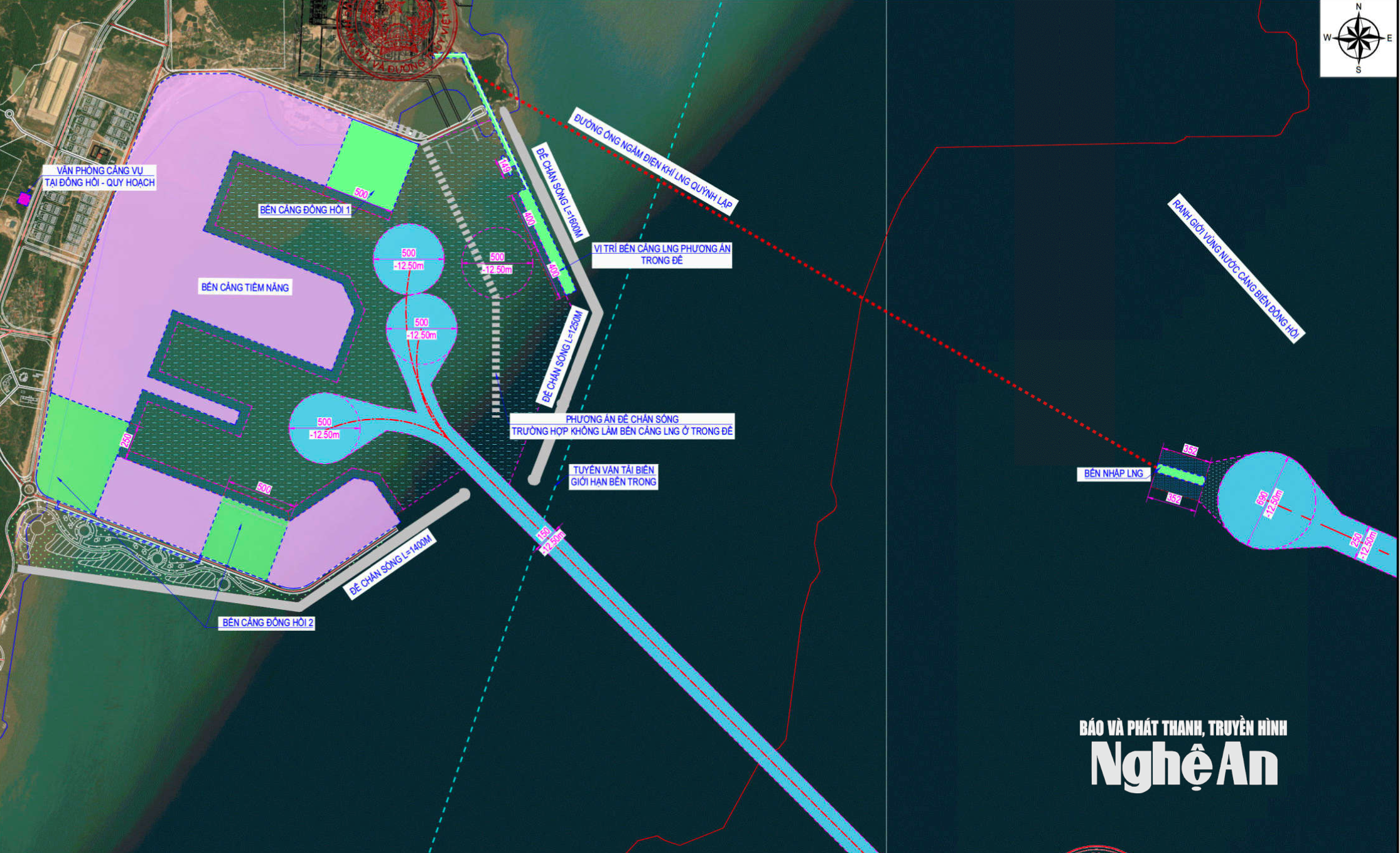
These calculations are entirely based on practical grounds. The Nghe An seaport development plan until 2030 aims to handle 22.3 - 26.8 million tons of cargo per year.
Meanwhile, Cua Lo alone has already handled approximately 16 million tons and still has room for growth. Northern Nghe An still has about 3 million tons of goods annually that must pass through Nghi Son Port (Thanh Hoa). Simply resuming this flow of goods would create a significant foundation for Dong Hoi before considering larger cargo flows from outside.
However, the history of infrastructure development always shows a very clear rule: no matter how large a port is, it is difficult to maximize its potential if it is constrained by weak connecting routes.
A wide door but a narrow entrance makes it difficult for trade to flourish. Therefore, the Vinh - Thanh Thuy expressway is of great importance, playing a strategic role as a link to transform Nghe An seaport into a gateway to the sea for the entire western part of the Indochina peninsula.
With the commencement of this expressway project on May 18, 2026, and its accelerated completion target by the end of 2028—one year ahead of the original plan—Nghe An is sending a very clear signal that the province wants to quickly participate in the regional infrastructure competition, rather than standing on the sidelines.
At that time, Thanh Thuy, from its position as a border gate, had the opportunity to become an economic connection point across the Truong Son mountain range. With Laos and Northeast Thailand, the route to the sea through Nghe An could completely become a more efficient option in terms of distance, cost, and logistics organization.
At that time, Nghe An's seaport would no longer serve primarily Nghe An itself. Its role would broaden significantly, becoming a gateway for trade to a larger economic space to the West. The value of the seaport would therefore change, shifting from serving the local area to participating in regulating the regional transport chain.
The sea is still there, but each locality's position at sea has never been determined by the length of its coastline, but rather by its vision, speed of preparation, and ability to organize infrastructure. In that respect, Nghe An is rapidly "building a bigger, stronger, and more ambitious ship" to embark on a grand voyage.
Thanh Duy