

Google reveals 4 notable features on Android.
Google just unveiled a host of new features for Android 17 at the Google I/O 2026 event, highlighted by smarter Gemini AI, vibrant 3D emojis, and numerous tools to enhance the everyday user experience.
Every year, Google uses the Google I/O stage to showcase new technologies for the Android ecosystem.
This year, in addition to announcements revolving around AI, the company also brought many practical upgrades to Android phones, from automation capabilities using Gemini, new 3D emojis, to tools to reduce distractions and support content creation.
These changes are expected to appear in Android 17 and subsequent versions in 2026.
Gemini will be smarter and more useful.
One of the biggest highlights is Gemini Intelligence, a new suite of AI features that are more deeply integrated into Android. Google says this platform will enable AI to handle more complex tasks directly on the phone.
Users simply need to take a photo or screenshot of something, such as a restaurant menu, shopping list, or travel itinerary, and then send the request to Gemini. The AI will automatically handle the rest, such as finding tours, planning a vacation, or creating a shopping cart.
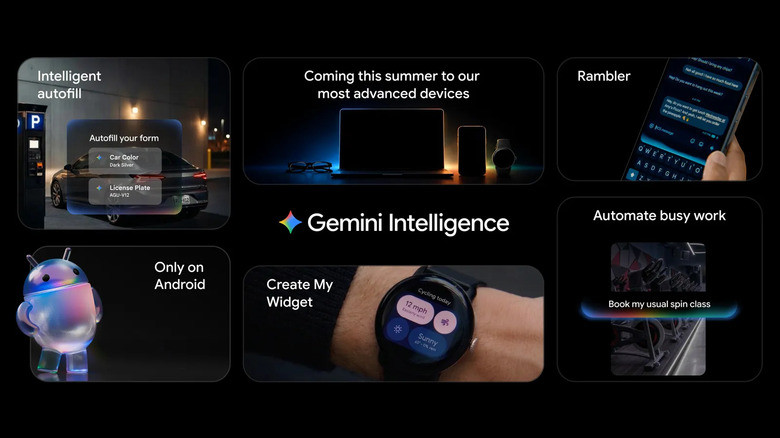
Google is also expanding its ability to automate multiple steps across different applications. This helps Gemini function more like a true "digital assistant" rather than just a chatbot that answers questions.
The first features will be rolled out on Samsung and Pixel phones. Among them is the ability to automatically browse the web using Chrome and fill out forms with just one tap thanks to Gemini Personal Intelligence, a technology that can access data from Gmail, Google Calendar, and other Google services to assist users.
Additionally, Gemini is deeply integrated into Gboard, enabling AI-powered speech-to-text conversion with greater accuracy.
Another upgrade that has garnered attention from the Android community is Create My Widget. This feature allows users to create custom widgets for the home screen, expanding the personalization capabilities that have long been a strength of Android compared to iOS.
Android is getting a new set of 3D emojis.
Emojis have long been an important part of online communication. Google says that approximately 10 billion emojis are sent globally every day.
To refresh this experience, Google will introduce a new set of 3D emojis called Noto 3D in 2026.
Unlike the current flat emojis, the new set of icons has a depth effect and texture that resembles real objects, making the images more vibrant when appearing in messages or on social media.
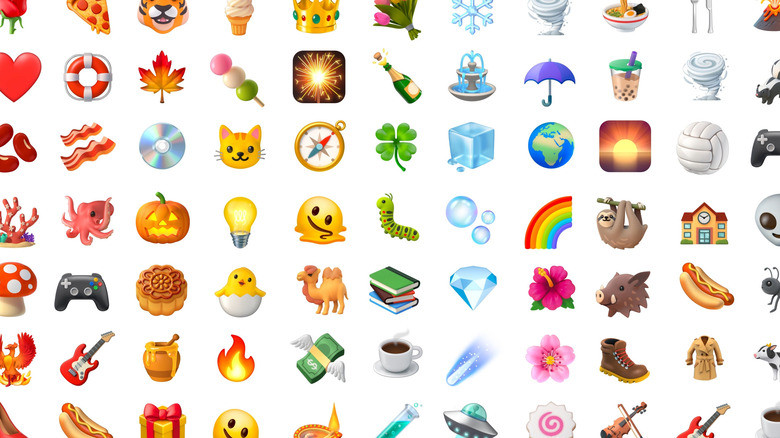
While not a major change in functionality, Google believes that Noto 3D will help users express emotions more naturally with a more pronounced "physical feel."
Google says the new emoji set will be rolled out across all of its services, starting with Pixel devices.
Android adds tools to curb phone addiction.
In addition to AI, Google continues to focus on digital health, a topic that is gaining increasing attention as smartphone usage increases dramatically.
A new feature called Pause Point will be integrated directly into Android to help users reduce the habit of opening apps reflexively.
Instead of completely locking the app like many current time-limiting tools, Pause Point will create a 10-second pause before reopening distracting apps like social media.
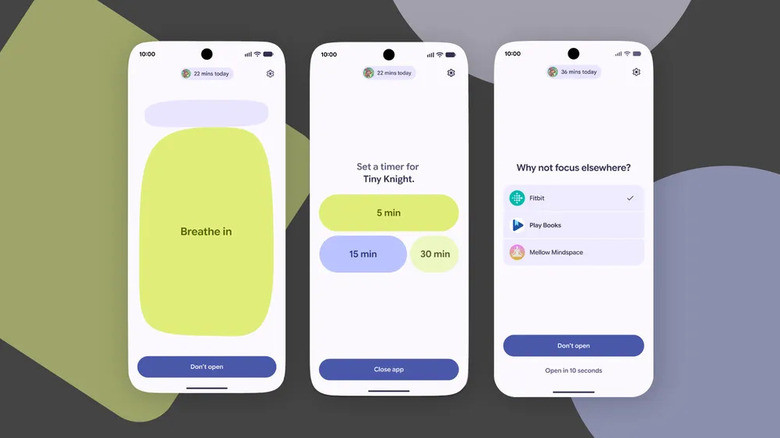
During that time, the phone may ask the user to take short breaths, remind them of usage goals, or display a timer for the app.
Google believes that even a brief pause is enough for users to realize what they are using their phones for, thereby reducing mindless social media browsing.
Pause Point can also work with other tools like YouTube's Shorts timer. However, users can still turn this feature off if they don't want to use it.
Android enhances tools for content creators.
Google is also pushing features to support content creation on Android, especially social media video.
One of the notable features is Screen Reactions. This tool allows users to record videos of their facial reactions without switching between different applications.
Users simply need to record their screen and front camera simultaneously. Then, the AI will automatically superimpose a reacting face onto the video, image, or webpage being displayed.
Google says this feature will first appear on the Pixel 10 series.
Additionally, Android will also receive several Instagram-specific upgrades, including support for Ultra HDR shooting and playback, built-in image stabilization for video, and new in-app night photography tools.
The Instagram Edits app on Android also includes many AI features such as automatic photo and video resolution enhancement and audio separation, giving users better control over the audio in their videos.
Notably, Google stated that some of these upgrades will only appear on Android, thereby increasing the platform's competitive advantage over the iPhone in the mobile content creation field.