

Why do electric vehicles need high-tech tires?
Practical studies show that electric vehicle tires wear out sooner than expected due to the significant stress from the weight of the battery pack, instantaneous torque, and the unique regenerative braking system.
Many users switching from internal combustion engine vehicles to electric vehicles (EVs) are often surprised to see their tires wear out faster than usual. According to industry statistics, the rate of tire wear in electric vehicles is approximately 10% to 30% higher than in gasoline-powered vehicles. This phenomenon stems from fundamental physical principles related to the unique design and operation of these vehicles.
The challenge comes from the enormous weight of lithium-ion battery packs.
The primary reason electric vehicle tires degrade quickly is their weight. Unlike gasoline-powered cars with relatively light engines and fuel tanks, electric vehicles carry high-energy-density lithium-ion battery packs to ensure long driving ranges. This battery weight creates an enormous physical load on all four wheels.
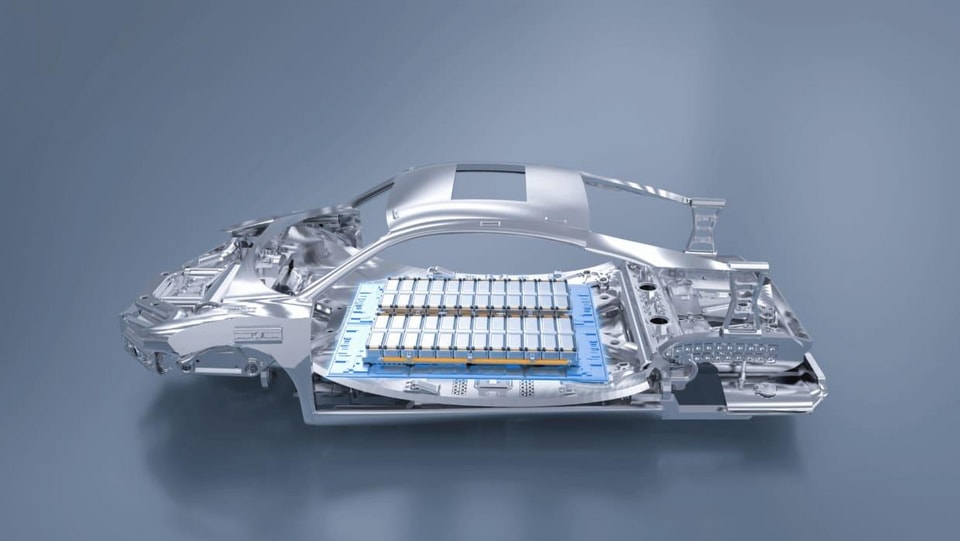
Specifically, the electric Ford F-150 Lightning weighs between 680 kg and 907 kg more than its gasoline-powered counterpart. This excess weight increases friction and pressure on the tires in all driving situations, from navigating potholes and cornering to performing braking maneuvers.
Pressure from instantaneous torque and acceleration capabilities.
The second important factor affecting tire lifespan is torque. While internal combustion engines need time to accumulate revolutions per minute (RPM) to reach maximum power, electric motors provide maximum torque instantly when the driver presses the accelerator. This instantaneous power transfer allows electric vehicles to accelerate powerfully, but it also forces the tires to grip the road with greater force.
Every time a car exits a red light or accelerates suddenly, the microscopic rubber layers on the tire surface are subjected to intense wear due to the instantaneous pulling force. This causes the tire surface to thin out faster compared to the gradual acceleration of a car using a traditional engine.
The impact of regenerative braking and specialized tire solutions.
Besides weight and torque, regenerative braking systems also play a role in tire wear. When the driver releases the accelerator, the electric motor reverses to recover energy, slowing the vehicle down without the need for brake pads. This instantaneous and frequent deceleration creates continuous drag on the tires, especially in congested urban traffic.
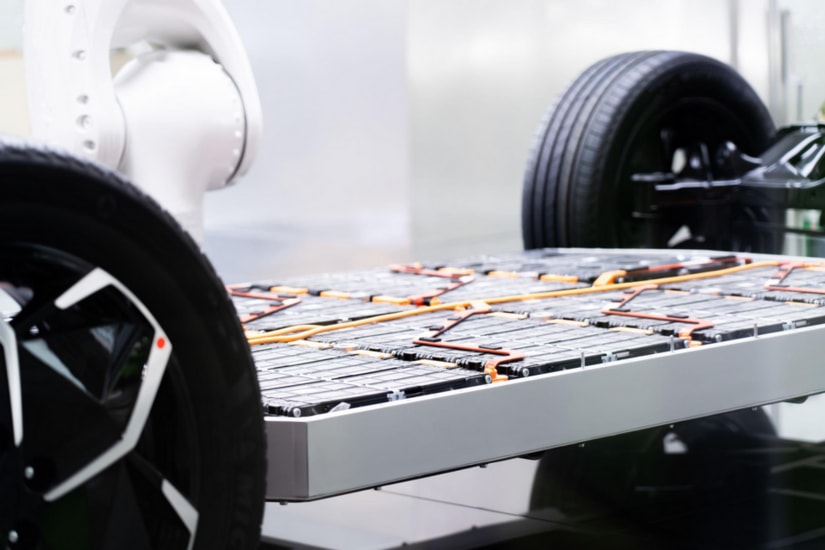
Recognizing these specific characteristics, tire manufacturers are now investing heavily in specialized tires for electric vehicles. These tires are improved with more durable rubber compounds, reinforced sidewalls, and specially designed tread patterns to withstand heavy loads and reduce noise. While technology is gradually improving tire lifespan, physically, operating heavy machinery with high torque still inevitably leads to faster tire wear, a common occurrence in electric vehicle ownership.