

Middle East conflict drives aluminum prices soaring, adding $5 billion to US solar power costs.
Global aluminum prices have surged due to supply disruptions in the Middle East, driving up the cost of installing solar power mounting systems in the US by 20% and threatening new projects.
Conflicts in the Middle East are putting significant pressure on the US renewable energy industry by disrupting global aluminum supplies. According to expert analysis, the cost of materials for installing solar power systems has increased by approximately 20%, creating a substantial financial burden for projects planned for deployment in 2026.
Global aluminum prices are fluctuating sharply due to supply risks.
Aluminum is a crucial material in solar panel mounting structures, including rails, clamps, and support frames. However, damage to refining facilities in the Gulf region and disruptions to shipping through the Strait of Hormuz – which carries more than 5 million tons of aluminum annually – have driven up the price of the metal.
At the London Metal Exchange (LME), the benchmark price of aluminum has risen by approximately 15% since the end of February 2026. Meanwhile, on the US COMEX exchange, futures contract prices have seen an increase of over 30%. Although the US imports more than 50% of its aluminum from Canada, due to the interconnected global market, Canadian suppliers have also adjusted their selling prices upwards in line with the general trend.
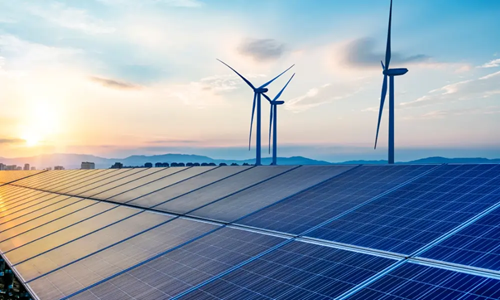
The cost burden on renewable energy projects
Currently, aluminum accounts for approximately 9-10% of the total cost of a solar power project. The scarcity of supply from the UAE and Bahrain (which account for about 12% of US imports) has directly altered the production cost structure. Specifically:
- Cost per solar panel:The aluminum frame for a 500-watt solar panel has increased from $10 to approximately $15.
- Cost per capacity:The price increased from $0.02/watt to $0.03/watt.
- Overall impact:With a projected capacity of 500 GW, the total additional costs could reach $5 billion.
The U.S. Energy Information Agency (EIA) forecasts that developers will add 43.4 GW of large-scale solar power in 2026, a 60% increase from the previous year. However, rising equipment costs combined with tariff pressures and fossil fuel preference policies could cause many low-margin projects to be delayed or canceled.
Forecast of the impact on end consumers
According to expert Derek Schnee from JK Renewables, the price impact will begin to shift to consumers from the second half of 2026. Those directly affected include large-scale power generation companies, AI data centers, office buildings, and manufacturing plants.
With the demand for electricity from AI data centers booming, rising renewable energy costs will create new challenges for the US energy balance and emissions reduction targets in the coming years.