

New regulations on preventing child abuse in cyberspace.
Ms. Nguyen Thi H., residing in Nam Dan commune, asks: How does the 2025 Cybersecurity Law specifically regulate the prevention of child abuse in cyberspace?
Reply:
Article 16 of the Law on Cybersecurity 2025 (adopted by the 15th National Assembly of the Socialist Republic of Vietnam, 10th Session, on December 10, 2025)(effective from July 1, 2026) regulations on preventing and combating child abuse in cyberspace.as follows:
1. Children have the right to access information, participate in social activities, play, have their personal privacy and personal lives protected, and enjoy other rights in cyberspace as stipulated by law.
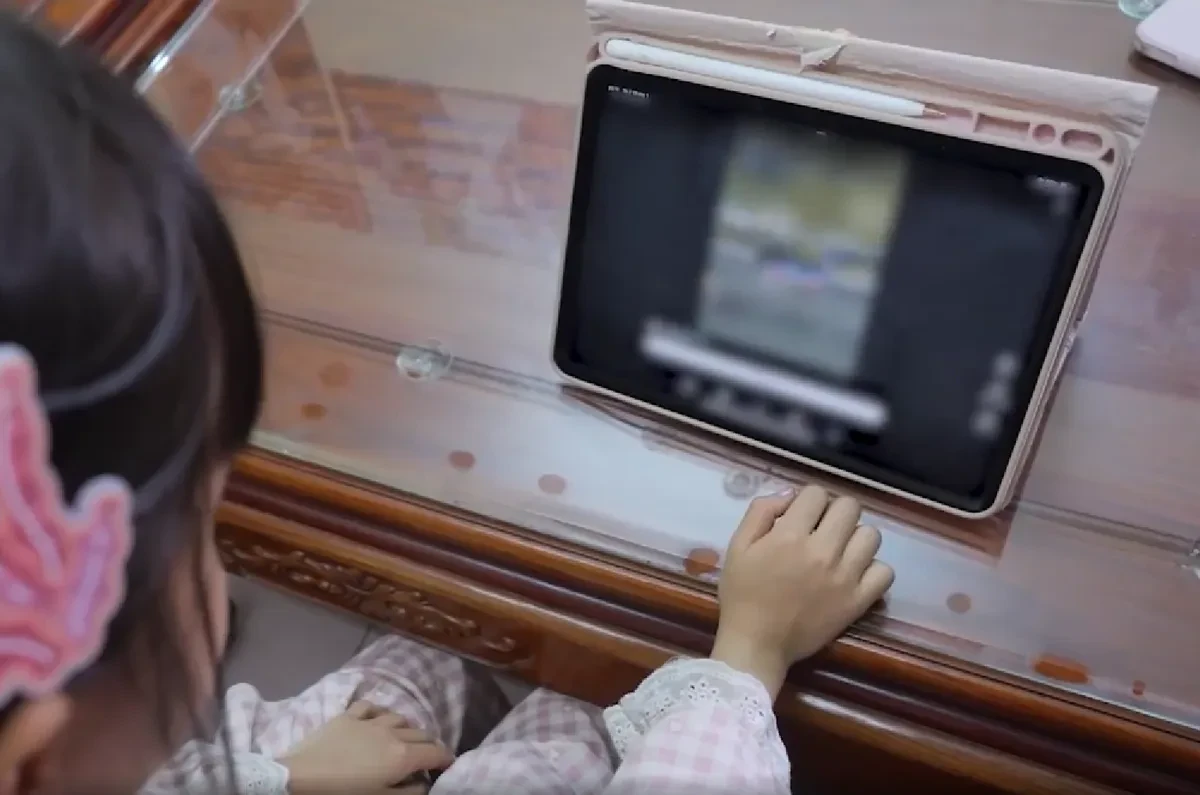
2. When children use value-added services on the internet, their parents or guardians, as defined by civil law, must register accounts using their own information and are responsible for monitoring and managing the content that children access, upload, and share on those service platforms.
3. Information system administrators and businesses providing services on telecommunication networks, the Internet, and value-added services in cyberspace have the following responsibilities:
a) Control the content of information on information systems or services provided by the business to ensure that it does not harm children, infringe upon children, or violate children's rights;
b) Preventing the sharing and removing information that is harmful to children, abuses children, or violates children's rights;
c) Develop and implement technical systems to support activities aimed at preventing child abuse content in cyberspace;
d) Coordinate with agencies, organizations, and businesses to prevent the dissemination of information that harms children on the internet;
d) Promptly notify and coordinate with the specialized cybersecurity forces of the Ministry of Public Security to handle the situation.
4. Agencies, organizations, and individuals participating in activities in cyberspace are responsible for coordinating with competent authorities in ensuring the rights of children in cyberspace; and preventing and combating child abuse in cyberspace.
5. Agencies, organizations, parents, guardians, teachers, childcare providers, and other relevant individuals are responsible for ensuring children's rights and protecting them when participating in cyberspace in accordance with the law on children and the provisions of this Law.
6. Cybersecurity task forces and relevant authorities are responsible for implementing measures to prevent, detect, stop, and strictly handle acts of using cyberspace that harm children, abuse children, or violate children's rights.