

Accused of copyright infringement on their own work: The worrying dark side of music copyright.
The recent decisive action by authorities in initiating criminal proceedings related to copyright and related rights infringements of musical works is seen as a positive sign in efforts to restore order to copyright in the digital environment. However, behind the cases that have been discovered and processed, many authors and artists are still suffering losses when their intellectual property is illegally appropriated and exploited by others.
When an author is "attacked" by their own work.
The worrying reality is that many musicians and creative artists today are facing a paradoxical situation: they cannot upload, disseminate, or exploit their own works because digital platforms identify those works as belonging to someone else. This is not just a matter of economic rights, but also a source of harm to those who dedicate their hearts and souls to creative artistic endeavors.
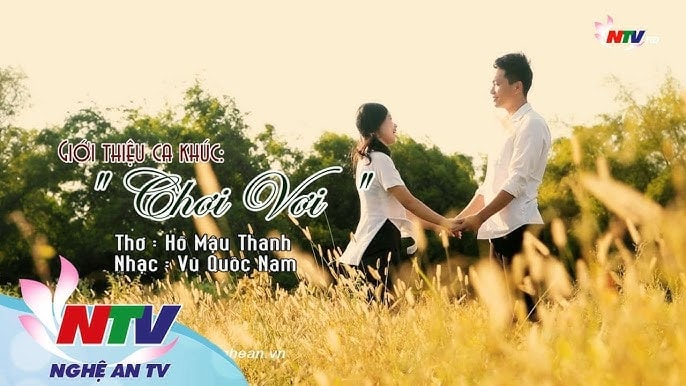
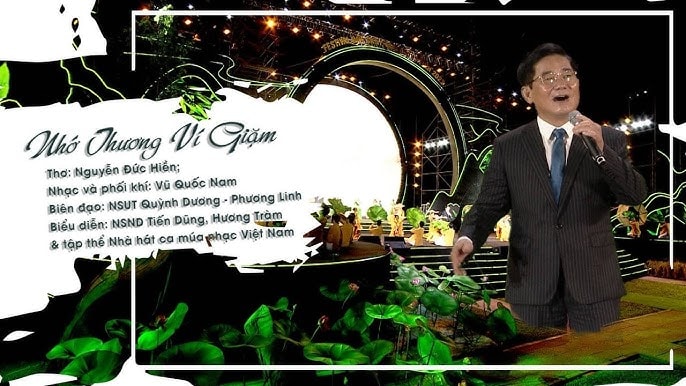
In Nghe An, copyright and intellectual property infringement in the music industry is no longer an isolated incident. Recently, musician Quoc Nam spoke out about the following songs:Drifting aimlessly, longing for the folk songs, my homeland is the Red Mountain and the Lam River.Because his compositions cannot be released on some social media platforms. According to the musician, the reason stems from some organizations and individuals taking his songs, rearranging them, uploading them to digital platforms, and carrying out copyright registration procedures. After a while, the platforms' automated systems recognize these versions as products owned by the accounts that had previously registered them.
As a result, when the original author re-uploads their song, the system immediately detects the "copyright infringement" and takes restrictive measures. In some cases, the video is muted, blocked from release, or its accessibility is reduced. The uploading account may even receive a copyright infringement warning.
The case of musician Quoc Nam is not unique; many other artists have faced similar situations. Some have discovered their works being used in advertising videos, performances, or on online media channels without permission. Others have had to spend months filing complaints and providing documentation proving copyright ownership before regaining control over their works.
It's worth noting that the process is often lengthy, time-consuming, and labor-intensive. Meanwhile, those who illegally exploit content can still attract large audiences and generate revenue from products they didn't create.
Musician Quoc Nam believes that the rapid development of digital technology has opened up unprecedented opportunities for the creation and dissemination of artistic works. With just a few simple steps, a song can reach millions of listeners in a short time. However, the downside of this environment is that illegal copying, editing, and distribution have also become easier than ever.
Many people still believe that using a piece of music to make a video, posting a song on social media, or remixing a popular song is simply an act of entertainment. This incomplete understanding leads to widespread copyright infringement without a full awareness of the legal consequences.
In the field of music, after being published, a work typically undergoes various stages of exploitation such as performances, digital release, use in advertising, television programs, or other media products. Each form of exploitation involves the legal rights and interests of the author, copyright owner, and related parties.
When a work is used illegally, the damage extends beyond economic losses. For the artist, it also represents a violation of their personal rights, their right to recognition of their creative work, and their right to control their intellectual property. Many musicians say that what saddens them most is not the lost royalties, but the arbitrary modification of their work, its use in inappropriate contexts, or others claiming it as their own.
Furthermore, current digital platforms primarily employ automated content recognition mechanisms. While these systems can detect duplication of audio, images, or videos, they struggle to distinguish the legitimate owner if the initial data is incomplete or incorrectly registered. "This makes it difficult for many authors to prove ownership, especially when they haven't completed copyright registration procedures or established a systematic system for archiving their creative works," said musician Quoc Nam.
We need to build a culture of respect for copyright.
Recent events show that copyright issues are no longer just a concern for artists, but have become a pressing requirement in the development of the digital economy and cultural industry.
Authorities taking strong action against copyright infringement, including criminal prosecution in serious cases, is considered a necessary step to create a deterrent effect. However, penalties alone are not enough. More importantly, it is crucial to cultivate a correct understanding within the community regarding the value of creative work.
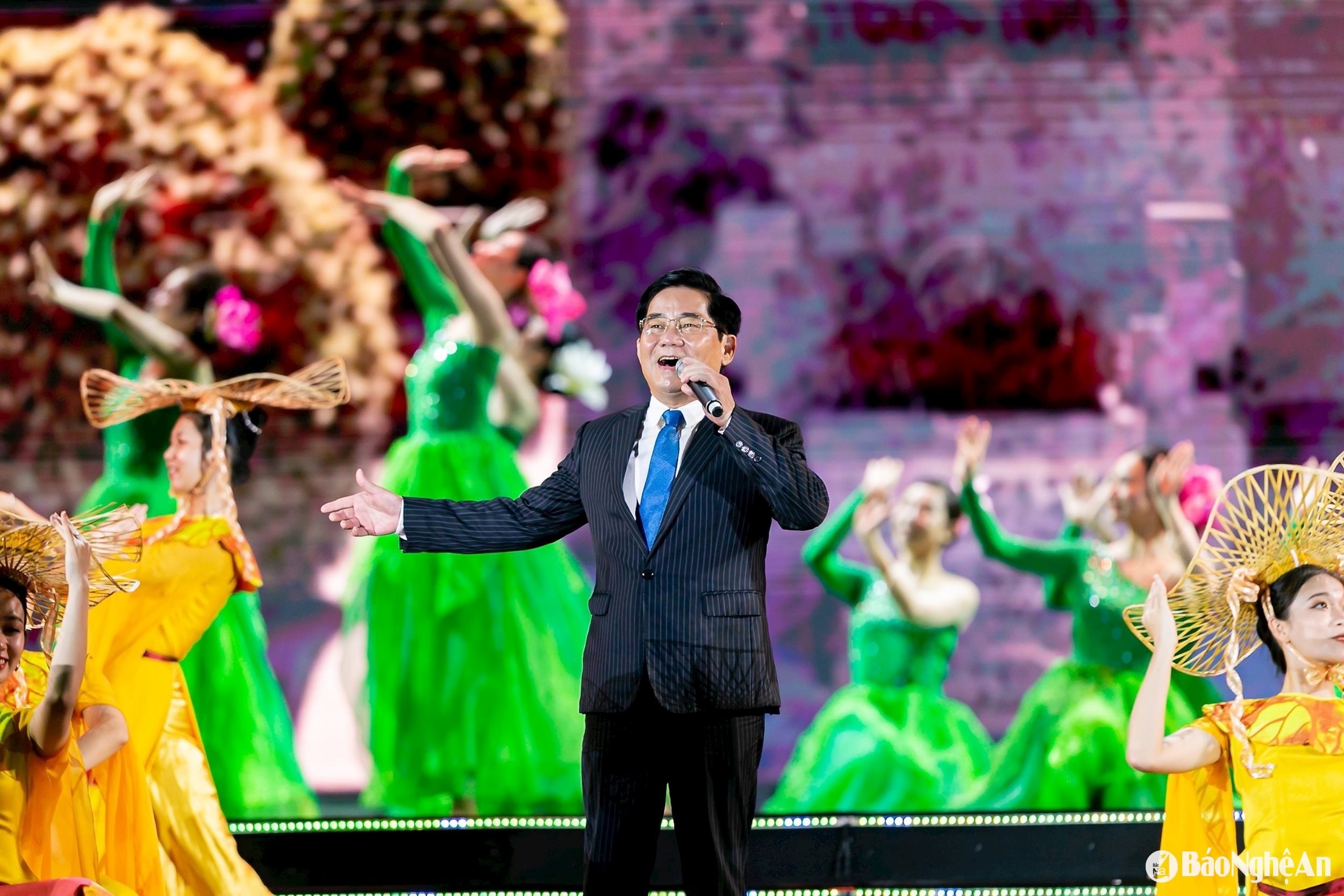
"Every musical work is the result of a serious artistic process, sometimes lasting for months or even years. Behind a song are the experiences, emotions, professional knowledge, and significant investment of time and effort from the composer."
People's Artist Tiến Dũng - Head of the Vietnam Musicians Association branch in Nghe An
When a work is copied or exploited illegally, the author is the one directly affected. Furthermore, it diminishes the creative motivation of the entire artistic community, impacting the sustainable development of cultural and artistic life.
People's Artist Tiến Dũng also suggested: For authors, proactively protecting their rights is also a necessary requirement. In addition to registering copyrights as required, musicians need to keep complete records of their compositions, copyright transfer contracts, original data, and related documents to have evidence in case of disputes.
Collective copyright management organizations, publishers, and digital platforms also need to strengthen coordination to build transparent authentication mechanisms, limiting misidentification of ownership or the misappropriation of copyright.
The story of musician Quoc Nam, who was unable to release his own compositions, is a thought-provoking paradox. It illustrates the increasingly complex boundary between creativity and copyright infringement in the digital environment. At the same time, it serves as a warning that if copyright is not properly respected and protected, artists will be the first to suffer.
A civilized creative environment cannot exist if creators have to prove that their work is their own. Therefore, along with the involvement of regulatory agencies, a change in community awareness, compliance by digital platforms, and individual responsibility when using cultural products in cyberspace are essential. Only then will artists be truly protected, and artworks be respected for their true value.