
Untangling a 40-year-old knot through the power of public consensus.
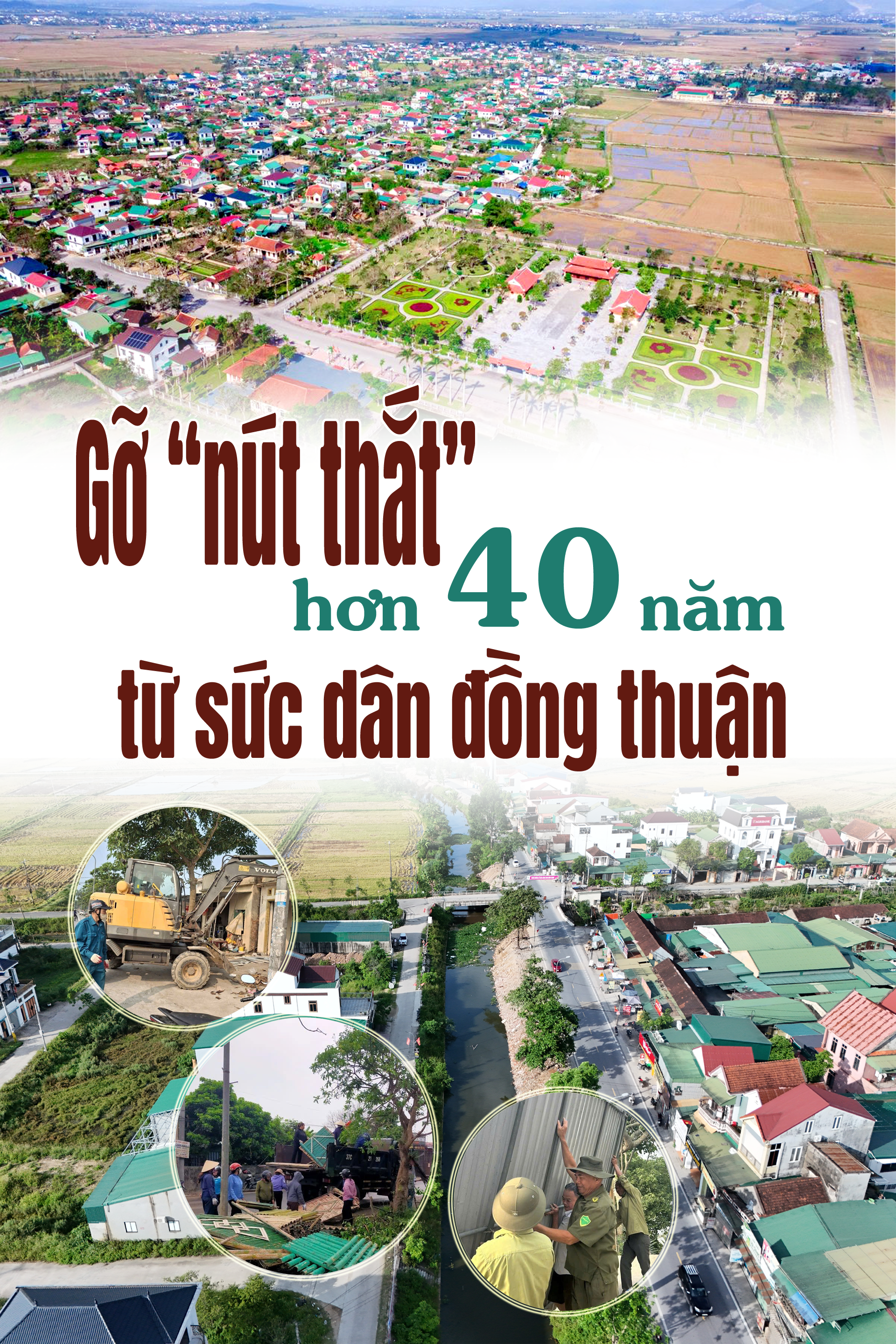
For many years, 44 kiosks encroaching on the 12/9 canal corridor and Provincial Road 542C in Hung Nguyen Nam existed as a "bottleneck" in land management, transportation, and irrigation. However, in less than three months, all the households voluntarily dismantled their structures and handed over the land without any coercive measures. This result shows that when the government is close to the people, understands them, listens to them, and works alongside them, even problems that have persisted for decades can be resolved.
Hoai ThuButThanh Phuc/Present:Hong Toai• June 1, 2026
*****
For many years, 44 kiosks encroaching on the 12/9 Canal and Provincial Road 542C in Hung Nguyen Nam existed as a "bottleneck" in land management, transportation, and irrigation. However, in less than three months, all the households voluntarily dismantled their structures and handed over the land without any coercive measures. This result shows that when the government is close to the people, understands them, listens to them, and works alongside them, even problems that have persisted for decades can be resolved.

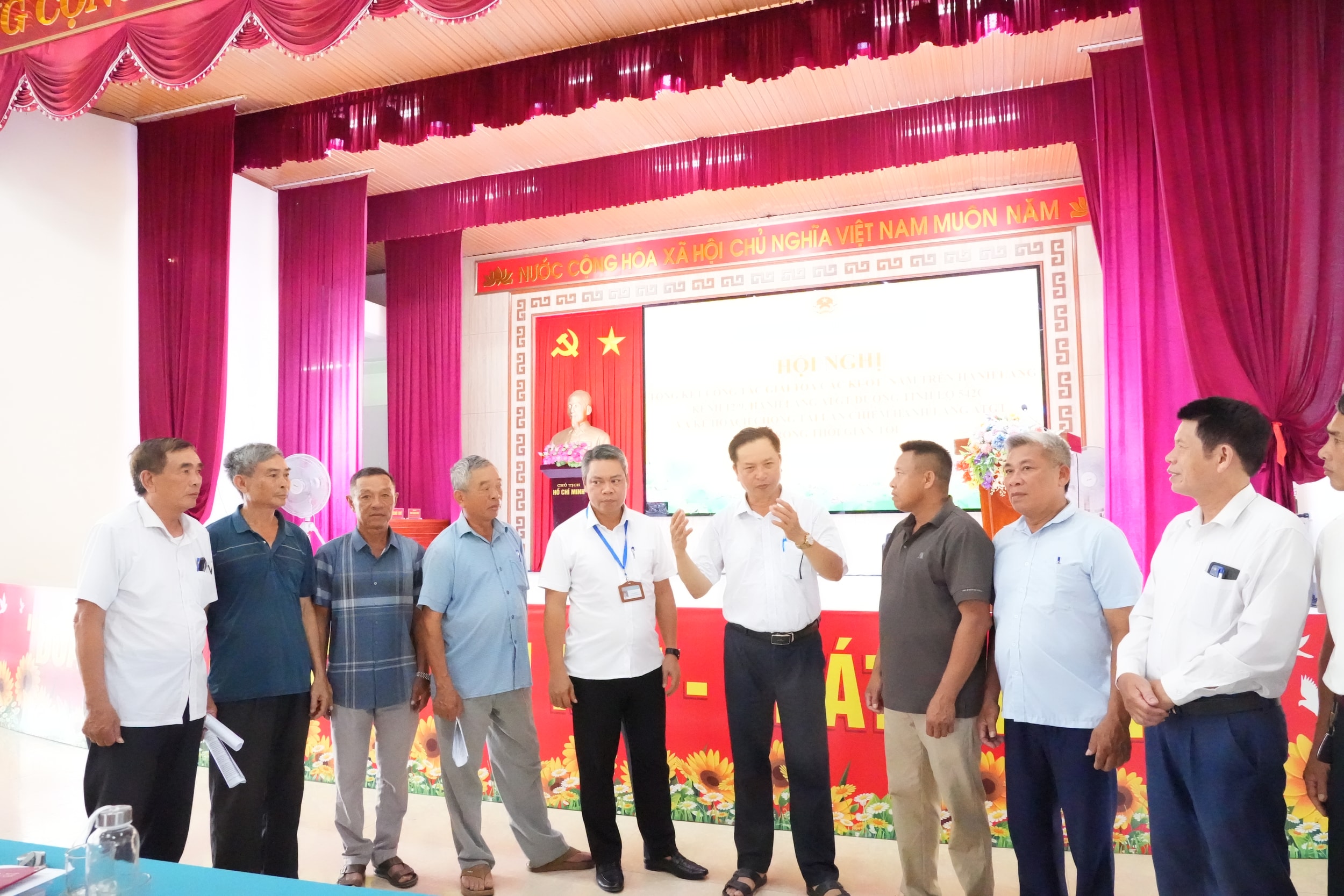
At the end of May 2026, we were present in Hung Nguyen Nam to attend the conference summarizing the work of clearing encroachments on the 12/9 canal corridor and Provincial Road 542C. The conference not only reviewed the results achieved after nearly three months of implementation but also provided an opportunity for the locality to share practical experiences in public relations work, creating consensus among the people for a task that was considered very difficult.
.png)
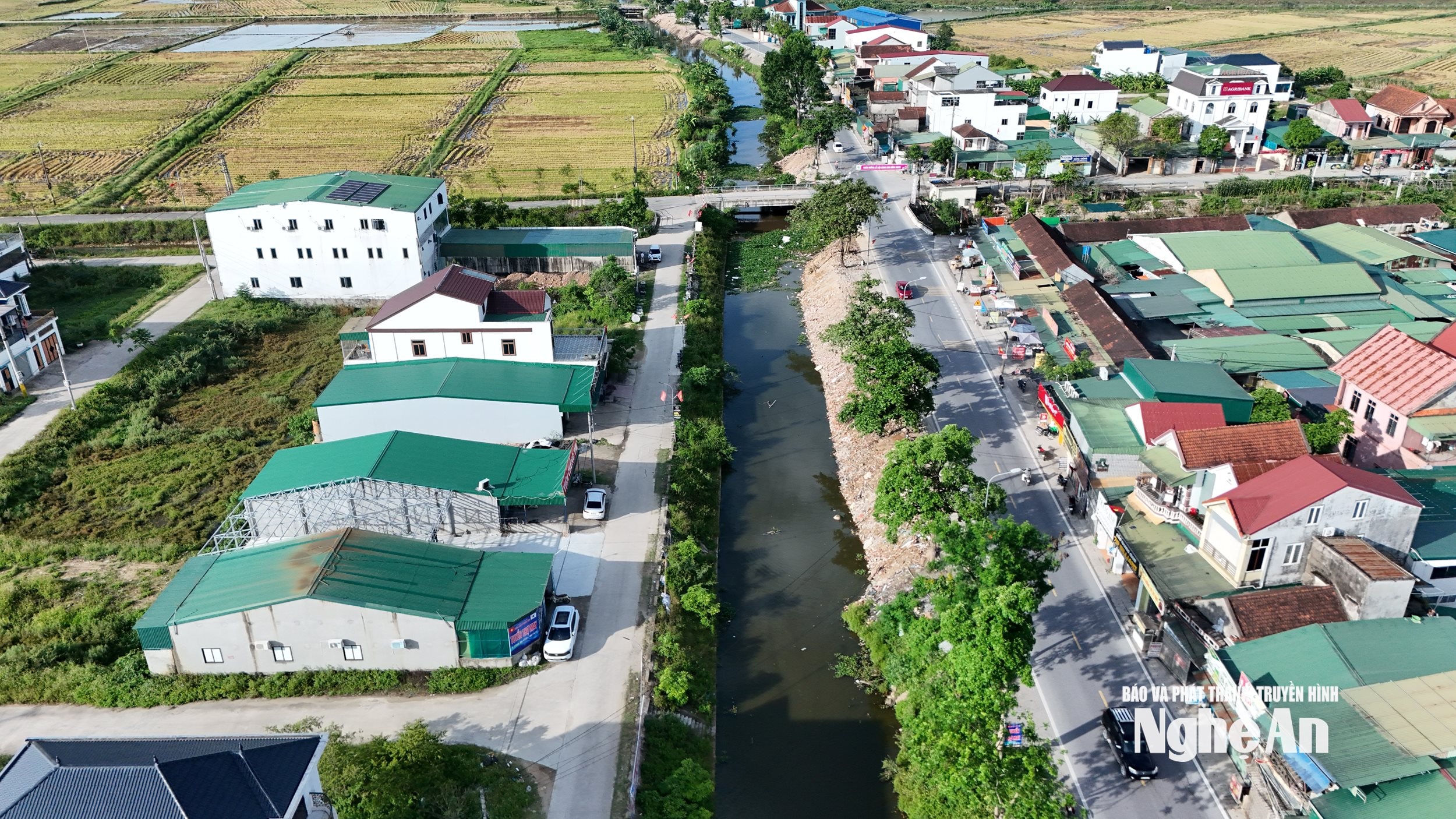
Leaving the auditorium, we headed to the 12/9 canal, a place that had been mentioned as a "hot spot" for encroachment on traffic lanes and irrigation works for many years. On the way to the area, the surprisingly clear and open landscape unfolded before our eyes. Without having witnessed the situation here many years ago, it would be difficult to imagine that along the canal there once existed 44 kiosks and many other solid structures built close together, encroaching on traffic lanes and irrigation works.
The violations began in the 1990s and have persisted through various periods. From small grocery stores, food stalls, and beverage shops set up temporarily, many structures have gradually been expanded and built with concrete, bricks, corrugated iron roofs, and iron frames. Many households have been living and conducting business on the encroached land for extended periods. The consequences are becoming increasingly evident. On Provincial Road 542C, kiosks narrow the road, obstruct visibility, and pose a potential traffic safety hazard. Regarding the 12/9 Canal, the direct discharge of waste and wastewater into the canal causes environmental pollution and affects management, maintenance, and drainage. This situation, which has lasted for many years, not only detracts from the rural landscape but also sets a bad precedent in land management and construction.
.jpg)
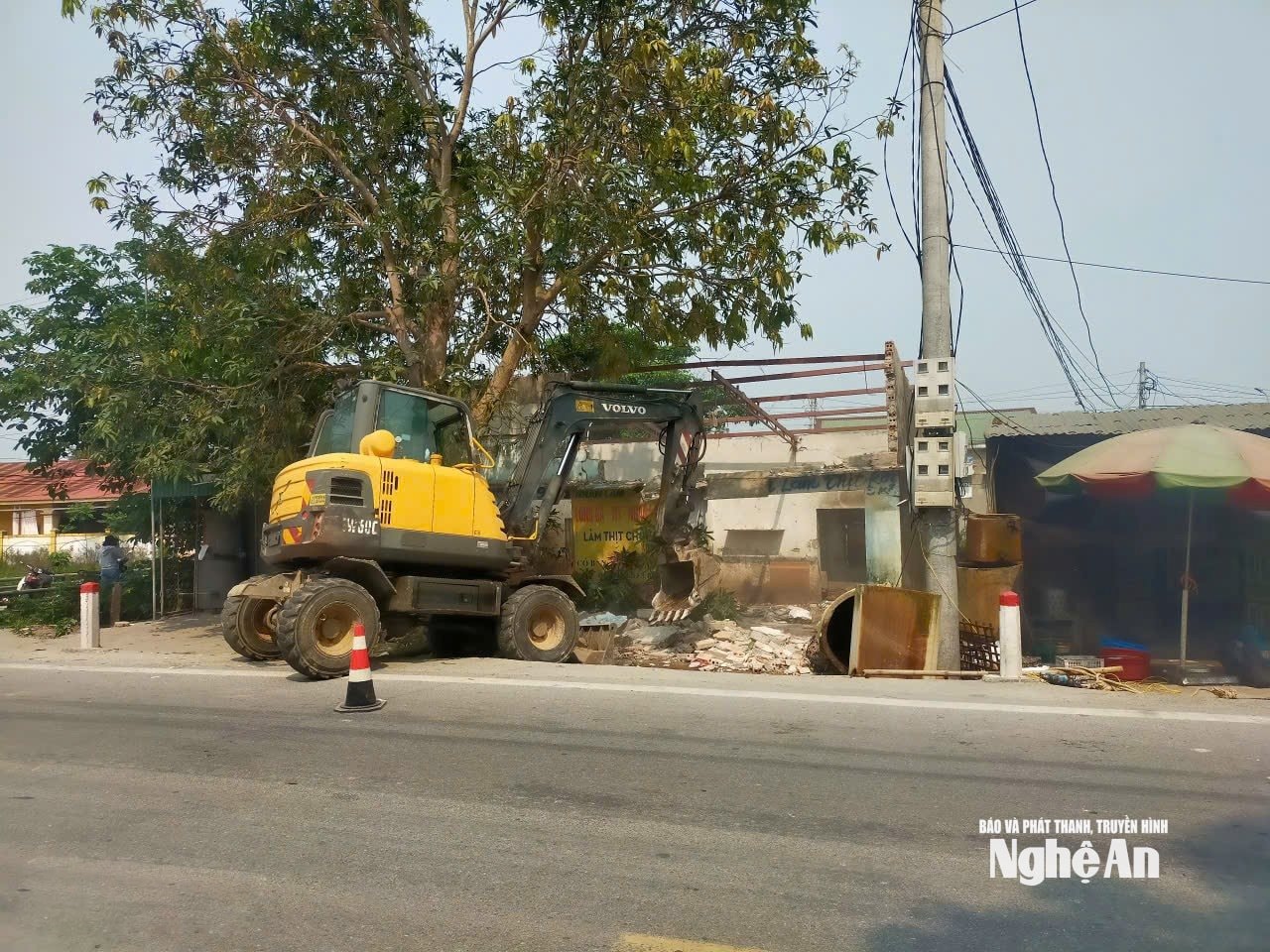
It is noteworthy that despite numerous reminders and persuasion efforts, resolving the issue completely has faced considerable difficulties due to its direct impact on the livelihoods of the households. Therefore, the successful clearance of all 44 kiosks by May 20, 2026, without resorting to forced eviction, is considered a remarkable achievement resulting from the government's determination and the people's consensus.
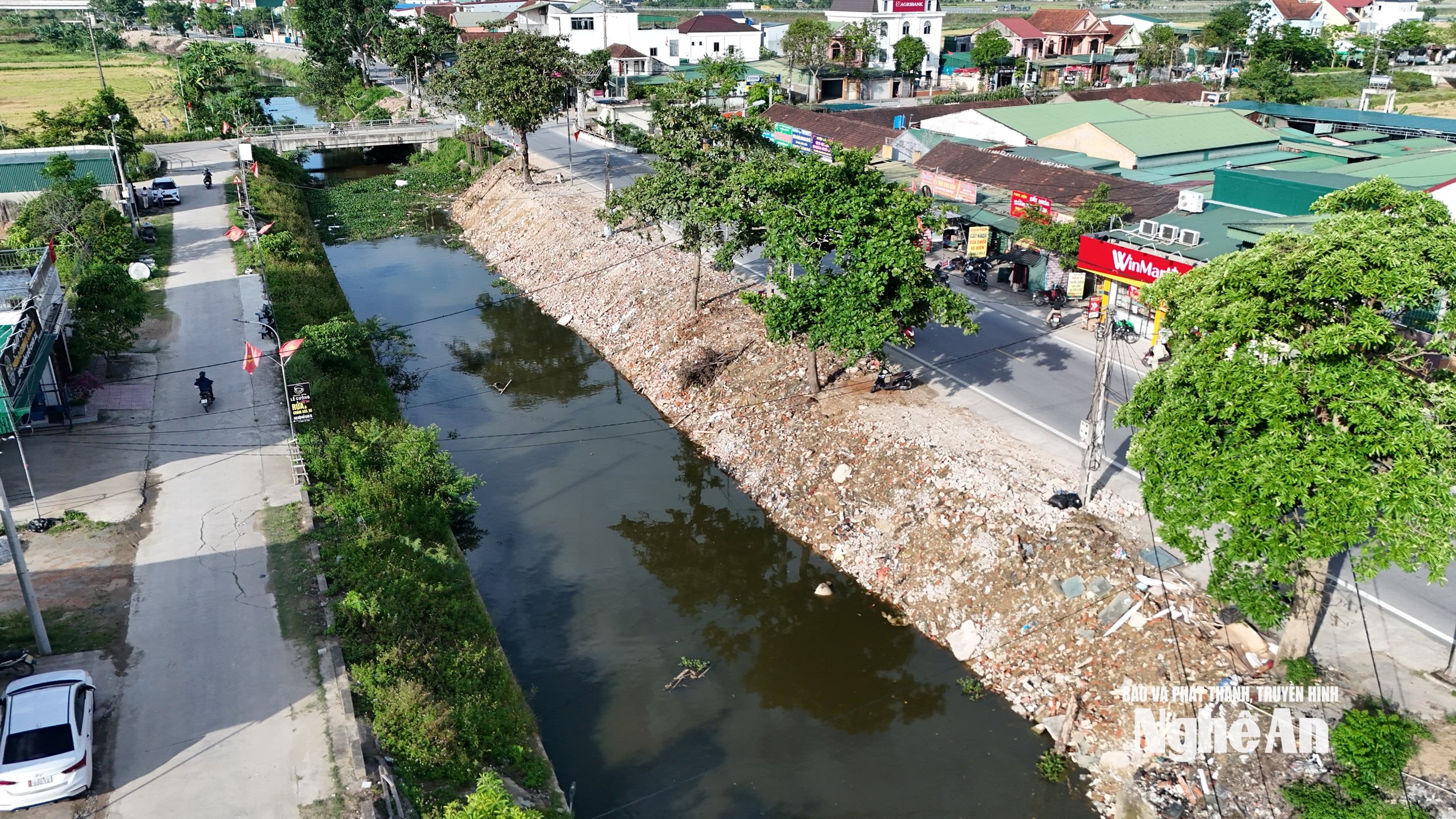
Now, the canal is clean and clear; the traffic corridor has been restored to its original state. The rows of kiosks that encroached on the canal's edge for decades are gone. The 12/9 Canal no longer has garbage clinging to its banks, and Provincial Road 542C is wider and safer for people and vehicles. This achievement is the result of a coordinated and decisive effort by the entire local political system.

The biggest challenge in the clearance process lies not in dismantling the structures, but in the fact that most of the kiosks have existed for decades, linked to the livelihoods of many families. Each household has a different situation, each structure has its own story, so to achieve absolute consensus, the local authorities must persistently persuade, listen, and resolve each specific obstacle.
The reality is that this is not a problem that can be solved overnight. In Hong Thai hamlet – where 13 out of 44 households have erected kiosks encroaching on the 12/9 canal's embankment – most of these structures have existed for over 40 years and are the livelihoods of many families.
Mr. Le Sy Le, head of Hong Thai hamlet, said:"Previously, the local authorities had repeatedly implemented policies to clear and relocate residents, but lacked widespread consensus, preventing a complete resolution. This time, thanks to the involvement of the entire political system, the people understood and complied with the policy. Thirteen out of 14 households voluntarily dismantled their structures ahead of schedule and were commended and rewarded; the remaining household also completed the handover of the land as planned.".
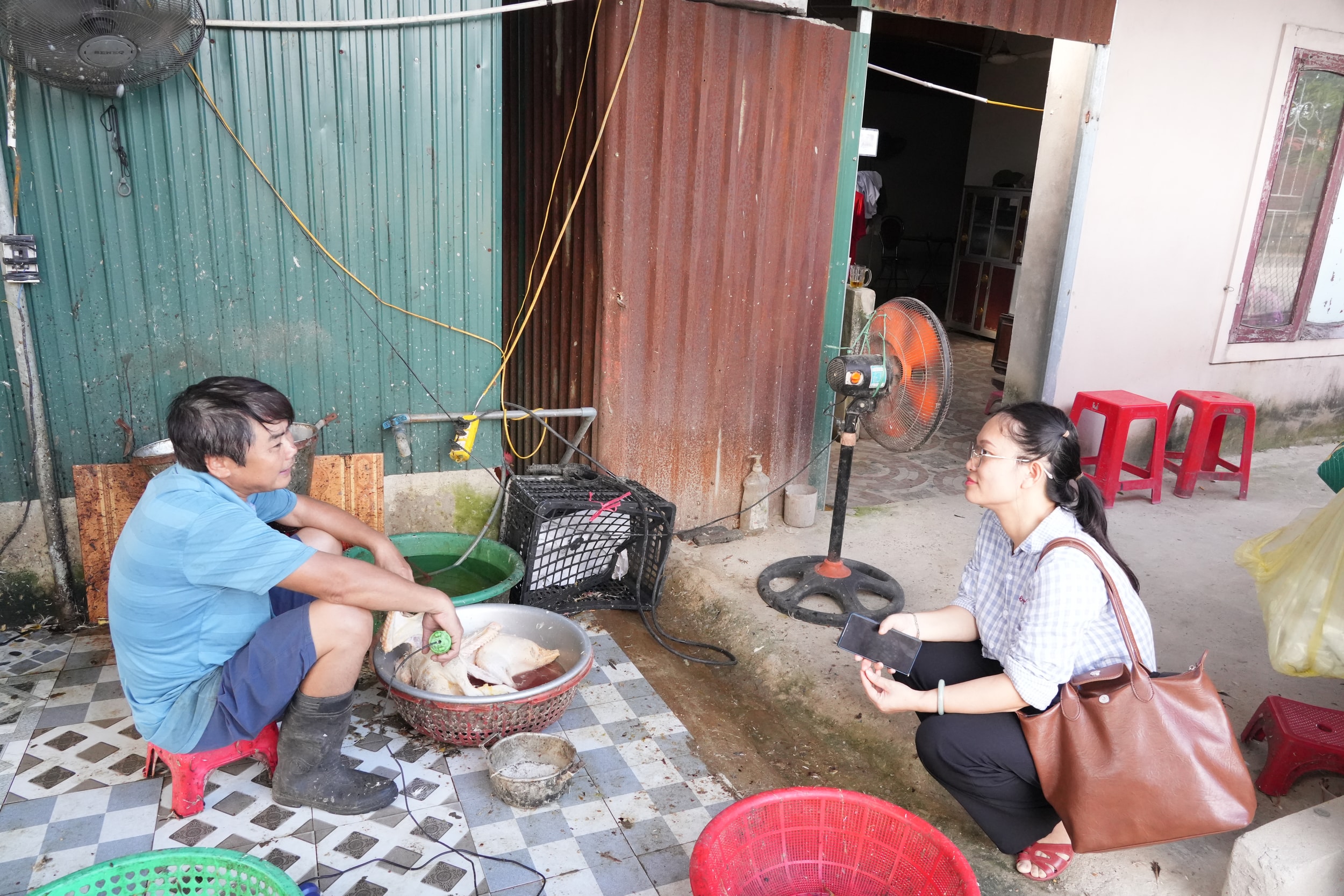
Among the 44 affected households, many are in difficult circumstances. Mr. Le Sy Tai has been running his kiosk by the canal since 1990. For over 35 years, from selling groceries to various other jobs, the kiosk has been his main source of income, helping him raise his children and support his family. Now, at nearly 60 years old, without a pension or stable job, the demolition means losing the familiar source of income he has relied on for so many years.
Similarly, the family of Mr. Nguyen Hong Thang in Hong Thai hamlet is also deeply concerned about the demolition plan. Both husband and wife are war invalids with declining health, and their lives mainly depend on their disability allowance and income from a kiosk of about 18 square meters built by the canal more than 40 years ago. In recent years, no longer able to work, he rents it out for about 1 million dong per month to supplement their income in their old age. Therefore, the demolition of the kiosk also means the family will lose a significant source of income.
These are not just the two cases mentioned above; behind each kiosk lies a story of livelihood, of the everyday calculations and worries of the people. Therefore, to encourage people to voluntarily hand over the land, the first thing that needs to be addressed is not the construction projects themselves, but the concerns and anxieties within each family.
.jpg)
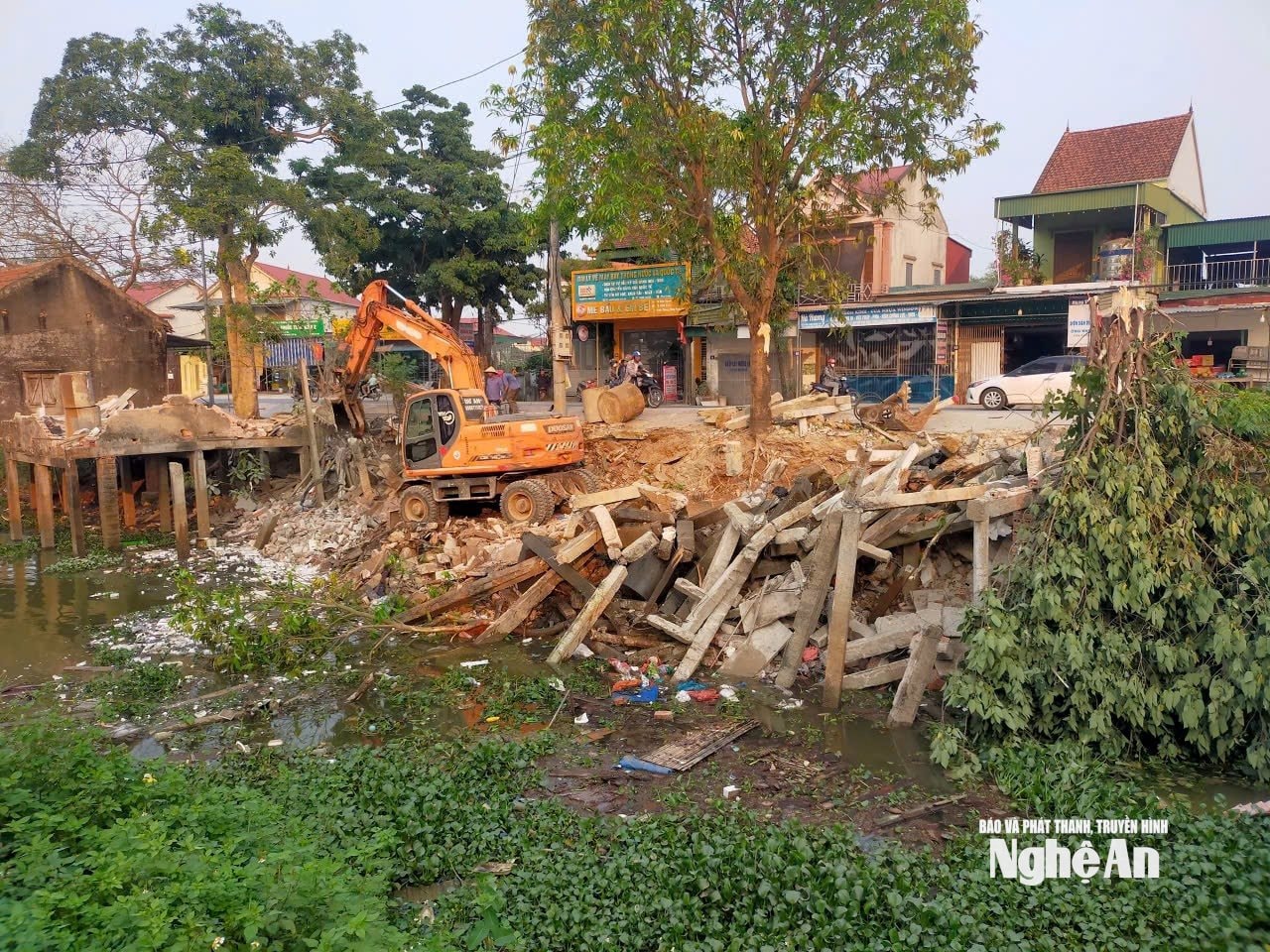
However, after numerous dialogues, awareness campaigns, and explanations, the people gradually realized the long-term benefits of returning the traffic corridor and irrigation works. From their initial hesitation, many households proactively dismantled their structures and handed over the land ahead of schedule.
"This kiosk has been with my family for over 40 years, and dismantling it now is regrettable and a loss of income. But thinking about the common good—wider roads, cleaner canals, and more convenient transportation—my family completely agrees. We support anything that benefits the local community and the people."
Mr. Nguyen Hong Thang expressed
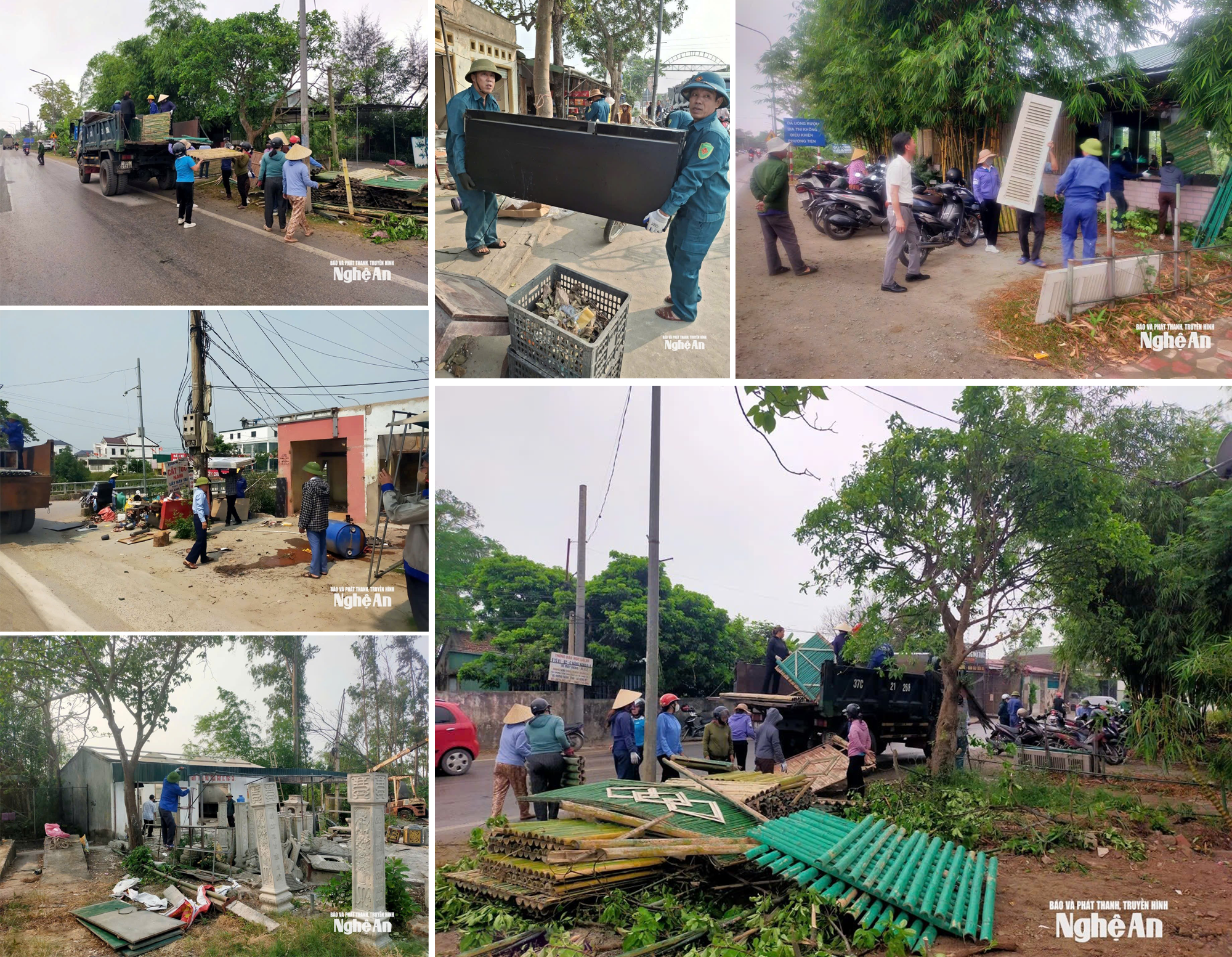
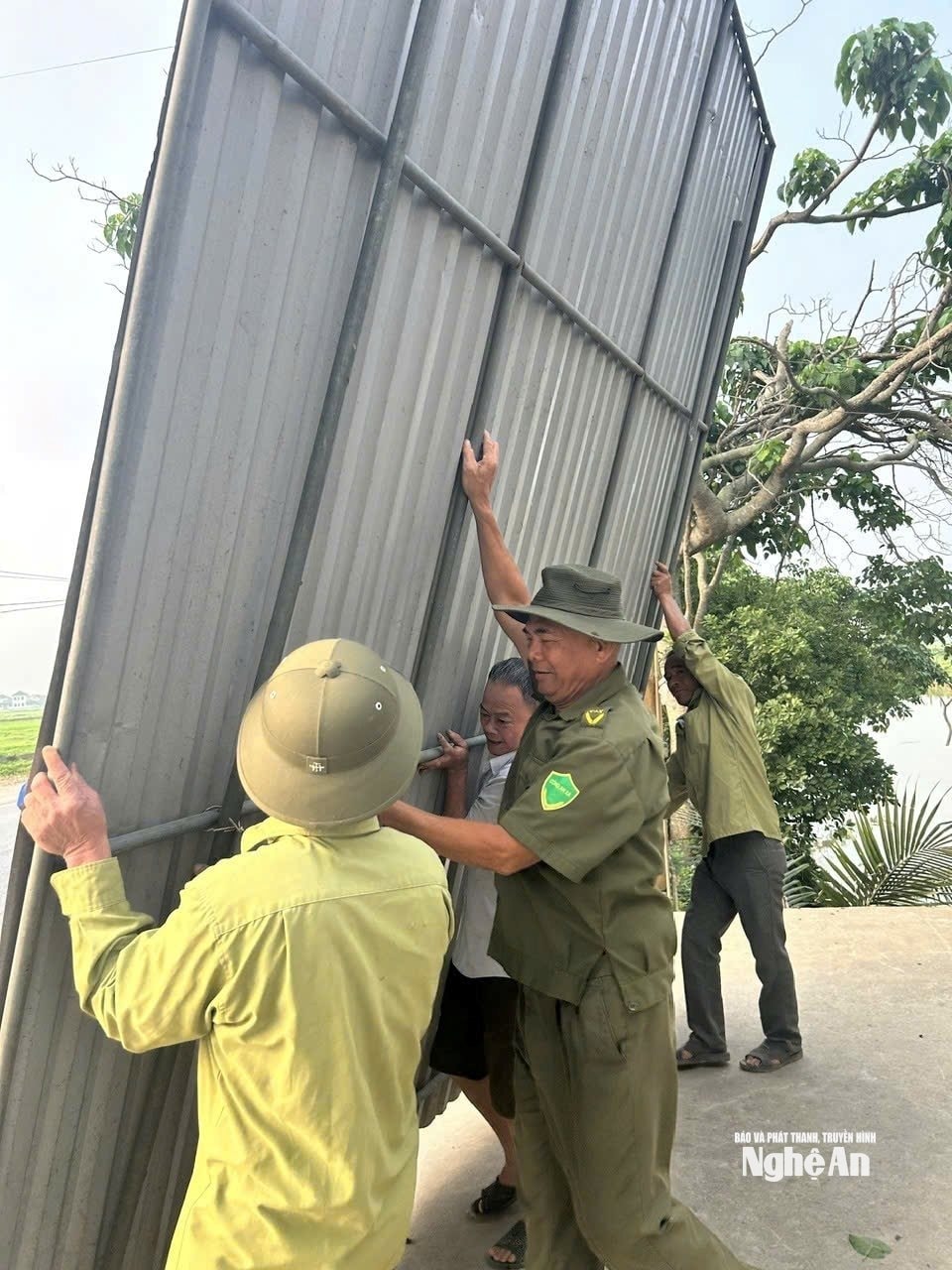
To achieve this transformation, the authorities not only campaigned with reason but also worked alongside the people throughout the implementation process. Police, militia, and youth union members directly assisted in dismantling, transporting materials, and clearing the site, helping households reduce difficulties and expenses. This sharing of resources contributed to building trust and ensuring the local government's policy received widespread support.
In Hong Linh hamlet, Ms. Le Thi Than's case was the most perplexing for the task force. Her husband left long ago, leaving her to raise her children alone. Without land or a stable home, she and her children had been living on encroached land along the canal for decades. Therefore, upon hearing about the relocation, her biggest worry wasn't losing her business, but rather where she would live. Understanding her situation, local officials chose a more persistent approach rather than resorting to pressure. After numerous meetings, discussions, and explanations, Ms. Than gradually understood the general policy and voluntarily handed over the land. The fact that one of the most disadvantaged households complied with the policy also created a ripple effect, contributing to strengthening trust and consensus within the community.

Hung Nguyen Nam's success is not a matter of chance, but the result of meticulous preparation and systematic implementation involving the entire political system. Immediately after the issuance of Plan No. 58/KH-UBND dated March 16, 2026, the commune established a steering committee and specialized working groups, assigning specific tasks according to the principle of "clear responsibilities, clear tasks, clear timelines, and clear objectives." Along with reviewing the current situation, the local authorities continuously organized meetings and direct dialogues with the people to disseminate information, explain issues, and resolve problems.
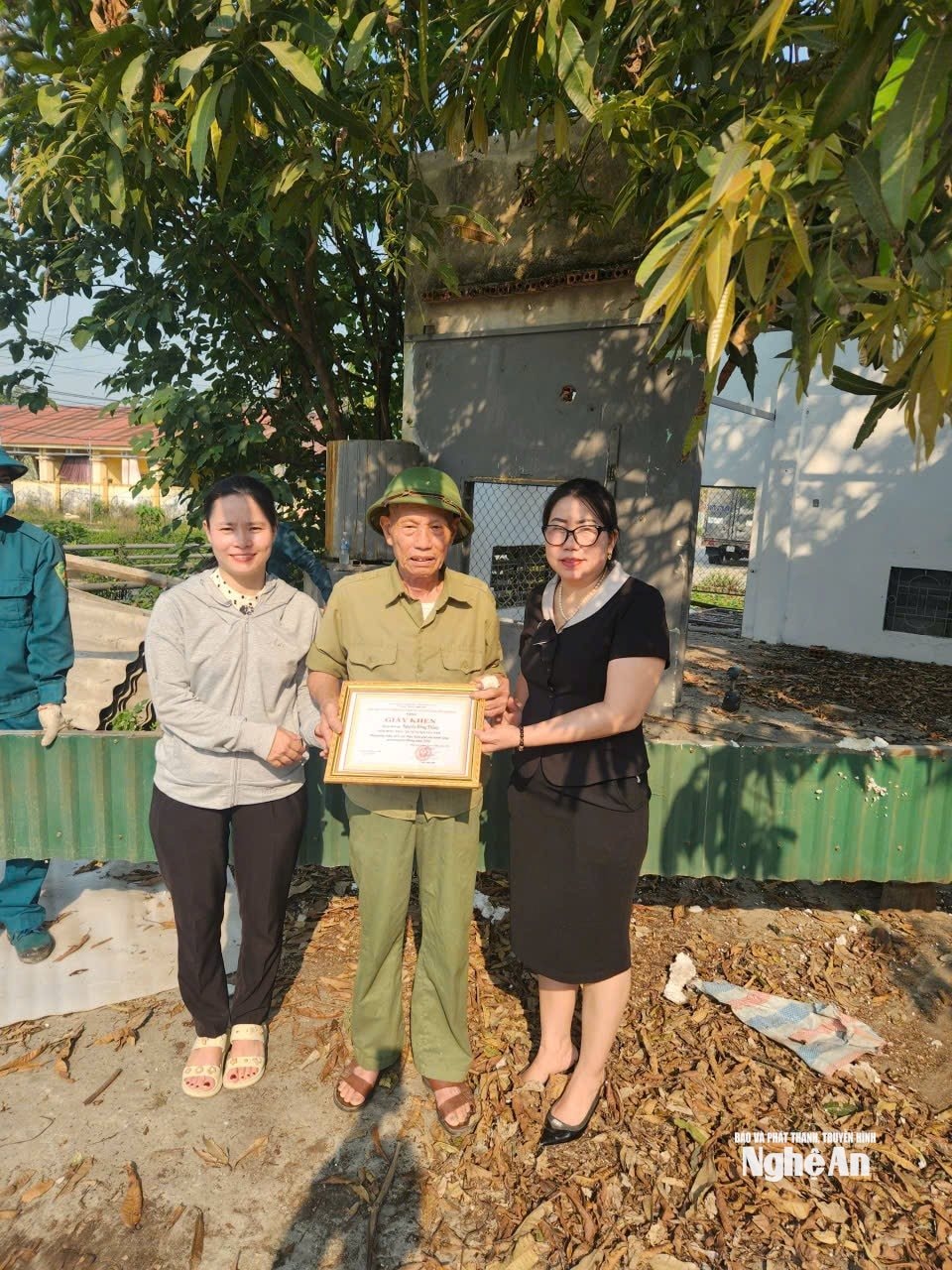
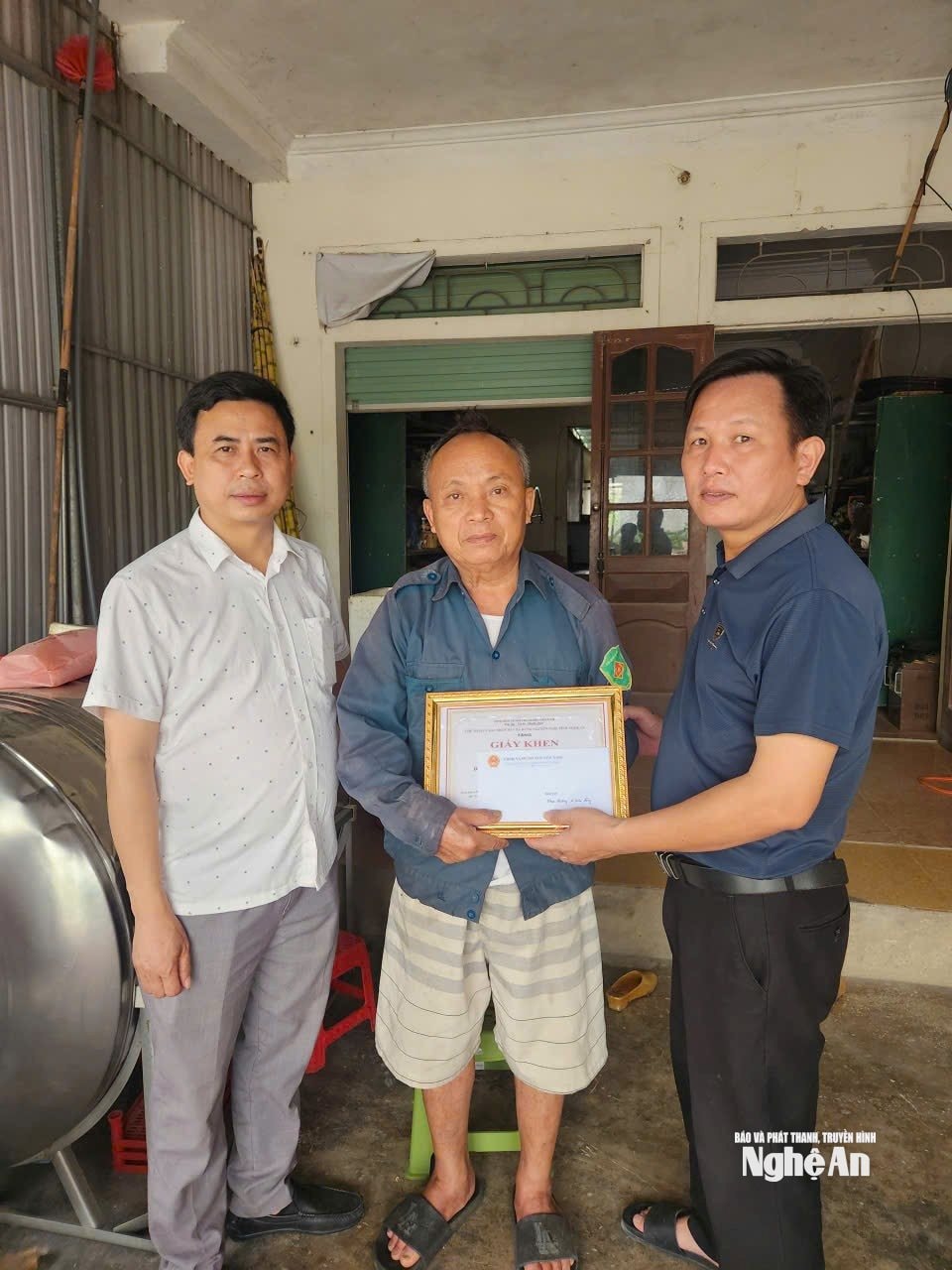
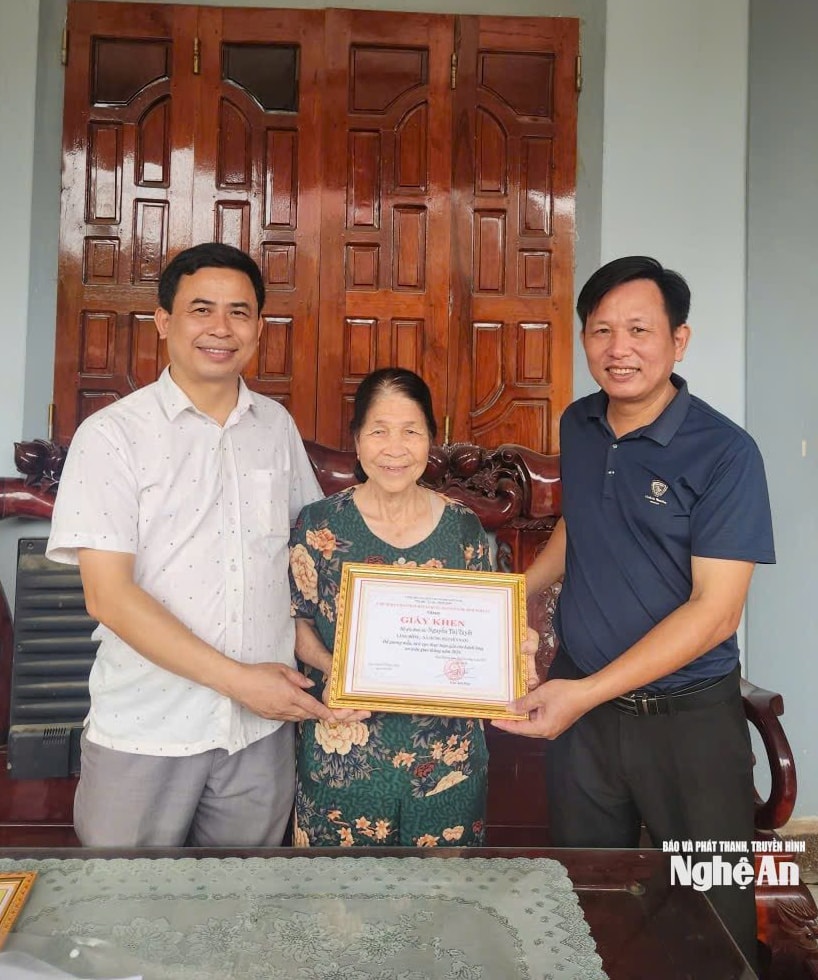
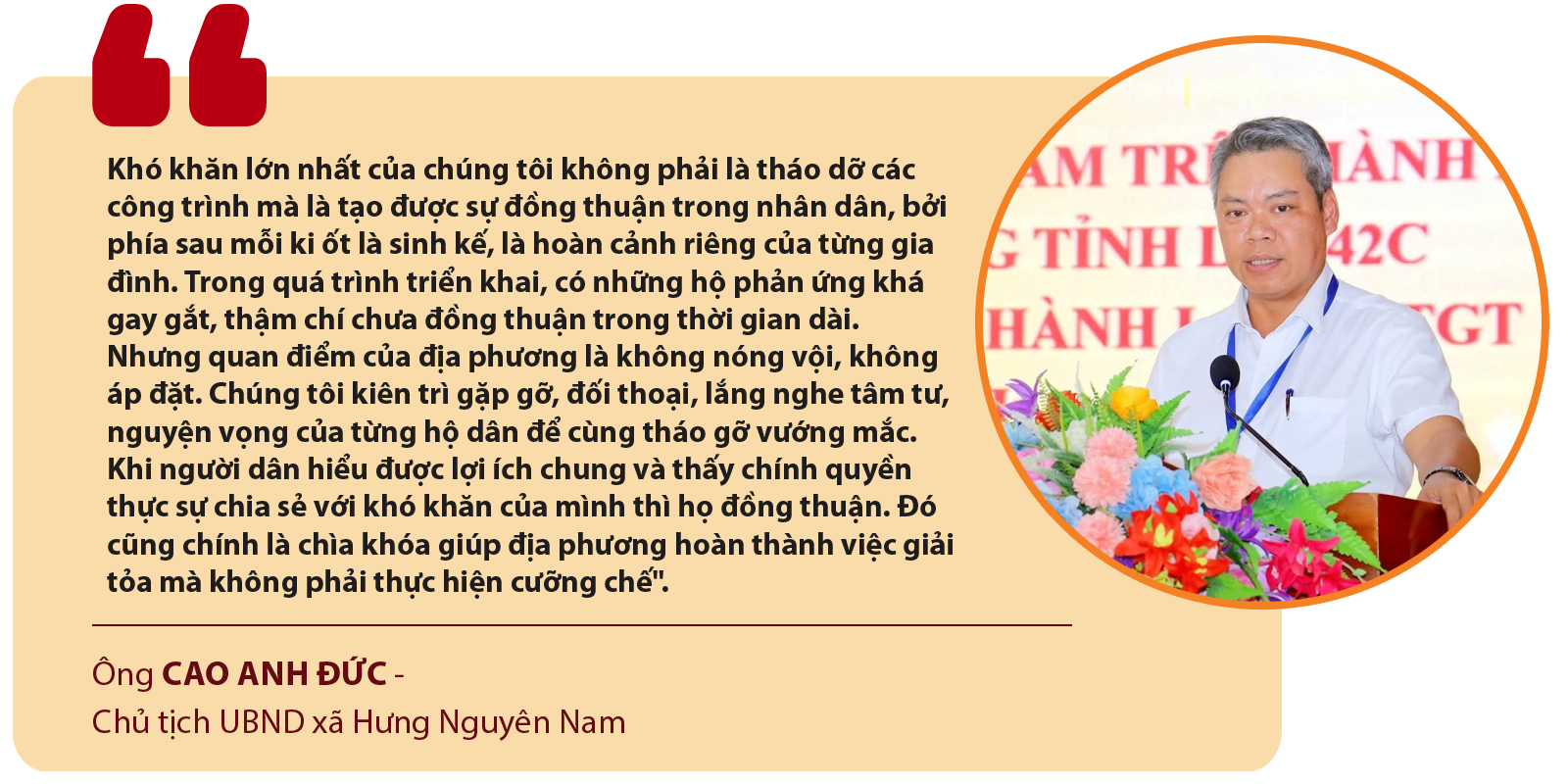
In particular, the large-scale dialogue held on April 8, 2026, for households still having concerns became a crucial turning point. Here, all opinions, concerns, and aspirations of the people were listened to and addressed based on legal regulations. This openness, transparency, and willingness to listen helped many households change their perceptions.
To further motivate people to implement the general policy, the commune issued a support policy for households that voluntarily dismantled their structures before the deadline, while also promptly rewarding and commending exemplary cases. More importantly, the local authorities mobilized forces to directly support the dismantling, transportation of assets, and site cleanup. The image of officials working alongside residents under the scorching sun has helped to bridge the gap between the government and the people.
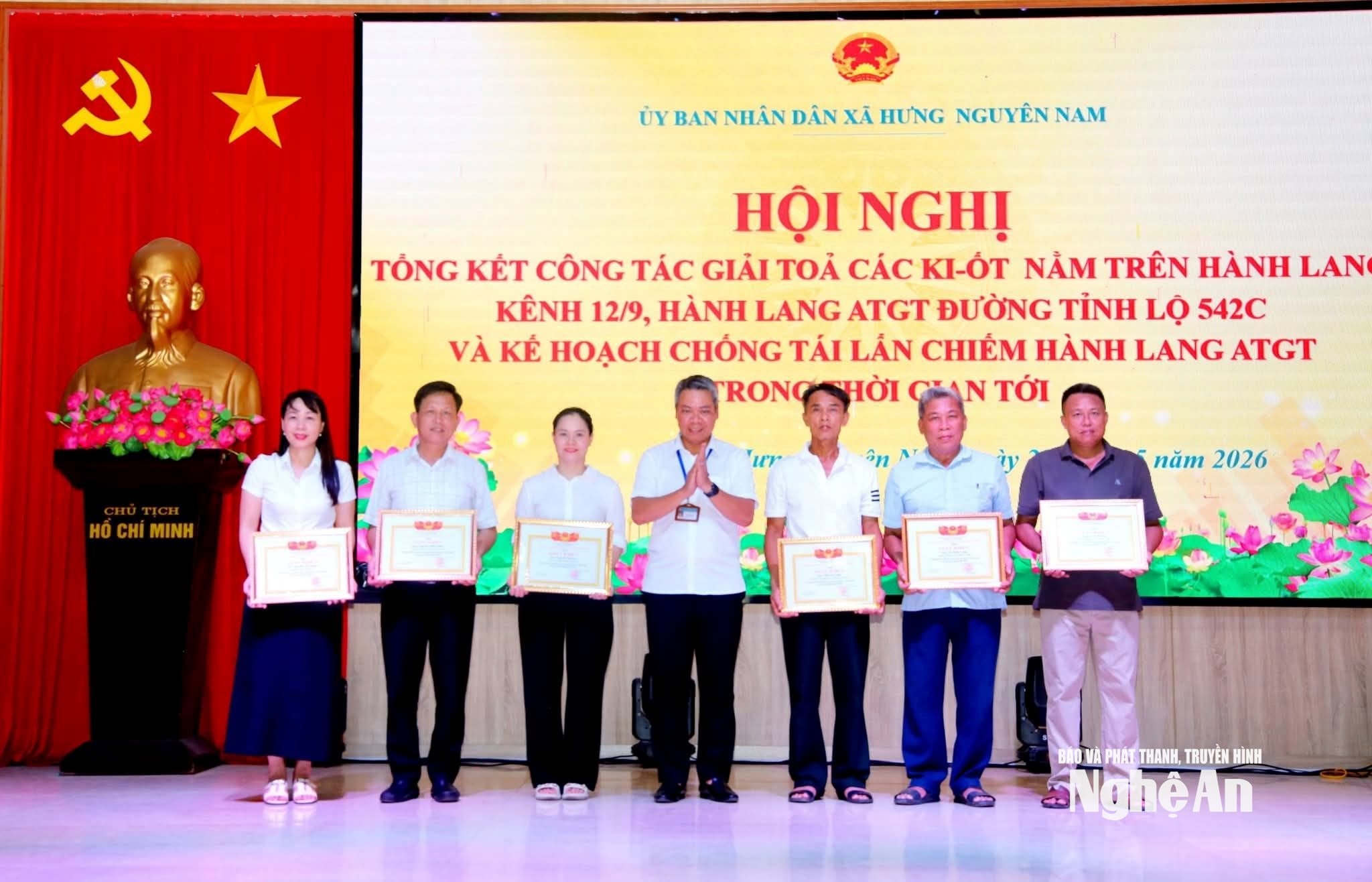
Even in the most difficult cases, the commune persistently persuaded people through relatives and respected community members, absolutely avoiding coercive measures. This flexible yet resolute approach helped the locality achieve its goals.
Following the clearance, Hung Nguyen Nam continues to implement solutions to prevent re-encroachment. The corridor boundaries are clearly marked, and inspection and monitoring are intensified. At the same time, the locality is proposing to expand Provincial Road 542C and invest in infrastructure improvements, creating long-term development momentum for the area.
Hung Nguyen Nam's success has also been highly appreciated by specialized agencies. Speaking at the summary conference evaluating the results achieved, Mr. Phan Huy Chuong - former Deputy Head of the Traffic Safety Committee of Nghe An province - said that Hung Nguyen Nam's successful removal of 44 kiosks encroaching on traffic corridors and irrigation works without resorting to coercive measures is a very commendable achievement.
"The most valuable aspect is not only that the locality has definitively resolved a long-standing issue spanning decades, but also that it has achieved this through consensus among the people. This is a very difficult problem because the illegal constructions have existed for a long time, affecting the livelihoods of many households. Without the determination of the entire political system and appropriate public relations methods, it would have been very difficult to achieve the results we see today."
Mr. Phan Huy Chuong commented
According to Mr. Chuong, the highlight of Hung Nguyen Nam's approach is the development of a specific roadmap, the clear assignment of responsibilities to each force, and the persistent dialogue and persuasion to ensure that people understand and voluntarily comply. "The locality has harmoniously combined firmness in law enforcement with flexibility and humanity in public relations work. This is a valuable experience for many localities to learn from when dealing with long-standing violations," Mr. Chuong emphasized.
According to representatives of the former Provincial Traffic Safety Board, after the clearance, the locality needs to continue strengthening management, preventing re-encroachment from the outset, and at the same time accelerate plans for infrastructure improvement and upgrading to maximize the effectiveness of the cleared land, thereby consolidating people's trust in the local government's policies.
It can be said that the greatest achievement of Hung Nguyen Nam is not just the successful demolition of 44 kiosks or the restoration of unobstructed access to the 12/9 canal. More importantly, it is the consensus of the people and the strengthened trust between the government and the people. From a problem that had existed for decades, the locality found a solution by engaging with the people, understanding their needs, and working for their benefit. This is also a valuable lesson for many localities when dealing with complex issues related to land clearance and the management of public works corridors.
Thanh Phuc - Hoai Thu