

ASUS launches ProArt P16 and P14: Powered by NVIDIA RTX Spark chips and 128GB of storage.
ASUS has just unveiled the ProArt P16 and P14 laptops at Computex 2026, marking a new era of AI PCs with NVIDIA RTX Spark chips and the ability to process 120 billion parameter programming languages.
At the Computex 2026 technology exhibition in Taipei, ASUS officially introduced its next generation of laptops specifically designed for content creators: the ProArt P16 and ProArt P14. The biggest highlight of this year's product line is the integration of the NVIDIA RTX Spark platform, a hardware architecture designed to break down memory and computing performance barriers in the era of artificial intelligence (AI).
NVIDIA RTX Spark Architecture: A Game-Changing Unified Memory Solution
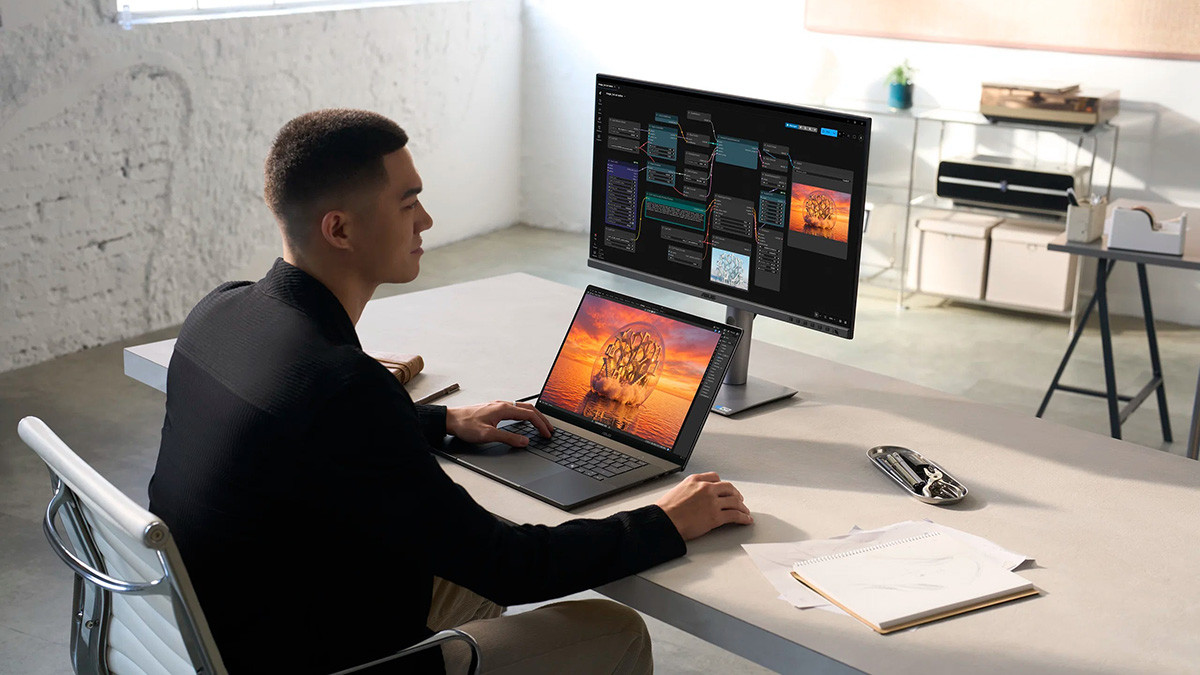
RTX Spark is Nvidia's latest hardware solution, combining a 20-core Nvidia Grace CPU and RTX GPUs based on the Blackwell architecture. This system utilizes NVLink-C2C connectivity technology, allowing the CPU and GPU to share a single high-speed bandwidth. The breakthrough lies in its ability to support up to 128GB of Unified Memory, a feature rarely seen in traditional Windows laptops.
The use of unified memory allows the system to flexibly allocate large amounts of RAM to the GPU as needed. This is especially important for AI developers and data engineers who need to run large language models (LLMs) directly on-devices instead of relying entirely on cloud computing infrastructure.
Real-world performance and optimization from the software ecosystem.
According to the manufacturer, the powerful configuration of the ProArt P16 and P14 allows the machine to smoothly process LLM models with up to 120 billion parameters and a context window of 1 million tokens. For professional graphics tasks, the device is capable of editing 12K resolution video, rendering 3D scenes with up to 90GB of storage, and processing 4K AI video on-site.
Notably, Adobe is currently optimizing top-of-the-line software like Photoshop and Premiere Pro to fully exploit the power of the RTX Spark architecture. ASUS expects this combination of hardware and software to double performance in AI and graphics-intensive tasks compared to the previous generation.
| Parameter | ASUS ProArt P16 | ASUS ProArt P14 |
|---|---|---|
| Microprocessors | NVIDIA RTX Spark (20-core Grace CPU) | NVIDIA RTX Spark (20-core Grace CPU) |
| Unified memory | Up to 128GB | Up to 128GB |
| Screen | 16-inch OLED 4K, 120Hz | 14-inch 3K OLED |
| Maximum brightness | 1,600 nits | 1,600 nits |
| Battery | 99.9 Wh | 99.9 Wh |
Exquisite design and Lumina Pro OLED display.
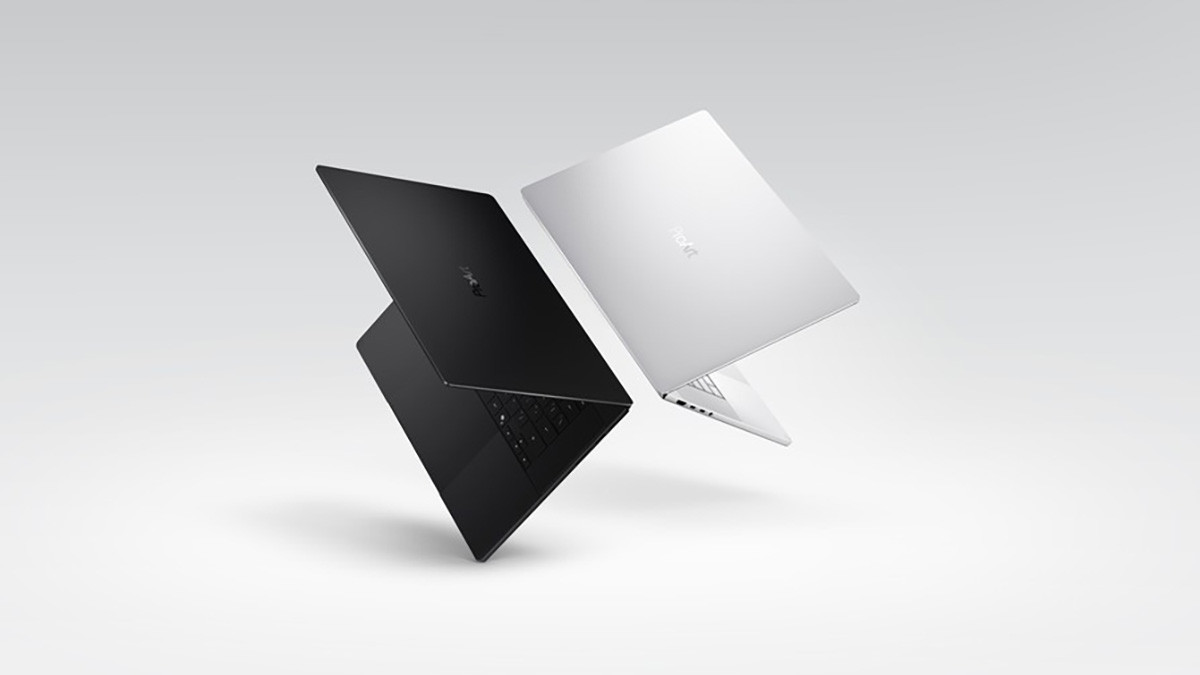
In terms of appearance, both versions feature a sturdy CNC-machined chassis with two color options: Black and White (Neo White). ASUS has strived to improve portability, with the P16 now being 13% thinner and 16% lighter than its predecessor, making it easier for users to carry the device when working outside.
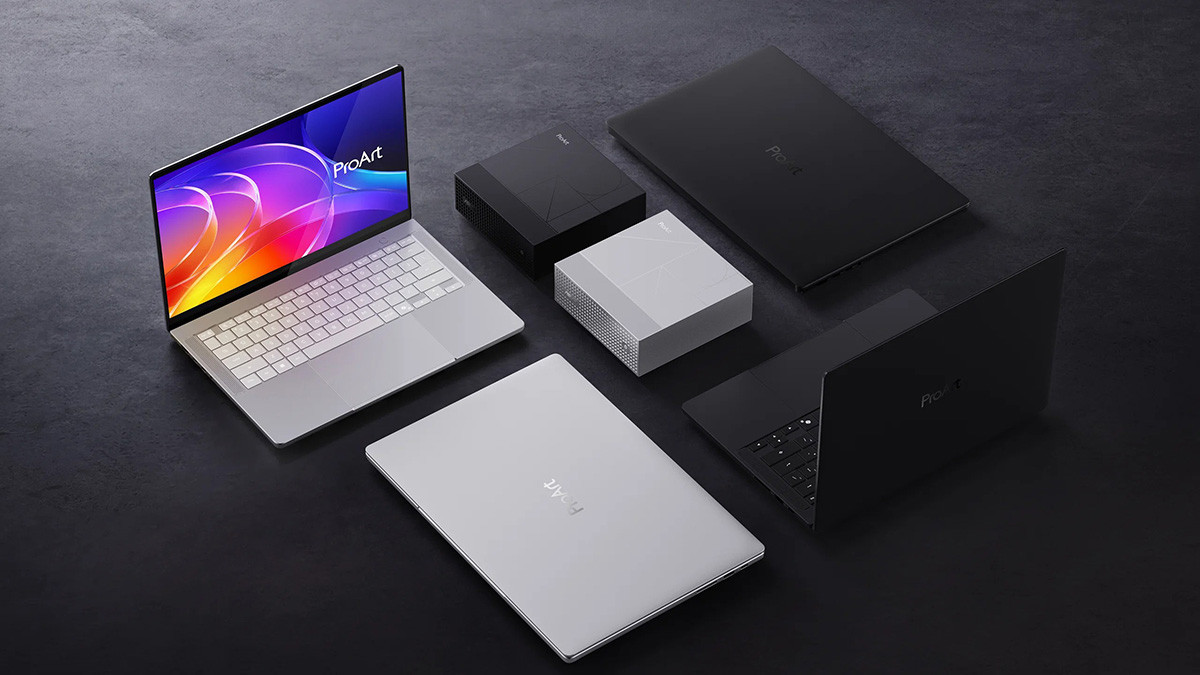
Display quality is also a major plus with the Lumina Pro OLED panel. This screen features an anti-reflective coating, supports Nvidia G-Sync technology on the 16-inch version, and reaches a maximum brightness of 1,600 nits. To ensure continuous working time, ASUS equips it with a battery with a maximum capacity of 99.9 Wh – the largest capacity allowed on airplanes.

Although official pricing hasn't been announced yet, experts predict that the ProArt P16 and P14 will be in the top-of-the-line segment when they go on sale at the end of 2026. They will be direct competitors to existing high-performance workstations and specialized laptops on the market.