

Proud to be an O Du - the smallest ethnic group in Vietnam.
These days, the joy is doubled for the O Du people as the New Year's Thunder Ceremony has been recognized as a National Intangible Cultural Heritage, and Van Mon village celebrates its 20th anniversary.
Throughout his life, President Ho Chi Minh always held special affection for the ethnic minority communities. He once instructed: "The Kinh, Tho, Muong, Man, Gia Rai, Ede, Sedang, Bana, and other ethnic minorities are all descendants of Vietnam, all brothers and sisters." This sacred teaching not only affirms the spirit of national unity but also serves as encouragement and a source of faith for these ethnic groups to work together to preserve their identity, build their homeland, and contribute to the overall development of the country.
ForO Du people- one of the ethnic groups with the smallest population in Vietnam - that pride is further amplified today as traditional cultural values are cared for, preserved, and honored. In particular, the O Du ethnic group's New Year's Thunder Ceremony has been inscribed on the National List of Intangible Cultural Heritage.
This is not only a recognition of a unique ritual deeply rooted in national identity, but also an affirmation that the values preserved by our ancestors through generations are still cherished and continue to spread in contemporary life.
My family has lived for generations in Ma village, Kim Tien commune, Tuong Duong district (formerly). The area surrounding our home is mainly inhabited by the Thai and Khmu ethnic groups. From a young age, my grandparents and parents reminded me that no matter where I went, I must never forget that I am an O Du person. There were periods when our ethnic group was reduced to very few households, and our language, customs, and many traditional cultural values faced the risk of disappearing.
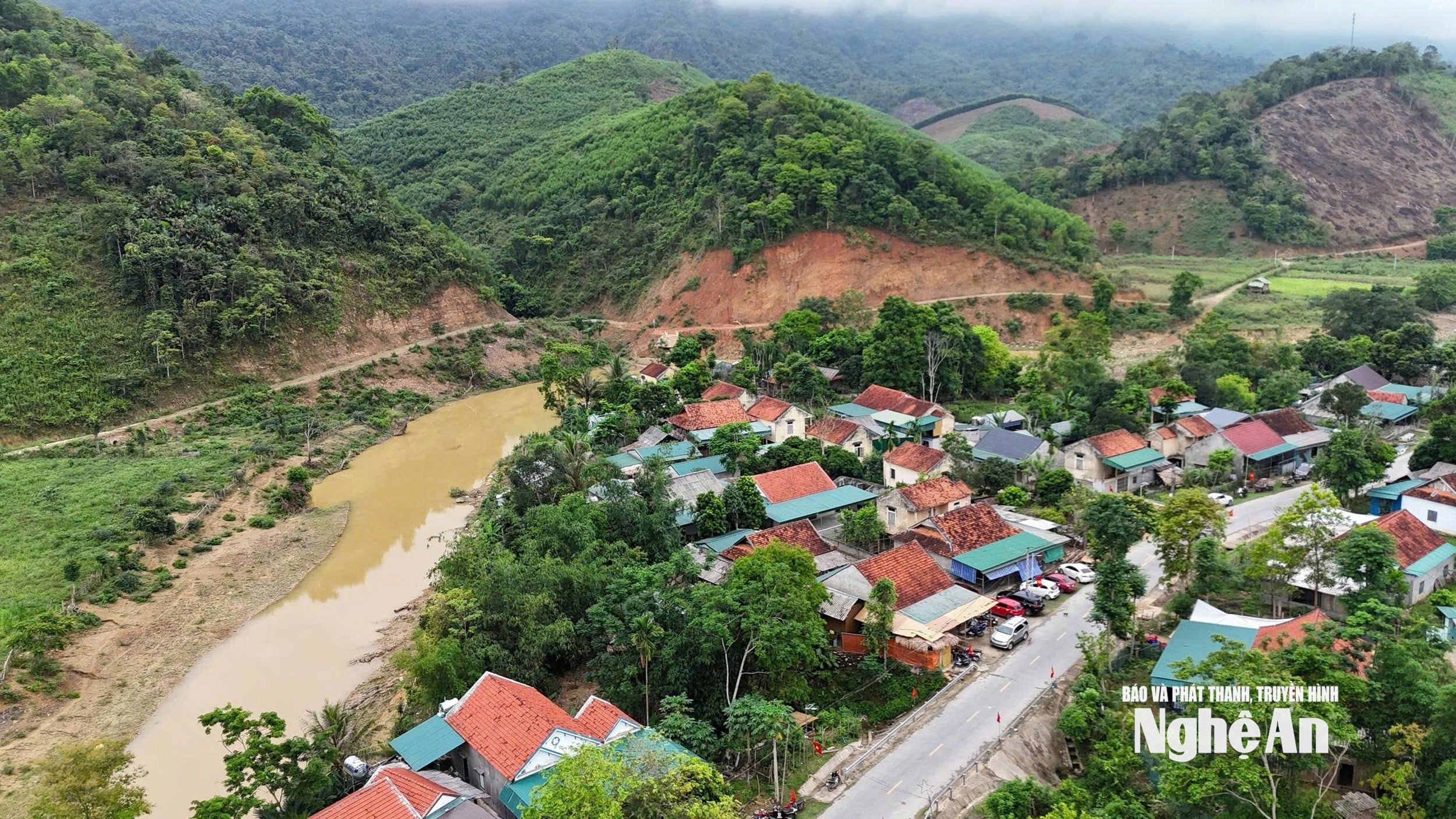
When I was four years old, my family, along with many other households, left our old village to make way for the Ban Ve Hydroelectric Power Plant. More than 70 O Du ethnic minority households, scattered along the upper reaches of the Nam Non River from the communes of Kim Da, Huu Duong, Kim Tien, etc., were relocated to Van Mon village.
For many, it was a poignant farewell to their birthplace. But for the O Du people, it was also a special turning point. For the first time, they were able to gather into a large community on the same land. From here, the O Du language was spoken more frequently in the villages, and traditional customs and practices had the opportunity to be preserved, restored, and passed on to the younger generation.
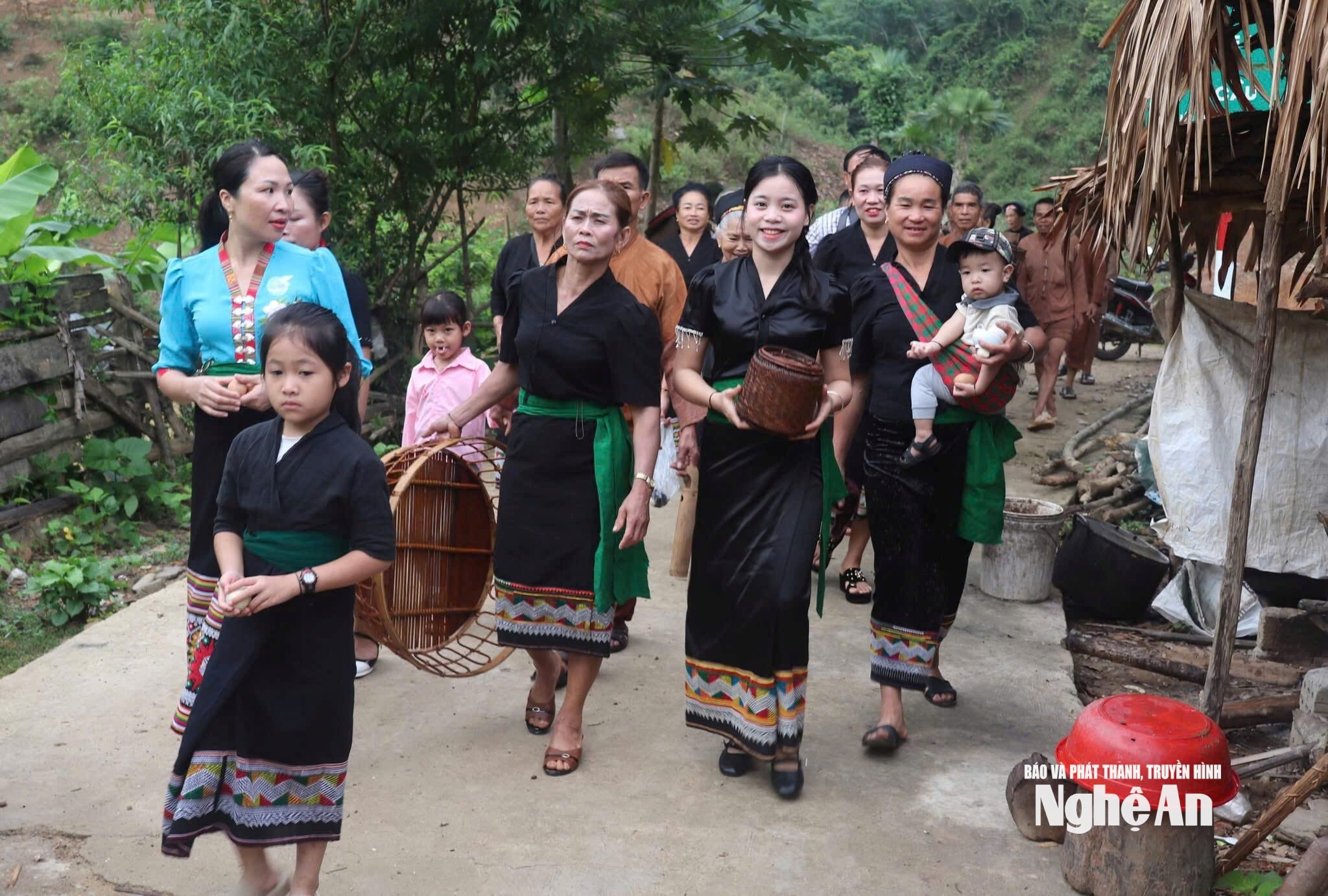
This year also marks the 20th anniversary of the establishment of Van Mon village since its residents left their old homes to settle here. Twenty years is not a very long time in the history of a community, but it is enough to witness profound changes in this land. From the simple houses in the early days of resettlement, today, the village has taken on a new appearance. Roads have been widened, schools and cultural centers have been built in a modern style, and the material and spiritual lives of the people have improved significantly.
Throughout this journey, the Party, the State, and all levels of government have always been there to support and care for the people. Many programs and policies supporting infrastructure, education, healthcare, livelihoods, and cultural preservation have been implemented, contributing to creating conditions for the O Du people to stabilize their lives, develop their economy, and preserve the precious traditional values of their ethnic group.
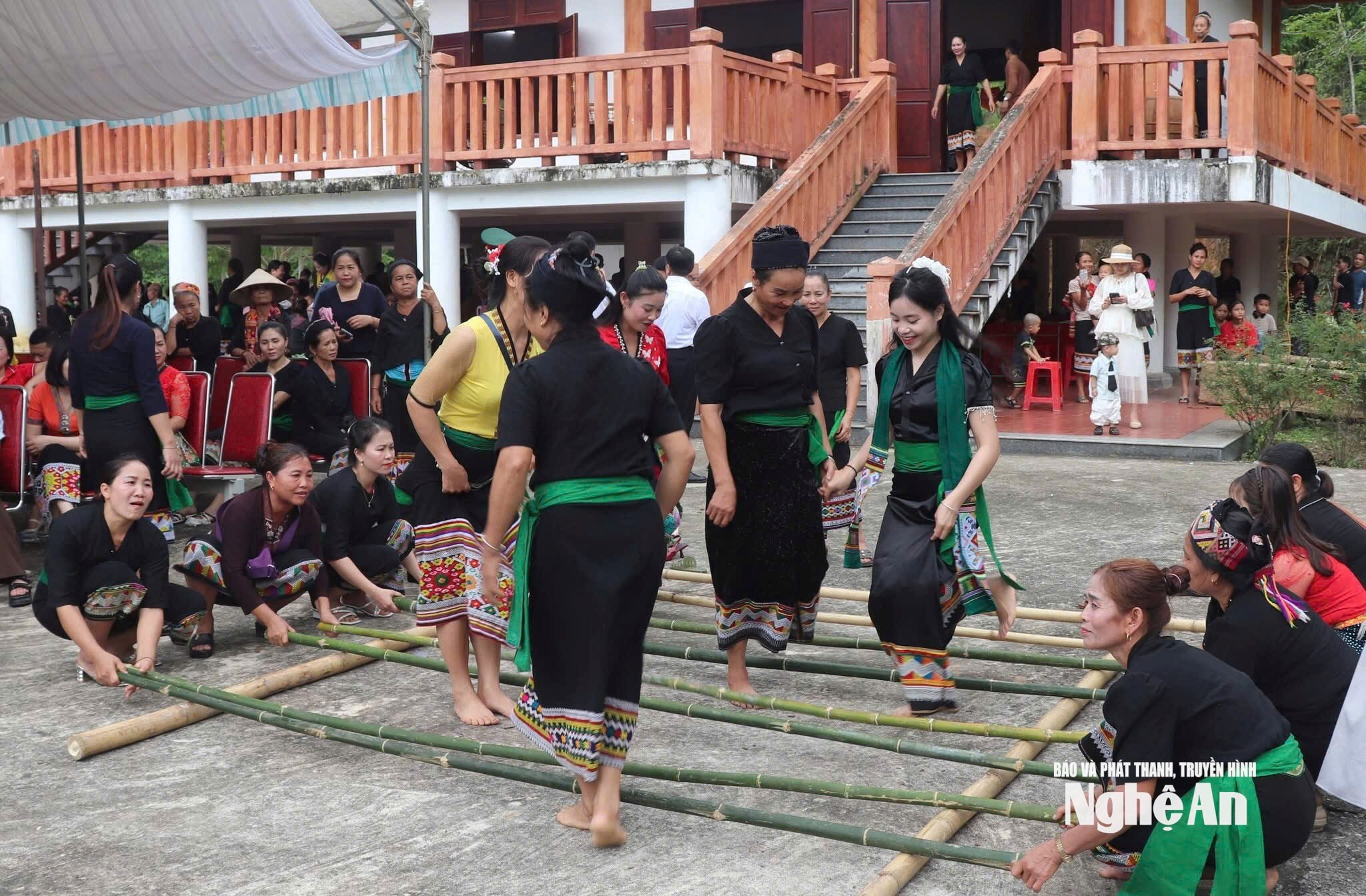
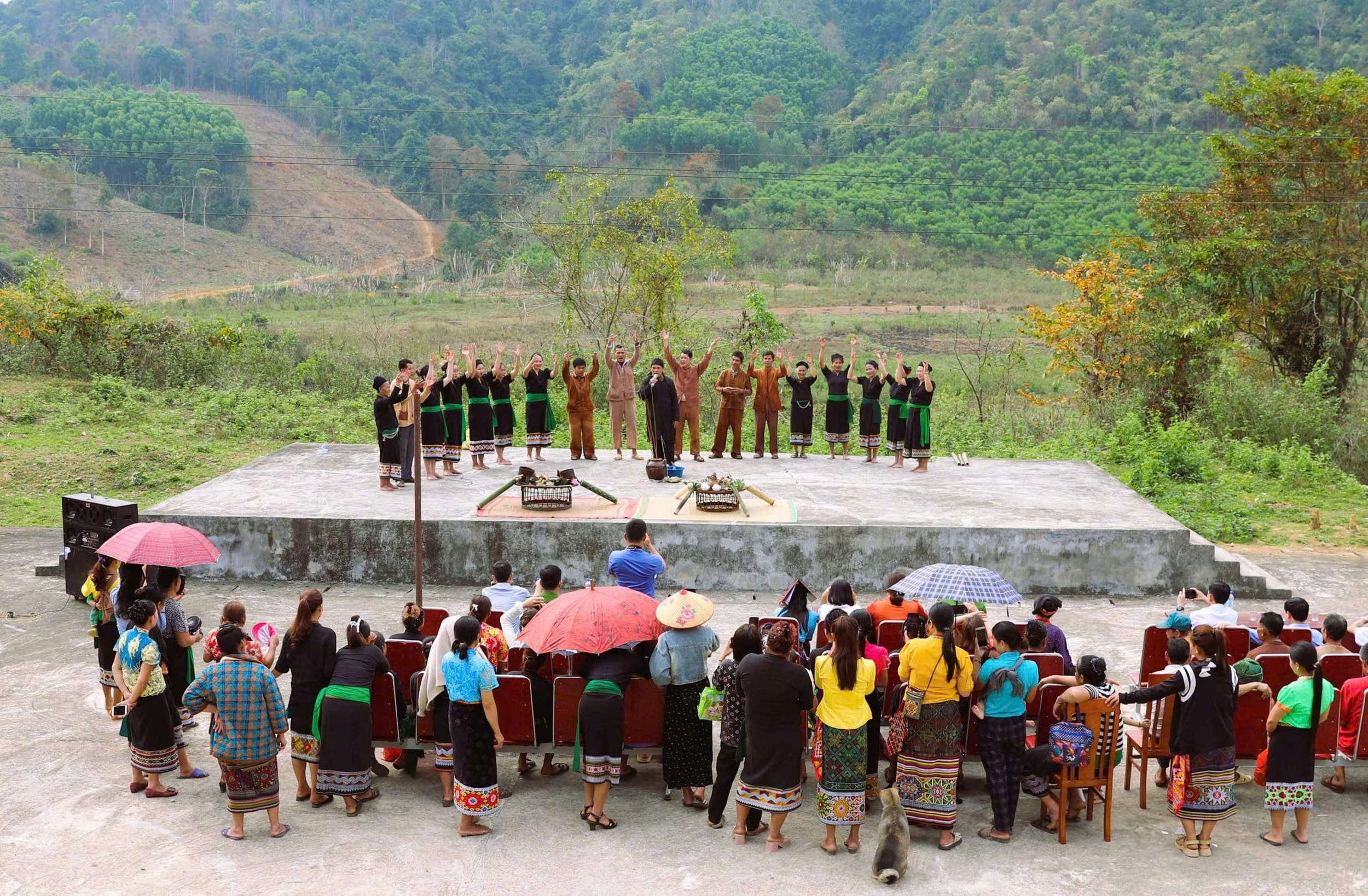
The recent festivals and celebrations have left me with many unforgettable emotions. Throughout the villages, joy was evident on every face. The elderly, with their white hair, shone with emotion as they witnessed the preservation and honoring of their ethnic customs and traditions. Middle-aged people wore contented smiles after years of working together to build a new life. And the children, dressed in vibrant traditional costumes, played innocently amidst their clear laughter, like young sprouts continuing the future of the O Du people.
Looking at those smiles, I felt more strongly than ever the power of unity and faith in the future. It was not only joy at the changes in the village today, but also happiness that the ethnic cultural identity is preserved, passed down, and continues to live on in the lives of future generations.
As a member of the O Du ethnic group, I am always proud of my roots, proud of the cultural values that our ancestors have painstakingly cultivated over generations. Our forefathers strived to preserve the flame of O Du culture during the most difficult times. Today, that responsibility is passed on to our generation.
Growing up in the village of Van Mon, I had the honor of being elected as a Member of Parliament by the people. This is not only a source of pride for me personally, but I believe it is also a shared joy and pride for the O Du people. Because behind this milestone lies the arduous journey of countless generations who have preserved the language, customs, identity, and faith in the future of their ethnic group.
I understand that every step of my personal growth is linked to the care of the Party and the State, the support of my homeland and village, and the trust and love of my people. Therefore, I will always strive to be worthy of that trust; to become a bridge connecting the voices, thoughts, and aspirations of voters and people of all ethnic groups to the National Assembly; and at the same time, to contribute to preserving and promoting the unique cultural values of the O Du ethnic group.
I believe that, with the attention of the Party and the State, the unity of the people, and the aspirations of the younger generation, the O Du ethnic group will continue to write beautiful stories on its journey of development.
From Van Mon village today, many more O Du people will continue to study, grow, and contribute to their homeland and country. And the cultural values of the O Du people will continue to be preserved and spread, contributing to enriching the cultural identity of Vietnam, and together with the whole country, entering a new era of development.