

World Cup 2026: South Korea faces the challenge of breaking a 16-year winless streak in their opening match.
History shows that the result of the opening match greatly determines South Korea's chances of progressing. The team needs to end their disappointing run of results since 2010 to go far in the tournament.
For the South Korean national team, the opening match at the biggest football tournament on the planet is not just an ordinary game, but a measure of their entire campaign's fate. Recent historical data shows that securing all three points on the opening day is often decisive in determining the "Taegeuk Warriors'" chances of progressing further.
The ghosts of the past and good fortune in Qatar.
Sixteen years have passed since South Korea last tasted victory in their opening World Cup match. In the last three tournaments, the team from the land of kimchi has started in disappointment.
At the 2014 World Cup, a lackluster opening draw marked the beginning of their worst tournament since 1998, leaving the team bottom of their group with just one point. Four years later in Russia, consecutive defeats against Sweden and Mexico rendered their stunning 2-0 victory over Germany meaningless, as they still had to pack their bags and go home early.
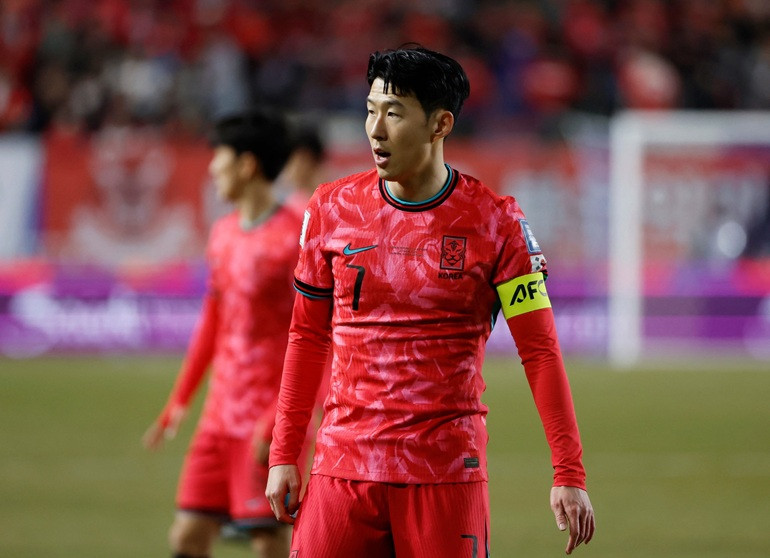
Despite reaching the round of 16 at Qatar 2022, analysts believe it was the result of a combination of fighting spirit and extreme luck. South Korea squeezed through thanks to a 91st-minute counter-attack goal against Portugal – a breathtakingly dramatic scenario that is not always possible to replicate.
The winning formula from history.
Conversely, when looking at the most glorious milestones of South Korean football, the common thread is always a promising start. Their achievement of reaching the semi-finals in 2002 on home soil stemmed from a victory against Poland. Similarly, at the 2010 World Cup, their place in the round of 16 was secured after their triumphant first match.
The only exception occurred in 2006, when a victory against Togo and a courageous draw with France were not enough to secure their progression due to a heartbreaking defeat against Switzerland in the final match.
The scenario in Group A and the chances at the 48-team World Cup.
With the 2026 World Cup expanding to 48 teams, the opportunity for teams to correct mistakes has increased significantly, as the eight best third-placed teams can still advance to the round of 32. However, their final position in the group will directly determine the difficulty of the next stage.
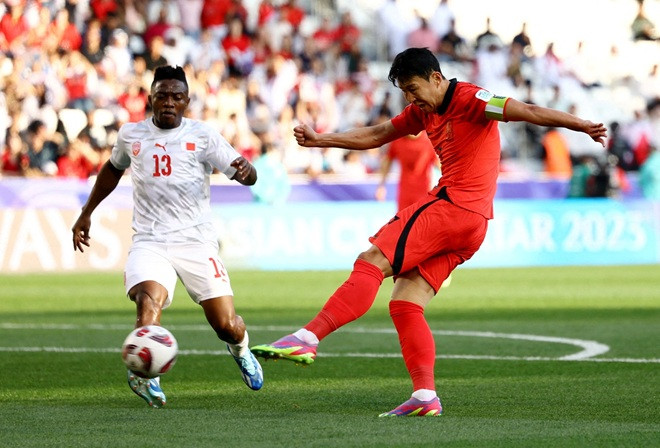
In Group A, the branching scenarios are posing clear strategic challenges:
- Top spot:This is the ideal scenario, allowing South Korea to face the third-placed team from groups C, E, F, H, or I – potential opponents such as Scotland, Ivory Coast, Tunisia, Saudi Arabia, or Senegal.
- Second place in the group:South Korea will face the runner-up in Group B – which includes Canada, Bosnia-Herzegovina, Qatar, or Switzerland. This remains a relatively stable bracket.
- Third place:If they only advance through the play-offs, the biggest challenge will await them immediately, as their likely opponent will be Germany or Belgium (the teams predicted to top Group E or G).
In reality, Group A is a fairly balanced group, where the opportunity to compete for the top spot is entirely within the reach of the South Korean team's coach. The primary task now is to shake off the psychological pressure and secure all three points in the first match, something they have failed to achieve for the past 16 years.