

Diplomatic loop in Ukraine peace negotiations
After a long period of deadlock, the Ukraine peace negotiations have unexpectedly heated up again through diplomatic developments in Moscow. Despite the proactive approach of the E3 delegation (Britain, France, and Germany), the prospect of de-escalating the conflict remains a major obstacle due to deep disagreements over preconditions between the parties.
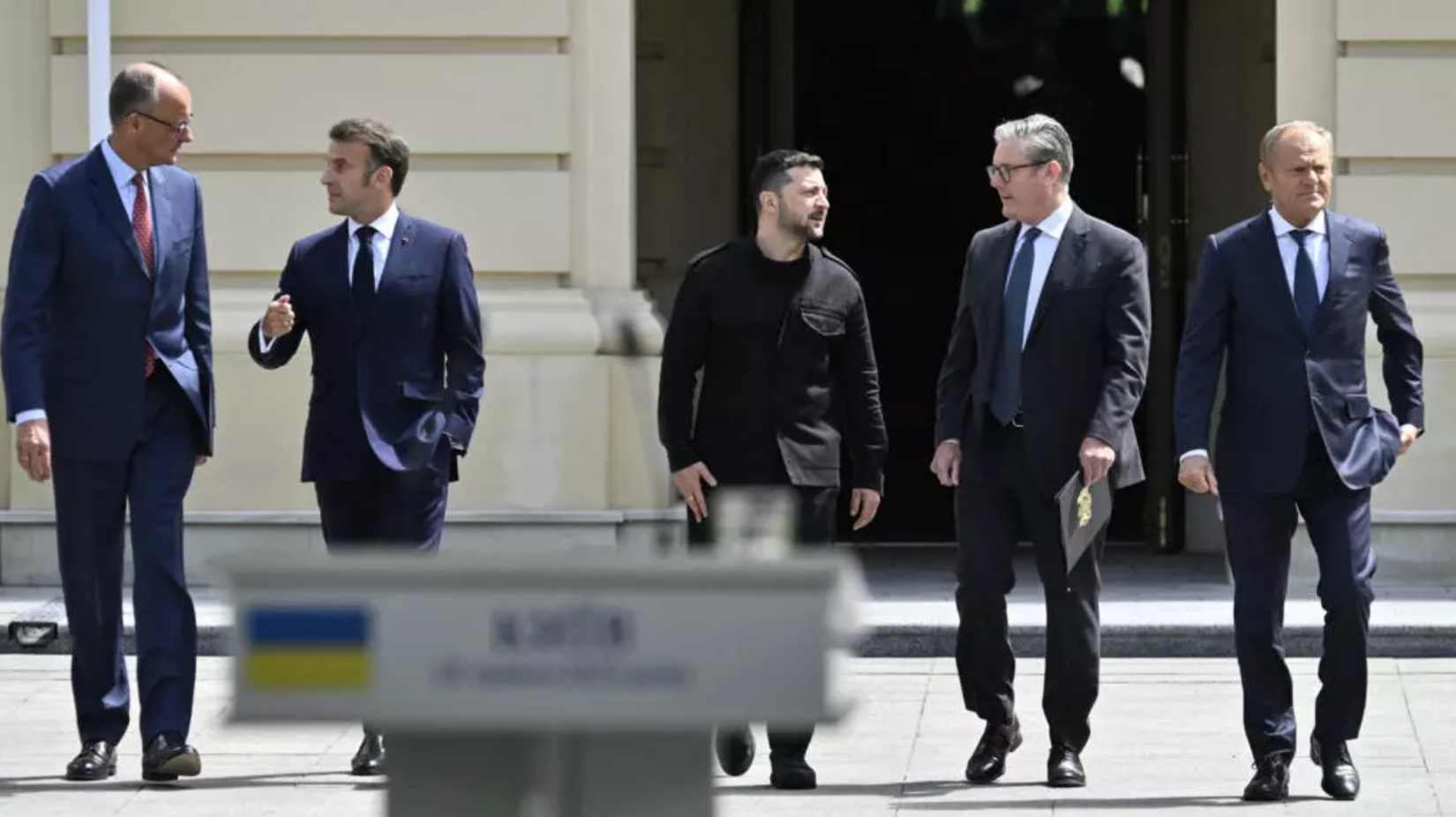
According to RT, the diplomatic landscape surrounding the Ukraine peace talks is being shaped by the calculated moves of the "European Trio" (E3 - comprising the UK, France, and Germany).
On June 7th, the leaders of the E3 nations simultaneously sent out new signals. They supported the active participation of the United States and Europe in the Ukrainian peace negotiations and pushed for an immediate ceasefire based on the current contact line. However, this proposal came with tough conditions: maintaining the freeze on Russian assets, continuing military aid to Kyiv, and establishing commitments to guarantee international security for Ukraine.
On June 10, following signals from the West, Russian Foreign Minister Sergei Lavrov confirmed that E3 ambassadors had proactively "proposed a meeting" with Russian Deputy Foreign Minister Mikhail Galuzin. However, the head of Russian diplomacy expressed skepticism about the constructive nature of the meeting. Lavrov noted that it was difficult to expect a breakthrough when Western leaders – including German Chancellor Friedrich Merz, British Prime Minister Keir Starmer, and French President Emmanuel Macron – were constantly making direct attacks on Moscow.
On the afternoon of June 11th, an official meeting took place at the headquarters of the Russian Ministry of Foreign Affairs. The three Ambassadors Extraordinary and Plenipotentiary to Russia – Nigel Casey (UK), Nicolas de Rivière (France), and Alexander Lambsdorff (Germany) – spent 1.5 hours working with Russian Deputy Foreign Minister Mikhail Galuzin. Following the talks, the French side assessed it as a "productive discussion." The E3 ambassadors affirmed that they were there to convey the position of their high-ranking leaders on June 7th, and to support President Volodymyr Zelensky's call for a direct dialogue under the auspices of the US and the EU.
Although the meetings demonstrated an effort to maintain a channel for diplomatic dialogue, subsequent developments reflect the reality that the parties have yet to reach a consensus.
Shortly afterward, the Russian Foreign Ministry asserted that it had frankly criticized the West's "destructive policies." Spokesperson Maria Zakharova stated that the E3 countries were merely "pretending to call for peace." From Moscow's perspective, the West's simultaneous proposal for peace negotiations in Ukraine and its push to increase the production of long-range weapons for Kyiv was a paradox, making the conditions for peace "impossible from the outset."
The key reason for the current lack of trust in the diplomatic process is the historical lesson from the spring of 2022. Foreign Minister Lavrov recalled the event when the E3 countries intervened to prevent President Zelensky from signing the ceasefire agreement that had been agreed upon in Istanbul in April 2022.
Reiterating this "negative impression" is Moscow's way of sending the message that the West needs to change the nature of its approach, rather than just changing the form of diplomacy. As long as European peace proposals remain tied to maintaining military support and freezing Russian assets, negotiations will only be at the stage of exploring positions, and will not be able to open a new chapter for a comprehensive political solution.