

The US and Iran reach a historic peace agreement, reopening the Strait of Hormuz.
The United States and Iran have officially reached a peace agreement, agreeing to end military operations "immediately and permanently" on all fronts. This agreement marks the end of the conflict that has lasted more than three months in the Middle East and paves the way for the restoration of the vital shipping lane through the Strait of Hormuz.
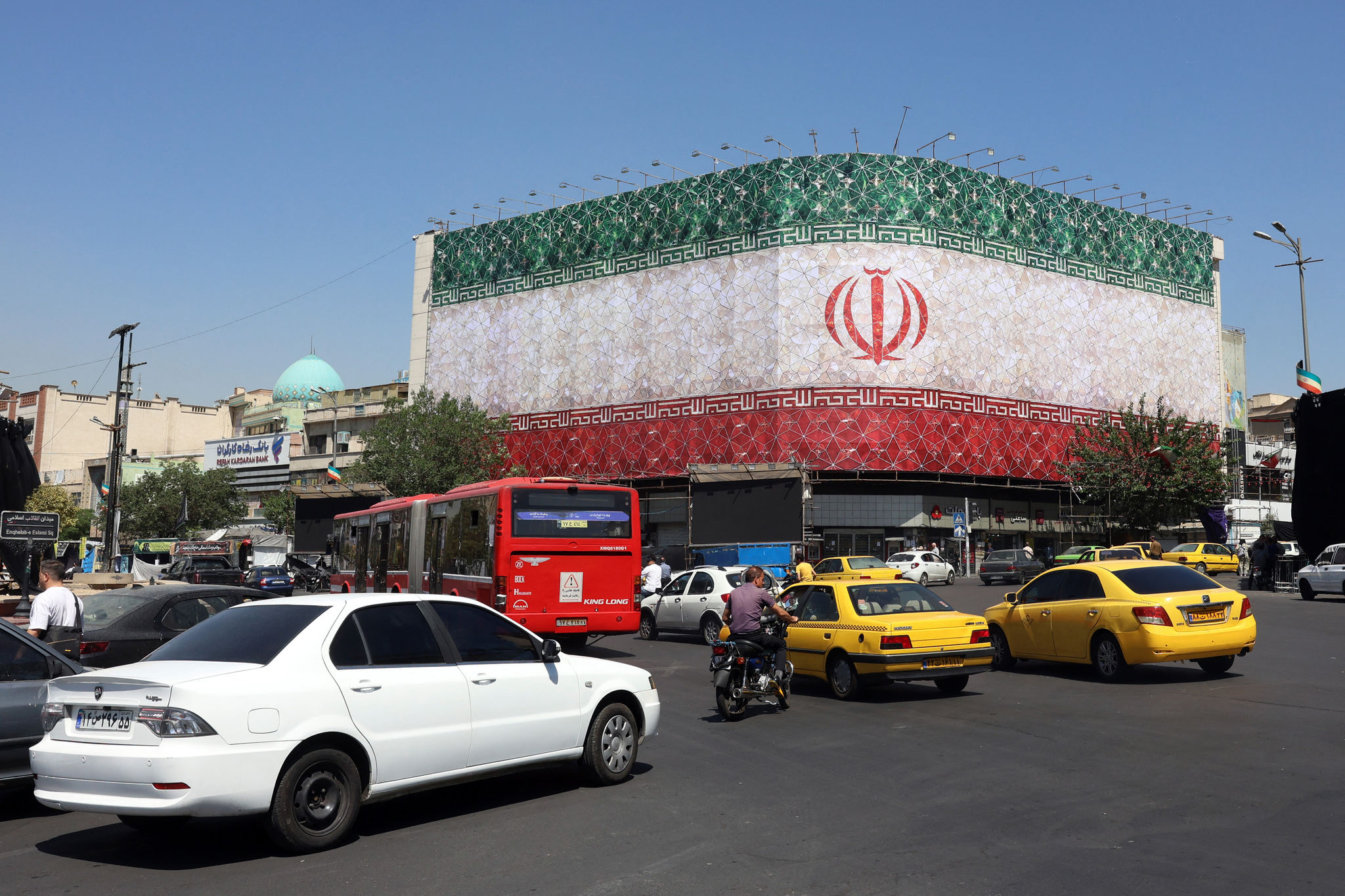
Acting as a mediator, Pakistani Prime Minister Shehbaz Sharif announced on the X platform that a peace agreement "has been reached" and a formal signing ceremony will take place on June 19th in Switzerland. He also thanked the leaders of Qatar, Saudi Arabia, and Türkiye for their support in this diplomatic effort.
End hostilities on all fronts.
Immediately following the announcement from Pakistan, both Washington and Tehran quickly issued statements confirming it.
On his 80th birthday (June 14th, US time), US President Donald Trump announced: "The deal with the Islamic Republic of Iran is now complete."
At the same time, Iranian state television quoted the country's Deputy Foreign Minister, Kazem Gharibabadi, as saying: "The immediate and permanent end of the war has been declared on all fronts, including Lebanon."
This is a landmark development, because previously Tehran had consistently insisted that any ceasefire agreement must include the parallel conflict in Lebanon – where the Israeli army is conducting a military operation against Hezbollah.
Opening up the Strait of Hormuz and the global economic bottleneck.
The war erupted in late February 2026, stemming from US and Israeli airstrikes against Iran. Tehran retaliated by attacking Israel and US allies, and by blockading the Strait of Hormuz. In retaliation, Washington also blockaded Iranian seaports.
The blockage of the Strait of Hormuz has had serious economic consequences on a global scale: soaring gas prices, rising inflation in the US and many other countries, and disrupting the supply chains of essential goods such as fertilizers for agricultural production.
With the agreement just reached, this economic bottleneck has been removed. US President Donald Trump declared: "I officially authorize the opening of free passage through the Strait of Hormuz, and at the same time, I authorize the immediate lifting of the US Navy blockade. Ships around the world, start your engines. Let the oil flow again!"
In an interview with Fox News, US Vice President JD Vance emphasized that the agreement would help "cool down energy costs not only in the present but also in the long term," while creating new momentum for prosperity in the Middle East. Vance also stated that he expects to attend the signing ceremony in Geneva, Switzerland, and did not rule out the possibility that President Trump would also be present.
Overcoming last-minute challenges and unresolved issues.
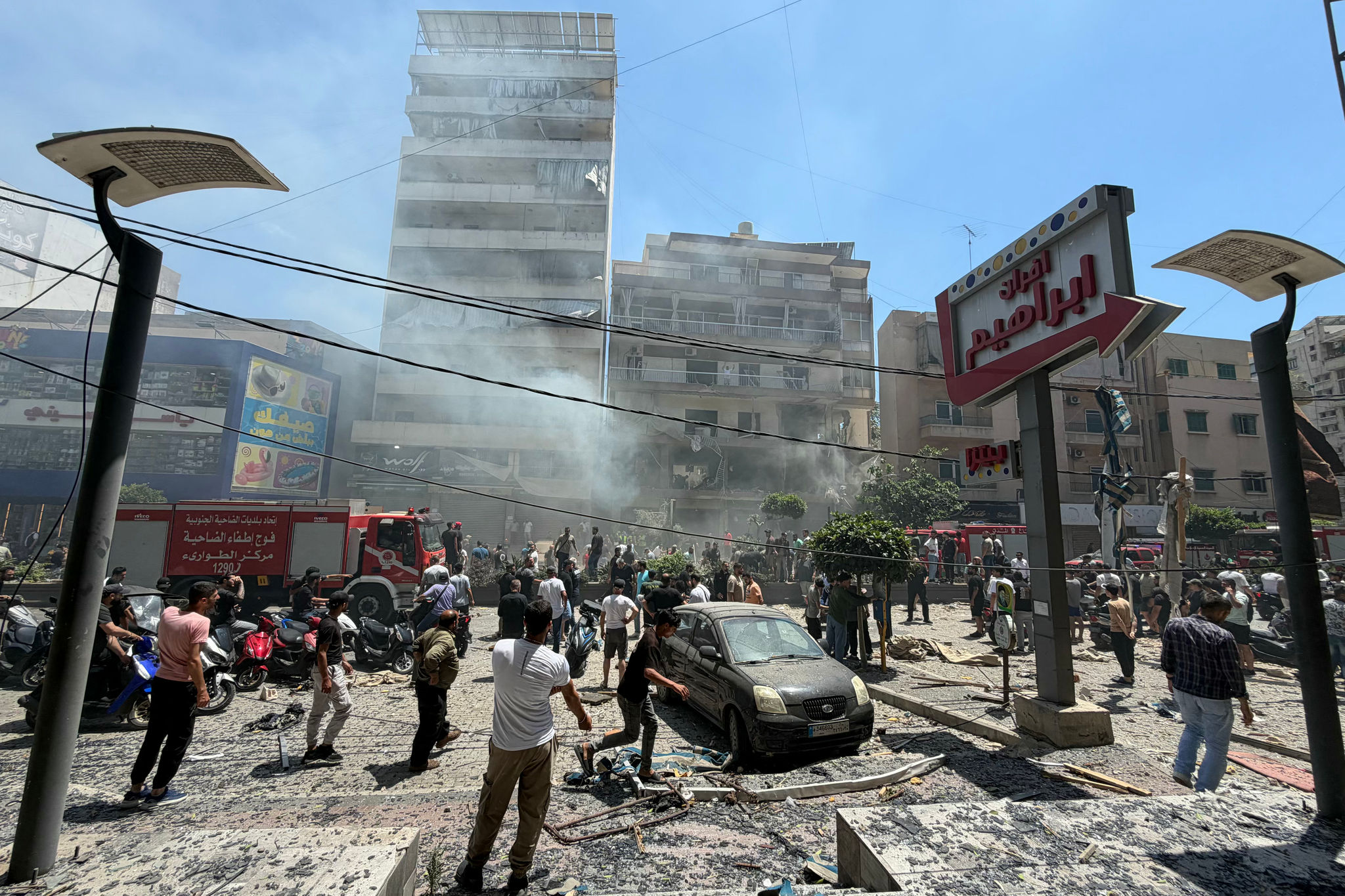
Just hours before the announcement, Tehran had vowed to retaliate against an Israeli airstrike targeting Hezbollah in the suburbs of Beirut, Lebanon.
According to US media, President Trump was extremely angry and blamed Israel for this military action. In a phone interview with the news site Axios, Trump expressed strong frustration with Israeli Prime Minister Benjamin Netanyahu for potentially delaying the agreement.
Although the parties have agreed to a ceasefire, the specific details of the agreement have not yet been fully released, as both Washington and Tehran are trying to demonstrate they are in a position of strength.
Many major "bottlenecks" remain unresolved, most notably control of the Strait of Hormuz – where Iran is determined to maintain its influence, while the US consistently rejects this. In addition, there is the fate of Iran's nuclear program, particularly its stockpile of highly enriched uranium, which the US believes was buried after airstrikes. On June 13th, President Trump announced that the US would proceed with collecting, diluting, and destroying this "nuclear dust."