

The purple cardamom plant takes root in the mountainous region of Muong Quang.
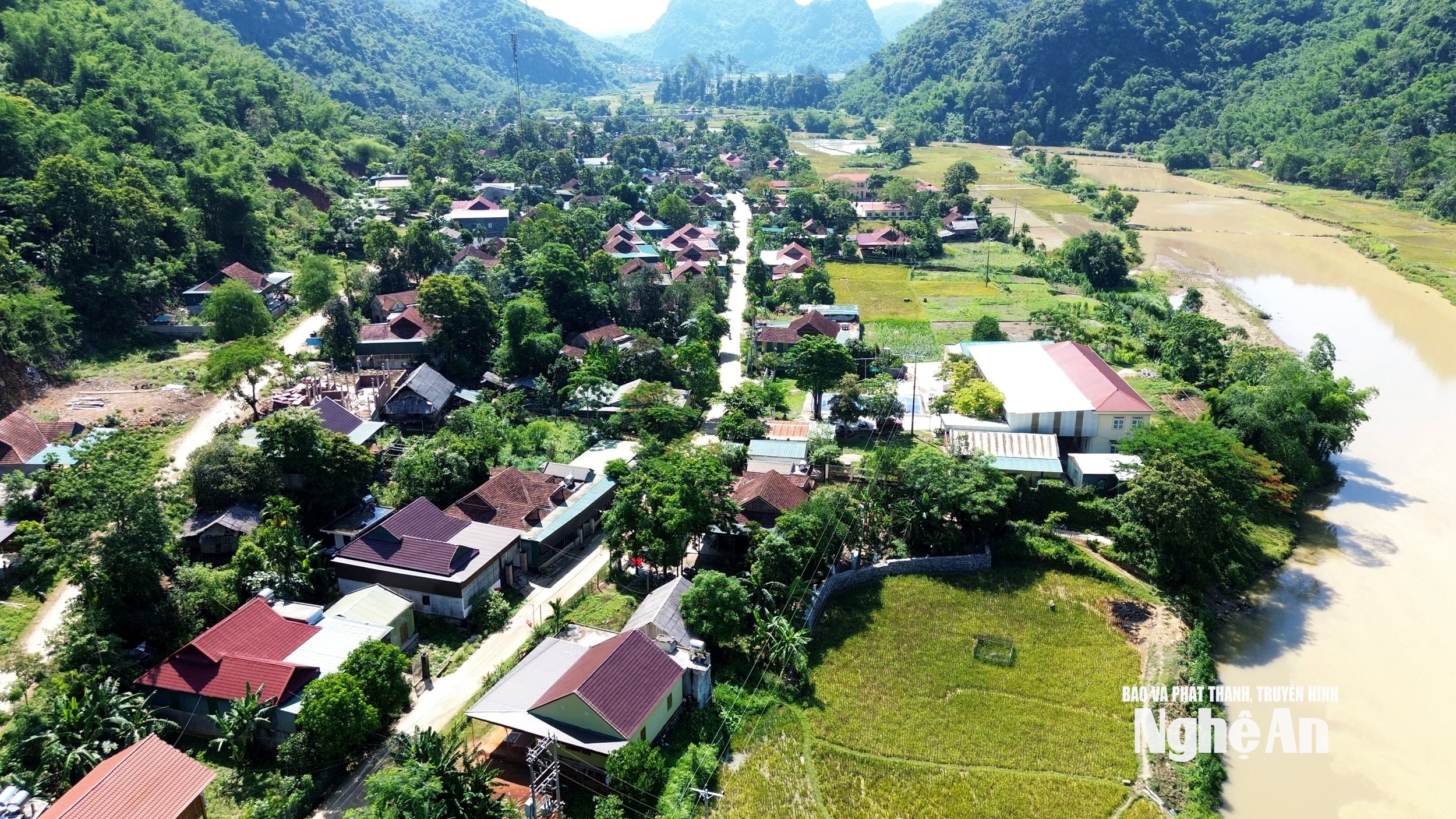
The mountainous commune of Muong Quang (formerly Que Phong district) is gradually making purple cardamom a key crop in livelihood development. With nearly 40 hectares already planted, it is opening up a sustainable path out of poverty for the ethnic minority people in this area.
A new direction from medicinal plants
In line with the policy of developing medicinal plants in conjunction with forest protection and development, Muong Quang commune has chosen the purple cardamom plant – a valuable medicinal herb suitable for the ecological conditions of the high mountainous region – for production.
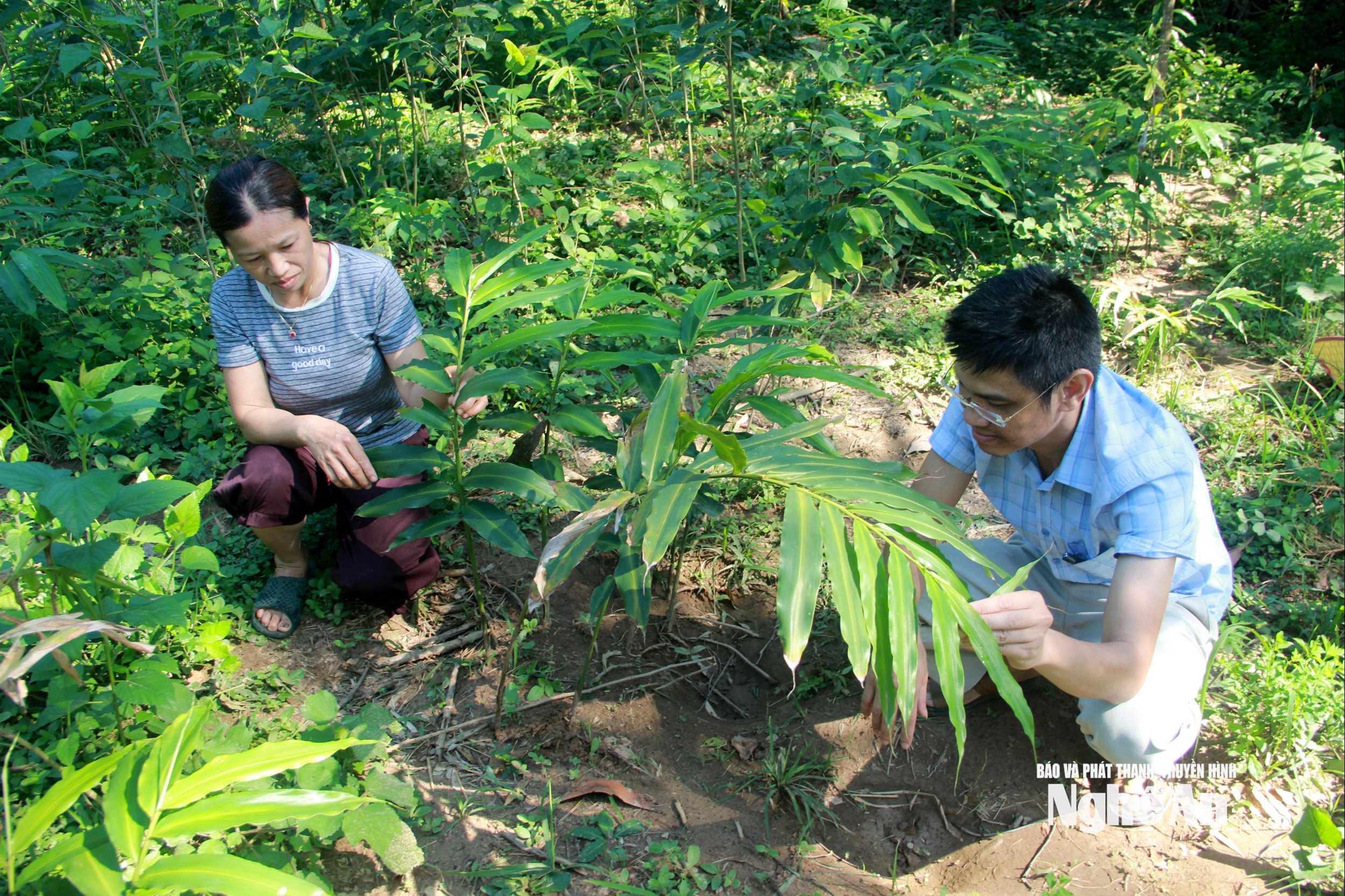
In Bo village, Muong Quang commune, Ms. Lang Thi Xuan is one of the pioneering households participating in the model of growing purple cardamom. At the end of 2025, her family received support in the form of 8,000 seedlings, which they planted on nearly 1.5 hectares of forest land.
Ms. Xuan said that all the seedlings and fertilizers were provided by the government, and her family only contributed their labor to planting and caring for them. Throughout the process, they received detailed guidance from technical staff, from soil preparation and planting density to care and pest control.
“After more than 6 months, the trees are growing well, with a high survival rate. The family regularly clears weeds around the base of the trees, and during the dry season, they pump water from the stream to irrigate them. Seeing the trees developing steadily, we feel very reassured,” Ms. Xuan shared.
Not only Mrs. Xuan's family, but many households in Bo village also highly appreciate this model because it suits their farming conditions, does not require much initial investment, and makes use of available land.
According to Mr. Lo Thanh Dao, Head of Bo village, although many households registered to plant purple cardamom, due to limited seed sources, only 2 hectares were planted by the end of 2025 at 2 households. Monitoring shows that the plants are growing well, have a high survival rate, and are suitable for the local climate and soil conditions.
"The people are very enthusiastic and eager to expand the cultivated area. If they receive more support with seeds, many households are willing to participate because this is a crop with long-term prospects, helping to stabilize their income," Mr. Dao said.
Not only in Bo village, but also in other villages such as Na Ty, Hop Tien, etc., each village has planted more than 10 hectares of purple cardamom. In reality, choosing the right crop, suitable to natural conditions and market demand, has built confidence among the people. Once confidence is strengthened, people are willing to change their production mindset, boldly switching from less efficient crops to new models.
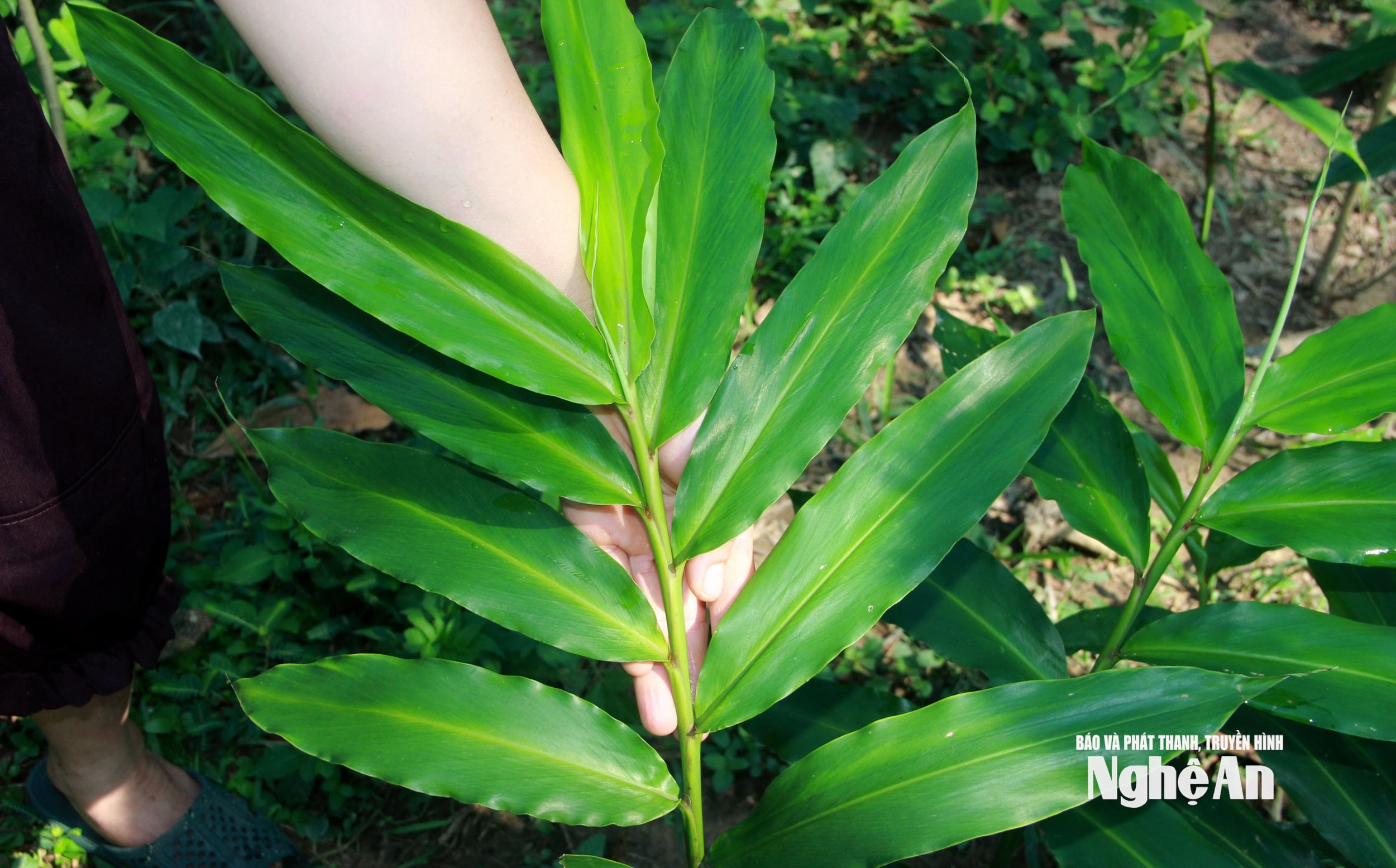
Purple cardamom is a long-term crop that thrives under the forest canopy, is resistant to pests and diseases, requires low investment costs, but yields high economic value. Importantly, the plant does not alter the soil structure of the forest, contributing to moisture retention and erosion control, making it suitable for the development of ecological and sustainable agriculture.
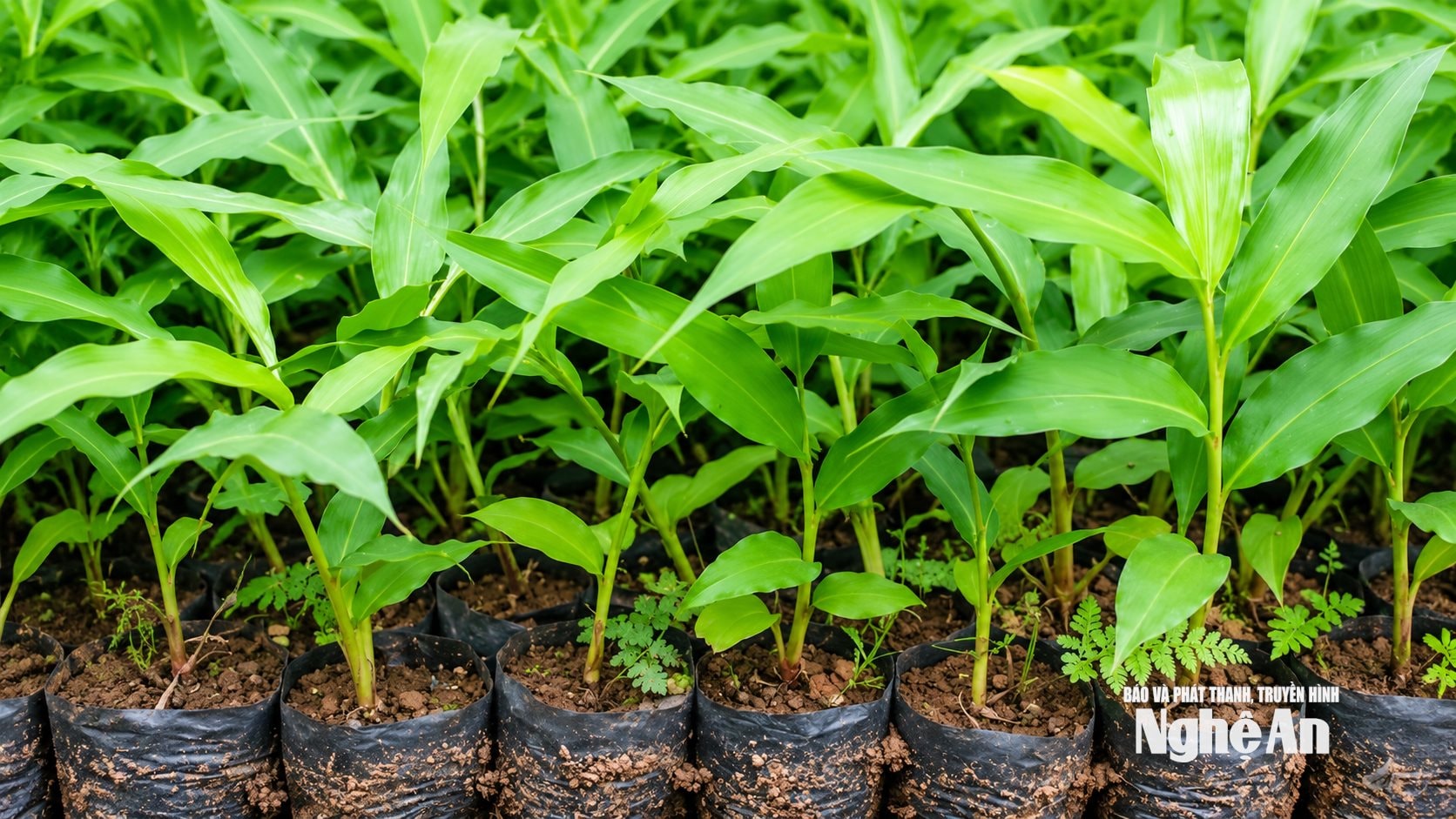
The first step towards a concentrated medicinal plant growing area.
According to Mr. Sam Ba Tuan, Chairman of the People's Committee of Muong Quang commune, by the end of 2025, from the National Target Program 1719, Muong Quang commune will be allocated nearly 3.5 billion VND to implement livelihood development models. Of this amount, nearly 2 billion VND will be used to support the cultivation of purple cardamom.
Accordingly, by the end of 2025, the locality had planted nearly 40 hectares of purple cardamom at 67 households. After nearly a year of care, it was found that most households followed the correct planting techniques, resulting in a high survival rate. The remaining capital, approximately 1.5 billion VND, will be used to expand the planting area in 2026.
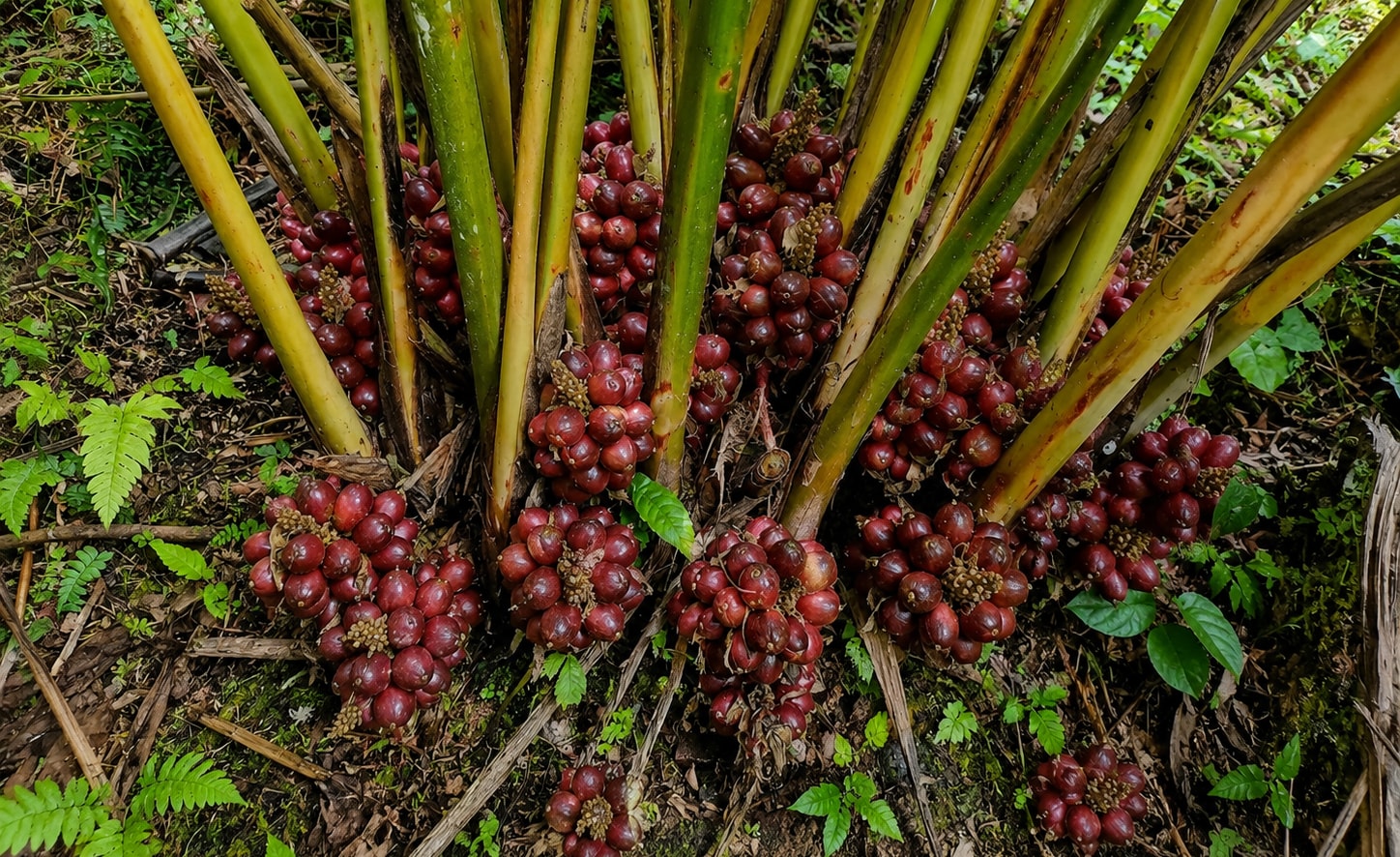
“Before implementation, the commune worked with businesses from the North to establish a product consumption link, committing to purchasing fresh fruit at 50,000 VND/kg, while also coordinating and providing technical guidance on planting and caring for the crops. Having a business partner to guarantee the purchase from the beginning helps people feel secure in their production, avoiding the situation of ‘bumper harvest, low prices.’ This is also a key point for the model to develop sustainably, not just as a trend,” Mr. Tuan said.
Mr. Tuan said that after visiting purple cardamom cultivation models in the Northwest provinces, he observed that after about 2-3 years of planting, the plant begins to flower, bear fruit, and yield a stable harvest. The first year is the first harvest, and from the fourth year onwards, it yields 1-1.5 tons of fresh fruit per hectare per year. A single purple cardamom plant can be harvested continuously.7–Productivity has remained fairly stable for 10 years.
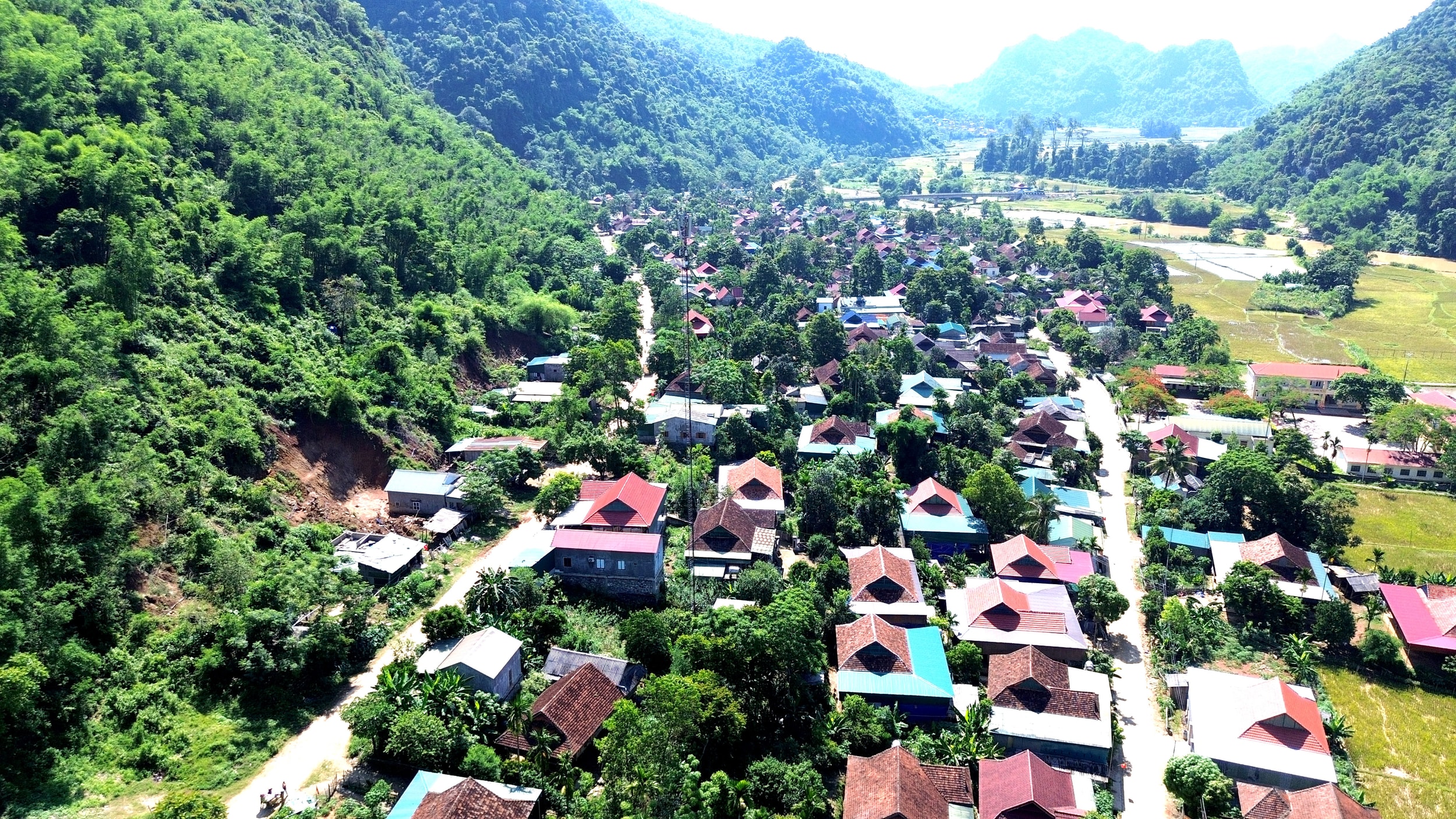
Not stopping at the purple cardamom plant, Muong Quang commune is developing a plan to expand its raw material area in conjunction with the white bodhi tree – a tree with high economic value from resin extraction. According to the plan, Muong Quang commune will gradually replace approximately 4,000 hectares of existing acacia trees with white bodhi trees. Once the bodhi trees form a canopy, other medicinal plants can be grown under the canopy, utilizing the ecological space and improving land use efficiency.
The development of purple cardamom cultivation in Muong Quang not only has economic significance but also contributes to changing the production mindset of the highland people. From fragmented and spontaneous production, the people are gradually moving towards commodity production with linkages and markets.
In the context of increasingly comprehensive support policies, choosing the right crops and development direction, such as purple cardamom, is considered the "key" for Muong Quang to realize its goal of sustainable poverty reduction.