

The US is scrambling to raise $80 billion for war costs, while Iran declares it will not back down from its 'red line'.
While the Washington administration faces financial pressure and opposition from Congress, Tehran officials are also sending a firm message that they will not compromise at the negotiating table.
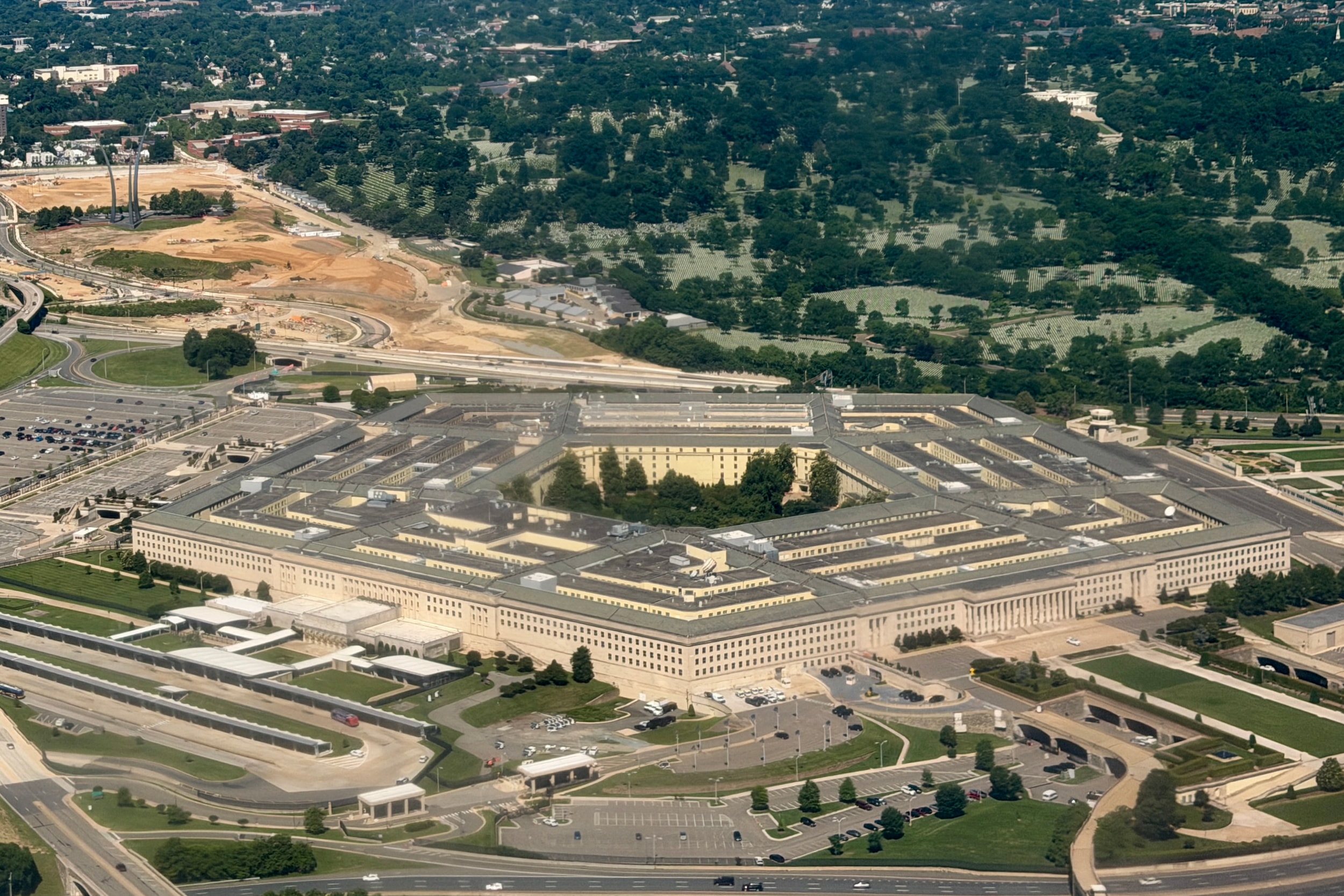
The Pentagon is struggling with an $80 billion budget.
According to the Wall Street Journal, the U.S. Department of Defense is expected to ask Congress for approval of up to $80 billion in additional funding to cover the costs of a potential war with Iran and related military operations. Deputy Secretary of Defense Stephen Feinberg presented the proposal to lawmakers this week.
Pentagon officials warn that if Congress does not soon pass wartime spending legislation, the U.S. military risks running out of operating funds within the next few months. This could lead to cuts in training and a reduction in troop deployments along the U.S.-Mexico border.
As of last month, the cost of the war had reached nearly $29 billion. However, many observers believe the actual figure could be much higher.
The conflict is also posing a major challenge to the U.S. arsenal. Although Defense Secretary Pete Hegseth has denied a weapons crisis, the $80 billion bill, if passed, would prioritize resources for replenishing weapons, paying soldiers' salaries, and maintaining the operation of warships.
The budget issue is putting President Donald Trump in a difficult position amid rising inflation and domestic oil prices. Many Democratic lawmakers have declared they will not vote in favor of supplemental funding, while accusing Trump of violating the U.S. Constitution by launching a war without congressional approval, exceeding the 60-day deadline stipulated by the War Powers Act.
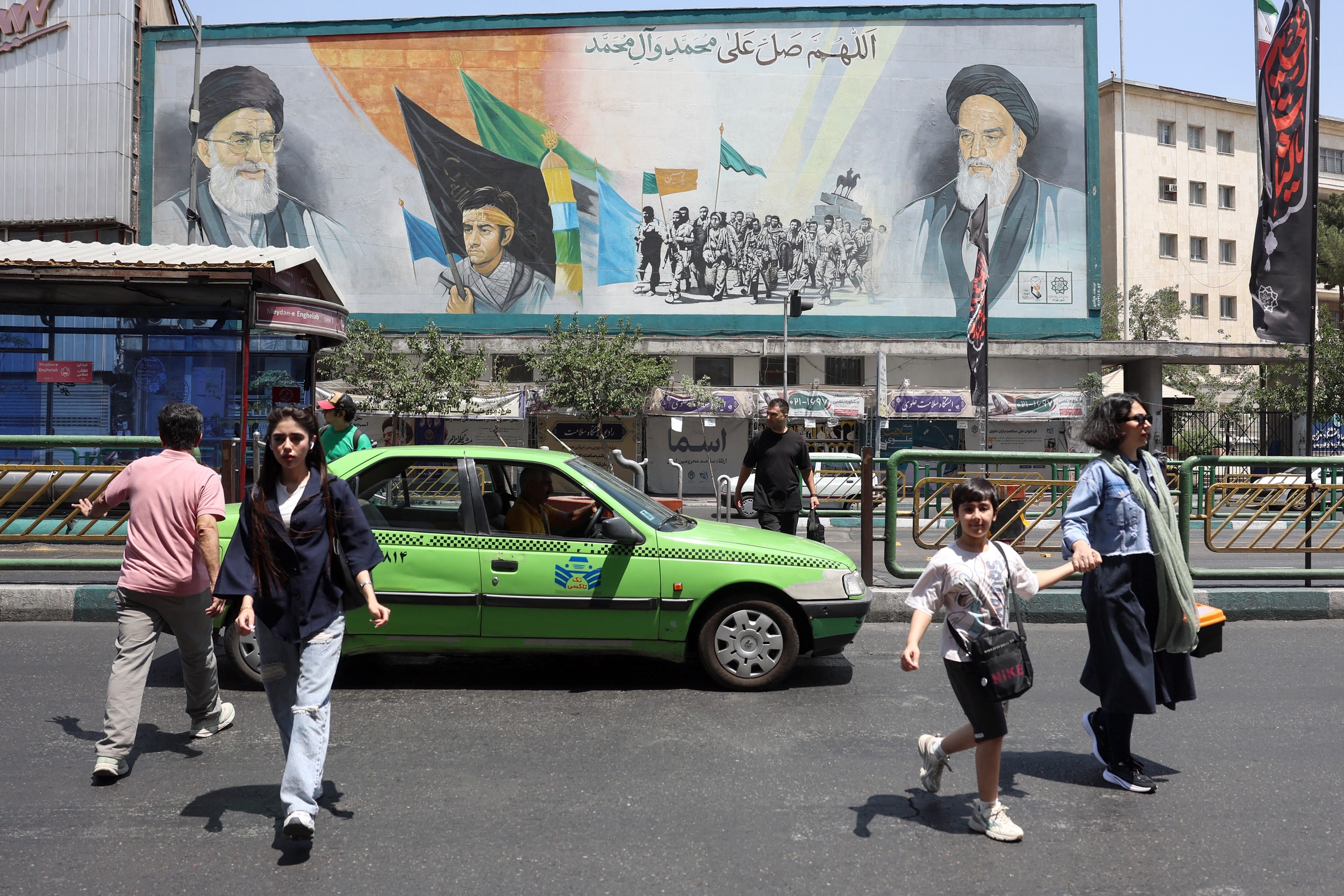
Tehran is determined to defend the "red line".
Speaking on June 19th on the state news agency IRNA, Iran's chief negotiator Mohammad Bagher Ghalibaf affirmed that any dialogue with Washington would be strictly bound by Tehran's "red lines."
If the opposing side made unreasonable demands, we proved that our hand was always on the trigger and we would not hesitate to retaliate decisively.
Mr. Ghalibaf emphasized
Supreme Leader Mojtaba Khamenei declared that accepting the agreement with the US does not mean "accepting the enemy's viewpoint."
Sharing the same viewpoint, President Masoud Pezeshkian and Foreign Minister Abbas Araghchi also pledged to use all diplomatic tools to fully protect the nation's "interests, honor, and prestige."
Conservatives in Iran remain deeply skeptical about the goodwill of the United States. Hossein Shariatmadari, editor-in-chief of the Kayhan newspaper, criticized the US as a partner that "does not respect its commitments," and argued that the opening of the Strait of Hormuz should be used as leverage for Tehran to demand reparations for damages.
Meanwhile, Ebrahim Rezaei, a representative of the National Security Committee of the Iranian Parliament, also declared that the legislature would resolutely block any attempts by international organizations to inspect the country's nuclear facilities.