The mission of journalism in intellectual property and heritage economics.
Vietnam is a country rich in heritage – tangible, intangible, documentary, natural, traditional crafts, folk knowledge, and cultural symbols – that have endured throughout the nation's history. This is a vast cultural resource, yet it has not been adequately transformed into a driving force for development.
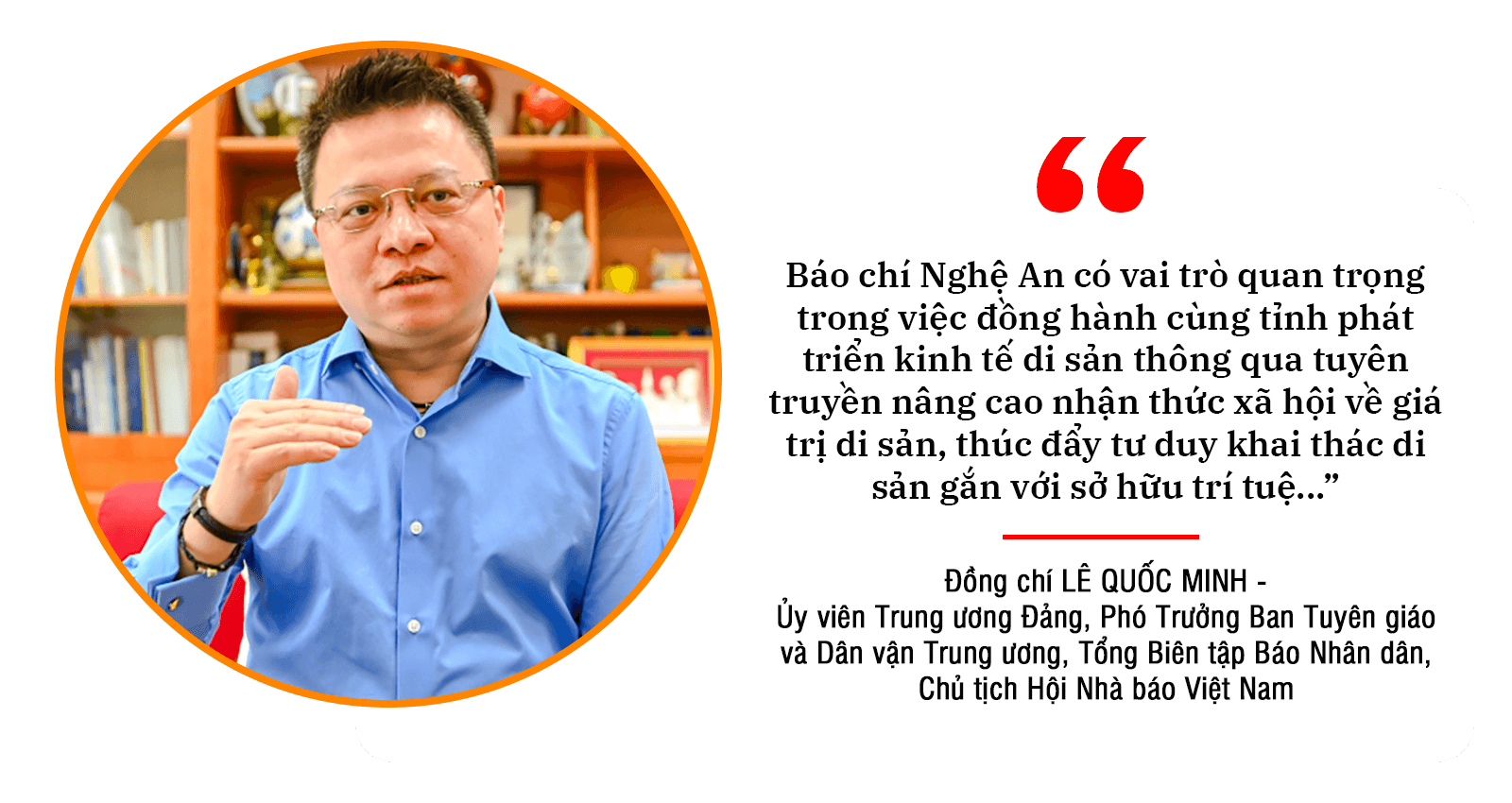
Comrade LE QUOC MINH -
Member of the Central Committee of the Communist Party of Vietnam, Deputy Head of the Central Propaganda and Mass Mobilization Department, Editor-in-Chief of Nhan Dan Newspaper, President of the Vietnam Journalists Association.
June 20, 2026
Vietnam is a country rich in heritage – tangible, intangible, documentary, natural, traditional crafts, folk knowledge, and cultural symbols – that have endured throughout the nation's history. This is a vast cultural resource, yet it has not been adequately transformed into a driving force for development.
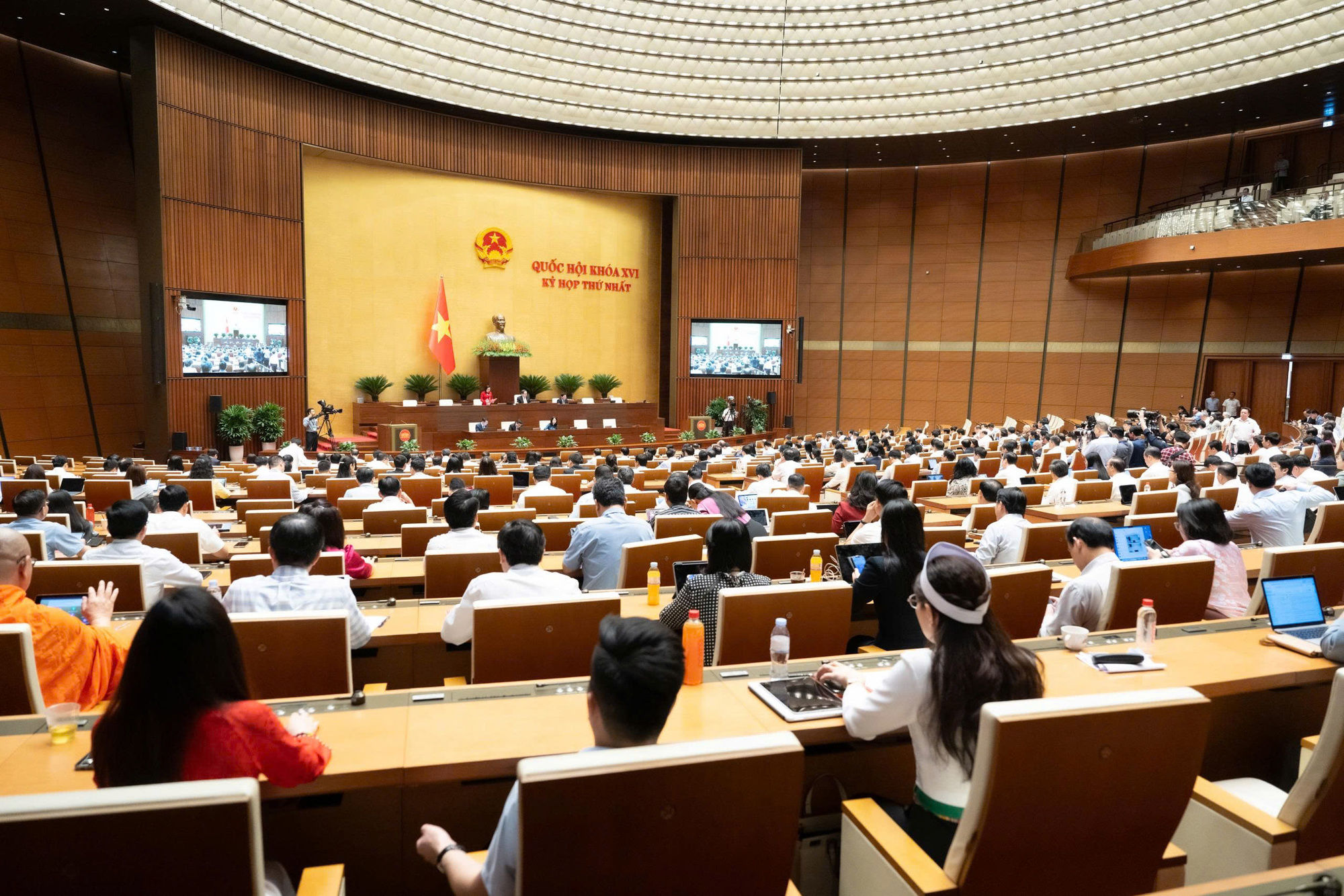
Resolution No. 80 of the Politburo on the development of Vietnamese culture clearly outlines the goal: developing the heritage economy, cultural industries, and creative economy based on Vietnamese cultural values. This represents a step forward in development thinking. Previously, when discussing culture, many people thought of it as an area requiring investment, support, and preservation. Now, Resolution 80 sets a higher standard: Culture must become an endogenous resource for growth, directly contributing to the creation of wealth, jobs, brands, and national competitiveness. The resolution clearly states the objective of making cultural industries a new growth engine, striving to contribute 7% of GDP by 2030 and 9% by 2045. This is a very strong policy message, and within that picture, the heritage economy is a noteworthy component.
Heritage, if merely preserved, will struggle to generate new vitality. However, if properly identified, retold in contemporary language, and linked to products, services, brands, tourism, education, and technology, heritage can open up vast opportunities for development.
The question is: How? To seriously develop the heritage economy, we cannot ignore the role of intellectual property – a tool for establishing rights, identifying value, protecting creative achievements, and creating a legal basis for cooperation, investment, commercialization, and the distribution of legitimate rights and benefits. Without identifying the intangible assets within heritage, it will be very difficult to transform heritage into assets.
Cultural symbols, traditional motifs, folk tales, craft products, traditional techniques, geographical indications, designs derived from heritage materials... if not viewed from an intellectual property perspective, are easily copied, exploited arbitrarily, or even "distorted" right in their own backyard. Conversely, if properly protected, they form the foundation for new value chains: brands, products, game design, content industry, cultural tourism, experiential education, and new media platforms.
In other words, if Resolution 80 is the overarching direction, then intellectual property is one of the key tools for realizing that direction.
But it needs to be made clear: Developing the heritage economy does not mean commercialization at all costs. Heritage cannot be turned into a simple commodity, nor can it be exploited in a short-term, arbitrary way that affects cultural identity. If we only focus on immediate benefits, we may generate short-term revenue but lose long-term value – in that case, the losses will far outweigh the gains.

Therefore, it is necessary to build a healthy ecosystem, with the State playing a key role in perfecting institutions and policies; experts in appraisal, consultation, and critical analysis; the community – the custodians and practitioners of heritage and beneficiaries of its rights; businesses in investment, innovation, and market organization; and the press and media in disseminating correct awareness, promoting good models, and warning against deviations.
In Vietnam, social awareness of intellectual property is increasingly integrated into business, innovation, technology, and media. This year, in the context of the recently issued Resolution 80, addressing the issue of "intellectual property in the heritage economy" is very relevant and necessary.

That's right, because for Vietnam's cultural industry to develop, it cannot enter the market empty-handed – it needs intellectual property, protection capabilities, and the ability to organize creative projects based on heritage in a legal, professional, and high-value-added manner. It's necessary because this is the time to speak with a development mindset, clarify mechanisms, identify bottlenecks, and propose models that can be implemented in practice.
The press, if fulfilling its role correctly, not only reflects the reality but also contributes to paving the way for necessary social discussions. Recently, Nhan Dan Newspaper successfully organized a series of events to celebrate World Intellectual Property Day 2026 with the theme "Intellectual Property - A Driving Force for the Creative Economy." This is also the responsibility of the leading press agency in accompanying the country's major issues - especially those that are posing new demands on thinking, institutions, and actions.

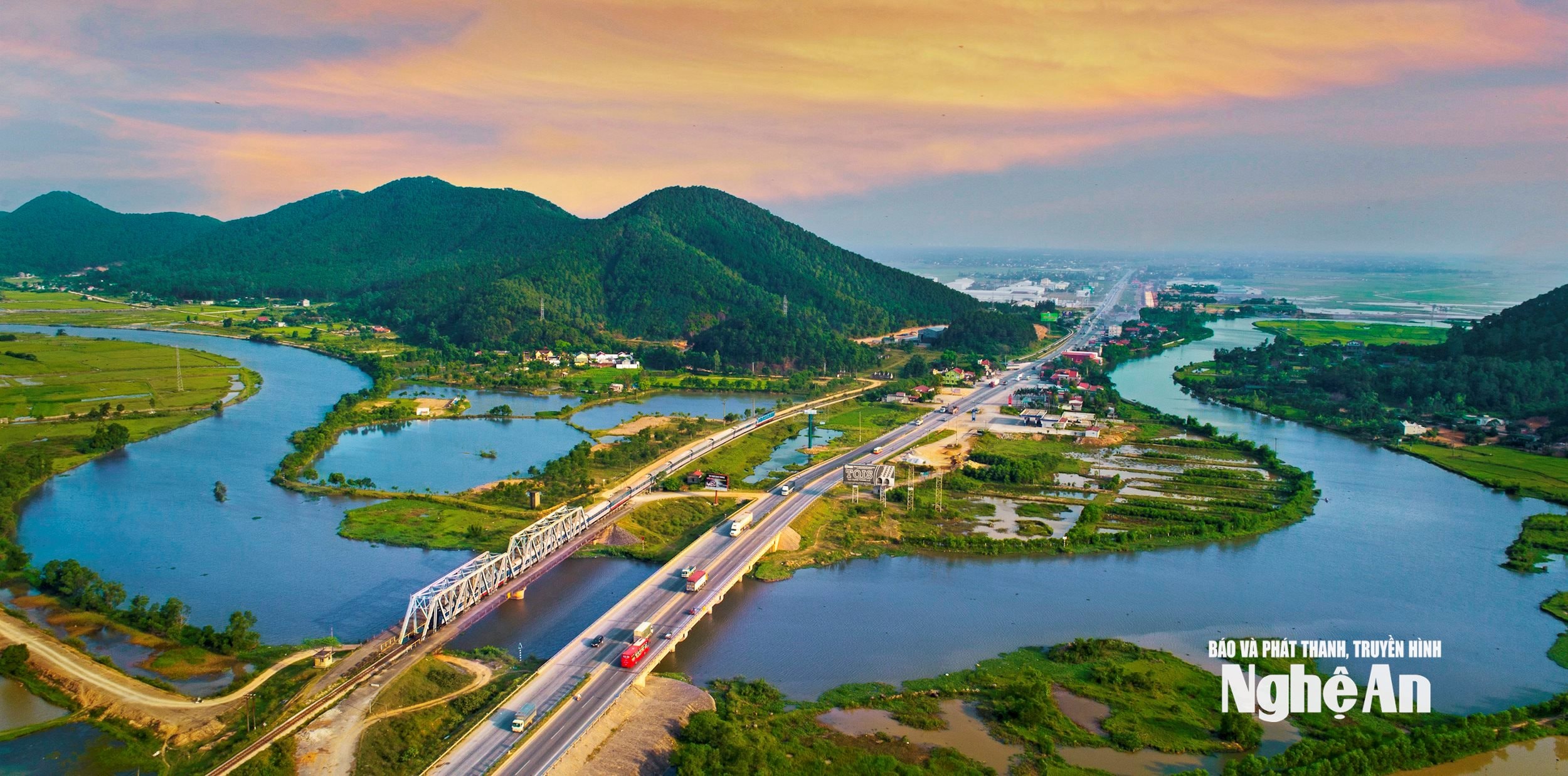
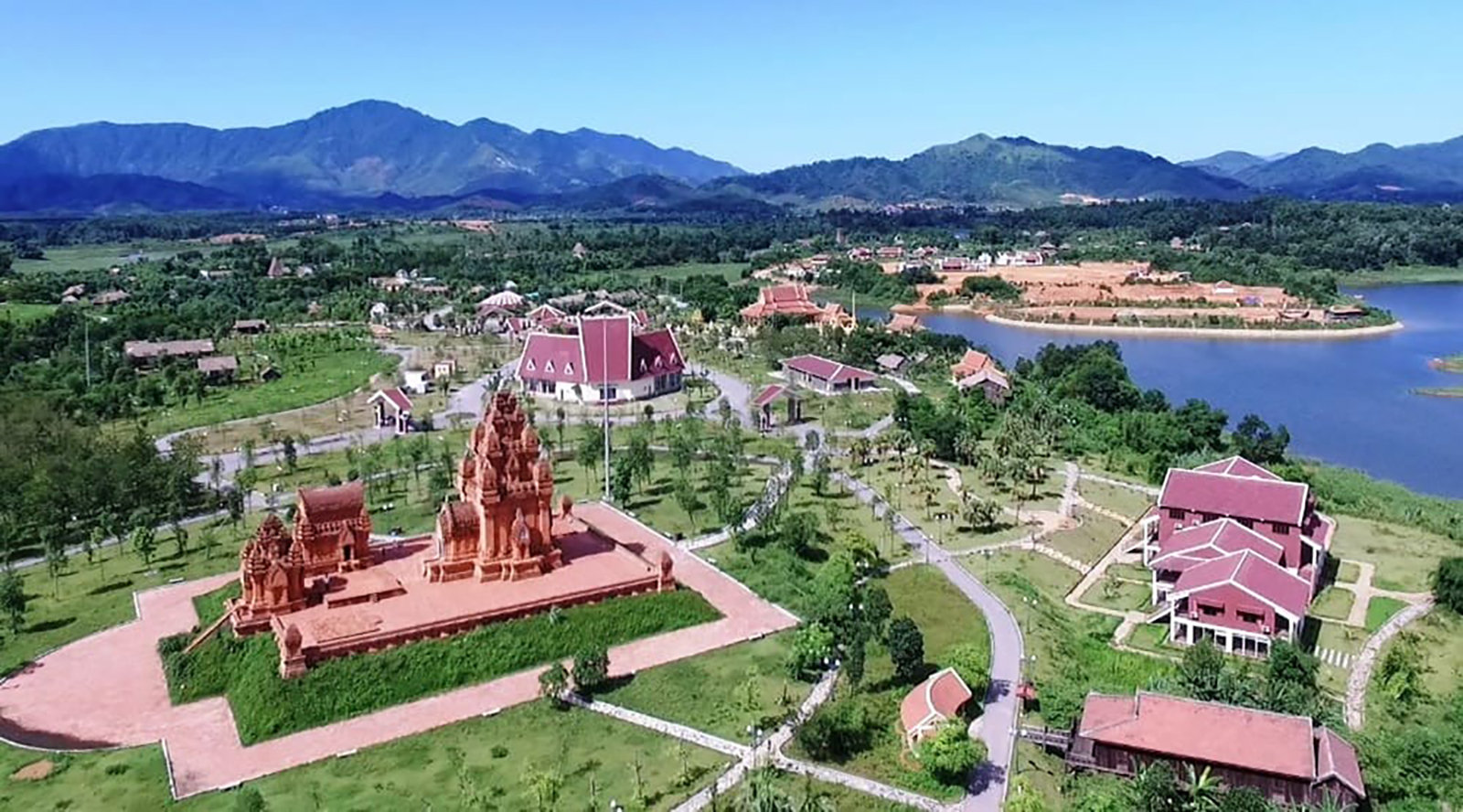
Nghe An is a land rich in historical and cultural traditions, with a diverse and abundant system of heritage sites, creating an important foundation for the development of a heritage economy. The province currently possesses many national and provincial-level historical and cultural relics, famous scenic spots, and a treasure trove of unique intangible cultural heritage such as the Nghe Tinh folk songs (Vi and Giam), traditional festivals, handicrafts, cuisine, folk knowledge, and a system of long-standing craft villages. In particular, the values associated with the birthplace of President Ho Chi Minh, the cultural spaces of Nghe An province, and the unique identities of the ethnic communities in western Nghe An are exceptionally valuable cultural resources.
.jpg)
.jpg)
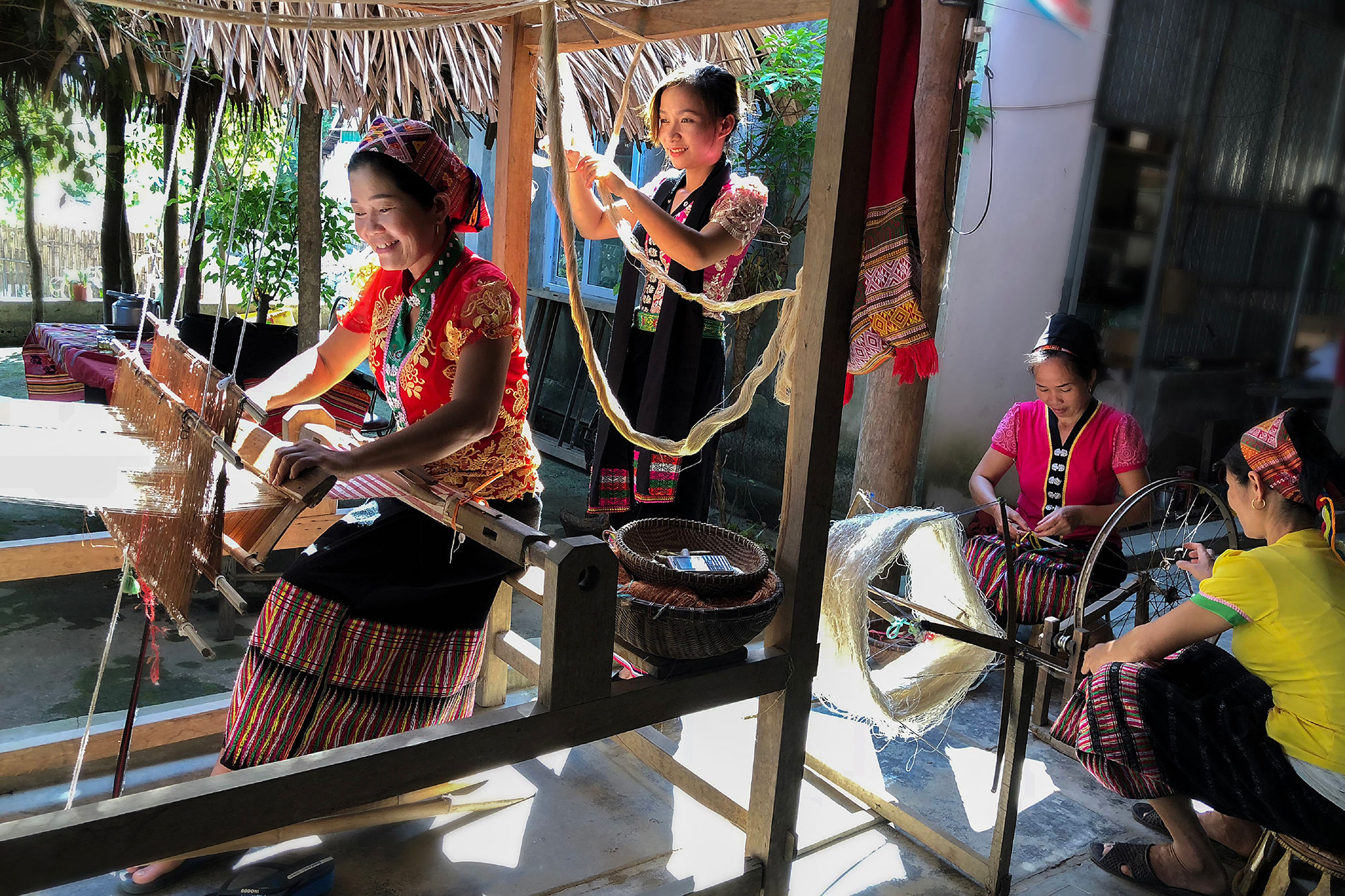
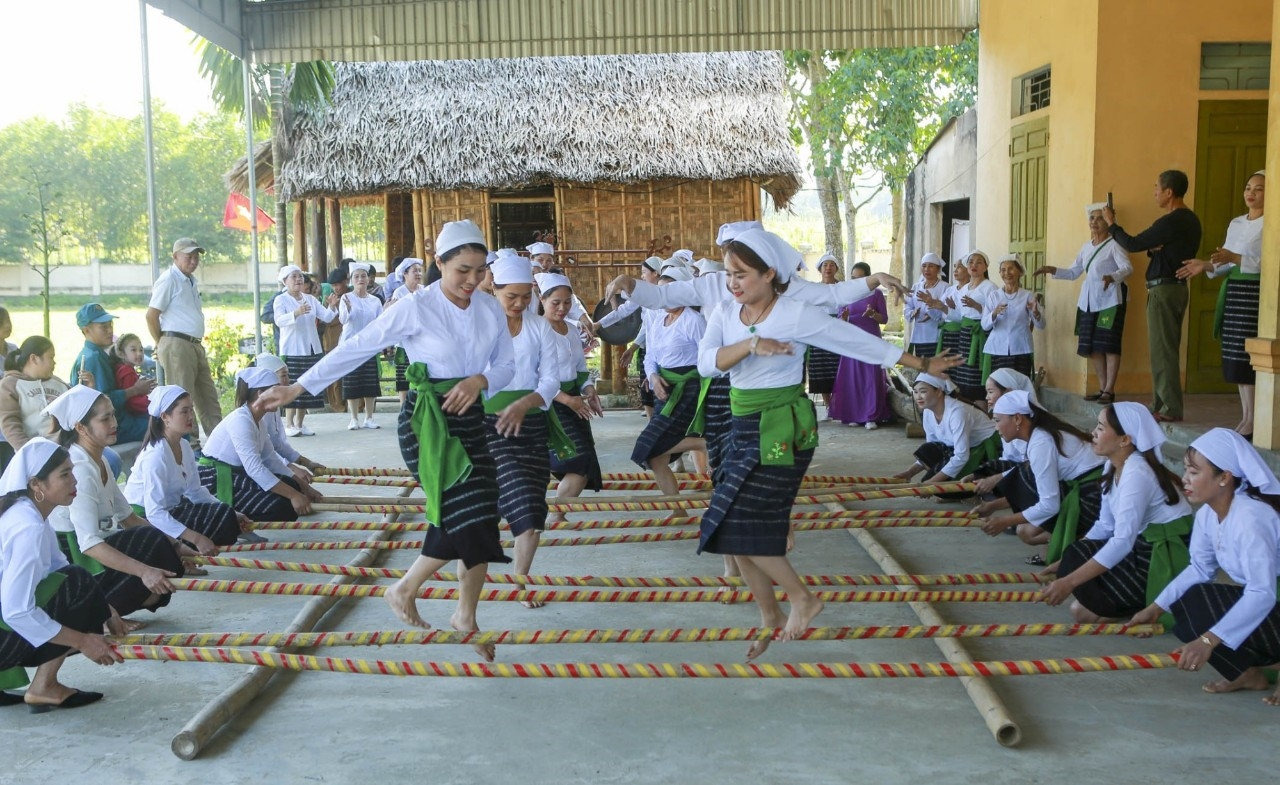
However, the exploitation of these resources for economic development has not yet matched their potential. Many cultural products, tourism products, souvenirs, and OCOP products associated with heritage have not yet formed sustainable value chains; brand building and intellectual property protection for local specialties remain limited.
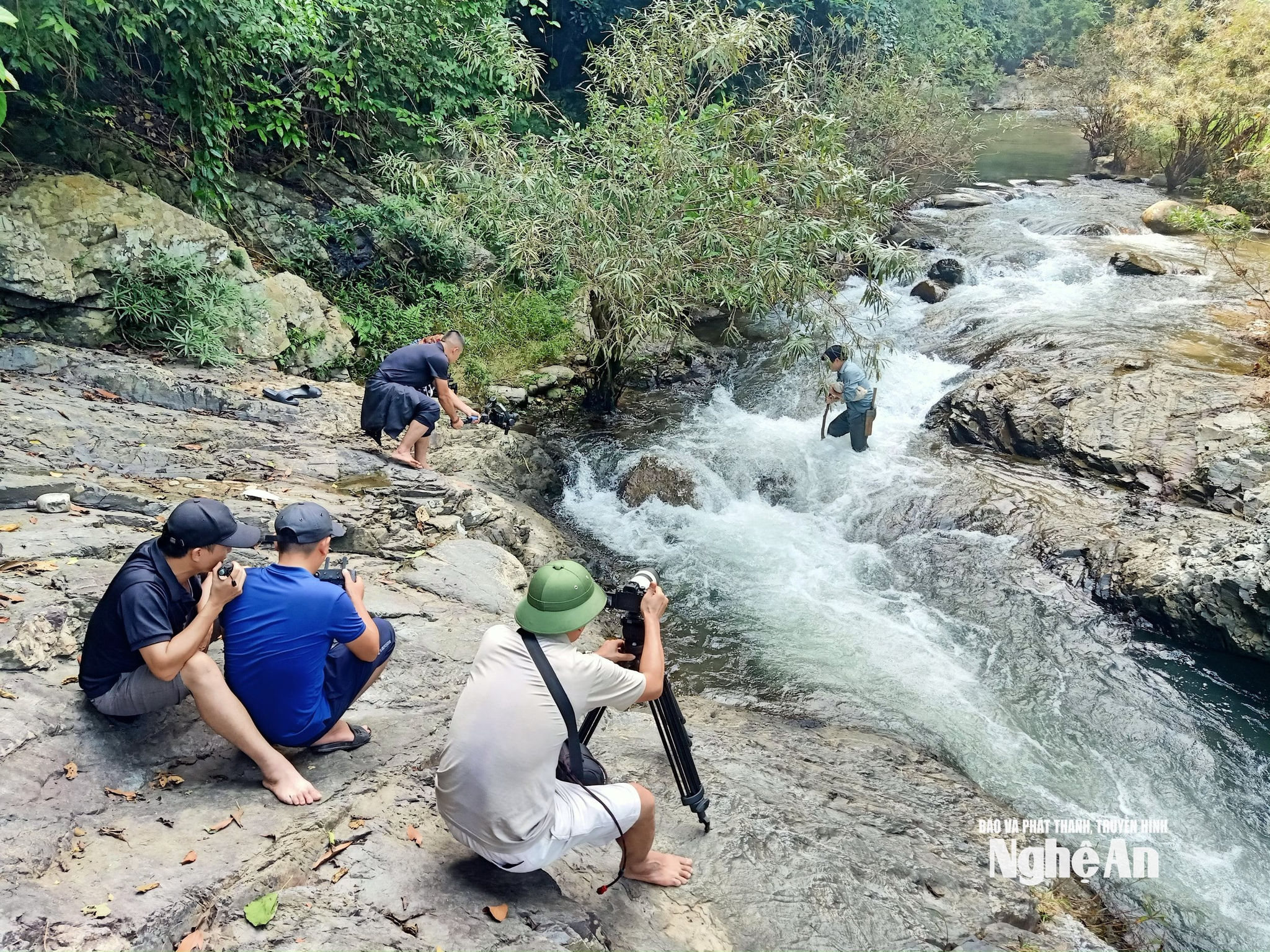
In the context of implementing Resolution 80, Nghe An has a great opportunity to transform its heritage into a new development resource by linking heritage preservation with the development of cultural tourism, creative industries, the night-time economy, digital media products, experiential education, and the rational commercialization of indigenous cultural values. Building brands for heritage-related products such as Nghe An cuisine, traditional craft villages, handicrafts, art programs, and digital content exploiting Nghe An's cultural elements will contribute to increasing economic value, promoting the local image, and creating sustainable livelihoods for the community.

The press in Nghe An plays a crucial role in accompanying the province's development of the heritage economy through disseminating information to raise social awareness about the value of heritage, promoting a mindset of exploiting heritage associated with intellectual property, spreading good models and effective practices; and at the same time reflecting shortcomings and risks of misguided commercialization to contribute to the sustainable development of the heritage economy, harmonizing conservation and development.
We hope that, in the coming time, Vietnamese journalism in general, and Nghe An journalism in particular, will continue to strengthen effective communication efforts to bring intellectual property into deeper involvement in the development of culture, businesses, technology, and markets, as well as contribute more deeply to the overall development of Nghe An province.