

Gold prices plummet, sparking debate among investors.
Gold prices have fallen by about 26% from their peak of $5,589 per ounce (January 2026) to around $4,157 per ounce currently, but gold mining companies have just recorded their highest quarterly profits in history.
This contrast is creating a rare market paradox: Gold stocks are unusually undervalued while the cash flow of companies mining the precious metal is at record levels.
Miners are still making a lot of money despite falling prices.
Gold surged to $5,589 per ounce in January of this year, a historic peak few dared to imagine. But since then, the precious metal has plummeted, currently trading around $4,157 per ounce. In fact, gold has lost approximately 26% of its value in less than six months.
For gold investors, this is not very good news. But the interesting story lies with another group: gold mining companies.
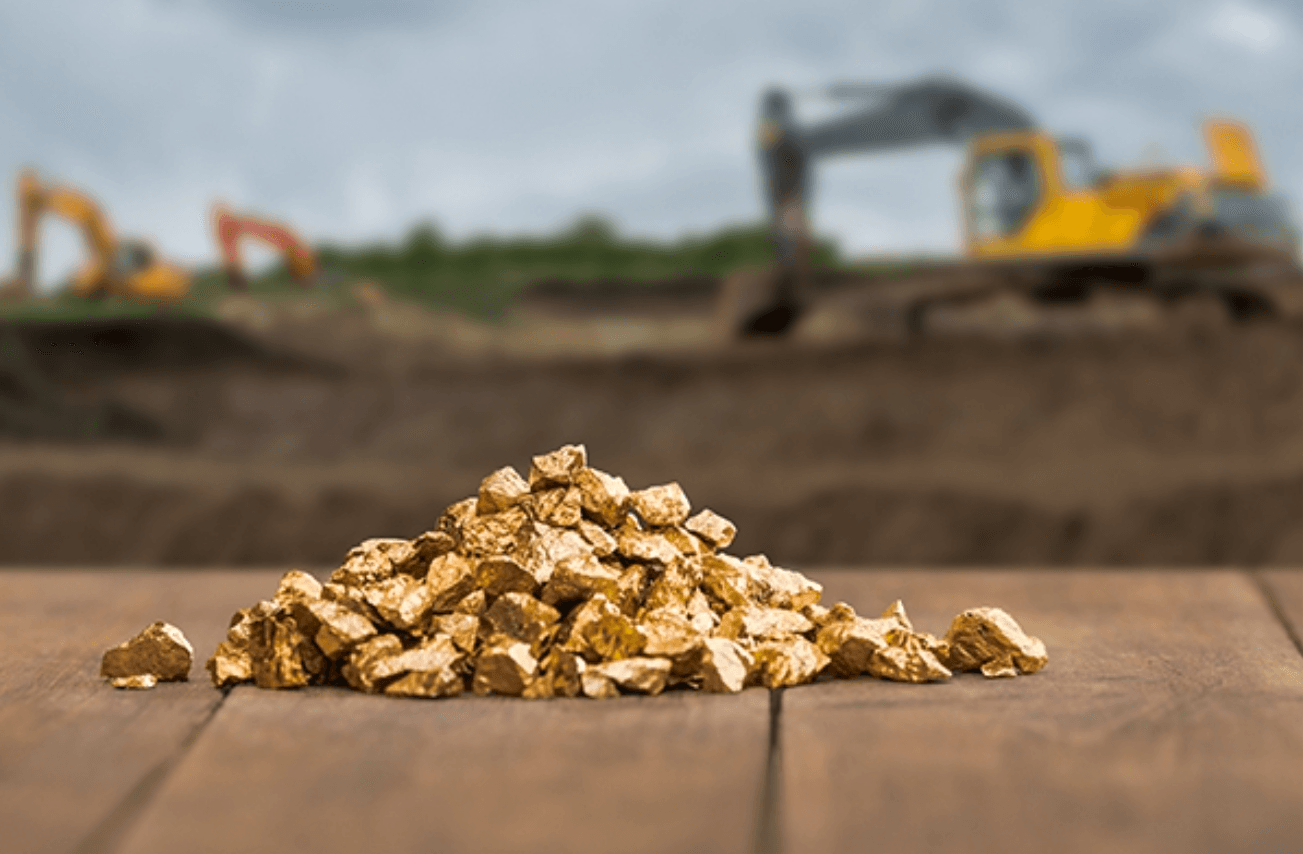
It sounds illogical because the price of gold is falling.If miners sold gold at a lower price, their profits should have been affected; however, the reality is quite the opposite.
Agnico Eagle Mines, one of the leading names in the gold mining industry, has just announced first-quarter revenue of $4.1 billion, a 66% increase compared to the same period last year. Their net profit reached a record $1.7 billion.
Remarkably, the cost to mine each ounce of their gold was only around $1,483, while the actual average selling price reached $4,861. For every ounce of gold sold, they profited over $3,300. It's no coincidence they call this "the best gold in the company's history."
Another major player, AngloGold Ashanti, also reported free cash flow of $1.2 billion, a 190% increase year-over-year. Kinross Gold, meanwhile, had record free cash flow of $837.5 million and net profit of $843 million.
Even smaller companies are benefiting. One Latin American mining company, Mineros, just posted nearly $292 million in revenue for the quarter, up 82%, with net profit increasing 131%.
Although gold prices have fallen quite significantly from their peak, the current price (around $4,157) is still much higher than the mining cost (only about $1,500 - $1,700). Therefore, these companies are still making a fortune.
Paradox: Gold industry stocks fall.
While gold mining companies are reporting record profits and abundant cash flow, their stocks are being sold off by investors. The GDX fund (a fund specializing in investments in leading gold mining companies) has fallen more than 22% in the past three months.
The answer lies in market sentiment. Investors are fearful that the downward trend in gold prices will continue. They believe that if gold prices continue to plummet to $3,000 or even $2,500, the profits of mining companies will be severely eroded. Therefore, they are selling their stocks in advance, not waiting for that to actually happen.
In other words, the market is reacting based on fear about the future, not on current realities.
There's one important point that many investors may overlook: gold mining companies today are far more financially disciplined than they were 10 years ago.
Around 2011-2012, when gold prices soared, mining companies borrowed heavily to expand production. But when gold prices subsequently plummeted, they nearly went bankrupt because they couldn't repay their debts. It was a costly lesson they will never forget.
This time, instead of burning money on expansion projects, companies are using profits to pay dividends to shareholders, buy back shares (thereby driving up the stock price), and pay off debt.
AngloGold Ashanti has just announced a $2 billion share buyback program. Kinross has already returned approximately $350 million to shareholders in the first three months of the year alone.
Two opposing sides: Optimism and Pessimism
The story is dividing investors into two camps. The optimists believe that the price of gold will...It has entered a "new era" and will never return below $4,000 in the near future.
They argue that the fundamental factors supporting gold, such as geopolitical instability (conflicts in Ukraine and the Middle East, US-China tensions), persistent inflation, and the depreciation of the US dollar, will continue to exist.
With average mining costs below $2,000, mining companies will continue to rake in money. Therefore, gold industry stocks are currently extremely attractively valued.
Pessimists worry that the gold rush is only temporary. They point out that if the US Federal Reserve (Fed) is forced to raise interest rates to combat inflation, the US dollar will strengthen and gold prices will come under significant pressure.
If global conflicts are resolved, gold could lose its role as a "safe haven" and fall back to the $3,000-$3,500 range. In that case, miners' profits would vanish rapidly.
Because of these concerns, the market is valuing gold mining stocks at historically low levels. Some companies are trading at just 3-4 times their annual earnings.
Meanwhile, the normal market price for a stock is typically 15 times earnings or higher. Such undervaluation means investors are betting that these companies' earnings will plummet in the near future.
No one can accurately predict whether gold will go up or down in the coming months. But history has shown that when a thriving industry experiences a sell-off as if it's on the verge of bankruptcy, it's often a sign of an "inflection point," meaning the market is about to reverse.