

Is Trump negotiating with Iran, or is he negotiating with the American voters?
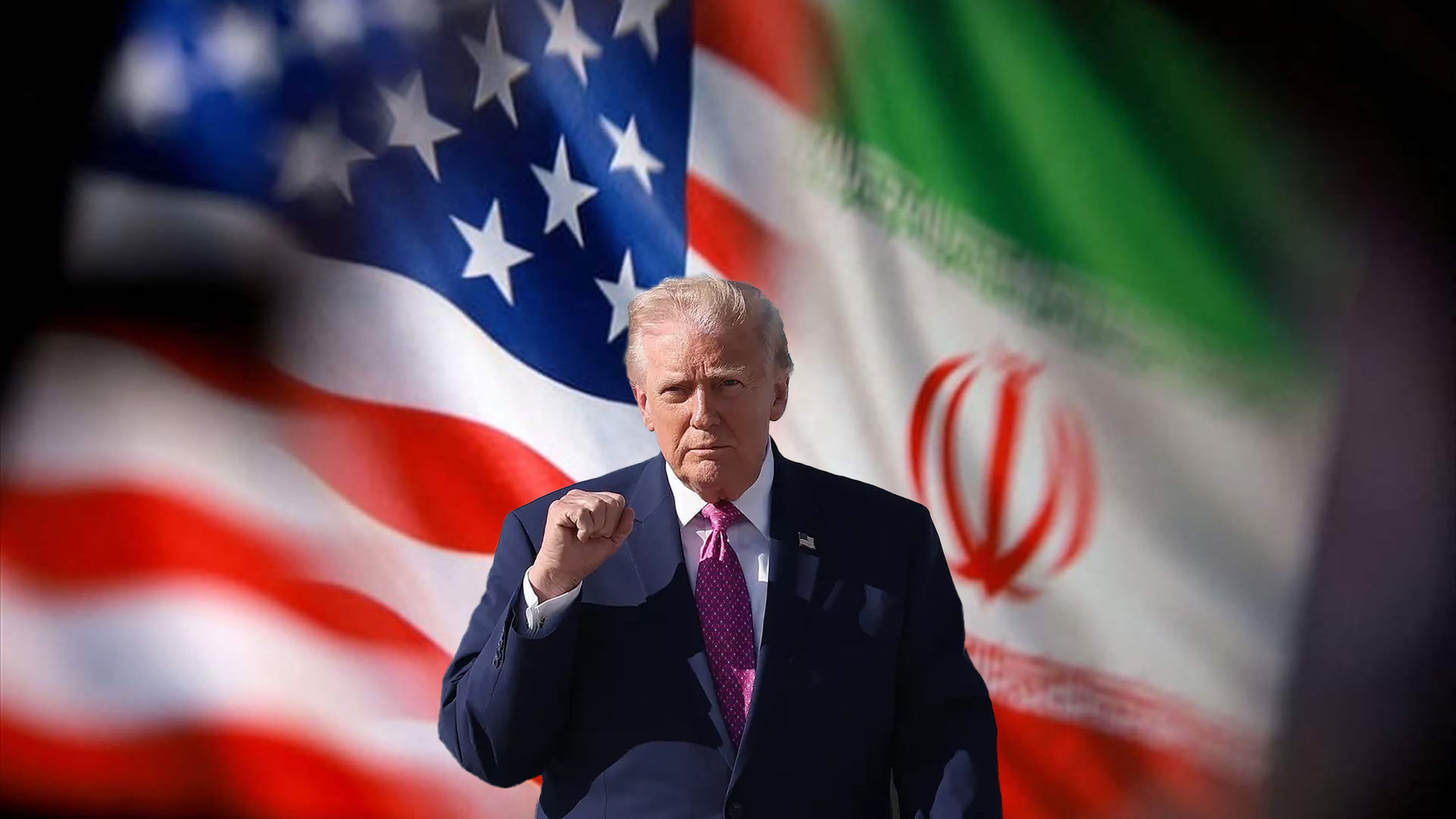
New signals from contacts between the US and Iran are raising hopes for a potential de-escalation of tensions in the Middle East. However, according to lawyer Hoang Viet, behind these rounds of negotiations is not just a story between Washington and Tehran, but also the increasing pressure that President Donald Trump is facing domestically, from the midterm elections and energy prices to his own political credibility.
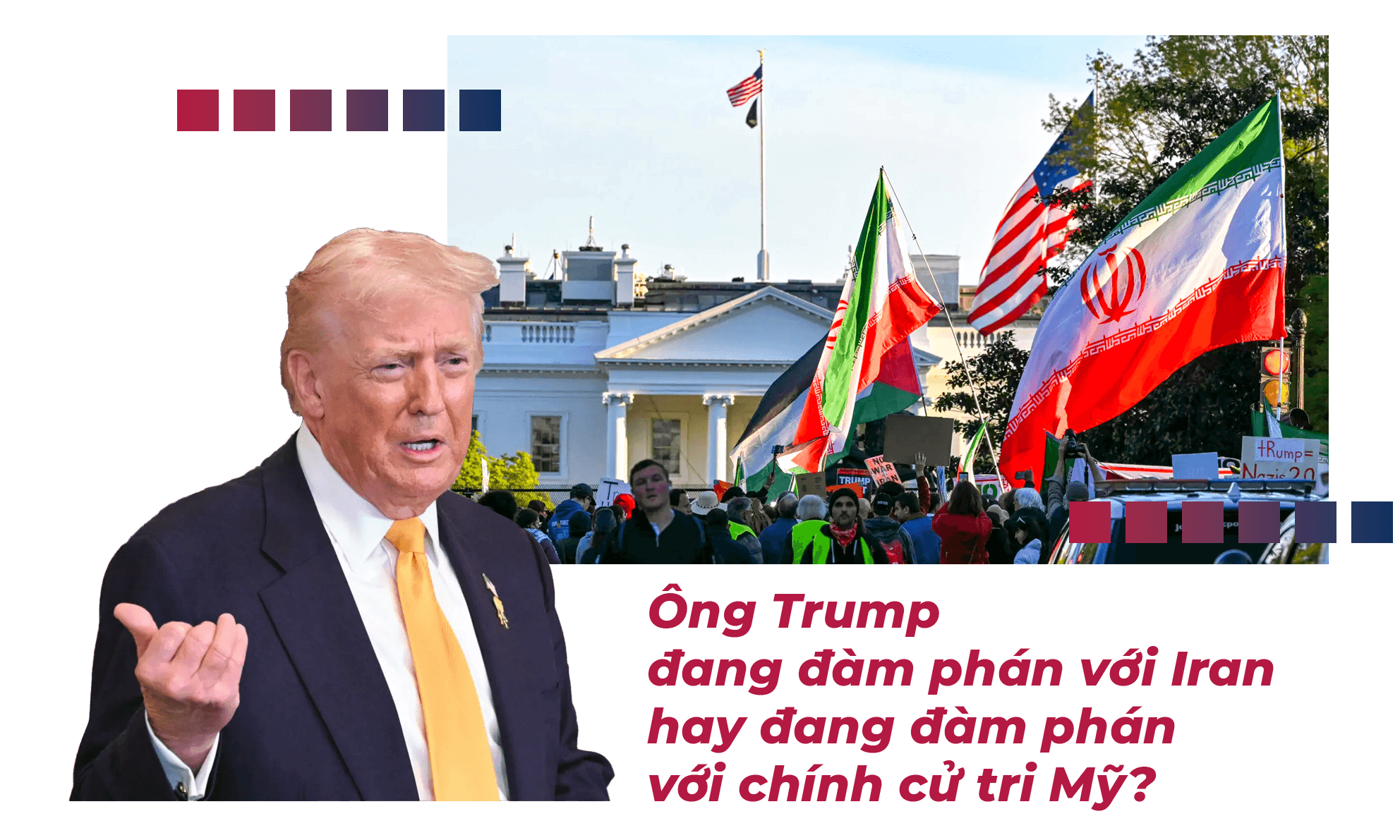
New signals from contacts between the US and Iran are raising hopes for a potential de-escalation of tensions in the Middle East. However, in an interview with Nghe An Newspaper and Radio & Television, Lawyer Hoang Viet – an expert in Law and International Relations (Ho Chi Minh City University of Law) – argued that behind the negotiations is not just a story between Washington and Tehran, but also the increasing pressure that President Donald Trump is facing domestically, from the midterm elections and energy prices to his own political credibility.
Perform:Hoang Yen - Huu Quan26/6/2026

PV: Recent positive signals between the US and Iran are raising hopes for a potential de-escalation of tensions in the Middle East. In your opinion, what is the main motivation behind Washington's desire to push for negotiations at this time? Is it the need to reduce regional tensions or does it stem from domestic economic and political pressures?
Lawyer Hoang Viet:It must be said that over the past period, Iran has repeatedly shown its willingness to participate in negotiations with the United States. However, from Tehran's perspective, Washington's military actions while the parties are seeking a diplomatic solution have significantly affected the level of trust between the two countries. And until trust is restored, the negotiation process will certainly face many difficulties.
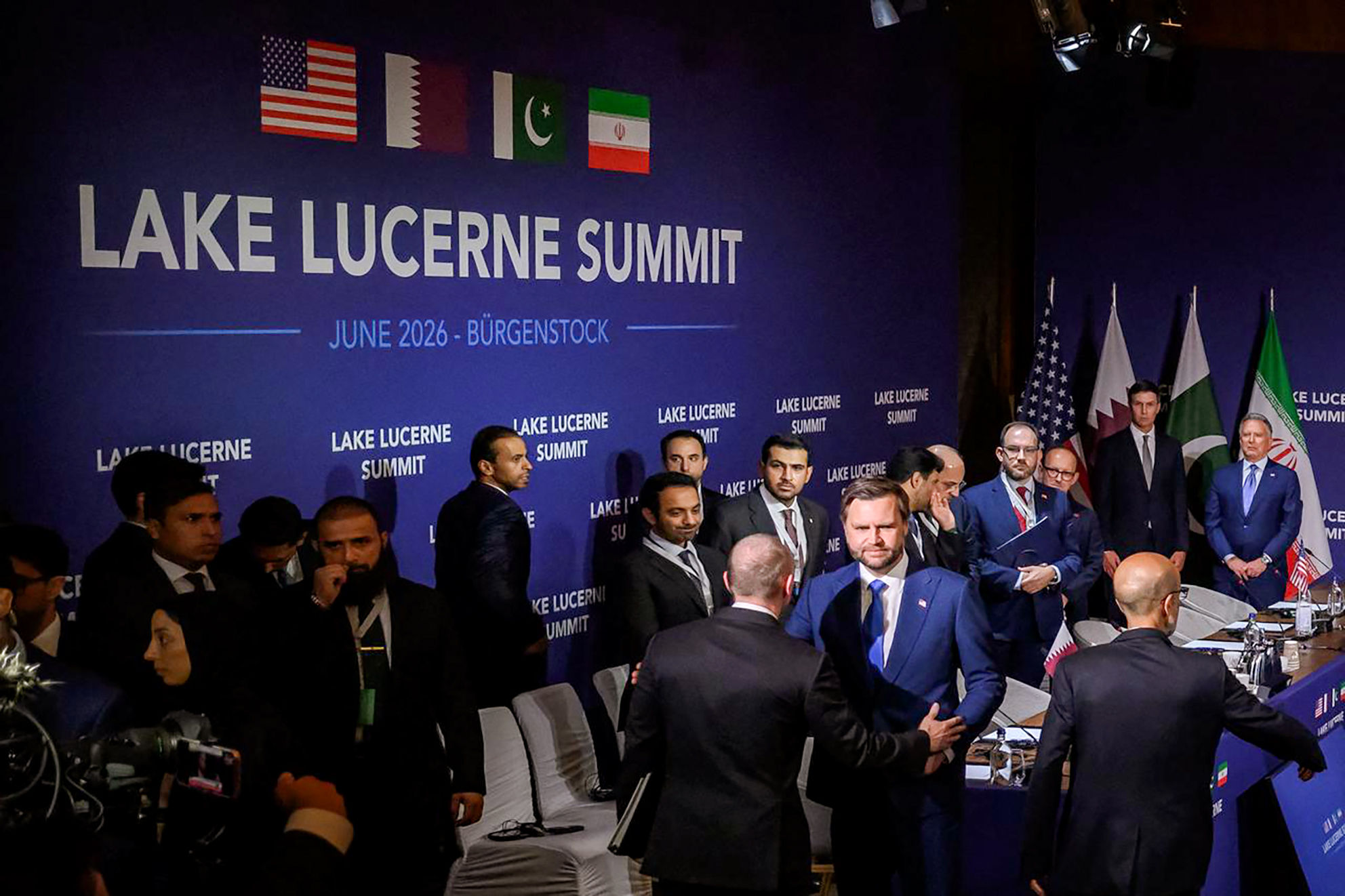
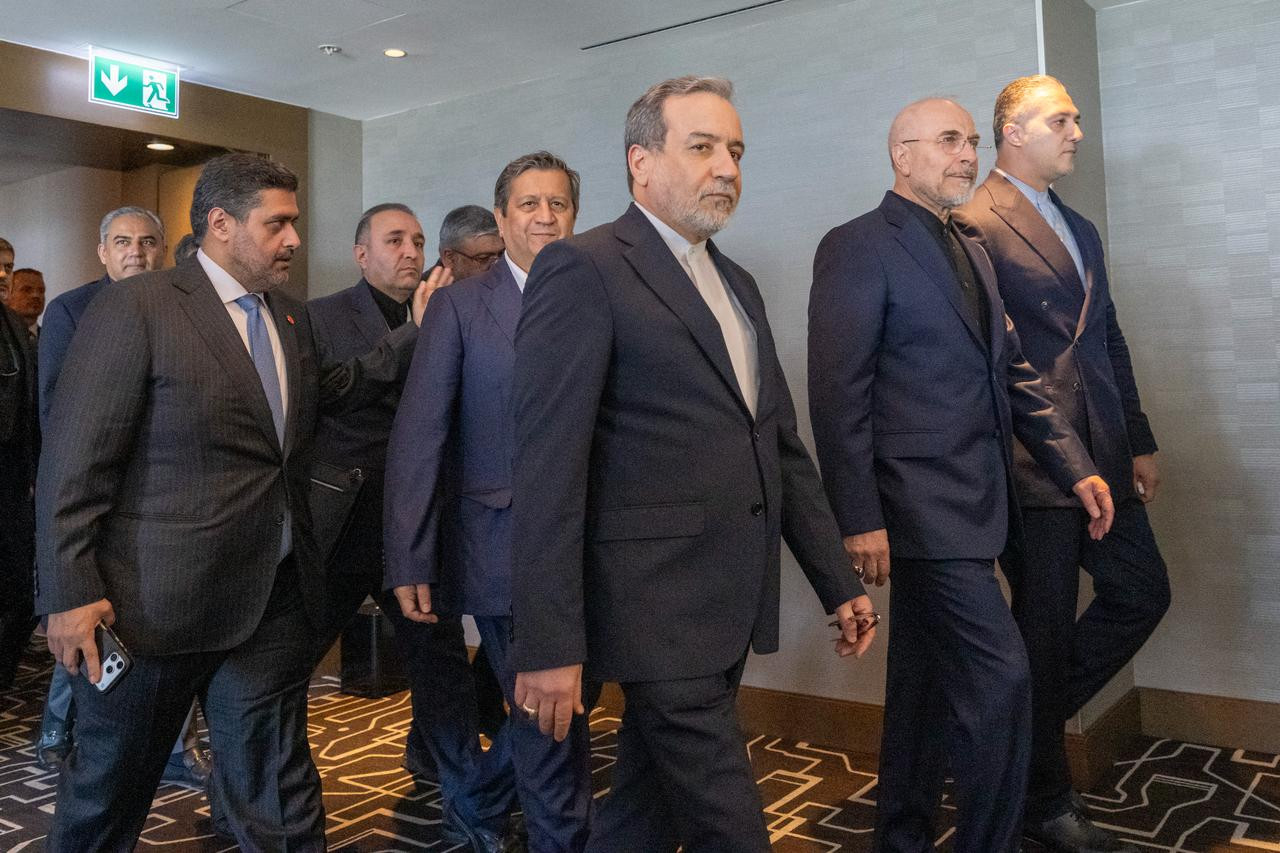
From a military standpoint, the U.S. may have gained certain advantages. But strategically, Iran still demonstrates the ability to maintain its power and influence. This makes it difficult for Washington to claim it has achieved its stated goals.
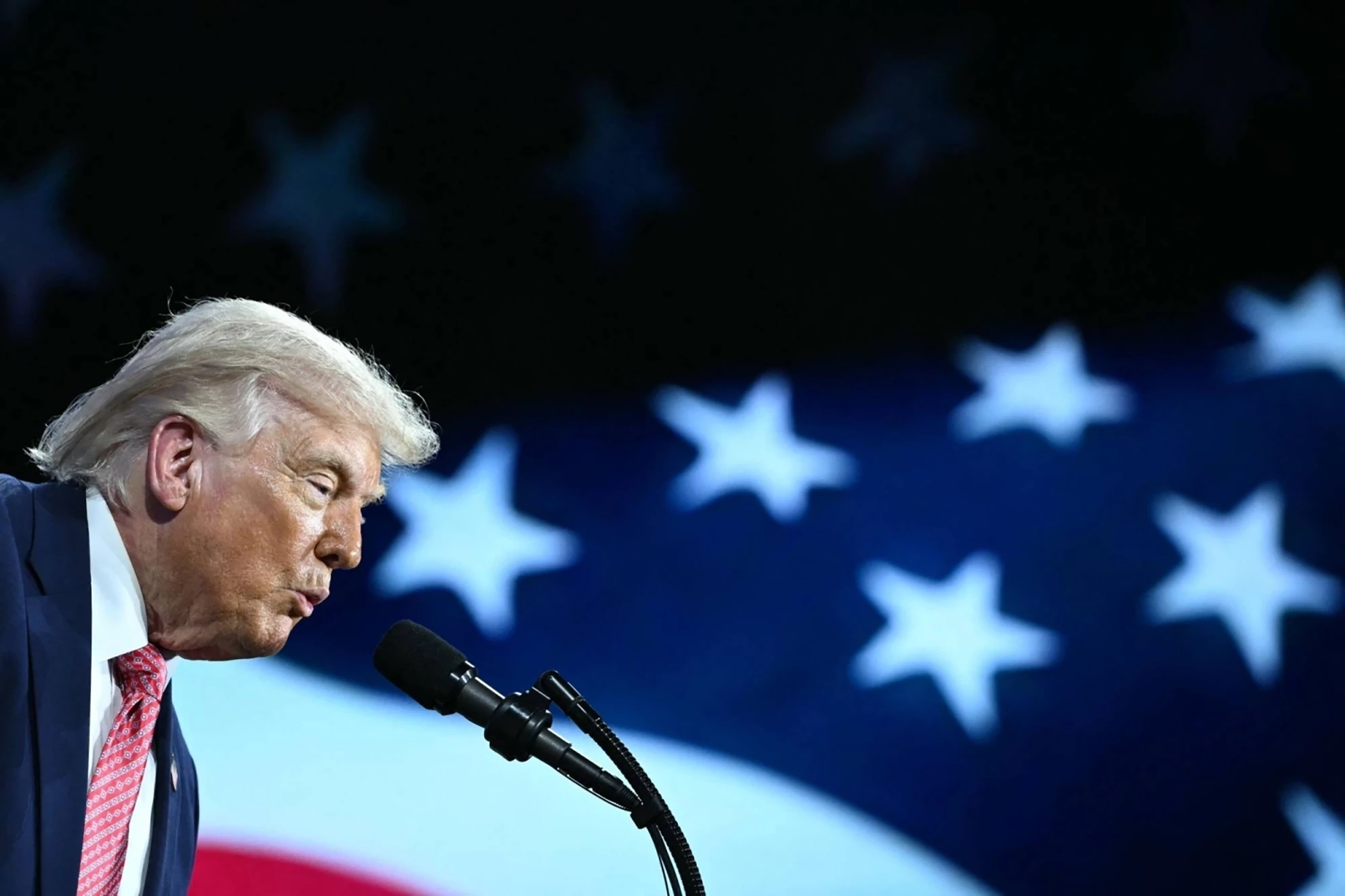
Meanwhile, domestic political pressure on President Donald Trump is palpable. With the midterm elections approaching, Trump needs to demonstrate that his foreign policy commitments are yielding concrete results. He has previously cultivated an image of a peace-loving leader capable of resolving international conflicts. Therefore, any developments concerning Iran now will directly impact his political standing.
PV: Some scholars argue that U.S. policy toward Iran has long been more than just a foreign policy issue; it is closely intertwined with U.S. domestic politics. How do you assess this assertion in the current context?
Lawyer Hoang Viet:I believe that assessment is entirely accurate. In American politics, Iran has never been merely an object of foreign policy. Every decision concerning Tehran can impact domestic voters. This is even more evident with Donald Trump, as he has always wanted to demonstrate his ability to effectively resolve international issues.
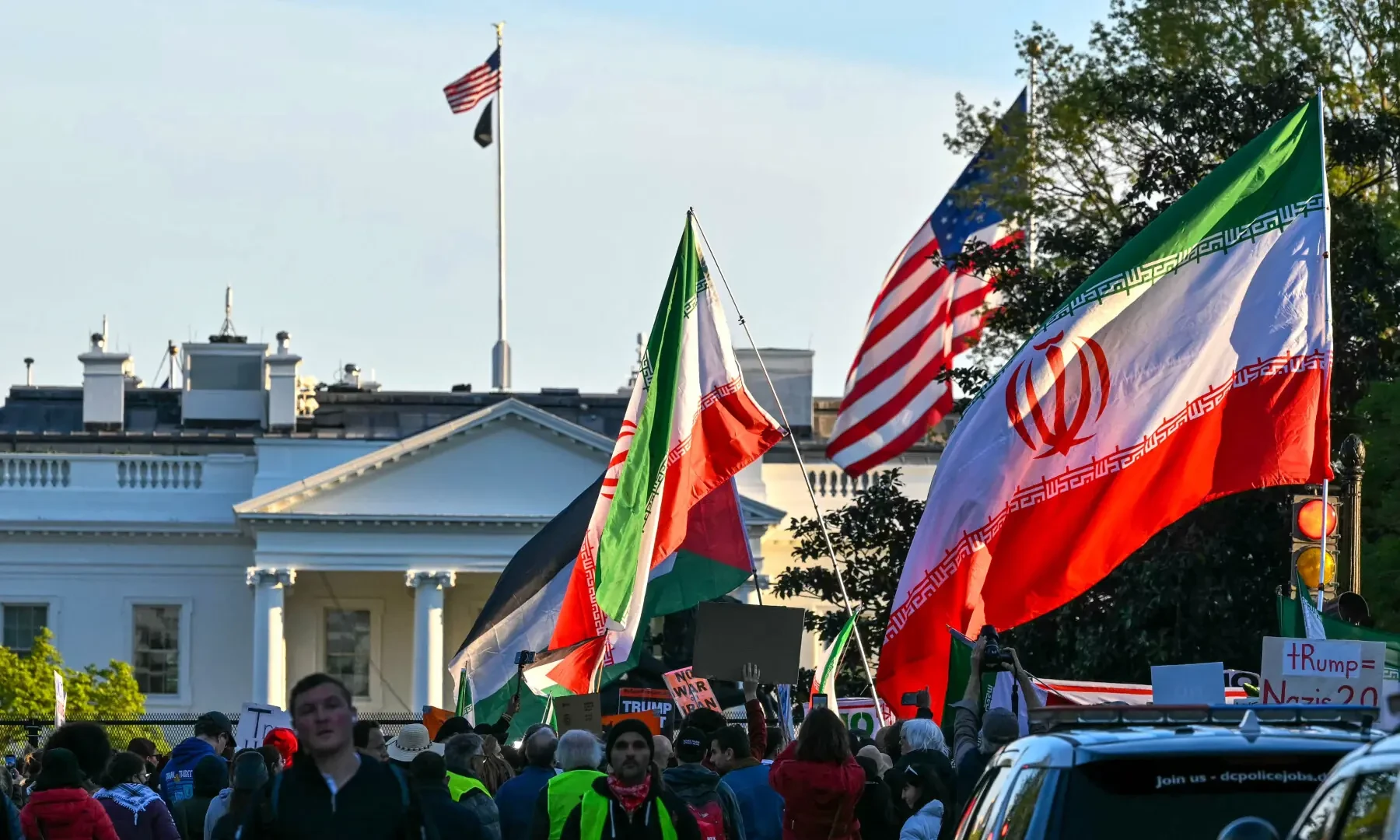
However, the reality is that many of his major foreign policy commitments have not yet yielded the expected results. Therefore, the White House's handling of the Iran issue is currently being closely watched by American voters. It can be said that this is not only a confrontation between the US and Iran, but also a test of President Trump's leadership capabilities.

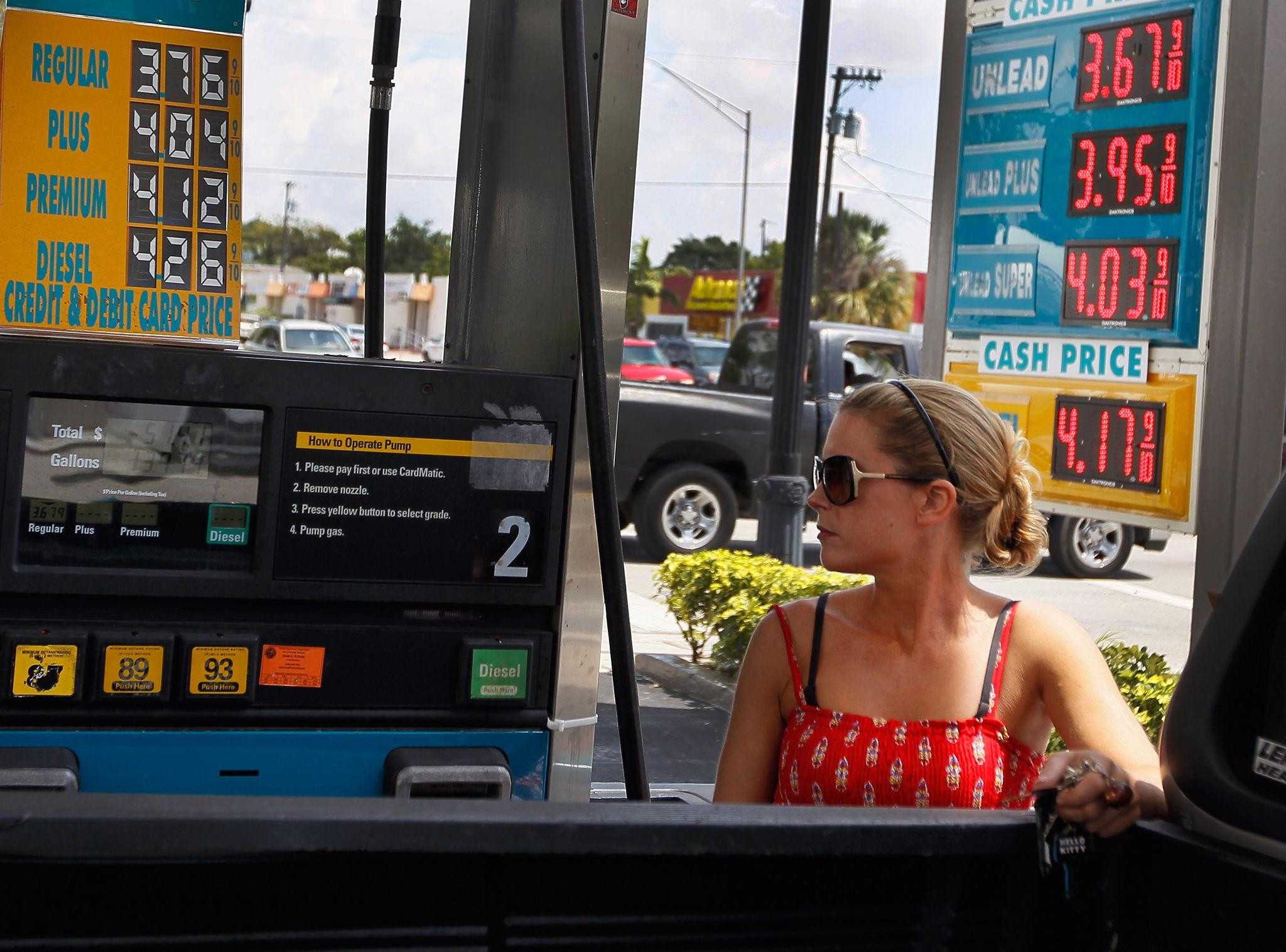
PV: While the focus in the Middle East is on negotiations with Iran, in the US, people are probably more concerned about gasoline prices, food prices, and the economic outlook. How do you think these factors are influencing Washington's policies?
Lawyer Hoang Viet:It must be emphasized that these factors have a significant impact. We all know that the Strait of Hormuz is one of the world's most strategically important shipping lanes, handling approximately 20% of the world's oil supply. Any disruption in this area could lead to dramatic changes in energy prices on the international market.
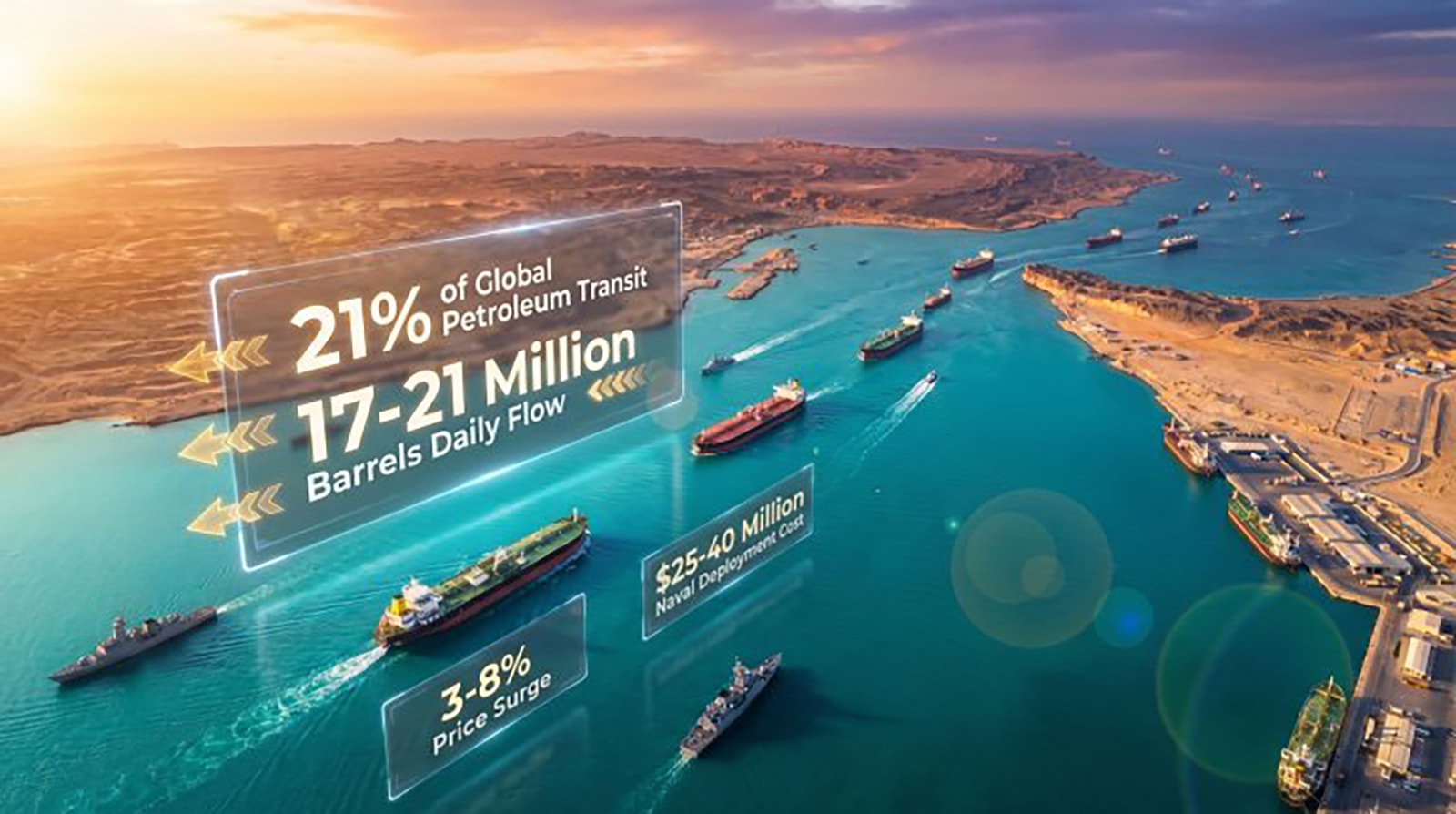
When oil prices rise, the first to be affected are the American people. Rising gasoline prices lead to increased living costs, creating inflationary pressure and directly impacting voter sentiment. American political history shows that many presidents have paid the price when fuel prices escalate or the economy struggles. Therefore, the White House's current policies regarding Iran cannot be separated from calculations related to the domestic economy.
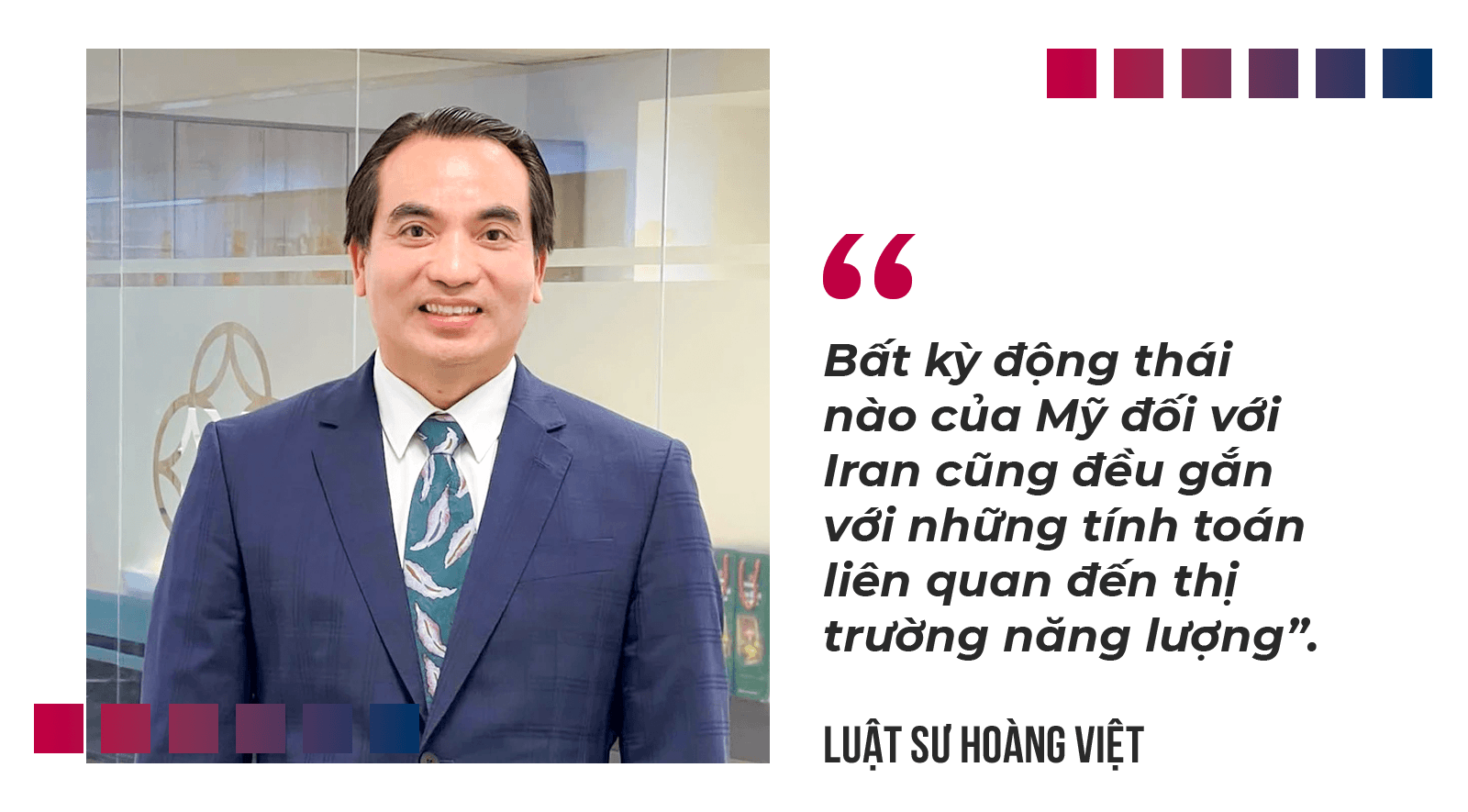
PV: Expert Stephen Cook once stated that energy prices are one of the most influential factors affecting US policy in the Middle East. Does he still hold true today?
Lawyer Hoang Viet:In my opinion, that assessment remains entirely true. When discussing the Middle East, it's impossible not to mention oil and gas. Iran is one of the countries playing a crucial role in the region's energy landscape. Therefore, any move by the US toward Iran is linked to calculations related to the energy market.
For a president like Donald Trump, who is heading into the midterm elections, maintaining energy price stability is particularly important. In other words, each round of negotiations with Iran is not just a diplomatic effort, but also a way for the White House to mitigate domestic economic risks.

PV: Returning to the question posed at the beginning of the program, in your opinion, are the current negotiations aimed at changing Iran's behavior or at reassuring American voters? And if an agreement is signed, who will benefit the most?
Lawyer Hoang Viet:It is still too early to say anything for sure because everything depends on whether the parties actually end the confrontation.
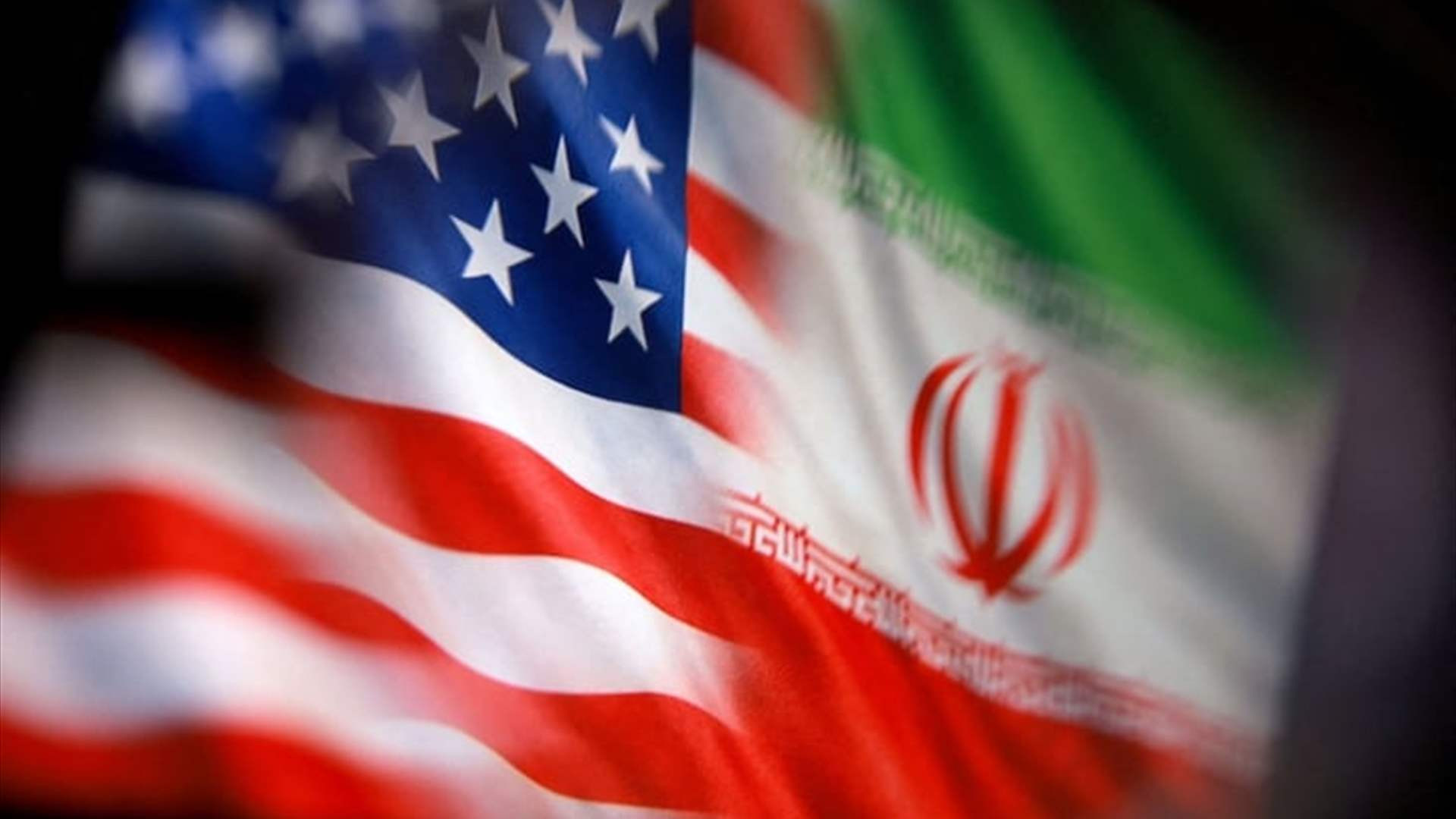
If an agreement is reached, both the US and Iran will undoubtedly benefit. The US could reduce economic and political pressure, while Iran would have a better chance of improving its security environment and reducing external pressure. However, both sides have suffered significant losses over the past period.
From a broader perspective, there are always countries that indirectly benefit from strategic rivals expending resources on a prolonged confrontation. This shows that the geopolitical problem surrounding Iran is not limited to US-Iran relations but also involves the strategic calculations of other major powers.
PV:Thank you, Lawyer Hoang Viet, for your interview with Nghe An Newspaper and Radio & Television!